 Talmud Bavli
The learning on the whole site is dedicated : L'ilui Nishmat Margalit bat Ledicia
The learning on the whole site is dedicated : L'ilui Nishmat Amram ben Itshak Loubaton
The learning on the whole site is dedicated : L'ilui Nishmat אסתר בת חיים
Mo'ed Katan 10a : Youtube
Daf TubeYoutube
3 video classes :
Mo'ed Katan Page 10a
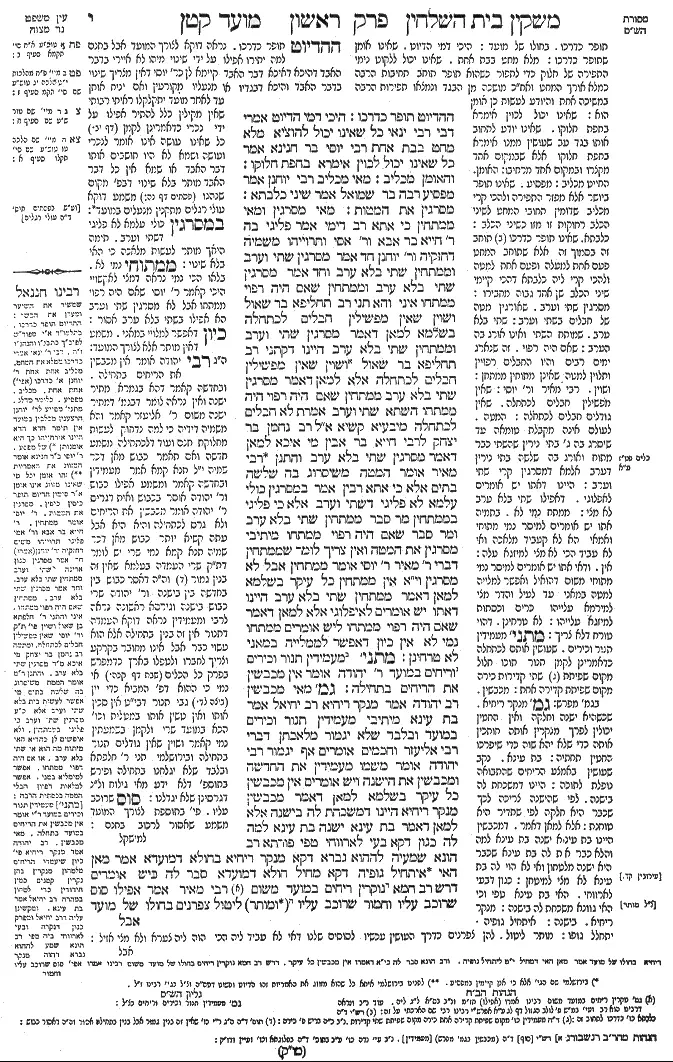
Mo'ed Katan 10a - Guemara
ההדיוט תופר כדרכו:
היכי דמי הדיוט אמרי דבי רבי ינאי כל שאינו יכול להוציא מלא מחט בבת אחת רבי יוסי בר חנינא אמר כל שאינו יכול לכוין אימרא בחפת חלוקו:
והאומן מכליב:
מאי מכליב רבי יוחנן אמר מפסיע רבה בר שמואל אמר שיני כלבתא:
מסרגין את המטות:
מאי מסרגין ומאי ממתחין כי אתא רב דימי אמר פליגי בה ר' חייא בר אבא ור' אסי ותרוייהו משמיה דחזקיה ור' יוחנן חד אמר מסרגין שתי וערב וממתחין שתי בלא ערב וחד אמר מסרגין שתי בלא ערב וממתחין שאם היה רפוי ממתחו איני והא תני רב תחליפא בר שאול ושוין שאין מפשילין חבלים לכתחלה בשלמא למאן דאמר מסרגין שתי וערב וממתחין שתי בלא ערב היינו דקתני רב תחליפא בר שאול ושוין שאין מפשילין חבלים לכתחלה אלא למאן דאמר מסרגין שתי בלא ערב ממתחין שאם היה רפוי היה ממתחו השתא שתי וערב אמרת לא חבלים לכתחלה מיבעיא קשיא א"ל רב נחמן בר יצחק לרבי חייא בר אבין מי איכא למאן דאמר מסרגין שתי בלא ערב והתנן רבי מאיר אומר המטה משיסרוג בה שלשה בתים אלא כי אתא רבין אמר במסרגין כולי עלמא לא פליגי דשתי וערב אלא כי פליגי בממתחין מר סבר ממתחין שתי בלא ערב ומר סבר שאם היה רפוי ממתחו מיתיבי מסרגין את המטה ואין צריך לומר שממתחין דברי ר' מאיר ר' יוסי אומר ממתחין אבל לא מסרגין וי"א אין ממתחין כל עיקר בשלמא למאן דאמר ממתחין שתי בלא ערב היינו דאתו יש אומרים לאיפלוגי אלא למאן דאמר שאם היה רפוי ממתחו ליש אומרים ממתחו נמי לא אין כיון דאפשר לממלייה במאני לא טרחינן:
מתני׳ מעמידין תנור וכירים וריחים במועד ר' יהודה אומר אין מכבשין את הריחים בתחילה:
גמ׳ מאי מכבשין רב יהודה אמר מנקר ריחיא רב יחיאל אמר בת עינא מיתיבי מעמידין תנור וכירים במועד ובלבד שלא יגמור מלאכתן דברי רבי אליעזר וחכמים אומרים אף יגמור רבי יהודה אומר משמו מעמידין את החדשה ומכבשין את הישנה ויש אומרים אין מכבשין כל עיקר בשלמא למאן דאמר מכבשין מנקר ריחיא היינו דמשכחת לה בישנה אלא למאן דאמר בת עינא ישנה בת עינא למה לה כגון דקא בעי לארווחי טפי פורתא רב הונא שמעיה לההוא גברא דקא מנקר ריחיא בחולא דמועדא אמר מאן האי איתחיל גופיה דקא מחיל חולא דמועדא סבר לה כיש אומרים דרש רב חמא נוקרין ריחים במועד משום רבי מאיר אמר אפילו סוס שרוכב עליו וחמור שרוכב עליו (ומותר) ליטול צפרנים בחולו של מועד
Comments from Rashi on Masechet Mo'ed Katan Page 10a
תופר כדרכו . בחולו של מועד: היכי דמי הדיוט . שאינו אומן שתופר כדרכו: מלא מחט בבת אחת . שאינו יכול ללקוט נימי התפירה של חלוק כדי לתפור כשהוא תופר תוחב תחיבות הרבה כמלא אורך המחט ואח"כ מושכה מן הבגד ונמצאו תפירות הרבה במשיכה אחת והיודע לעשות כן אומן הוא: שאינו יכול לכוין אימרא בחפת חלוקו . שאינו יודע לתחוב אותו בגד עב שעושין ממנו אימרא בחפת חלוקו אלא שבמקום אחד מקצרו ובמקום אחד מרחיבו: האומן . החייט מכליב: מפסיע . שאינו תופר ביושר אלא מפזר התפירה ולהכי קרי מכליב שדומין תחובי המחט לשיני הכלב רחוקות זו מזו כשיני הכלב: כלבתא . שאינו תופר כדרכו תוחב זה בסמוך זה אלא שתוחב המחט פעם אחת למעלה ופעם אחת למטה ולהכי קרי ליה כלבתא דהכי קיימי שיני הכלב שן אחד גבוה מחבירו: מסרגין שתי וערב . שאורגין מטה של חבלים בשתי וערב: שתי בלא ערב . שמותח השתי ואינו אורג בה הערב: שאם היה רפוי . זה שנארג ימים רבים והיו החבלים רפויין ותלוין למטה שאינן מתוחין ממתחן: ושוין . רבי מאיר ור' יוסי: שאין מפשילין חבלים לכתחלה . שאין גודלים חבלים לכתחלה: המטה . לעולם אינה מקבלת טומאה עד שיסרג בה ג' בתי נירין שהשתי כבר מתוח ואורג בה שלשה בתי נירין דערב אלמא דמסרגין קרי שתי וערב: היינו דאתו יש אומרים לאפלוגי . דאפילו שתי בלא ערב לא מצי: ממתח נמי לא . בתמיה אתו יש אומרים למיסר נמי מתוחי ואמאי הא לא קעביד מלאכה ואי לא עביד הכי לא מצי למיזגא עלה: אין . ודאי אתו יש אומרים למיסר נמי מתוחי משום דהואיל ואפשר למלייה למטה במאני עד לעיל והדר מצי למירמא עלייהו כרים וכסתות למיזגא עלייהו: לא טרחינן . דהוי טורח דלא צריך: מתני' מעמידין תנור וכירים . שעושין אותם לכתחלה כדאמרינן לקמן תנור תוכו חלול מקום שפיתת שתי קדירות כירה מקום שפיתת קדירה אחת: מכבשין . בגמ' מפרש: גמ' מנקר ריחיא . שכשהיא ישנה וחלקה ואין החטין יכולין לפרך מנקרין אותה חותכין אותה כדי שלא יהא שוה כדי שיפרכו החטין תחתיה: בת עינא . נקב שעושין באמצע הריחים שהתבואה נופלת לתוכה: היינו דמשכחת לה בישנה . לפי שהישנה צריכה לכך שכבר היא חלקה לפי שתדיר היא טוחנת: אלא למאן דאמר . דמכבשין היינו בת עינא ישנה בת עינא למה והלא כבר אית לה בת עינא שכבר היא ישנה מלטחון ואי לא הוי לה בת עינא לא מצי למיטחן: כגון דבעי לארווחי . האי בת עינא טפי וכי האי גוונא משכחת לה בישנה: מנקר ריחיא . בישנה: איתחיל גופיה . יתחלל גופו: מותר ליטול . להן צפרנים כדרך העושין עכשיו לסוסים שלנו דאי לא עביד ליה הכי הוה ליה צערא ולא מצי אזיל:
Comments from Tosafot - Mo'ed Katan 10a
ההדיוט תופר כדרכו. נראה דוקא לצורך המועד אבל בחנם למה יתירו אפילו על ידי שינוי מיהו לא איירי בדבר האבד דהיכא דאיכא דבר האבד קיימא לן כר' יוסי דאין מצריך שינוי בדבר האבד והיכא דבגדיו או מנעליו מקורעין ואם יניח אותן עד לאחר מועד יתקלקלו ראיתי רבותי שאין מקילין כלל להתיר אפילו על ידי נכרי כדאמרינן לקמן (מועד קטן דף יב.) כל שאינו עושה אינו אומר לנכרי ועושה ושמא לא היו חושבים אותו דבר האבד או שמא אין כל דבר האבד מותר בלא שינוי דבפ' מקום שנהגו (פסחים דף נה:) משמע דוקא עולי רגלים מתקנין מנעלים במועד: במסרגין כולי עלמא לא פליגי דשתי וערב. תימה היאך מותר לעשות מלאכה כי האי בלא שינוי: ממתוחי נמי לא. בלאו הכי נמי נראה דמצי לאקשויי היכי קאמר ר' יוסי שאם היה רפוי ממתחו אבל לא מסרגין שתי וערב הא אפילו בשתי בלא ערב אסור: כיון דאפשר למלויי במאני. משמע דאין מותר אלא לצורך המועד: ה"ג רבי יהודה אומר אין מכבשין את הריחים בתחילה. ובחדשה קאמר דהא בגמרא מתיר ישנה ואין נראה לומר דבגמ' דמתיר ישנה משום ר' אליעזר קאמר והא משמיה דידיה כי למה נדחוק לעשות מחלוקת חנם ועוד דלכתחילה משמע חדשה ואם תאמר כבוש מאן דכר שמיה י"ל תנא קמא אמר מעמידין ובחדשה קאמר ומשמע אפילו כבוש ור' יהודה אוסר בכבוש ואית דגריס ר' יהודה אומר מכבשין את הריחים ולא גרס לכתחילה והיא היא אבל עתה קשיא יותר כבוש מאן דכר שמיה תנא קמא נמי שרי יש לומר דת"ק שרי העמדה בעלמא שאין זה בנין גמור וה"ה דאסר כבוש בין בחדשה בין בישנה ור' יהודה שרי כבוש בישנה וגירסא ראשונה נראה לרבי ומעמידין נראה דוקא העמדה דתנור אין זה בנין בתחילה אלא הוא עשוי כבר אבל אינו מחובר בקרקע וצריך לחברו ולטפלו בארץ כדמפרש בפרק כל הכלים (שבת דף קכה.) אי נמי כי ההוא דפ' המביא כדי יין (ביצה לד.) גבי תנור דבי"ט אין סכין אותו ואין טשין אותו במטלית וכו' הכא במועד שרי ולקמן בשמעתין נמי קאמר ושוין שאין גודלים תנור בתחילה ובירושלמי תני ר' חלפתא ובלבד שלא יגלחנו בתחילה ופירש בתוספ' דלא ידע מאי גילוח ול"נ דגרסינן שלא יגדלנו: סוס שרוכב עליו. פי' בתוספת לצורך המועד משמע שאסור לרכוב בחנם:
Mo'ed Katan 10a - Mishnah translated into english
§ It was taught in the mishna: A layman, who is not a skilled tailor, may sew in his usual manner on the intermediate days of a Festival. The Gemara asks: What are the circumstances in which an individual is considered a layman? The Sages of the school of Rabbi Yannai said: Anyone who cannot deftly pull a full needle of stiches through the fabric at the same time is considered a layman. Rabbi Yosei bar Ḥanina said: Anyone who cannot form a straight seam on the hem [ḥefet] of his shirt is considered a layman.
§ It was further taught in the mishna: A craftsman, however, may form only temporary stitches [makhliv]. The Gemara asks: What is meant by forming temporary stitches? Rabbi Yoḥanan said: He does not sew all the stitches that are necessary, but rather he skips certain stitches in the middle (Rabbeinu Hananel). Rabba bar Shmuel said: He sews stitches that are like the teeth of a dog. He does not sew all the stitches in a straight line, so that they resemble the teeth of a dog, which also are not straight.
§ It was also taught in the mishna: One may interweave the cords attached to the frame of a bed. Rabbi Yosei says: One may only tighten the cords. The Gemara asks: What is meant by interweaving, and what is meant by tightening? When Rav Dimi came from Eretz Yisrael to Babylonia, he said: Rabbi Ḥiyya bar Abba and Rabbi Asi disagree about the matter, and both of them reported their opinions in the name of Ḥizkiyya and Rabbi Yoḥanan. One Sage said: Interweaving involves placing and tying the cords of the bed both lengthwise and widthwise, whereas tightening means arranging the cords only lengthwise and not widthwise. And one Sage said: Interweaving involves arranging the cords only lengthwise and not widthwise, while tightening means that if a cord became loose, he may tighten it but he may not tie any new cords.
The Gemara asks: Is that so? Didn’t Rav Taḥlifa bar Shaul teach the following baraita: And both Rabbi Meir and Rabbi Yosei agree that one may not braid cords anew on the intermediate days of a Festival? Granted, according to the one who said that interweaving means tying the cords lengthwise and widthwise, and tightening means tying them only lengthwise and not widthwise, this explanation is consistent with that which Rav Taḥlifa taught: And they both agree that one may not braid cords anew, as even though one is permitted to arrange the cords of the bed, he is not permitted to produce new cords.
However, according to the one who said that interweaving means tying the cords only lengthwise and not widthwise, while tightening means that if a cord became loose, he may tighten it, there is a difficulty. Now that you said that tying the cords lengthwise and widthwise, no, it is not permitted even though the cords are readily available, is it necessary to say that braiding cords anew is prohibited? The Gemara comments: Indeed it is difficult.
Rav Naḥman bar Yitzḥak said to Rabbi Ḥiyya bar Avin: Is there one who says that interweaving means tying the cords lengthwise, but not widthwise? Didn’t we learn in a mishna (Kelim 16:1) that Rabbi Meir says: A bed is considered a utensil and becomes susceptible to ritual impurity from when one interweaves three rows of meshes in it, i.e., three rows lengthwise and widthwise? It is clear from here that interweaving a bed involves tying its cords lengthwise and widthwise.
Rather, when Ravin came from Eretz Yisrael to Babylonia he stated a different version of the tradition: With regard to interweaving, everyone agrees that it is referring to tying the cords of a bed lengthwise and widthwise. When they disagree it is only about the meaning of tightening. One Sage holds that tightening means arranging the cords only lengthwise and not widthwise. And one Sage holds that it means that if a cord became loose, he may tighten it.
The Gemara raises an objection from the following baraita: One may interweave the cords attached to the frame of a bed on the intermediate days of a Festival, and needless to say one may tighten those cords; this is the statement of Rabbi Meir. Rabbi Yosei says: One may only tighten the ropes but not interweave them. And some say: One may not tighten them at all.
Granted, according to the one who said that tightening means tying the cords only lengthwise and not widthwise, this is why the opinion presented as: Some say, comes to disagree and says that one may not tie the cords at all, even only lengthwise. However, if the cords became loose, all agree that they may be tightened. But according to the one who said that tightening means that if a cord became loose he may tighten it, then according to the opinion presented here as: Some say, may he not even tighten the cords of his bed? How, then, would he be able to sleep on it?
The Gemara answers: Yes, indeed, according to this opinion, it is prohibited even to tighten the cords of one’s bed. Since it is possible for him to fill the depression in his bed with clothing, so that he can sleep there, he may not exert himself during the week of the Festival and fix the bed in a more permanent manner.
MISHNA: One may set up an oven, a stove, and a mill on the intermediate days of a Festival. Rabbi Yehuda says: One may not chisel millstones for the first time on the intermediate days of a Festival.
GEMARA: The Gemara asks: What is meant by chiseling millstones? Rav Yehuda said: Cutting grooves into the millstones. As the millstones wear down over time and become smooth, one must occasionally cut grooves into the stones so that they can grind properly. Rav Yeḥiel said: Cutting out an eyehole in the upper millstone, through which the grain can pass, so that it can be ground between the two millstones.
The Gemara raises an objection from a baraita: One may set up an oven and a stove on the intermediate days of a Festival, provided that he does not fully complete the labor; this is the statement of Rabbi Eliezer. But the Rabbis say: He may even complete the labor. Rabbi Yehuda says in the name of Rabbi Eliezer: One may set up a new millstone and one may chisel an old millstone. And some say: One may not chisel a millstone at all.
Granted, according to the one who said that chiseling a millstone means cutting grooves into the millstones, this is how you can find this activity relevant to an old mill. But according to the one who said it means cutting out an eyehole, why does an old millstone need an eyehole to be cut out? It must have one already. The Gemara answers: This is referring to a case where he wants to widen the hole a little more.
The Gemara relates that Rav Huna once heard a certain man cutting grooves into his millstone on the intermediate days of a Festival. He said: Who is this? May his body be desecrated, for he desecrates the intermediate days of a Festival. The Gemara comments: Rav Huna holds in accordance with the statement cited as: Some say, that one is not permitted to roughen his millstones at all.
Rav Ḥama taught as follows: One may cut grooves into millstones on the intermediate days of a Festival. In the name of Rabbi Meir he said: Even with regard to the horse that one rides upon and the donkey that he rides upon, he is permitted to trim their hooves on the intermediate days of a Festival so that they do not suffer when they walk.
Traduction : The William Davidson digital edition of the Koren Noé Talmud, with commentary by Rabbi Adin Even-Israel Steinsaltz.