 Talmud Bavli
Mo'ed Katan 24a : Youtube
Daf TubeYoutube
2 video classes :
Mo'ed Katan Page 24a
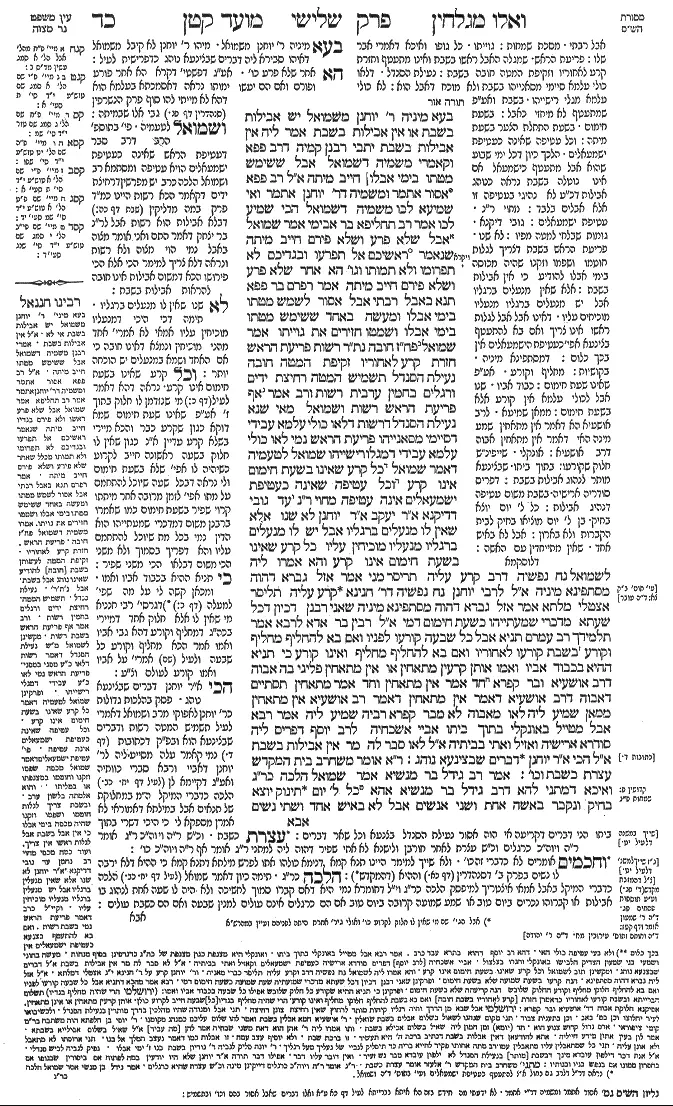
Mo'ed Katan 24a - Guemara
בעא מיניה ר' יוחנן משמואל יש אבילות בשבת או אין אבילות בשבת אמר ליה אין אבילות בשבת יתבי רבנן קמיה דרב פפא וקאמרי משמיה דשמואל אבל ששימש מטתו בימי אבלו חייב מיתה א"ל רב פפא אסור אתמר ומשמיה דר' יוחנן אתמר ואי שמיעא לכו משמיה דשמואל הכי שמיע לכו אמר רב תחליפא בר אבימי אמר שמואל אבל שלא פרע ושלא פירם חייב מיתה שנאמר (ויקרא י, ו) ראשיכם אל תפרעו ובגדיכם לא תפרומו ולא תמותו וגו' הא אחר שלא פרע ושלא פירם חייב מיתה אמר רפרם בר פפא תנא באבל רבתי אבל אסור לשמש מטתו בימי אבלו ומעשה באחד ששימש מטתו בימי אבלו ושמטו חזירים את גוייתו אמר שמואל פח"ז חובה נת"ר רשות פריעת הראש חזרת קרע לאחוריו זקיפת המטה חובה נעילת הסנדל תשמיש המטה רחיצת ידים ורגלים בחמין ערבית רשות ורב אמר אף פריעת הראש רשות ושמואל מאי שנא נעילת הסנדל דרשות דלאו כולי עלמא עבידי דסיימי מסאנייהו פריעת הראש נמי לאו כולי עלמא עבידי דמגלו רישייהו שמואל לטעמיה דאמר שמואל כל קרע שאינו בשעת חימום אינו קרע וכל עטיפה שאינה כעטיפת ישמעאלים אינה עטיפה מחוי ר"נ עד גובי דדיקנא א"ר יעקב א"ר יוחנן לא שנו אלא שאין לו מנעלים ברגליו אבל יש לו מנעלים ברגליו מנעליו מוכיחין עליו כל קרע שאינו בשעת חימום אינו קרע והא אמרו ליה לשמואל נח נפשיה דרב קרע עליה תריסר מני אמר אזל גברא דהוה מסתפינא מיניה א"ל לרבי יוחנן נח נפשיה דר' חנינא קרע עליה תליסר אצטלי מלתא אמר אזל גברא דהוה מסתפינא מיניה שאני רבנן דכיון דכל שעתא מדכרי שמעתייהו כשעת חימום דמי א"ל רבין בר אדא לרבא אמר תלמידך רב עמרם תניא אבל כל שבעה קורעו לפניו ואם בא להחליף מחליף וקורע בשבת קורעו לאחוריו ואם בא להחליף מחליף ואינו קורע כי תניא ההיא בכבוד אביו ואמו אותן קרעין מתאחין או אין מתאחין פליגי בה אבוה דרב אושעיא ובר קפרא חד אמר אין מתאחין וחד אמר מתאחין תסתיים דאבוה דרב אושעיא דאמר אין מתאחין דאמר רב אושעיא אין מתאחין ממאן שמיע ליה לאו מאבוה לא מבר קפרא רביה שמיע ליה אמר רבא אבל מטייל באונקלי בתוך ביתו אביי אשכחיה לרב יוסף דפריס ליה סודרא ארישיה ואזיל ואתי בביתיה א"ל לאו סבר לה מר אין אבילות בשבת א"ל הכי א"ר יוחנן דברים שבצינעא נוהג:
ר"א אומר משחרב בית המקדש עצרת כשבת וכו':
אמר רב גידל בר מנשיא אמר שמואל הלכה כר"ג ואיכא דמתני להא דרב גידל בר מנשיא אהא כל ל' יום תינוק יוצא בחיק ונקבר באשה אחת ושני אנשים אבל לא באיש אחד ושתי נשים
Comments from Rashi on Masechet Mo'ed Katan Page 24a
אבל רבתי . מסכת שמחות: גוייתו . כל גופו ואיכא דאמרי אבר שלו: פריעת הראש . שמגלה האבל ראשו בשבת ואינו מתעטף וחזרת קרע לאחוריו וזקיפת המטה חובה בשבת: נעילת הסנדל . דלאו כולי עלמא סיימי מסאנייהו בשבת ולא מוכח דאבל הוא: לא כולי עלמא מגלי רישייהו . בשבת ואע"פ שמתעטף לא מיחזי כאבל: בשעת חימום . בשעת התחלת הצער בשעת מיתה: וכל עטיפה שאינה כעטיפת ישמעאלים . הלכך כיון דכל ימי שבוע שהוא אבל מתעטף כישמעאל אם אינו נוטלה בשבת נראה כנוהג אבילות דכ"ע לא נהיגי בעטיפה זו אלא אבלים בלבד: מחוי ר"נ . עטיפת ישמעאלים: גובי דיקנא . גומות שבלחי למטה מפיו: לא שנו . פריעת הראש בשבת דצריך לגלות חוטמו ושפמו וזקנו שהיה מכוסה בימי אבלו להודיע כי אין אבילות בשבת: אלא שאין מנעלים ברגליו אבל יש מנעלים ברגליו מנעליו מוכיחים עליו . דאינו אבל אבל לגלות ראשו אינו צריך ואם בא להתעטף בצינעא אפי' כעטיפת הישמעאלים אין בכך כלום: דמסתפינא מיניה . בקושיות: מחליף וקורע . אע"פ שאינו שעת חימום: כבוד אביו . שנו אבל לכולי עלמא אין קורע אלא בשעת חימום: ממאן שמיעא . לרב אושעיא הא דאמר אין מתאחין שמע מינה האי דאמר אין מתאחין אבוה דרב אושעיא: אונקלי . שייפינ"ש חלוק שקורעו: בתוך ביתו . שבצינעא מותר לנהוג אבילות בשבת: דפריס סודריה ארישיה . בשבת משום עטיפה דנהיג אבילות: כל ל' יום יוצא בחיק . בן ל' יום מוציאו בחיק לבית הקברות ולא בארון: אבל לא באיש אחד . שאין מתייחדין עם האשה:
Comments from Tosafot - Mo'ed Katan 24a
בעא מיניה ר' יוחנן משמואל. מיהו ר' יוחנן לא קיבל משמואל דאיהו סבירא ליה דברים שבצינעא נוהג כדפרישית לעיל: הא אחר שלא פרע כו'. אע"ג דפשטי' דקרא הא אחר פורע ופורם ואם הם יעשו ימותו נראה דאסמכתא בעלמא הוא דהא לא מייתי להו סוף פרק הנשרפין (סנהדרין דף פג.) גבי אלו שבמיתה: ושמואל לטעמיה. פי' בתוספ' הרב דרב סבר דעטיפת הראש שאינה כעטיפת ישמעאלים הויא עטיפה ומסתמא רב ושמואל הלכה כרב יש מפרשין דרחיצת ידים דקאמר הכא רשות היינו כמ"ד פרק במה מדליקין (שבת דף כה:) דבלא אבילות הוא רשות אבל לר"נ בר יצחק דאמר התם ואני אומר מצוה באבל נמי הוי מצוה ולא רשות ונראה דלא צריך למימר הכי אלא הכי פירושו הכא דמשום אבילות אינו חובה להראות אבילות בשבת: לא שנו שאין לו מנעלים ברגליו. תימה דכי היכי דמנעליו מוכיחין עליו אמאי לא אמרי' אחד מהני מוכיחין ונמצא דאינו חובה כי אם האחד ושמא במנעלים יש הוכחה יותר: וכל קרע שאינו בשעת חימום אינו קרע. נראה דהא דאמר לעיל (מועד קטן דף כ:) מי שנזדמן לו חלוק בתוך ז' אע"פ שאינו שעת חימום שמא דוקא כגון שקרע כבר והכא מיירי בשלא קרע עדיין א"נ כגון שאין לו חלוק בשעה ראשונה חייב לקרוע כשיהיה לו אפי' שלא בשעת חימום ולי נראה דבכל שעה שיוכל להתחמם על מתו אפי' לזמן מרובה אחר מיתתו קרוי שפיר בשעת חימום כמו שאמרו ברבנן משום דמדכרי שמעתייהו הוא הדין נמי בכל מת שיוכל להתחמם עליו והא דפריך בסמוך ולא משני הכי משום דבלאו הכי משני שפיר: כי תניא ההיא בכבוד אביו ואמו. ומכאן קשה לי על מה שפי' למעלה (דף כ:) דגרסי' רבי חנניא מי שאין לו אלא חלוק אחד דמיירי בכה"ג דמחליף וקורע דהא גבי אביו ואמו אמר הכא מחליף וקורע כל שבעה ולעיל (שם) אמרי' על אביו ואמו קורע לעולם וצ"ע: הכי א"ר יוחנן דברים שבצינעא נוהג. פסק בהלכות גדולות כר' יוחנן לאפוקי מרב ושמואל דאמרי לעיל תשמיש המטה רשות ודברים שבצינעא הוא ובפ"ק דכתובות (דף ד.) נמי קאמר עלה מסייע ליה לר' יוחנן דאביי ורבא סברי כוותיה ואע"ג דקיימא לן (לעיל מועד קטן דף יח. כב.) הלכה כדברי המיקל ה"מ במחלוקת של תנאים אבל במילתא דאמוראי לא אמרן מספקא לי כי היכי דשרי בתוך ביתו הני דברים דקריעה אי הוה אסור נעילת הסנדל בצנעא וכל שאר דברים: עצרת כשבת. וכ"ש ר"ה ויוה"כ ר"ג אומר ר"ה ויוה"כ כרגלים וכ"ש עצרת לאחר חורבן ולישנא לא אתי שפיר דהוה ליה למתני ר"ג אומר אף ר"ה ויוה"כ כו': וחכמים אומרים לא כדברי זה כו'. ולא שייך למימר היינו תנא קמא דנימא כולהו אתו לפרש מילתא דתנא קמא כי ההיא דלא ירבה לו נשים בפרק ב' דסנהדרין (דף כא.) וההיא (דהמקדש): הלכה כר"ג. תימה כיון דאמר שמואל (לעיל מועד קטן דף יח. כב.) הלכה כדברי המיקל באבל אמאי איצטריך למיפסק הלכה כר"ג וי"ל דחומרא נמי היא דאם קברו סמוך לחשיכה ולא היה לו שעה אחת לנהוג בו אבילות או קברוהו נכרים ביום טוב או שמע שמועה קרובה ביום טוב אם הם כרגלים אינם עולים למנין שבעה ואם הם כשבת עולים:
Mo'ed Katan 24a - Mishnah translated into english
Rabbi Yoḥanan asked of Shmuel: Is there some mourning on Shabbat or is there no mourning on Shabbat at all? He said to him: There is no mourning on Shabbat at all.
The Sages sat before Rav Pappa and said in the name of Shmuel: A mourner who engaged in sexual relations during his days of mourning is liable to receive the death penalty at the hand of Heaven. Rav Pappa said to them: It was said that sexual relations are prohibited, but not that the offender is guilty of a capital crime. And the ruling was said in the name of Rabbi Yoḥanan, and not in the name of Shmuel.
And if you heard a statement on this issue in the name of Shmuel, then you heard as follows: Rav Taḥlifa bar Avimi said that Shmuel said: A mourner who did not let his hair grow wild and did not rend his garments is liable to receive the death penalty at the hand of Heaven, as it is stated following the deaths of Nadab and Abihu concerning the surviving sons of Aaron: “Let not the hair of your heads go loose, neither rend your clothes, that you not die” (Leviticus 10:6). They were instructed not to mourn, so as not to interfere with the dedication of the Tabernacle. From here it may be deduced that any other mourner who did not let his hair grow wild or rend his clothes is liable to receive the death penalty.
Rafram bar Pappa said: A Sage taught in Evel Rabbati, a separate tractate devoted to the halakhot of mourning: A mourner is prohibited from engaging in sexual relations during his days of mourning. There was an incident with one who engaged in sexual relations during his days of mourning and he was punished, for after his death pigs dragged away his corpse.
Shmuel offered a mnemonic device with regard to the observance of mourning rites on Shabbat, and said: Peh, ḥet, zayin are obligatory. These letters combine to create a mnemonic standing for: Uncovering the head [periat rosh], reversing the torn garment [ḥazarat kera], and standing the bed upright [zekifat hamitta]. However, nun, tav, reish, which stand for: Wearing shoes [ne’ilat hasandal], marital relations [tashmish hamitta], and hand washing [reḥitzat yadayim], are optional.
This is explained: Uncovering the head, i.e., removing the head covering usually worn by a mourner; reversing the tear to the back, so that it will not be visible; and standing the bed upright in the usual position, so that it is not overturned, are all obligatory for the mourner to uphold in honor of Shabbat. However, wearing shoes, engaging in sexual relations, and washing one’s hands and feet in hot water in the evening are optional activities on Shabbat. If a mourner wishes to refrain from them he may do so. And Rav said: Uncovering the head is also an optional activity.
The Gemara asks: According to Shmuel, what is different about wearing shoes that it is optional? His reasoning presumably is that not everyone wears shoes at all times, and therefore not wearing shoes will not be perceived by others as a sign of mourning. If so, the same thing may be said about uncovering the head also, i.e., not everyone uncovers his head at all times, as some people always walk around with their heads wrapped. This, too, should not be seen as a clear display of mourning, and therefore uncovering one’s head should also be treated as optional.
The Gemara answers: Shmuel conforms to his standard line of reasoning, for Shmuel said: Any rending of garments that is not done at the time of the most intense grief, i.e., the time of death, is not considered proper rending of garments. And any wrapping of the head that is not done in the manner of the wrapping of the Ishmaelites, who wrap their heads on all sides, is not considered proper wrapping. Since Shmuel requires that a mourner wrap his head in this special manner, one who acts in this way on Shabbat openly displays his mourning, as people do not ordinarily wrap their heads in this manner. What is this wrapping? Rav Naḥman demonstrated the procedure by covering up his face to the sides of the beard, leaving only the center of his face exposed.
Rabbi Ya’akov said that Rabbi Yoḥanan said: They taught that a mourner is required to remove his head covering on Shabbat only when he has no shoes on his feet, so that he not appear too obviously to be in mourning. But if he has shoes on his feet, then his shoes prove that he is not observing the rites of mourning on Shabbat.
The Gemara returns to Shmuel’s statement that any rending of garments that is not done at the time of most intense grief and pain is not considered proper rending of garments. The Gemara poses a question: But when they said to Shmuel that Rav had passed away, he rent twelve garments on account of him, and said: The man of whom I was in fear, owing to his great learning, has gone and died. Similarly, when they told Rabbi Yoḥanan that Rabbi Ḥanina had passed away, he rent thirteen expensive wool [mileta] garments [itztelei] on account of him, and said: The man of whom I was in fear has gone. When each of these Sages received the news that their distinguished colleague had died, it was no longer the time of the most intense grief, i.e., the time of death, and yet they rent their garments.
The Gemara answers: The Sages are different. Since their teachings are mentioned all the time, every time they are mentioned is like the time of most intense grief, as the pain over their death is once again renewed.
Ravin bar Adda said to Rava: Your student, Rav Amram, said that it is taught in a baraita as follows: For all seven days of mourning, a mourner must keep the tear in his garment before him so that it will be seen. And if he comes to change clothing, he changes and rends the new garment. On Shabbat, he turns the tear to his back, and if he comes to change clothing, he changes but does not tear the second garment. From here it seems that there is an obligation to rend garments during the entire week of mourning, not only at the most intense moment of grief.
The Gemara answers: When that baraita is taught, it is referring to the specific case of rending one’s garment in honor of his father or mother. Owing to the special honor due to one’s parents, it is inappropriate for the child to wear a garment that is not torn. Consequently, if he changes clothing, he must tear the new garment, even if it is no longer the most intense time of grief.
The Gemara asks: Those additional tears that are made in honor of one’s father or mother, may they be properly mended at the end of the son’s period of mourning, or may they not be properly mended, like the tear made for one’s father or mother at the most intense moment of grief? The Gemara answers: They disagree about this issue, the father of Rav Oshaya and bar Kappara. One said: They may not be mended, and one said: They may be mended.
The Gemara comments: Conclude that it was Rav Oshaya’s father who said that such rents may not be properly mended, for Rav Oshaya said: Such rents may not be properly mended. From whom did he hear this halakha? Was it not from his father? The Gemara rejects this argument: No, this cannot be offered as a proof, as perhaps he heard it from bar Kappara, who was his teacher.
§ Rava said: A mourner may walk about his house in a torn robe [unkali] on Shabbat, since he is not doing so in public. It was related that Abaye found Rav Yosef walking back and forth in his house on Shabbat when he was in mourning with a scarf spread over his head in the manner of mourning. He said to him: Master, do you not maintain that there is no mourning on Shabbat? He said to him: This is what Rabbi Yoḥanan said: Matters that are in private apply, and so when one is in his house he must observe the rites of mourning even on Shabbat.
§ The mishna taught: Rabbi Eliezer says: Since the Temple was destroyed, Shavuot is like Shabbat with regard to mourning. Rabban Gamliel says: Even Rosh HaShana and Yom Kippur are considered like Festivals. The Gemara comments that Rav Giddel bar Menashya said that Shmuel said: The halakha is in accordance with the opinion of Rabban Gamliel.
And some teach this ruling of Rav Giddel bar Menashya as referring to the following case: It is taught in a baraita: Within the first thirty days after birth, an infant that dies is taken out for burial in one’s bosom, that is to say, he is carried to his grave in one’s arms, not in a coffin. And he is buried by one woman and two men, there being no need for a quorum of ten men. But he should not be taken out by one man and two women, because it is prohibited for one man to seclude himself with two women.
Traduction : The William Davidson digital edition of the Koren Noé Talmud, with commentary by Rabbi Adin Even-Israel Steinsaltz.