 Talmud Bavli
Mo'ed Katan 15a : Youtube
Daf TubeYoutube
3 video classes :
Mo'ed Katan Page 15a
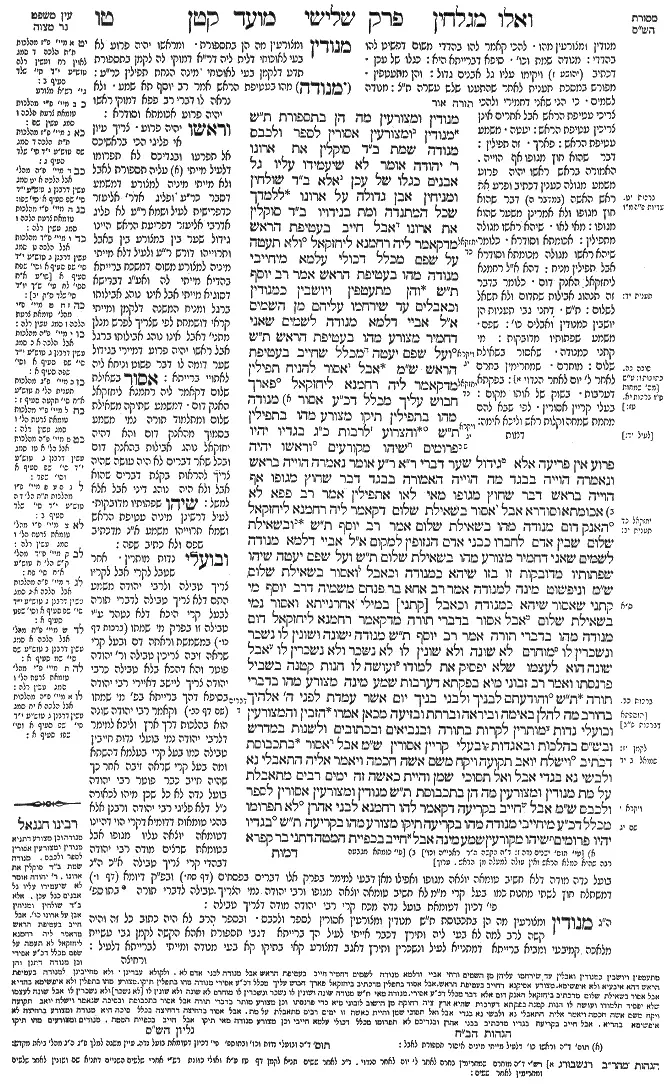
Mo'ed Katan 15a - Guemara
מנודין ומצורעין מה הן בתספורת ת"ש מנודין ומצורעין אסורין לספר ולכבס מנודה שמת ב"ד סוקלין את ארונו ר' יהודה אומר לא שיעמידו עליו גל אבנים כגלו של עכן אלא ב"ד שולחין ומניחין אבן גדולה על ארונו ללמדך שכל המתנדה ומת בנידויו ב"ד סוקלין את ארונו אבל חייב בעטיפת הראש מדקאמר ליה רחמנא ליחזקאל (יחזקאל כד, יז) ולא תעטה על שפם מכלל דכולי עלמא מיחייבי מנודה מהו בעטיפת הראש אמר רב יוסף ת"ש והן מתעטפין ויושבין כמנודין וכאבלים עד שירחמו עליהם מן השמים א"ל אביי דלמא מנודה לשמים שאני דחמיר מצורע מהו בעטיפת הראש ת"ש (ויקרא יג, מה) ועל שפם יעטה מכלל שחייב בעטיפת הראש ש"מ אבל אסור להניח תפילין מדקאמר ליה רחמנא ליחזקאל (יחזקאל כד, יז) פארך חבוש עליך מכלל דכ"ע אסור מנודה מהו בתפילין תיקו מצורע מהו בתפילין ת"ש (ויקרא יג, מה) והצרוע לרבות כ"ג בגדיו יהיו פרומים שיהו מקורעים (ויקרא יג, מה) וראשו יהיה פרוע אין פריעה אלא גידול שער דברי ר"א ר"ע אומר נאמרה הוייה בראש ונאמרה הוייה בבגד מה הוייה האמורה בבגד דבר שחוץ מגופו אף הוייה בראש דבר שחוץ מגופו מאי לאו אתפילין אמר רב פפא לא אכומתא וסודרא אבל אסור בשאילת שלום דקאמר ליה רחמנא ליחזקאל (יחזקאל כד, יז) האנק דום מנודה מהו בשאילת שלום אמר רב יוסף ת"ש ובשאילת שלום שבין אדם לחברו כבני אדם הנזופין למקום א"ל אביי דלמא מנודה לשמים שאני דחמיר מצורע מהו בשאילת שלום ת"ש ועל שפם יעטה שיהו שפתותיו מדובקות זו בזו שיהא כמנודה וכאבל ואסור בשאילת שלום ש"מ וניפשוט מינה למנודה אמר רב אחא בר פנחס משמיה דרב יוסף מי קתני שאסור שיהא כמנודה וכאבל [קתני] במילי אחרנייתא ואסור נמי בשאילת שלום אבל אסור בדברי תורה מדקאמר רחמנא ליחזקאל דום מנודה מהו בדברי תורה אמר רב יוסף ת"ש מנודה שונה ושונין לו נשכר ונשכרין לו מוחרם לא שונה ולא שונין לו לא נשכר ולא נשכרין לו אבל שונה הוא לעצמו שלא יפסיק את למודו ועושה לו חנות קטנה בשביל פרנסתו ואמר רב זבוני מיא בפקתא דערבות שמע מינה מצורע מהו בדברי תורה ת"ש (דברים ד, ט) והודעתם לבניך ולבני בניך יום אשר עמדת לפני ה' אלהיך בחורב מה להלן באימה וביראה וברתת ובזיעה מכאן אמרו הזבין והמצורעין ובועלי נדות מותרין לקרות בתורה ובנביאים ובכתובים ולשנות במדרש ובש"ס בהלכות ובאגדות ובעלי קריין אסורין ש"מ אבל אסור בתכבוסת דכתיב (שמואל ב יד, ב) וישלח יואב תקועה ויקח משם אשה חכמה ויאמר אליה התאבלי נא ולבשי נא בגדי אבל ואל תסוכי שמן והיית כאשה זה ימים רבים מתאבלת על מת מנודין ומצורעין מה הן בתכבוסת ת"ש מנודין ומצורעין אסורין לספר ולכבס ש"מ אבל חייב בקריעה דקאמר להו רחמנא לבני אהרן (ויקרא י, ו) לא תפרומו מכלל דכ"ע מיחייבי מנודה מהו בקריעה תיקו מצורע מהו בקריעה ת"ש (ויקרא יג, מה) בגדיו יהיו פרומים שיהו מקורעין שמע מינה אבל חייב בכפיית המטה דתני בר קפרא
Comments from Rashi on Masechet Mo'ed Katan Page 15a
מנודין ומצורעין מהו . להכי קאמר להו בהדדי משום דפשיט להו בהדדי: מנודה שמת וכו' . סיפא דברייתא היא: כגלו של עכן . דכתיב (יהושע ז) ויקימו עליו גל אבנים גדול: והן מתעטפין . מפורש במסכת תענית לאחר שהתענו שלש עשרה ת"צ: מנודה לשמים . כי הני שאני דחמירי ולהכי צריכי עטיפת הראש אבל אחרים אינן צריכין עטיפת הראש: יעטה . משמע עטיפת הראש: פארך . זה תפילין: דבר שהוא חוץ מגופו אף הוייה . האמורה בראש ראשו יהיה פרוע משמע מגולה כענין דכתיב ופרע את ראש האשה (במדבר ה) דבר שהוא חוץ מגופו ולא אמרינן משער שהוא מגופו: מאי לאו . שיהא ראשו מגולה מתפילין: אכומתא וסודרא . כלומר שיהא ראשו מגולה מכומתא וסודרא אבל תפילין מניח: דהא א"ל רחמנא ליחזקאל האנק דום . כלומר בדבר זה תנהוג אבילות שתדום ולא תשאל לשלום: ת"ש . דתני גבי תעניות הן יושבין כמנודין ואבלים כו': שפם . משמע שפתותיו מדובקות: מי קתני כמנודה . שאסור בשאילת שלום: מוחרם . שמחרימין בחרם לאחר ל' יום לאחר הנדוי: בפקתא דערבות . בשוק של אותו מקום: בעלי קריין אסורין . לפי שבא להם מחמת שמחה וקלות ראש וליכא אימה:
Comments from Tosafot - Mo'ed Katan 15a
מנודין ומצורעין מה הן בתספורת. ומראשו יהיה פרוע לא בעי לאוכוחי דלית ליה דר"א דמוקי לה לקמן בתספורת תדע דלקמן בעי לאוכוחי מינה הנחת תפילין כר"ע: (.מנודה) מהו בעטיפת הראש אמר רב יוסף תא שמע. ולא נראה לו דברי ר' פפא דמוקי ראשו יהיה פרוע אכומתא וסודרא: וראשו יהיה פרוע. צריך עיון אי פליגי הכי בראשיכם אל תפרעו ובגדיכם לא תפרומו דלעיל מייתי עליה תספורת לאבל ולא מייתי מיניה למצורע דמשמע דסבר כר"ע ופליג אדר' אליעזר כדפרישית לעיל ושמא ר"ע לא פליג אדרבי אליעזר דפריעת הראש היינו גידול שער בין במצורע בין באבל ותרוייהו דורש ר"ע ולעיל דלא מייתי מיניה למצורע משום דמשכח ברייתא בהדיא מייתי לה ואע"ג דברישא דסוגיא מייתי אבל אינו נוהג אבילותו ברגל ומניח המשנה דלקמן ומייתי קראי דושמחת לפי שצריך לפרש מנלן מתני' דאבל אינו נוהג אבילותו ברגל אבל ראשו יהיה פרוע דמיירי בגידול שער דומה לו דבר פשוט וניחא ליה לאתויי ברייתא: אסור בשאילת שלום דקאמר ליה רחמנא ליחזקאל האנק דום. דמשמע שתיקה משאילת שלום ומתלמוד תורה נמי משמע בסמוך מהאנק דום והא דהיה יחזקאל נוהג אבילות בהאנק דום ובכל שאר דברים לא היה עושה שהיה צריך להראות בקצת דברים שהוא אבל ולא היה נוהג דיני אבל אלא למשל: שיהו שפתותיו מדובקות. לעיל דרשינן מיניה עטיפת הראש ושמא תרוייהו משמע א"נ מדכתיב שפם ולא כתיב שפה: ובועלי נדות מותרין. אחר שטבל לקרי אבל לקריו צריך טבילה ולרבי יהודה משמע התם דלא צריך טבילה לדברי תורה לבעל קרי היכא דלא נטהר ע"י טבילה זו בפרק מי שמתו (ברכות דף כו.) במשמשת וראתה דם ובעל קרי שראה זיבה צריכין טבילה ור' יהודה פוטר והא דהכא בלא טבילה כרבי יהודה צריך ליישב דאיירי רבי יהודה בסיפא דהך ברייתא בפ' מי שמתו (שם דף כב.) וקאמר רבי יהודה שונה הוא בהלכות דרך ארץ וליכא למימר דלרבי יהודה נמי בועלי נדות חייבין טבילה כמו בעל קרי בעלמא דהשתא ומה בעל קרי שראה זיבה אחר כך שהיה חייב כבר פוטר רבי יהודה בועל נדה לא כל שכן מיהו לכאורה נ"ל דלא פליגי רבי יהודה ורבנן אלא בהני טומאות דדומיא דקרי הוי דהיינו דטומאה יוצאה עליו מגופו אבל בטומאת שרצים מודה רבי יהודה דבהדי קרי צריך טבילה א"כ ה"נ בועל נדה מודה דלא חשיב טומאה יוצאה מגופו ואפילו מאן דבעי למימר בפרק אלו דברים בפסחים (דף סח.) ובפ"ק דיומא (דף ו.) דמשתלח חוץ לשתי מחנות כמו בעל קרי מ"מ לא חשיב טומאה יוצאה מגופו ורבי יהודה נמי הצריך טבילה לדברי תורה בתוספ' פי' דכיון דטומאת בועל נדה מכח קרי רבי יהודה מודה דצריך טבילה: ה"ג מנודין ומצורעין מה הן בתכבוסת ת"ש מנודין ומצורעין אסורין לספר ולכבס. ובספר הרב לא היה כתוב כל זה והיה קשה לרב למה לא בעי ליה ותירץ דכבר אייתי לעיל הך ברייתא דגבי תספורת ואהא הקשה לקמן גבי עשיית מלאכה קמיבעי ומביא ברייתא דמתנייא לעיל ונשכרין ותירץ דאגב דמצורע קאי בתיקו קא בעי מנודה ומייתי לברייתא דלעיל:
Mo'ed Katan 15a - Mishnah translated into english
The Gemara asks: What is the halakha governing those who are ostracized and lepers, with regard to a haircut? The Gemara answers: Come and hear that which was taught in a baraita: Those who are ostracized and lepers are prohibited from cutting their hair and laundering their clothes.
It was further taught there: If one who is ostracized dies, the court places stones on his coffin. Rabbi Yehuda says: This does not mean that they pile up a heap of stones over him like the heap of stones that was placed over the grave of Achan (see Joshua 7:26). Rather, the court sends its agents, who place a large stone on his coffin as a symbolic gesture. This comes to teach you that anyone who is ostracized and dies while in his period of ostracism, without seeking to be released from it, the court places stones on his coffin.
§ The Gemara continues: A mourner is obligated to wrap his head as a sign of mourning, covering his head and face. This is derived from the fact that the Merciful One says to Ezekiel, while he is in mourning: “And cover not your upper lip” (Ezekiel 24:17). God commands Ezekiel not to display outward signs of mourning, which proves by inference that everyone else is obligated to wrap their heads in this manner.
The Gemara asks: What is the halakha governing a person who is ostracized, with regard to wrapping of the head? Rav Yosef said: Come and hear that which was taught in a baraita about those who were fasting for rain and whose prayers were not answered: And they wrap themselves and sit as those who are ostracized and as mourners, until they are shown mercy from Heaven. This implies that those who are ostracized must wrap their heads like mourners. Abaye said to him: Perhaps one who is ostracized by Heaven is different, as that is more serious than being ostracized by an earthly court.
The Gemara continues and asks: What is the halakha in the case of a leper with regard to wrapping of the head? Come and hear a proof based upon the verse: “And he shall cover his upper lip” (Leviticus 13:45), from which it may be learned by inference that he is obligated to wrap his head. The Gemara concludes: Indeed, learn from here that this is the case.
§ The Gemara moves on to another halakha: A mourner is prohibited from donning phylacteries. This is derived from the fact that the Merciful One says to Ezekiel, while he is in mourning: “Bind your headwear [pe’er] upon yourself” (Ezekiel 24:17). The word pe’er alludes to phylacteries. Ezekiel was unique in that he was commanded to put on phylacteries while in mourning, which proves by inference that everyone else is prohibited from doing so.
The Gemara asks: What is the halakha governing one who is ostracized, with regard to phylacteries? The dilemma shall stand unresolved. The Gemara proceeds to its next question: What is the halakha in the case of a leper with regard to phylacteries? The Gemara suggests: Come and hear a proof from the following baraita: The verse states: “And the leper” (Leviticus 13:45); as explained earlier, this comes to include the High Priest in all the halakhot of the leper. The verse states there: “His garments shall be perumim,” meaning that they shall be rent. The verse continues: “And his head shall be parua,” and this peria means only growing the hair long; this is the statement of Rabbi Eliezer.
Rabbi Akiva says: The meaning of these terms is derived through a verbal analogy. The verse states a form of the verb being, with regard to one’s head in the verse: “His head shall be,” teaching that a leper must perform a certain action with his head. And the verse states a form of the verb being with regard to a leper’s garment, in the verse: “His garment shall be.” Just as the term being stated with regard to his garment is referring to an object external to his body, so too, the term being used with regard to his head is referring to an object external to his body. The Gemara derives from this: What, is it not referring to phylacteries, and the verse teaches that it is prohibited for a leper to wear phylacteries?
Rav Pappa said: No, there is no proof from here, as the verse may be referring to a cap [kumta] or a scarf [sudara], which people wear on their heads. It is possible to explain that according to Rabbi Akiva, it is prohibited for a leper to wear such headwear because it is excessive adornment.
§ The Gemara continues: A mourner is prohibited from greeting others or being greeted. This is derived from the fact that the Merciful One says to Ezekiel: “Sigh in silence” (Ezekiel 24:17), implying that aside from what was absolutely essential, he was prohibited from speaking.
The Gemara asks: What is the halakha governing one who is ostracized with regard to greeting others? Rav Yosef said: Come and hear a proof from a baraita dealing with those who were fasting for rain and whose prayers were not answered. These people were prohibited from greeting one another, as people who are reprimanded by the Omnipresent. This indicates that those who are ostracized must not greet each other, just as mourners may not greet each other. Abaye said to him: Perhaps one who is ostracized by Heaven is different, as that is more serious than being ostracized by an earthly court.
The Gemara continues and asks: What is the halakha concerning a leper with regard to greeting others? The Gemara suggests: Come and hear a proof from the following baraita: The verse states: “And he shall cover his upper lip” (Leviticus 13:45). This means that his lips should be stuck together, that he should be like one who is ostracized and like a mourner, and he is prohibited from greeting others or being greeted. The Gemara concludes: Indeed, learn from this that this is so.
The Gemara asks: If this is the case, then we should also resolve the question asked above with regard to one who is ostracized and say that such a person is prohibited from offering greetings. Rav Aḥa bar Pineḥas said in the name of Rav Yosef: Does it explicitly teach that a leper is prohibited from greeting others, like one who is ostracized? It teaches only that he should be treated like one who is ostracized and like a mourner, i.e., he should be like them with regard to other things, and that he is also prohibited from greeting others. This being the case, no proof can be derived from here with regard to whether or not one who is ostracized may offer greetings.
§ The Gemara moves on to a new topic: A mourner is prohibited from studying words of Torah. This prohibition is derived from the fact that the Merciful One says to Ezekiel: “Sigh in silence” (Ezekiel 24:17). Ezekiel was commanded to be silent and not discuss even Torah matters.
The Gemara asks: What is the halakha concerning one who is ostracized with regard to speaking words of Torah? Rav Yosef said: Come and hear that which was taught in the following baraita: One who is ostracized may teach Torah to others, and others may teach him Torah. Similarly, he may be hired for work by others, and others may be hired by him.
One who has been excommunicated, which is a more severe form of ostracism, may not teach Torah to others and others may not teach him. He may not be hired by others, and others may not be hired by him. However, he may study by himself, so that he will not interrupt his study entirely and forget everything he knows. And he may build a small store for his livelihood, so that he can earn enough money to cover his most basic needs, but not more.
And Rav said: What is the small store referred to here? This is referring to selling water in the valley of Aravot, where no water was to be found. One selling water there could earn a small income. The Gemara concludes: Indeed, learn from this baraita that one who is ostracized is permitted to study Torah.
The Gemara asks: What is the halakha with regard to a leper speaking words of Torah? The Gemara answers: Come and hear that which is taught in a baraita: It is written: “And you shall impart them to your children and your children’s children; the day that you stood before the Lord your God in Horeb” (Deuteronomy 4:9–10). Just as there, the revelation at Sinai was in reverence, fear, and trembling, so too, here, in every generation, Torah must be studied in a similar fashion.
From here the Sages stated: Zavim, lepers, and those who had intercourse with menstruating women despite their severe ritual impurity are permitted to read the Torah, Prophets, and Writings, and to study midrash, Talmud, halakhot, and aggada. But those who experienced a seminal emission are prohibited from doing so. The reason for this distinction is that the cases of severe impurity are caused by ailment or other circumstances beyond one’s control; as a result, they do not necessarily preclude a sense of reverence and awe as one studies Torah. However, a seminal emission usually occurs due to frivolity and a lack of reverence and awe, and it is therefore inappropriate for one who experiences a seminal emission to engage in matters of Torah. The Gemara concludes: Indeed, learn from this that a leper is permitted to study words of Torah.
§ The Gemara proceeds to discuss another issue: A mourner is prohibited from laundering his clothes, as it is written: “And Joab sent to Tekoa, and fetched from there a wise woman, and said to her, I pray you, feign yourself to be a mourner, and put on now mourning apparel, and do not anoint yourself with oil, but be as a woman that had a long time mourned for the dead” (II Samuel 14:2).
The Gemara asks: What is the halakha concerning laundering with regard to those who are ostracized or lepers? Come and hear that which is taught in a baraita: Those who are ostracized or lepers are prohibited from cutting their hair or laundering their clothes. The Gemara concludes: Indeed, learn from here that they are prohibited from laundering their clothes.
The Gemara continues: A mourner is obligated to rend his clothes. This is derived from the fact that the Merciful One says to the sons of Aaron: “Neither rend your clothes” (Leviticus 10:6), which proves by inference that everyone else, all other mourners, are obligated to rend their clothes.
The Gemara asks: What is the halakha of rending clothes with regard to one who is ostracized? No answer is found, and the question shall stand unresolved.
The Gemara continues: What is the halakha concerning a leper with regard to rending? Come and hear that which is taught in the following baraita: The verse states: “His garments shall be rent” (Leviticus 13:45), meaning that they shall be torn. The Gemara concludes: Indeed, learn from here that this is the case.
§ The Gemara moves to a different issue: A mourner is obligated to overturn his bed, so that he sleeps on the underside of it, as bar Kappara taught a baraita that states:
Traduction : The William Davidson digital edition of the Koren Noé Talmud, with commentary by Rabbi Adin Even-Israel Steinsaltz.