 Talmud Bavli
Nazir 46a : Youtube
Daf TubeYoutube
2 video classes :
Nazir Page 46a
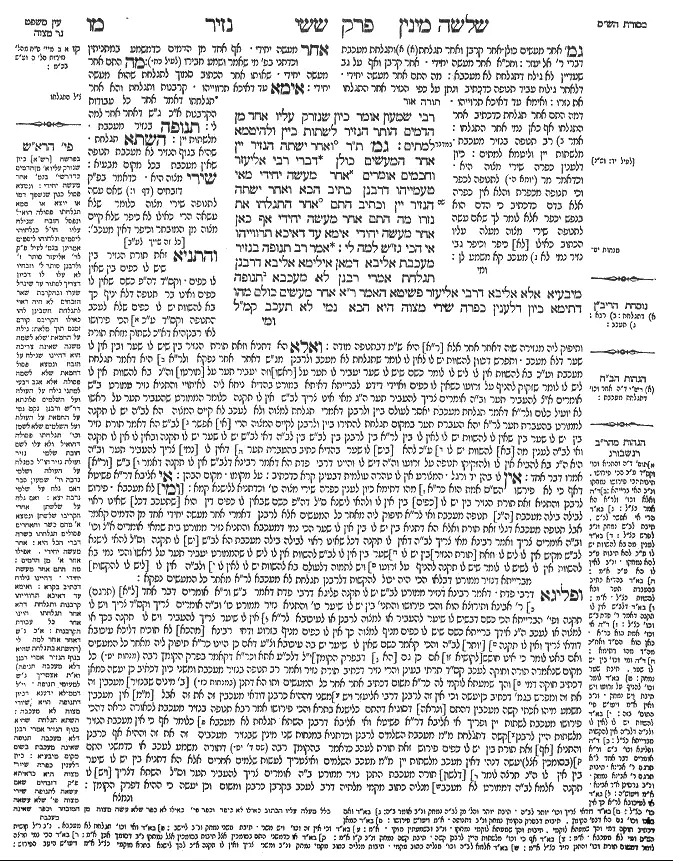
Nazir 46a - Guemara
רבי שמעון אומר כיון שנזרק עליו אחד מן הדמים הותר הנזיר לשתות ביין ולהיטמא למתים:
גמ׳ ת"ר (במדבר ו, כ) ואחר ישתה הנזיר יין אחר המעשים כולן דברי רבי אליעזר וחכמים אומרים אחר מעשה יחידי מאי טעמייהו דרבנן כתיב הכא ואחר ישתה הנזיר יין וכתיב התם (במדבר ו, יט) אחר התגלחו את נזרו מה התם אחר מעשה יחידי אף כאן אחר מעשה יחידי אימא עד דאיכא תרווייהו אי הכי גז"ש למה לי:
אמר רב תנופה בנזיר מעכבת אליבא דמאן אילימא אליבא דרבנן תגלחת אמרי רבנן לא מעכבא תנופה מיבעיא אלא אליבא דרבי אליעזר פשיטא האמר ר"א אחר מעשים כולם מהו דתימא כיון דלענין כפרה שירי מצוה היא הכא נמי לא תעכב קמ"ל
Comments from Rashi on Masechet Nazir Page 46a
גמ' אחר מעשים כולן . אחר קרבן ואחר תגלחת ותגלחת מעכבת דברי ר' אליעזר: וחכ"א אחר מעשה יחידי . אחר קרבן ואף על גב שעדיין לא גילח דתגלחת לא מעכבא: מה התם אחר מעשה יחידי . דלאחר גילוח עביד תנופה כדכתיב ונתן על כפי הנזיר אחר התגלחו את נזרו: ואימא עד דאיכא תרוייהו . דמה התם אחר תגלחת כדכתיב אחר התגלחו אף כאן נמי אחר התגלחו: אמר רב תנופה בנזיר מעכבת . מלשתות יין וליטמא למתים: כיון דלענין כפרה שירי מצוה היא . וכדאמר מר (יומא ה.) לתנופה לכפר וכי תנופה מכפרת והלא אין כפרה אלא בדם כדכתיב כי הדם הוא בנפש יכפר אלא לומר לך שאם עשה לתנופה שירי מצוה מעלה עליו הכתוב כאילו כיפר וכיפר גבי נזיר נמי לא מעכב קא משמע לן:
Comments from Tosafot - Nazir 46a
כיון [שנזרק עליו] אחד מן הדמים . כדדרשינן בגמ' אחר מעשה יחידי: אחר מעשה יחידי . אף אחד מן הדמים כדמשמע במתניתין וכדתני בפ' מי שאמר ושמע חבירו (לעיל נזיר כח.): מה התם אחר מעשה יחידי . שאותו אחר הכתוב סמוך לתגלחת שהוא מעשה יחידי: אימא עד דאיכא תרווייהו . קרבנות ותגלחת והא אחר תגלחתו דאמר אחר כל עבודות הקרבנות א"כ ג"ש דאחר אחר למה לי: תנופה בנזיר מעכבת . מלשתות יין: השתא תגלחת . שהיא בגוף הנזיר לא מעכבת תנופה שאין מעכבת בכל מקום מבעיא: שירי מצוה היא . כדאמר בפ"ק דזבחים (דף ו:) שאם עשה לתנופה שירי מצוה כלומר שלא עשאה הרי כאילו לא כיפר שלא קיים מצוה מן המובחר וכיפר דאין מעכב':
Nazir 46a - Mishnah translated into english
Rabbi Shimon says: Once the blood of one of the offerings has been sprinkled on the nazirite’s behalf, the nazirite is permitted to drink wine and to contract ritual impurity imparted by a corpse. The rest of the ritual is not indispensable for his purification.
GEMARA: The Sages taught: It states at the end of the passage dealing with naziriteship: “And after that the nazirite may drink wine” (Numbers 6:20), which means after all the actions, i.e., after he has sacrificed all the offerings and shaved, thereby completing the entire ritual of a nazirite. This is the statement of Rabbi Eliezer. And the Rabbis say: After a single action. He may drink wine after sacrificing one offering, even if he has yet to shave, as shaving is not indispensable for being permitted to drink wine.
The Gemara clarifies: What is the reason of the Rabbis? It is written here: “And after that the nazirite may drink wine,” and it is written there, in the previous verse: “And the priest shall take the cooked foreleg…and place it on the palms of the nazirite after he has shaven his naziriteship” (Numbers 6:19). It is derived by verbal analogy: Just as there the term “after” means after a single action, i.e., shaving, here too, the term “after” means after a single action, sacrificing one offering.
The Gemara asks: Perhaps one can say that a nazirite is not permitted to drink wine until there are both actions, i.e., sacrificing an offering and shaving, as implied by a straightforward reading of the verse. The Gemara answers: If so, why do I need this verbal analogy? It must be teaching that a nazirite can drink wine after the performance of a single action.
§ Rav said: The priest’s lack of waving of the offering of a nazirite precludes the release of the prohibitions of his naziriteship. The Gemara asks: According to whose opinion did Rav state this halakha? If we say that he spoke in accordance with the opinion of the Rabbis, this is difficult, as the Rabbis say that even lack of shaving does not preclude the completion of his naziriteship. Is it necessary, then, to state that waving, which is not indispensable in the case of other offerings, is not essential for the ritual of a nazirite?
Rather, will you say that it is in accordance with the opinion of Rabbi Eliezer, who permits a nazirite to drink wine only after he has completed the entire ritual? This is obvious; didn’t Rabbi Eliezer say that he is permitted to drink wine only after all the actions are completed? The Gemara answers that the statement is necessary, lest you say: Since with regard to the atonement effected by all other offerings, waving is considered a peripheral aspect of the mitzva, i.e., one achieves atonement even if he did not perform the ritual of waving, here too its lack does not preclude the release of a nazirite’s prohibitions. Rav therefore teaches us that according to the opinion of Rabbi Eliezer waving is essential in the case of a nazirite.
Traduction : The William Davidson digital edition of the Koren Noé Talmud, with commentary by Rabbi Adin Even-Israel Steinsaltz.
Nazir 46a : Significance
Next step
Finished studying Nazir 46a? Carry on with the rest of the tractate.
Study Nazir 46bFrequently asked questions: Nazir 46a
Where is Nazir 46a in tractate Nazir?
Nazir 46a is page 89 of 130 in tractate Nazir (Seder Nashim).
When is daf 46 of Nazir studied in Daf Yomi?
Daf Yomi covers one daf a day, both sides. Daf 46 of Nazir will be studied on August 11, 2030.
Is there a video class on Nazir 46a?
Yes, by Daf Tube, Rabbi Dr. Moshe Weisblum. These classes were published on YouTube by their authors and are gathered on this site.
What is tractate Nazir about?
Masechet Nazir is the fourth tractate of the Seder Nashim. The Nazir Gemara is the study of the laws of the Nazir. The Nazir tractate is a gemara that contains 48 chapters.
Your study is also dedicated to them
- L'ilui Nishmat אליעזר בן רחל
- L'ilui Nishmat Jamila bat Chlomo Abensour
- L'ilui Nishmat Amram ben Itshak Loubaton