 Talmud Bavli
Nazir 19a : Youtube
Daf TubeYoutube
2 video classes :
Nazir Page 19a
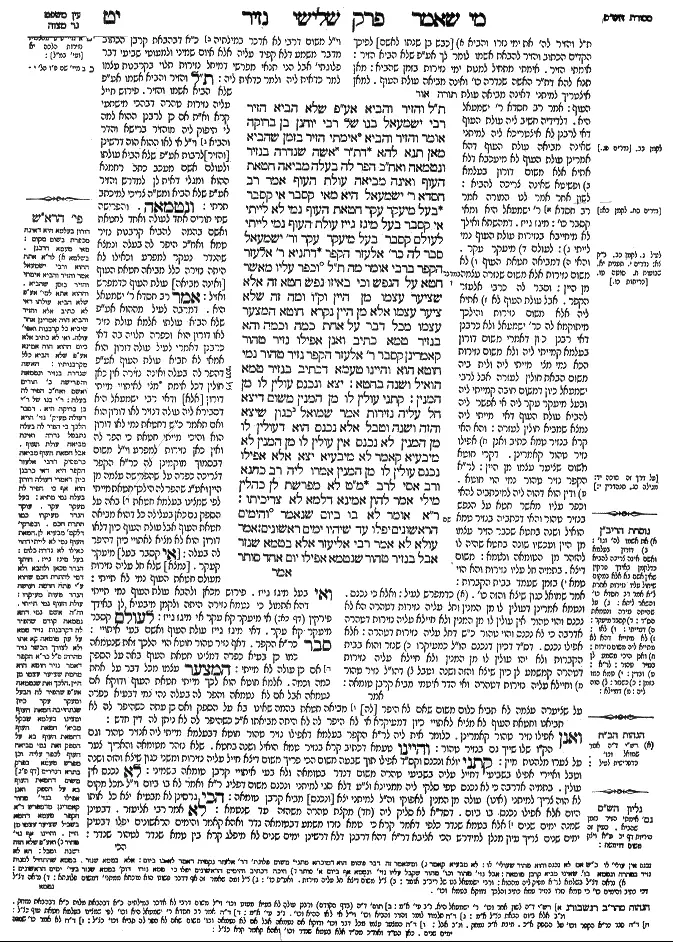
Nazir 19a - Guemara
ת"ל והזיר והביא אע"פ שלא הביא הזיר רבי ישמעאל בנו של רבי יוחנן בן ברוקה אומר והזיר והביא אימתי הזיר בזמן שהביא מאן תנא להא דת"ר אשה שנדרה בנזיר ונטמאה ואח"כ הפר לה בעלה מביאה חטאת העוף ואינה מביאה עולת העוף אמר רב חסדא ר' ישמעאל היא מאי קסבר אי קסבר בעל מיעקר עקר חטאת העוף נמי לא לייתי אי קסבר בעל מיגז גייז עולת העוף נמי לייתי לעולם קסבר בעל מיעקר עקר ור' ישמעאל סבר לה כר' אלעזר הקפר דתניא ר' אלעזר הקפר ברבי אומר מה ת"ל (במדבר ו, יא) וכפר עליו מאשר חטא על הנפש וכי באיזו נפש חטא זה אלא שציער עצמו מן היין וק"ו ומה זה שלא ציער עצמו אלא מן היין נקרא חוטא המצער עצמו מכל דבר על אחת כמה וכמה והא בנזיר טמא כתיב ואנן אפילו נזיר טהור קאמרינן קסבר ר' אלעזר הקפר נזיר טהור נמי חוטא הוא והיינו טעמא דכתיב בנזיר טמא הואיל ושנה בחטא:
יצא ונכנס עולין לו מן המנין:
קתני עולין לו מן המנין משום דיצא חל עליה נזירות אמר שמואל כגון שיצא והזה ושנה וטבל אלא נכנס הוא דעולין לו מן המנין לא נכנס אין עולין לו מן המנין לא מיבעיא קאמר לא מיבעיא יצא אלא אפילו נכנס עולין לו מן המנין אמרו ליה רב כהנא ורב אסי לרב מ"ט לא מפרשת לן כהלין מילי אמר להון אמינא דלמא לא צריכיתו:
ר"א אומר לא בו ביום שנאמר (במדבר ו, יב) והימים הראשונים יפלו עד שיהיו ימים ראשונים:
אמר עולא לא אמר רבי אליעזר אלא בטמא שנזר אבל בנזיר טהור שנטמא אפילו יום אחד סותר
Comments from Rashi on Masechet Nazir Page 19a
ת"ל והזיר . לה' את ימי נזרו והביא [כבש בן שנתו לאשם] לפיכך הקדים הכתוב והזיר להבאת אשמו לומר לך אע"פ שלא הביא הזיר: אימתי הזיר . אימתי מתחיל למנות ימי נזירות בזמן שהביא: מאן תנא להא דת"ר האשה שנדרה כו' ואינה מביאה עולת העוף . למאן איצטריך למיתני דאינה מביאה עולת העוף: אמר רב חסדא ר' ישמעאל היא . דלדידיה חשיב ליה עולת העוף דאי לרבנן לא איצטריכא ליה למיתני שאינה מביאה עולת העוף דהא אמרינן עולת העוף לא מיעכבא דלא אתיא אלא משום דורון בעלמא ופשיטא שאינה צריכה להביא: לשון אחר אמר לנו המורה . אמר רב חסדא ר' ישמעאל היא ומאי קסבר כו': מיגז גייז . דמהשתא ואילך לא מיחייבא בנזירות עולת העוף נמי לייתי: לעולם מעיקר עקר . והאי דמביאה חטאת העוף לא משום נזירות אלא משום שנזרה עצמה מן היין: וסבר לה כרבי אלעזר הקפר . אבל עולת העוף לא אתיא ליה אלא משום נזירות והילכך מיתוקמא לה כר' ישמעאל ולא כרבנן דאי רבנן כיון דאמרי משום דורון בעלמא קמייתי ליה ולא משום נזירות הכא נמי מצי מייתי ליה ולית ביה משום הבאת חולין לעזרה אבל לרבי ישמעאל כיון דמשום חובה קמייתי ליה ובעל מיעקר עקר ליה אי אפשר ליה להביא עולת העוף דאי מייתי ליה נמצא שמביא חולין לעזרה: והא האי קרא בנזיר טמא כתיב ואנן אפילו נזיר טהור קאמרינן . דקרי חוטא משום שציער עצמו מן היין: לר"א הקפר נזיר טהור נמי הוי חוטא . ודין הוא דהוה ליה למיכתביה להאי וכפר עליו מאשר חטא על הנפש בנזיר טהור והאי דכתביה בנזיר טמא הואיל ושנה בחטא שכבר הזיר עצמו מן היין ועכשיו שונה בחטא שהיה לו להזהר מן הטומאה ונטמא: משום דיצא . בתמיה חל עליו נזירות והא הוי טמא בזמן שעמד בבית הקברות: אמר שמואל כגון שיצא והזה כו' . כדמפרש לעיל: ואלא כי נכנס . ונטמא אמרינן דעולין לו מן המנין וחל עליה נזירות דטהרה הא לא נכנס והוי טהור אין עולין לו מן המנין ולא חיילא עליה נזירות דטהרה אדרבה כי לא נכנס והוי טהור כ"ש דחל עליה נזירות דטהרה: אלא אפילו נכנס . דס"ד דכיון דנכנס הו"ל כמעיקרו שנזר והוא בבית הקברות ולא יהו עולין לו מן המנין ולא חיילא עליה נזירות דטהרה קמשמע לן כיון שיצא והזה ושנה וטבל דהו"ל נזיר טהור וחיילא עליה נזירות דטהרה ואי הדר איטמי מביא קרבן טומאה:
Comments from Tosafot - Nazir 19a
ת"ל והזיר והביא אשמו אע"פ שלא הביא אשמו והזיר . פירוש חייל עליה נזירות טהרה דבהכי מישתעי קרא וא"ת אם כן לרבנן ההוא למה לי תיפוק ליה מוהזיר ברישא והדר והביא וי"ל אי לאו ההוא הוה דרשינן [והזיר] לרבות אע"פ שלא הביא עולתו ולעולם אשם מעכב כתב רחמנא ההוא ומגלי דאית לן למדרש והזיר אע"פ שלא הביא ומש"ה צריכי למיכתב תרתי: ונטמאה . והפרישה שתי תורים אחד לעולה ואחד לחטאת ואשם בהמה להביא קרבנות נזיר טמא ואח"כ היפר לה בעלה ונמצא שהנדר נעקר למפרע וכאילו לא היתה נזירה כלל מביאה חטאת העוף [ואינה מביאה] עולת העוף כדמפרש ואזיל: אמר רב חסדא ר' ישמעאל היא . דמרבה לעיל מההוא אע"פ שלא הביא עולתו אלמא עולת נזיר לאו דורון הוא וכפרה תלויה בה דאי כרבנן דאמרי לעיל עולה דורון הוא אמאי לא תביא עולת העוף אע"פ דהפר לה בעלה ואינה נזירה אין כאן חולין דכל אימת מצי לאיתויי מייתי דורון [אלא] ודאי רבי ישמעאל היא דסבירא ליה עולה דנזיר לאו דורון הוא ואם תאמר כ"ש דחטאת נמי לאו דורון הוא והיכי מייתי חטאת כי הפר לה ואין כאן נזירות למפרע וי"ל משום דבסמוך מוקמינן לה כר"א הקפר דצריכה כפרה על שהפרישה עצמה מן היין ואע"ג שהפר לה הילכך חטאת מייתי לפי שמצינו בעלמא חטאת באה על הספק גם כאן בעלילה כל דהוא מביאה חטאת העוף אבל עולת העוף כיון דלאו דורון הוא לא מציא לאתויי כיון דהיפר לה בעלה: [אי קסבר בעל] מיעקר קעקר . [נמצא] שלא חל עליה נזירות מעולם חטאת העוף נמי לא תייתי: ואי בעל מיגז גייז . פירוש מכאן ולהבא עולת העוף נמי תייתי דהא אתמול כי נטמא נזירה היתה ולקמן מיבעיא לן באידך פירקין (דף כא:) אי מיעקר קא עקר אי מיגז גייז: לעולם קסבר מיעקר קא עקר . דאי מיגז גייז עולת העוף ואשם בעי איתויי: סבר כר"א הקפר . דאף נזיר טהור חוטא הוי הלכך זאת שנטמאה כמו כן בעיא כפרה דמצינו חטאת העוף באה על הספק אם כן עולה לא מייתי: המצער עצמו מכל דבר על אחת כמה וכמה . אלמא חוטא הוא לכך מייתי חטאת העוף ודוקא אם נטמאה אבל אם לא נטמאה והפר לה בעלה נהי נמי דבעיא כפרה על שציערה עצמה לא תביא כלום משום שאם לא היפר [לה] מביאה חטאת בהמה שאינו בא על הספק ואם כן עתה כשהיפר לה לא תביאנו וחטאת העוף לא מציא לאתויי כיון דמעיקרא אי לא היפר לה לא היתה מביאתו א"כ כשהיפר לה לא ניתן לה דין חדש: ואנן אפילו נזיר טהור קאמרינן . כלומר אית ליה לר"א הקפר בעלמא דאפילו נזיר טהור חוטא דבעלמא מייתי ליה אנזיר טהור וגם הק"ו שלו שייך גם בנזיר טהור: והיינו טעמא דכתיב קרא בנזיר טמא הואיל ושנה בחטא . שלא נזהר מטומאה והאריך צער על צערו מלהנות מיין: קתני יוצא ונכנס וקס"ד אפילו תוך שבעה משום הכי פריך משום דיצא חייל עליה נזירות ומשני כגון שיצא והזה ושנה וטבל ואיירי אפילו בשביעי דחייל עליה בשביעי טהרה משום דנדר בטומאה ולא בעי איתויי קרבן טומאה בשמיני: לא נכנס אין עולין . בתמיה אדרבה כי לא נכנס טפי סלקי ליה ממניינא וצ"ע דלא סגי למיתני ונכנס משום דפליג ר"א ואמר לא בו ביום וי"ל מכל מקום לא הוה צריך למיתני (אינו) עולה מן המנין לאפוקי וה"ל למיתני יצא [ונכנס] מביא קרבן טומאה: הכי גרסינן לא מבעיא יצא כל אותו היום אלא אפילו נכנס בו ביום . דסד"א לא סליק ליה (חד) מקצת טהרה משהזה עד שנטמא: לא אמר רבי אליעזר . דבעינן שמנה ימים שנים אלא בטמא שנדר כלפי דאמר קרא כי טמא נזרו משמע דבטומאה נדר ואהא קאמר והימים הראשונים יפלו דבעינן ימים שנים צריך עיון מנלן למידרש הכי אליבא דר"א דהא דרבנן דלא דרשינן ימים שנים לא מיפלג קרא בין טמא שנדר לטהור שנדר:
Nazir 19a - Mishnah translated into english
the verse therefore states: “And he shall consecrate to the Lord the days of his naziriteship, and he shall bring a lamb in its first year for a guilt-offering,” indicating: Even though he has not brought his guilt-offering he has nevertheless consecrated his days for the start of a new term of naziriteship. The opinion of Rabbi Yishmael, son of Rabbi Yoḥanan ben Beroka, is as follows: The verse states: “And he shall consecrate to the Lord the days of his naziriteship, and he shall bring,” which means: When has he consecrated his days of naziriteship, i.e., when does his new term of naziriteship begin? It begins when he has already brought his guilt-offering.
The Gemara poses a question: Who is the tanna who taught this that the Sages taught: With regard to a woman who vowed to be a nazirite and became ritually impure, leading her to designate a bird for a sin-offering, a bird for a burnt-offering, and a sheep for a guilt-offering, and afterward her husband nullified her vow of naziriteship for her, she brings the bird sin-offering and she does not bring the bird burnt-offering?
Rav Ḥisda said: It is the opinion of Rabbi Yishmael, son of Rabbi Yoḥanan ben Beroka. According to the opinion of the Rabbis, the burnt-offering is a gift, and she would bring it despite the fact that her naziriteship was nullified. According to Rabbi Yishmael, the burnt-offering is part of the atonement process, and since her naziriteship was nullified, there is no longer a need for atonement.
The Gemara asks: What does he hold? If he holds that the husband uproots a vow entirely when he nullifies it, and she is considered not to have vowed at all, she should not bring the bird sin-offering, as she was never a nazirite, and she does not need atonement. Conversely, if he holds that the husband severs the vow from that point onward, but it did take effect beforehand, she should also bring the bird burnt-offering, as she requires atonement for becoming impure while she was a nazirite. The Gemara answers: Actually, he holds that the husband uproots the vow, and why is she obliged to bring a sin-offering? Rabbi Yishmael holds in accordance with the opinion of Rabbi Elazar HaKappar.
As it is taught in a baraita: Rabbi Elazar HaKappar, the esteemed one, says: What is the meaning when the verse states with regard to a nazirite: “And make atonement for him, for he sinned by the soul” (Numbers 6:11)? And with which soul did this person sin by becoming a nazirite? Rather, in afflicting himself by abstaining from wine, he is considered to have sinned with his own soul, and he must bring a sin-offering for the naziriteship itself, for causing his body to suffer. And an a fortiori inference can be learned from this: Just as this person, in afflicting himself by abstaining only from wine, is nevertheless called a sinner, in the case of one who afflicts himself by abstaining from everything, through fasting or other acts of mortification, all the more so is he described as a sinner. According to this opinion, Rabbi Yishmael holds that since the woman afflicted herself by abstaining from wine she must bring a sin-offering, even though, due to her husband’s nullification, she did not actually become a nazirite.
The Gemara raises a difficulty with Rabbi Elazar HaKappar’s dictum: But this verse, labeling the nazirite a sinner, is written with regard to an impure nazirite, and we are saying that even a pure nazirite is a sinner. The Gemara answers: Rabbi Elazar HaKappar holds that a pure nazirite is also a sinner. And this is the reason that the statement that a nazirite is a sinner is written in reference to an impure nazirite rather than a pure one: Since he repeated his sin, as his impurity causes him to start his naziriteship again, he thereby deprives himself for a longer period. He should have taken extra care to prevent this from happening.
§ The mishna taught that if one took a vow of naziriteship while in a cemetery, left the cemetery, and then entered it again, the days he spent outside do count as part of his tally of his term of naziriteship, and he is obligated to bring the offerings of ritual impurity upon reentering the cemetery. The mishna teaches: They do count as part of his tally. The Gemara questions the meaning of this linkage: Does naziriteship take effect for him because he merely left the ritually impure place? He is still ritually impure, and he cannot begin counting his term of naziriteship until after he has undergone the purification process. Shmuel said: The mishna is referring to a case where he left and received the sprinkling of the ashes of the red heifer on the third day, and he again received the sprinkling on the seventh day and immersed, after which he entered the cemetery a second time. Since he is now ritually pure, his naziriteship takes effect.
The Gemara poses another question: According to the precise reading of the mishna, his term of naziriteship starts only if he reentered the cemetery; however, is it only if he returned and entered the cemetery that those days count as part of his tally, but if he did not enter, and remained outside the cemetery, those days do not count as part of his tally? Why should the start of the naziriteship be dependent upon his reentering the cemetery? The Gemara answers: The tanna is speaking utilizing the style of: It is not necessary, as follows: It is not necessary to state this halakha, that those days count as part of his tally, in the case of one who left the cemetery and began his naziriteship, but even if he entered the cemetery again immediately after his purification, those days count as part of his tally, and he will be obligated to bring the offerings of ritual impurity upon his reentry.
Rav Kahana and Rav Asi said to Rav: What is the reason you did not explain it to us with these words of Shmuel, as explained above? He said to them: I said to myself that perhaps you do not require that explanation, as I thought it was apparent that this is the proper explanation of the mishna.
§ The mishna also taught an additional halakha: Rabbi Eliezer says: This halakha does not apply to one who entered the cemetery on that very day that he left it, as it is stated with regard to the halakhot of an impure nazirite: “But the first days shall be void” (Numbers 6:12), which indicates that he does not bring the offerings unless he had his “first days” of ritual purity, during which he observed his naziriteship. Ulla said: Rabbi Eliezer said this halakha, that one day of naziriteship in purity is not sufficient to obligate him to bring offerings if he becomes impure, only with regard to an impure person who took a vow of naziriteship, but a pure nazirite who became impure, even if he was only pure for one day of naziriteship, it negates that day of his tally and he must bring the offerings of an impure nazirite.
Traduction : The William Davidson digital edition of the Koren Noé Talmud, with commentary by Rabbi Adin Even-Israel Steinsaltz.