 Talmud Bavli
The learning on the whole site is dedicated : L'ilui Nishmat Reuven ben Rivka SEBBAG
The learning on the whole site is dedicated : L'ilui Nishmat רינה בת לדיסיה
The learning on the whole site is dedicated : L'ilui Nishmat Amram ben Itshak Loubaton
Nazir 43a : Youtube
Daf TubeYoutube
2 video classes :
Nazir Page 43a
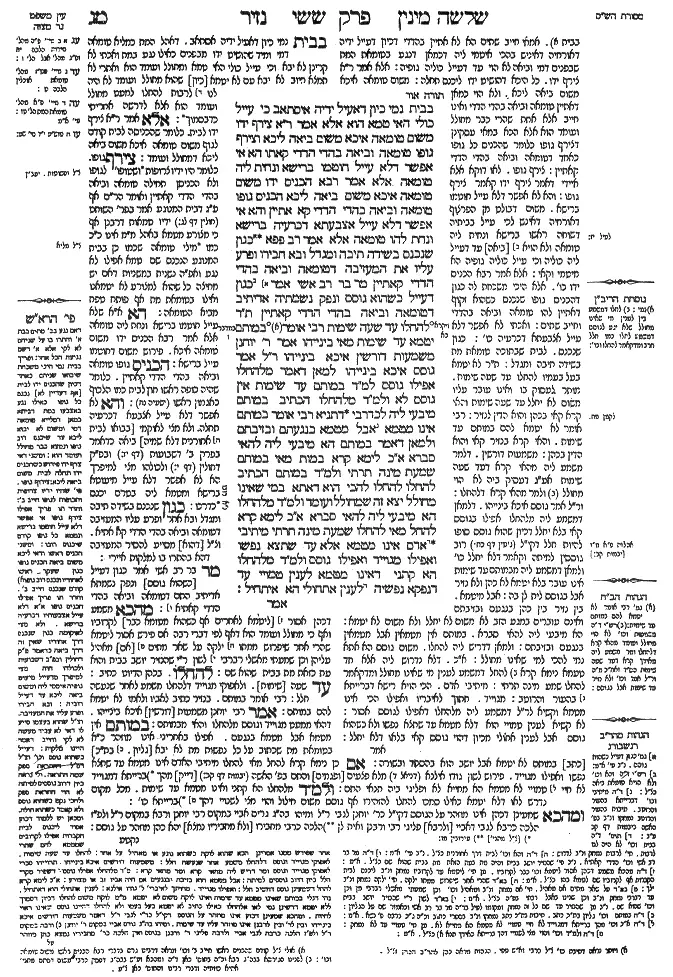
Nazir 43a - Guemara
בבית נמי כיון דאעיל ידיה איסתאב כי עייל כולי האי טמא הוא אלא אמר ר"א צירף ידו משום טומאה איכא משום ביאה ליכא וצירף גופו טומאה וביאה בהדי הדדי קאתו הא אי אפשר דלא עייל חוטמו ברישא ונחית ליה טומאה אלא אמר רבא הכניס ידו משום טומאה איכא משום ביאה ליכא הכניס גופו טומאה וביאה בהדי הדדי קא אתיין והא אי אפשר דלא עייל אצבעתא דכרעיה ברישא ונחת להו טומאה אלא אמר רב פפא כגון שנכנס בשידה תיבה ומגדל ובא חבירו ופרע עליו את המעזיבה דטומאה וביאה בהדי הדדי קאתיין מר בר רב אשי אמר כגון דעייל כשהוא גוסס ונפק נשמתיה אדיתיב דטומאה וביאה בהדי הדדי קאתיין ת"ר (ויקרא כא, ד) להחלו עד שעה שימות רבי אומר (ויקרא יא, לב) במותם יטמא עד שימות מאי בינייהו אמר ר' יוחנן משמעות דורשין איכא בינייהו ר"ל אמר גוסס איכא בינייהו למאן דאמר מלהחלו אפילו גוסס למ"ד במותם עד שימות אין גוסס לא ולמ"ד מלהחלו הכתיב במותם מיבעי ליה לכדרבי דתניא רבי אומר במותם אינו מטמא אבל מטמא בנגעתם ובזיבתם ולמאן דאמר במותם הא מיבעי ליה להאי סברא א"כ לימא קרא במות מאי במותם שמעת מינה תרתי ולמ"ד במותם הכתיב להחלו להחלו להכי הוא דאתא במי שאינו מחולל יצא זה שמחולל ועומד ולמ"ד מלהחלו הא מיבעי ליה להאי סברא א"כ לימא קרא להחל מאי להחלו שמעת מינה תרתי מיתיבי אדם אינו מטמא אלא עד שתצא נפשו ואפילו מגוייד ואפילו גוסס ולמ"ד מלהחלו הא קתני דאינו מטמא לענין טמויי עד דנפקא נפשיה לענין אתחולי הא איתחיל:
Comments from Rashi on Masechet Nazir Page 43a
בבית . אמאי חייב שתים הא לא אתיין בהדדי דכיון דעייל ידיה דאורחיה דאיניש בהכי איטמי ליה דכמאן דנגע בטומאת המת שבפנים דמי וביאה לא הוי עד דעייל כוליה גופיה: אלא אמר ר"א צירף ידו . כל היכא דהושיט ידו ליכנס תחלה: משום טומאה איכא משום ביאה ליכא . ולא הוי כמאן דאתיין טומאה וביאה בהדי הדדי ואינו חייב אלא אחת שהרי כבר מחולל ועומד הוא אלא הכא במאי עסקינן דצירף גופו כלומר שהכניס כל גופו כאחד דטומאה וביאה בהדי הדדי קאתיין: צירף גופו . לאו דוקא אלא איידי דאמר צירף ידו קאמר צירף גופו: והא לא אפשר דלא עייל חוטמו ברישא . משום דבולט מן הפרצוף דאורחיה דאינש לכי עייל בביתיה דשוחה ראשו ברישא ונחית ליה טומאה ולא הויא [ביאה] עד דעייל ליה כוליה וכי עייל כוליה גופיה הא מיטמי וקאי: אלא אמר רבא הכניס ידו כו' . אלא היכי משכחת לה כגון דהכניס גופו שנכנס כשהוא זקוף דאתיין להו טומאה וביאה בהדדי וחייב שתים: ואכתי לא אפשר דלא עייל אצבעתא דכרעיה . כו': כגון שנכנס . לבית שבתוכה טומאת מת בשידה תיבה ומגדל': ת"ר לא יטמא בעל בעמיו להחלו עד שעה שימות . מותר לעסוק בו ואינו עובר עליו משום לא יחלל עד שעה שימות והאי קרא קאי בכהן והוא הדין לנזיר: רבי אומר לא יטמא להם במותם עד שימות . והאי קרא בנזיר קאי והוא הדין בכהן: משמעות דורשין . דלמר משמע ליה מהאי קרא דעד שעה שימות אע"ג דעסיק ביה לא הוי מחולל ולמר מהאי קרא דלהחלו: ור"ל אמר גוסס איכא בינייהו . דלמאן דמשמע ליה מלהחלו אפילו בגוסס קאי בלא יחלל דכיון שהוא גוסס סופו להיות חלל דקי"ל (גיטין דף כח.) רוב גוססין למיתה וקאמר דלא יחלל כו' ולמאן דמשמע ליה מבמותם עד שימות אינו עובר בלא יטמא לא כהן ולא נזיר אבל בגוסס לית לן בה: אבל מיטמא . בין נזיר בין כהן בנגעם ובזיבתם ואינם עוברים במגע הזב לא משום לא יחלל ולא משום לא יטמא: הא מיבעי ליה להאי סברא . במותם אין מטמאין אבל מטמאין בנגעם ובזיבתם: א"כ . דלא נדרוש ליה אלא חד טעמא נימא קרא להחל דמשמע לענין מי שאינו מחולל ומדקאמר להחלו שמע מינה תרתי: מיתיבי אדם . הכי הויא רישא דברייתא בהעור והרוטב: מגוייד . חתוך לאיבריו ואפילו הכי אינו מטמא וקשיא לר"ל דמשמע ליה מלהחלו דאפילו לגוסס אסור: לא קשיא לענין טמויי . הוא דלא מטמא עד שתצא נפשו ולא כשהוא גוסס אבל לענין אחולי מכיון דהוי גוסס קאי בלאו דלא יחלל:
Comments from Tosafot - Nazir 43a
בבית נמי כיון דאעיל ידיה אסתאב . דאהל המת כמליא טומאה דמי ומיד שהושיט ידו מבפנים כאילו נגע במת ואכתי לא קרינן לא יבא וכי עייל כולי האי טמא ומחולל ועומד הוא ואתרי לא תמצא חיוב לא יבא עם לא יטמא [כיון] שהוא מחולל ועומד לא היה לנו לרבות להחלו למעט מחולל ועומד הוא אלא לדרשה אחריתי כדבסמוך: אלא אמר ר"א צירף ידו לבית . כלומר שהכניסה לבית קודם לגוף משום טומאה איכא משום ביאה ליכא דמחולל ועומד: צירף גופו . כלומר היו ידיו צרופות ושטופו' לגופו ולא הכניסן תחילה טומאה וביאה בהדי הדדי קאתיין ואומר הר"ם אף ע"ג דבית המנוגע אמר בפר' השוחט (חולין דף לג:) ידיו טמאות דרבנן אף כי מצורע מטמא באהל מ"מ אינו כ"כ כמו. מילי טומאה שכמו כן בבית המנוגע הנכנס שם טמא אפילו לא נגע ואפ"ה נשנית במשניות דאם יש מחיצה כל שהוא למצורע לא יטמאנו ואילו בטומאת מת אף פותח טפח מביא הטומאה: הא א"א שלא עייל חוטמו ברישא ונחת ליה טומאה אלא אמר רבא הכניס ידו משום טומאה איכא . פירוש משום דחוטמו עייל ברישא: הכניס גופו טומאה וביאה בהדי הדדי קאתיין . כלומר שהיה כופה ראשו חוץ לבית כמו הלכוף כאגמון ראשו (ישעיהו נח): והא לא אפשר דלא עייל אצבעא דכרעיה תחלה . ולא מצי לאוקמי [בבואו לבית אחורנית דלא שמיה] ביאה כדאמר בפרק ב' דשבועות (דף יז:) ובפ"ק דחולין (דף י:) ולכולהו מצי למיפרך הא לא אפשר דלא עייל מיעוטא ברישא ומטמא ליה בטרם יכנס כדרכו: כגון שנכנס בשידה תיבה ומגדל ובא אחר ופרע עליו המעזיבה דטומאה וביאה בהדי הדדי קא אתיא . וצ"ל [דהוא] מסייע להסיר המעזיבה דהא בהתרו בו למלקות איירי: מר בר רב אשי אמר כגון דעייל [כשהוא גוסס] ונפק נשמתא אדיתיב התם דטומאה וביאה בהדי הדדי קאתיא: מהכא משמע דכהן אסור [ליטמא לאחרים אף כשהוא מטומא כבר] לקרוביו ואף כי מחולל ועומד הוא דאף לפי דברי רבה אם פירש אסור ליטמא שהרי אחר שיפרוש ממתו ילקה על שאר מתים [אם] מאהיל עליהן וכן שמעתי מאשלי רברבי לשון ר"י שהנזיר יושב בבית והוא עת כזאת מת בבית שהוא שם: להחלו . בכהן הדיוט כתיב: עד שעה [שימות] . ולאפוקי מגוייד דלהחלו משמע לאחר שנעשה חלל: אמר רבי יוחנן משמעות [דורשין] איכא בינייהו . דהאי ממעט מגוייד וגוסס מלהחלו והאי מבמותם: רבי אומר במותם . בנזיר כתיב לאביו ולאמו לא יטמא להם במותם: במותם אין מטמא אבל מטמא בנגעם . אפילו באחריני אינו מוזהר כ"א בטומאת מת שכתוב על כל נפשות מת לא יבא [גליון. בת"כ] [כתב] במותם לא יטמא אבל יושב הוא בהספד ובשורה: אם כן נימא קרא להחל מאי להחלו מיתיבי האדם אינו מטמא עד שתצא נפשו ואפילו מגוייד . פירוש לשון גודו אילנא (דניאל ד) מלא פצעים [ופגמים] והתם בפ' האשה (יבמות דף קכ:) [דייק] מהך ברייתא דמגוייד לא חיי טמויי לא מטמא הא מחייא לא ופליגי ביה תנאי התם: ולמ"ד מלהחלו הא קתני ואינו מטמא עד שימות . מכל מקום נדרש לאו דלא יטמא כאילו סמכו להחלו להזהירו אף גוסס משום חילול והוי מצי לשנויי דהך ברייתא כו': ומהכא שמעינן דכהן אינו מוזהר על הגוסס דקי"ל כר' יוחנן לגבי ר"ל ומיהו בה"ג גריס אביי במקום רבי יוחנן ורבא במקום ר"ל ולפ"ז הלכה כרבא לגבי דאביי [ולרבא] פליגי רבי ורבנן ואית לן הלכה כרבי מחבירו [ולא מחביריו נמצא] יהא כהן מוזהר על גוסס:
Nazir 43a - Mishnah translated into english
The Gemara asks: With regard to one who enters into a house too, why should he be liable twice? Since one typically enters a place with his hands before his body, once he inserts his hand he immediately becomes ritually impure. This means that when all the rest of him enters, this person is already impure.
Rather, Rabbi Elazar said: If he inserted his hand into the house first, there is liability due to contracting ritual impurity; however, there is no liability due to entering the enclosure. But if he joined his body and his hands, i.e., all of him entered at once, contraction of impurity and entering the enclosure occur simultaneously, and in that case he is liable twice. The Gemara objects: It is impossible that his nose would not enter first, and once it does, impurity would descend to it and thereby to this person immediately, before the rest of his body entered the house.
Rather, Rava said: If he entered with only his hand there is liability due to contracting ritual impurity, but there is no liability due to entering an enclosure with a corpse, as he cannot be considered inside the house. If he entered with his body by standing upright so that his head would not enter first, contraction of impurity and entering the enclosure occur simultaneously. The Gemara asks: But even so, it is impossible that his toes would not enter first, and once they do, impurity would thereby descend to them, causing him to become impure before his entire body enters the house.
Rather, Rav Pappa said: We are dealing with a case where one entered into a house in a chest, a box, or a cabinet, which are not susceptible to ritual impurity and which protect their contents from impurity when they can hold more than forty se’a, and another came and opened the cover of the vessel from over him. In that case contracting impurity and entering the enclosure occur simultaneously. Mar bar Rav Ashi said: It is referring to a case where one entered the house when someone there was dying, and the latter’s soul departed when he was sitting there. In that case too, contracting impurity and entering the enclosure with a corpse occur simultaneously. Since there was no corpse in the enclosure when he entered, he is considered to have entered an enclosure with a corpse at the moment the person died.
§ With regard to the ritual impurity of a corpse, the Sages taught: The Torah states concerning a priest’s exposure to ritual impurity imparted by a corpse: “He shall not become impure, a chief among his people, to profane himself” (Leviticus 21:4), from which it is derived that the prohibition does not apply until the time that the person with whom he comes into contact dies. A priest does not become impure or profane his priesthood at any earlier stage. Rabbi Yehuda HaNasi says that the verse stated with regard to a nazirite: “He shall not become impure for his father, or for his mother, for his brother, or for his sister, when they die” (Numbers 6:7), from which one can infer that when they die, one contracts ritual impurity from them, i.e., not until the other person actually dies.
The Gemara asks: What is the difference between these two derivations? They apparently state the same halakha from different verses. Rabbi Yoḥanan says: The interpretation of the meaning of the verse is the difference between them. There is no practical difference between them; rather, they derive the halakha from different verses. Reish Lakish said: The difference between them is with regard to a dying person: According to the one who says that one derives the halakha from “He shall not become impure, a chief among his people, to profane himself,” even a dying person is included in the prohibition of impurity. According to the one who says that it is derived from “when they die,” once he dies, yes there is impurity, whereas a dying person, no, he does not impart impurity.
The Gemara asks with regard to Reish Lakish’s opinion: And according to the one who says that it is derived from “to profane himself,” isn’t it written: “When they die”? What does he derive from that verse? The Gemara answers: He requires that verse for that which was taught by Rabbi Yehuda HaNasi. As it is taught in a baraita that Rabbi Yehuda HaNasi says that the verse stresses “when they die,” to teach: In a case when they die he may not become impure; however, he may become impure from their leprosy or from their gonorrhea-like discharge. A nazirite is prohibited from contracting ritual impurity only if it is from a corpse.
The Gemara asks: And according to the one who says that the earliest time the prohibition takes effect is derived from the phrase “when they die,” he also requires that verse for this reason; how does he derive two halakhot from the same verse? The Gemara answers: If so, let the verse state: When he dies; what is the reason for the emphasis of “when they die”? You can learn from this verse two halakhot, that one does not impart impurity until he is actually dead, and that a nazirite is prohibited from contracting only the impurity of a corpse.
The Gemara asks the reverse question: And according to the one who says that the source for the earliest time of the impurity of a corpse is the verse “when they die,” isn’t it written: “To profane himself”? What does he derive from that verse? The Gemara answers: “To profane himself” comes for this purpose, that the prohibition against becoming impure apply only to one who is not profaned, excluding one who is already profaned. There is no prohibition against a ritually impure priest becoming impure from a corpse.
The Gemara asks: And according to the one who says that the source for the commencement of impurity imparted by a corpse is “to profane himself,” he also requires that verse for this reason; how does he derive two halakhot from the same verse? The Gemara answers: If so, let the verse state: To profane; what is the reason for the emphasis of “to profane himself”? You can learn from this verse two halakhot, that a nazirite is prohibited from becoming impure even through contact with a dying person, and that there is no prohibition against contracting impurity a second time for one who is already impure.
The Gemara raises an objection from a mishna (Oholot 1:6): A person renders others impure only when his soul departs from him, even if he has severe lacerations [meguyyad], and even if he is dying. But according to the one who says that the commencement of the impurity of a corpse is derived from “to profane himself,” this baraita is difficult, as it teaches that a dying person does not impart impurity. The Gemara answers: With regard to imparting impurity, he does not impart impurity until his soul departs, but with regard to profaning the sanctity of the priesthood, a priest is profaned by a dying person.
Traduction : The William Davidson digital edition of the Koren Noé Talmud, with commentary by Rabbi Adin Even-Israel Steinsaltz.