 Talmud Bavli
Bekhorot 59b : Youtube
Rabbi Dr. Moshe WeisblumYoutube
1 video class :
Bekhorot Page 59b
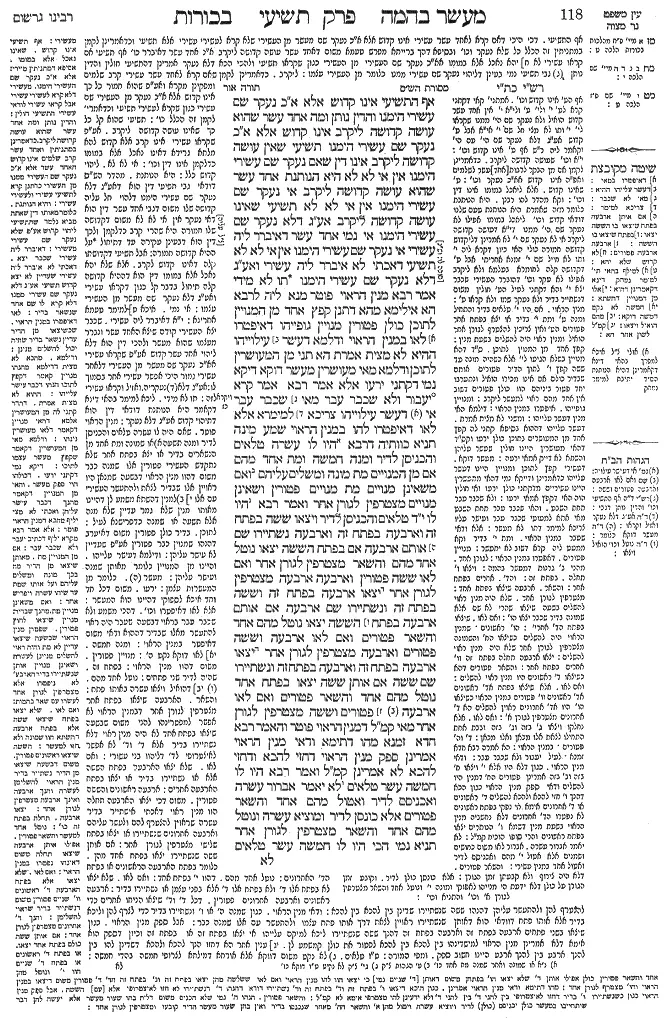
Bekhorot 59b - Guemara
אף התשיעי אינו קדוש אלא א"כ נעקר שם עשירי הימנו והדין נותן ומה אחד עשר שהוא עושה קדושה ליקרב אינו קדוש אלא א"כ נעקר שם עשירי הימנו תשיעי שאין עושה קדושה ליקרב אינו דין שאם נעקר שם עשירי הימנו אין אי לא לא היא הנותנת אחד עשר שהוא עושה קדושה ליקרב אי נעקר שם עשירי הימנו אין אי לא לא תשיעי שאינו עושה קדושה ליקרב אע"ג דלא נעקר שם עשירי הימנו אי נמי אחד עשר דאיברר ליה עשירי אי נעקר שם עשירי הימנו אין אי לא לא תשיעי דאכתי לא איברר ליה עשירי ואע"ג דלא נעקר שם עשירי הימנו תו לא מידי אמר רבא מנין הראוי פוטר מנא ליה לרבא הא אילימא מהא דתנן קפץ אחד מן המנויין לתוכן כולן פטורין מנויין גופייהו דאיפטרו לאו במנין הראוי ודלמא דעשר עילוייהו ההיא לא מצית אמרת הא תני מן המעושרין לתוכן ודלמא מאי מעושרין מעשר דוקא דיקא נמי דקתני ירעו אלא אמר רבא אמר קרא {ויקרא כז } יעבור ולא שכבר עבר מאי שכבר עבר אי דעשר עילוייהו צריכא למימרא אלא לאו דאיפטרו להו במנין הראוי שמע מינה תניא כוותיה דרבא היו לו עשרה טלאים והכניסן לדיר ומנה חמשה ומת אחד מהם אם מן המנויים מת מונה ומשלים עליהם ואם משאינן מנויים מת מנויים פטורין ושאינן מנויים מצטרפין לגורן אחר ואמר רבא היו לו י"ד טלאים והכניסן לדיר ויצאו ששה בפתח זה וארבעה בפתח זה וארבעה נשתיירו שם אותם ארבעה אם בפתח הששה יצאו נוטל אחד מהם והשאר מצטרפין לגורן אחר ואם לאו ששה פטורין וארבעה ארבעה מצטרפין לגורן אחר יצאו ארבעה בפתח זה וששה בפתח זה ונשתיירו שם ארבעה אם אותם ארבעה בפתח הששה יצאו נוטל מהם אחד והשאר פטורים ואם לאו ארבעה וששה פטורים וארבעה מצטרפין לגורן אחר יצאו ארבעה בפתח זה וארבעה בפתח זה ונשתיירו שם ששה אם אותן ששה יצאו בפתח אחד נוטל מהם אחד והשאר פטורים ואם לאו ארבעה פטורים וששה מצטרפין לגורן אחר מאי קמ"ל דמנין הראוי פוטר והאמר רבא חדא זמנא מהו דתימא ודאי מנין הראוי אמרינן ספק מנין הראוי דחזי להכא ודחזי להכא לא אמרינן קמ"ל ואמר רבא היו לו חמשה עשר טלאים לא יאמר אברור עשרה ואכניסם לדיר ואטול מהם אחד והשאר פטורים אלא כונסן לדיר ומוציא עשרה ונוטל מהם אחד והשאר מצטרפין לגורן אחר תניא נמי הכי היו לו חמשה עשר טלאים
Comments from Rashi on Masechet Bekhorot Page 59b
אף התשיעי . דכי היכי דאם קרא לאחד עשר עשירי אינו קדוש אלא א"כ נעקר שם מעשר מן העשירי שלא קרא לעשירי עשירי אלא תשיעי וכדאמרינן לקמן במתניתין זה הכלל כל שלא נעקר וכו' ובסיפא דהך ברייתא מפרש טעמא משום דאחד עשר עושה קדושה ליקרב א"נ אחד עשר דאיברר כו' אף תשיעי אם קראו עשירי לא יהא נאכל אלא במומו אא"כ נעקר שם העשירי מן העשירי כגון שקראו תשיעי ולהכי הכא דלא נעקר אמרינן דהתשיעי חולין והדין נותן גבי תשיעי נמי בעינן דליהוי נעקר שם עשירי ממנו כלומר מן העשירי עצמו: ליקרב . כדאמרינן לקמן שאם קרא לאחד עשר עשירי קרב שלמים ומפקינן מקרא ואע"פ שהוא חמור כל כך אינו קדוש אלא א"כ נעקר מן העשירי שם עשירי כגון שקרא לעשירי תשיעי וכדאמרי' לקמן זה הכלל כו': תשיעי . שהוא קל כל כך: שאינו עושה קדושה ליקרב . אע"פ שקראו עשירי אינו קרב אלא קדוש להא מלתא גרידא דאינו נאכל אלא במומו כדלקמן אינו דין וכו': אי לא לא . ליהוי קדוש כלל: היא הנותנת . מהדר הש"ס דודאי גבי תשיעי דין הוא דאע"ג דלא נעקר שם עשירי הימנו דלהוי חל עליה קדושה שלו משום דגבי אחד עשר דין הוא דאי נעקר אין אי לא לא משום דקדושה שלו חמורה היא שהרי קרב כדלקמן ולכך דין הוא דבעינן עקירה עד דתיחול על ההיא קדושה חמורה: אבל תשיעי . דקדושתו קלה דאינו קדוש לקרב אלא שלא יהא נאכל אלא במומו דין הוא דההיא קדושה קלה תיחול בדבר קל כגון דקראו עשירי ואע"ג דלא נעקר שם מעשר מן העשירי עצמו: אי נמי . איכא למימר טעמא אחרינא: י"א דאיברר ליה עשירי . שכבר יצא העשירי קודם שיצא האחד עשר ונברר מעצמו שהוא מעשר ולהכי דין הוא דלא ליהוי אחד עשר קדוש אע"פ שקראו עשירי אא"כ נעקר שם מעשר מן העשירי דלאחר עשירי גמור היכי אפשר עשירי אחר בסמוך לו: אע"ג דלא נעקריה . ואזיל וקראו עשירי לזה: תו לא מידי . ליכא למימר בהאי דינא דקאמר היא הנותנת דודאי דין הוא דתיהוי קדוש אע"ג דלא נעקר: מנין הראוי פוטר . שאם היה לו עשרה טלאים והכניסן לדיר ומנה תשעה או שמונה ומת אחד מן הנשארים בדיר או יצא בפתח אחר שלא נתקדש העשירי פטורין אלו שמנה כבר משום דהוו מנין הראוי דבשעה שמנאן היו ראויין אלו שבדיר לצאת ולהתעשר העשירי עם אלו למנין דהשתא משמע לן דהיינו מאותו מנין שלא גמר עדיין שלא מנה אלא תשעה או שמנה כדפרישנא לעיל: לתוכן . בדיר כולן פטורין משום דאיערב דהנהו שמנוין כבר פטורין אע"פ שעדיין לא עישר עליהן: ודילמא דעישר עלייהו . והיינו מן המנויין כלומר מאותן שמנה ועישר עליהן: מעשר . כלומר מן המעשרות עצמן: ירעו . משום דכל חד וחד איכא לספוקי דהיינו הוא המעשר: אלא לאו דאיפטרו וכו' . דהכי משמע ולא שכבר עבר בראוי דבשעה שעבר היה ראוי להתעשר מאלו שבדיר דההוא ודאי משום דאיפטר במנין הראוי: ומנה חמשה . לאו דוקא נקט ה': מנויין פטורין . משום דהוו מנין הראוי: בפתח זה . שהיה לדיר שני פתחים: נוטל אחד מהם . דהואיל ויצאו עשרה באותו פתח: והשאר . הארבעה שיצאו בפתח אחר מצטרפין לגורן אחר דבמנין הראוי לא אפשר למפטרינהו להני משום שבשעה שיצאו בפתח אחד לא היה מנין ראוי דלא נשתיירו בדיר אלא ד' וד' לא אפשר לאיצטרופי לד' דליהוו בני עשורי: ואם לאו . שלא יצאו הארבעה בפתח הששה אלא או נשתיירו בדיר או יצאו בפתח הארבעה אחרים: ארבעה ראשונים והששה פטורין . משום דכי יצאו הארבעה תחלה הוו מנין ראוי דאכתי אישתייר בדיר עשרה שראוין להצטרף להם ולעשר עליהם וארבעה אחרונים שנשתיירו או יצאו בפתח שלישי מצטרפין לגורן אחר: אם אותן ששה שנשתיירו יצאו בפתח אחד מהן . כלומר בפתח הארבעה הראשונים או בפתח הד' האחרונים: נוטל אחד מהם . דהוו י' בפתח אחד: ואם לאו . שלא יצאו לא בפתח אלו ד' ולא בפתח אלו ד' אלא בפני עצמן או נשתיירו בדיר: ארבעה ראשונים וארבעה אחרונים פטורין . דכל ד' וד' שיצאו הניחו אחרים כדי להצטרף להן ולהתעשר עליהן דהנהו ששה שנשתיירו שדינן בין להכא בין להכא: ודאי מנין הראוי . כגון שמנה ה' או ו' ונשתיירו בדיר כדי לצרף להן וליכא בדיר אלא אותו פתח דוודאי הוא דאותן שנשתיירו ראויין לצאת דרך אותו פתח עצמו ולהתעשר עם אלו שמנה כבר: אבל ספק מנין הראוי . כגון שיצאו בשני פתחים ארבעה בפתח זה וארבעה בפתח זה דהנך ששה שנשתיירו ליכא למיקם עלייהו אי יצאו בפתח זה או בפתח זה וכיון דספק הוא אימא דלא אמרינן מנין הראוי למישדינהו בין להכא בין להכא לפטור את כולן קמשמע לן. ענין אחר הא דחזו הנך להכא ולהכא דשדינן להו בין להנך ארבע בין להנך ארבע היינו חשוב ספק. ומפי המורה: ט"ו טלאים . לא נקט משום דווקא אלא אורחא דמילתא לצרופי חמשה בהדי חמשה:
Bekhorot 59b - Mishnah translated into english
Even the ninth that was accidentall y designated as the tenth is not sanctified and may be eaten before it develops a blemish, unless the name of the tenth is removed from the tenth animal, i.e., if the owner erred also in that he called the tenth animal the ninth. And logical reasoning leads to this conclusion.
The Gemara explains the logical reasoning: The halakha is that if one designated the ninth animal as the tenth, and the tenth as the tenth, and the eleventh as the tenth, then the eleventh is not consecrated. This is because in any situation where the name of the tenth was not removed from the tenth animal, the eleventh, which was called the tenth, is not consecrated. And if the eleventh animal, which becomes sanctified to be sacrificed as a peace offering, as stated in the mishna on 60a, is sanctified only if the name of the tenth is removed from the tenth animal, then with regard to the ninth animal, which does not become sanctified to be sacrificed but is eaten once it develops a blemish, is it not logical that if the name of the tenth is removed from the actual tenth animal, then yes, the ninth animal has sanctity and may be eaten only once it develops a blemish, but if not, then it is not sanctified at all and may be eaten even without a blemish?
The Gemara rejects this logical derivation: That claim itself provides support for the contrary opinion. With regard to the eleventh animal, which becomes sanctified with a stringent sanctity to be sacrificed as a peace offering, if the name of the tenth is removed from the actual tenth animal, then yes, the eleventh becomes sanctified, but if the designation of being the tenth is not removed from the tenth, then the eleventh does not become sanctified. But with regard to the ninth animal, which does not become sanctified with the stringent sanctity to be sacrificed, one can say that even though the name of the tenth animal is not removed from the tenth animal, nevertheless the ninth becomes sanctified.
Alternatively, there is another distinction between the two cases. With regard to the eleventh animal, which is sanctified only after the tenth animal has been selected, as it has emerged from the pen, one can claim that if the name of the tenth is removed from the tenth animal, then yes, the eleventh becomes sanctified, but if the name of the tenth is not removed from the tenth animal, the eleventh does not become sanctified.
But with regard to the ninth animal, which becomes sanctified at a time when the tenth animal has not yet been selected, as the tenth animal has not yet left the pen, if the owner accidentally designated that ninth animal as the tenth it becomes sanctified, and in such a case this is the halakha even though the name of the tenth animal is not removed from the actual tenth animal. The Gemara adds that there is nothing more to add to that explanation, and the opinion of Rabbi Shimon ben Yehuda in the name of Rabbi Shimon is rejected.
Rava says: A tally fit to reach ten exempts the animals that have been counted from being tithed. The Gemara asks: From where does Rava derive this halakha? If we say he derives it from that which we learned in the mishna, this is problematic. The Gemara cites the relevant statement of the mishna: If before one completed tithing his animals, one of those counted jumped back into the pen among the animals that were not yet counted, all those in the pen are exempt from being tithed, as each of them could be the animal that was already counted. The Gemara clarifies: With regard to this halakha concerning which the counted animals themselves are exempt, is it not because they were counted with a tally fit to reach ten?
The Gemara rejects this suggestion: But perhaps this is referring to a case where the tenth animal also came out of the pen, and the owner tithed it on behalf of the others that were counted. If so, they are not exempt simply because they were counted with a tally fit to reach ten but because they were actually tithed.
The Gemara counters: You cannot say that the mishna is addressing a situation where one of the animals for which tithe had already been separated jumped back in, as the latter clause of the mishna teaches: If one of those animals that had been tithed jumped back into the pen among the animals that were not yet counted. This indicates that in the situation described in the first clause the animals had been counted but not yet tithed.
The Gemara rejects this claim: But perhaps, what is the meaning of the term: Animals that had been tithed? This is referring specifically to the tenth animal, which is the actual tithe. And accordingly, the language of the mishna is also precise, as it teaches: All the animals must graze until they become unfit for sacrifice, and thereafter they may be eaten in their blemished state by their owner. Concerning animal tithe, this halakha applies specifically to the tenth animal when it reentered the pen, and not to the other nine. Therefore, the Gemara has not yet found a source for Rava’s halakha.
Rather, Rava says the verse states: “Whatever passes under the rod, the tenth shall be sacred to the Lord” (Leviticus 27:32). This indicates that only an animal that will pass under the rod must be tithed, but not an animal that has already passed under the rod. Rava elaborates: What it the meaning of: An animal that has already passed? If it means that one has separated tithe for it, is it necessary for a verse to state this? Of course an animal that has been tithed does not need to be tithed again. Rather, is it not referring to a case where the animals have become exempt through a tally fit to reach ten? Conclude from this that a tally fit to reach ten renders an animal exempt from being tithed.
It is taught in a baraita in accordance with the opinion of Rava: In a case where one had ten lambs and he brought them into the pen and counted five, and then one of them died, if one of those animals that had been counted died, he continues to count and completes the tithe for them. But if one of the animals that had not been counted died, those animals that had been counted are exempt, and those animals that had not been counted combine with animals born later, to be tithed in another designated time of gathering.
§ And Rava says: In a case where one had fourteen lambs and brought them into the pen, and six of the lambs emerged first, through this opening on one side of the pen, and four lambs emerged afterward through that opening on the other side of the pen, and four lambs remained there, if those four that remained came out by the opening through which the six lambs emerged, he takes the last one of them as animal tithe. And the remainder, i.e., the four that emerged through the other opening, combine with animals born later, to be tithed in another designated time of gathering.
But if not, i.e., if the last four remained in the pen or came out through the same opening through which the other four lambs emerged, then the six that emerged first are exempt from animal tithe, as they were part of a tally fit to reach ten; and the four that came out next, from the other opening, and the last four, combine with animals born later, to be tithed in another designated time of gathering.
Rava continues: In a case where four of the fourteen lambs emerged first, through this opening on one side of the pen, and six lambs came out afterward through that other opening, and four lambs remained there, if those four that remained come out by the opening through which the six lambs emerged, the owner takes the last one of them as animal tithe, and the remainder, i.e., the four that went out of the other opening, are exempt, as they were part of a tally fit to reach ten. But if not, i.e., if the last four emerge via the same opening as the first four, the four that came out first and the six that emerged through the other opening are exempt, as there were enough lambs left to complete the ten when all these left. And the four that went out last combine with animals born later, to be tithed in another designated time of gathering.
Rava continues: In a case where four of the fourteen lambs emerged first, through this opening, and four lambs came out afterward through that other opening, and six lambs remained there, if those six that remained come out through any one opening, he takes one of them as animal tithe, and the remainder, i.e., the four that went out of the other opening, are exempt, as they were part of a tally fit to reach ten. But if not, i.e., if the six remain in the pen, the four sheep that emerged on this side and the four that came out on that side are exempt. And the six that remain combine with animals born later, to be tithed in another designated time of gathering.
The Gemara asks: What is Rava teaching us? Is he teaching that any animal that comes out of the pen as part of a tally fit to reach ten is exempt? But didn’t Rava say that already once? The Gemara answers: Rava’s statement is necessary, lest you say that only if the animals emerge as part of a tally that is definitely fit to reach ten do we say they are exempt. But if they come out as part of a tally with regard to which it is uncertain whether it is fit to reach ten, such as in this case where the remaining animals are fit to come out here and are fit to come out there, and therefore the first animals might not be part of a counting that will reach ten, we do not say they are exempt. Therefore, Rava teaches us that even a tally that is uncertain to reach ten exempts the animals from tithe.
§ And Rava says: If one had fifteen lambs, he may not say: I will separate ten and bring them into the pen, and I will take one of them as animal tithe, and the rest will be exempt. Rather, he must bring them all into the pen, and remove ten of them by causing them to emerge from the opening, and take one of them, i.e., the one that emerges tenth, as animal tithe. And the remainder combine with animals born later, to be tithed in another designated time of gathering. This is also taught in a baraita: If one had fifteen lambs,
Traduction : The William Davidson digital edition of the Koren Noé Talmud, with commentary by Rabbi Adin Even-Israel Steinsaltz.