 Talmud Bavli
Bekhorot 31a : Youtube
Rabbi Dr. Moshe WeisblumYoutube
1 video class :
Bekhorot Page 31a
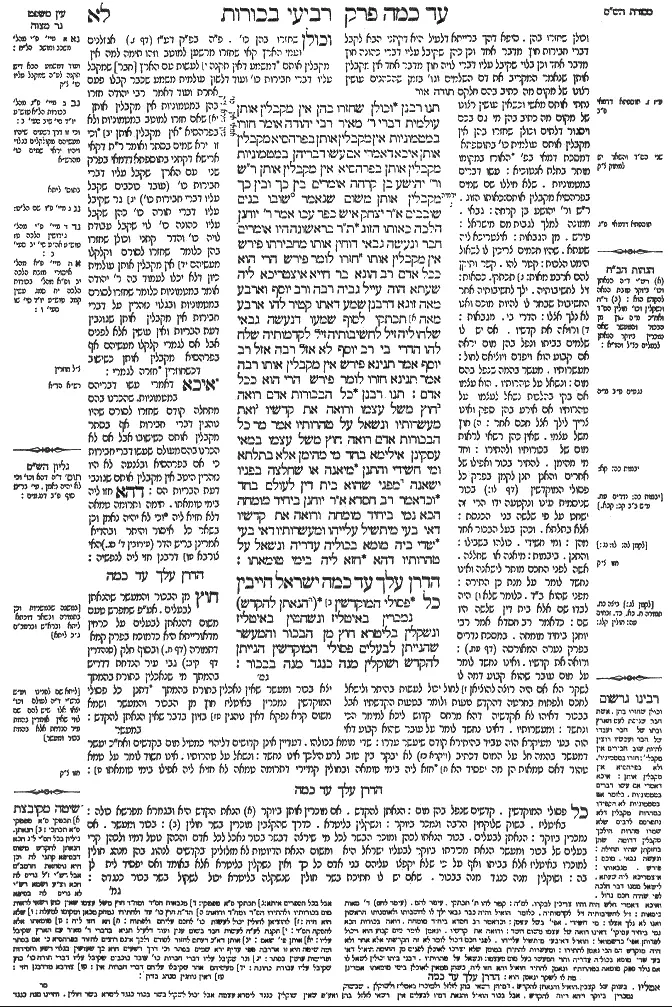
Bekhorot 31a - Guemara
תנו רבנן וכולן שחזרו בהן אין מקבלין אותן עולמית דברי ר' מאיר רבי יהודה אומר חזרו במטמוניות אין מקבלין אותן בפרהסיא מקבלין אותן איכא דאמרי אם עשו דבריהן במטמוניות מקבלין אותן בפרהסיא אין מקבלין אותן ר"ש ור' יהושע בן קרחה אומרים בין כך ובין כך מקבלין אותן משום שנאמר (ירמיהו ג, יד) שובו בנים שובבים א"ר יצחק איש כפר עכו אמר ר' יוחנן הלכה כאותו הזוג ת"ר בראשונה היו אומרים חבר ונעשה גבאי דוחין אותו מחבירתו פירש אין מקבלין אותו חזרו לומר פירש הרי הוא ככל אדם רב הונא בר חייא איצטריכא ליה שעתא הוה עייל גביה רבה ורב יוסף וארבע מאה זוגא דרבנן שמע דאתו קטיר להו ארבע מאה תכתקי לסוף שמעו דנעשה גבאי שלחו ליה זיל לחשיבותיה זיל לקדמותיה שלח להו הדרי בי רב יוסף לא אזל רבה אזל רב יוסף אמר תנינא פירש אין מקבלין אותו רבה אמר תנינא חזרו לומר פירש הרי הוא ככל אדם:
תנו רבנן כל הבכורות אדם רואה חוץ משל עצמו ורואה את קדשיו ואת מעשרותיו ונשאל על טהרותיו אמר מר כל הבכורות אדם רואה חוץ משל עצמו במאי עסקינן אילימא בחד מי מהימן אלא בתלתא ומי חשידי והתנן מיאנה או שחלצה בפניו ישאנה מפני שהוא בית דין לעולם בחד וכדאמר רב חסדא א"ר יוחנן ביחיד מומחה הכא נמי ביחיד מומחה ורואה את קדשיו דאי בעי מיתשיל עלייהו ומעשרותיו דאי בעי שדי ביה מומא בכוליה עדריה ונשאל על טהרותיו דהא חזא ליה בימי טומאתו:
הדרן עלך עד כמה ישראל חייבין
מתני׳ כל פסולי המוקדשין הנאתן להקדש נמכרין באיטליז ונשחטין באיטליז ונשקלין בליטרא חוץ מן הבכור והמעשר שהנייתן לבעלים פסולי המוקדשין הנייתן להקדש ושוקלין מנה כנגד מנה בבכור:
Comments from Rashi on Masechet Bekhorot Page 31a
וכולן שחזרו בהן . סיפא דהך ברייתא דלעיל היא דקתני הבא לקבל דברי חבירות חוץ מדבר אחד וכן כהן שקיבל עליו דברי כהונה חוץ מדבר אחד וכן בלוי שקיבל עליו דברי לויה חוץ מדבר אחד אין מקבלין אותן שנאמר המקריב את דם השלמים וגו' בזמן שהכהנים עושין רצונו של מקום מה כתיב בהם חלקם נתתי אותם מאשי וכשאין עושין רצונו של מקום מה כתיב בהן מי גם בכם ויסגור דלתים וכולן שחזרו בהן אין מקבלין אותם עולמית כו' בתוספתא דמסכת דמאי בפ' האורז במקומו מותר בחלת אנטוכיא: עשו דברים במטמוניות . שלא חיללו שם שמים בפרהסיא מקבלין אותם: כאותו הזוג . ר"ש ור' יהושע בן קרחה: גבאי . ממונה למלך לגבות מס מישראל: פירש . מן הגבאות: איצטריכא ליה שעתא . שהיו חכמים צריכין לו לשאול הימנו הלכות: קטר להו . קשר ותיקן להם ארבע מאות: תכתקי . כסאות: זיל לחשיבותיה . ילך לחשיבותיה אחר החשיבות שבחר לו להיות מוכס ואנו לא נלך אצלו: הדרי בי . מגבאות: ורואה את קדשיו . אם יש לו שלמים בביתו ונפל בהן מום יראה אם קבוע הוא ויפדם ויוציאם לחול: מעשרותיו . מעשר בהמה שנפל בהם מום: ונשאל על טהרותיו . הוא עצמו אם בקי בהלכות נשאל לעצמו על טהרותיו אם אירע בהן ספק ואינו צריך לילך אצל חכם אחר: חוץ משל עצמו . שאין כהן רשאי לראות מום של בכורותיו ולהתירו: וחד מי מהימן . להתיר בכור ואפילו של אחרים והאנן תנן לקמן בפרק כל פסולי המוקדשין (בכורות דף לו:) בכור שניסמית עינו ונקטעה ידו הרי זה ישחט על פי שלשה בני הכנסת: אלא בתלתא . וכהן בעל הבכור אחד מהן: ומי חשידי . כולהו בשבילו: והתנן . ביבמות: מיאנה או שחלצה . אשה לפני החכם מותר לישאנה ואינו נחשד לומר על מנת כן התירה: מפני שהוא ב"ד . כלומר שלא היה לבדו שם אלא בית דין שלשה היו שם: כדאמר רב חסדא אמר רבי יוחנן ביחיד מומחה . במסכת נדרים בפרק נערה המאורסה (דף עח.): ורואה את קדשיו . ואינו נחשד לומר על מום עובר שהוא קבוע דמה לו לשקר הא אם היה רוצה להוציאן לחול יכול לעשות בהיתר ולישאל לחכם ולפתוח בחרטה דהקדש טעות ולומר בטעות הקדשתיו אבל בבכור דאיהו לא אקדשיה דהא מרחם קדוש ליכא למימר הכי ונחשד: ומעשרותיו . דאינו נחשד לומר על עובר שהוא קבוע דאי הוה בעי מעיקרא הוה עביד בהיתירא קודם שיעשר עדרו: שדי מומא בכולהו . דעדיין אינן קדושים דליהוי כמטיל מום בקדשים ואח"כ יעשר דמעשר בהמה חל על המום דכתיב (ויקרא כז) לא יבקר בין טוב לרע הילכך אינו נחשד: ונשאל על טהרותיו . אינו חשוד לומר על טמא טהור דאם טמאות הן מה יפסיד הא חזא ליה בימי טומאה. ובחולין קמיירי דתרומה טמאה לא חזיא ליה אפילו בימי טומאתו: מתני' כל פסולי המוקדשין . קדשים שנפל בהן מום: הנאתן להקדש . אם מוכרין אותן ביוקר הנאת הקדש היא. ובגמרא מפרשא כולה: באיטליז . בשוק שלוקחין הרבה ונמכר ביוקר: ונשקלין בליטרא . כדרך שהקצבין מוכרין בשר חולין: בכור ומעשר . אם נמכרין ביוקר: הנאתן לבעלים . בכור הנאתו לכהן ומוכר הבשר לכל מי שירצה דבשר בכור נאכל לכל אדם והכהן נוטל דמיו ולכהן קרי בעלים של בכור ומעשר הנאת מכירתו ביוקר לבעליו ישראל היא ומשום הנאת הדיוטות לא מזלזלינן בקדשים לנהוג בהן מנהג חולין למוכרו באיטליז אלא בביתו ואף על פי שלא יקפצו עליהם בני אדם כל כך ואין נשקלין בליטרא אלא באומד ואם יפסיד לית לן בה: ושוקלין מנה כנגד מנה בבכור . שאם יש לו חתיכת בשר חולין שנשקלה בליטרא יכול לשקול בשר בכור כנגדה:
Comments from Tosafot - Bekhorot 31a
וכולן שחזרו בהן כו' . פ"ה בפ"ק דע"ז (דף ז.) אגזלנים ועמי הארץ קאי שחזרו מרשען למוטב וזהו תימה למה אין מקבלין אותם דמשמע דאין תקנה לעשות עם הארץ [חבר] שמקבל עליו דברי חבירות כו' ועוד דלשון עולמית משמע שכבר קבלו פעם אחרת ועוד דאמר רבי יהודה חזרו בהן במטמוניות אין מקבלין אותן שאם חזרו למוטב במטמוניות ולא בפרהסיא אין מקבלין אותן וכי זו ירא שמים בסתר ואומר ר"ת דקאי ארישא דקתני בתוספתא דדמאי בפרק שני עם הארץ שקבל עליו דברי חבירות כו' (עובד כוכבים שקבל עליו דברי חבירות כו') גר שקיבל עליו דברי תורה כו' כהן שקבל עליו כהונה כו' לוי שקבל עבודת לויה כו' והדר קתני וכולן שחזרו בהן כלומר שחזרו לסורם וקלקלו מעשיהם אין מקבלין אותן עולמית כיון דלא יכלו לעמוד בה ר' יהודה אומר במטמוניות כלומר שחזרו לסורם במטמוניות ובגלוי נזהרין על דברי חבירות אין מקבלין אותן שגונבין דעת הבריות ואין עושין אלא לפנים אבל אם לגמרי קלקלו מעשיהם אף בפרהסיא מקבלין אותן כשישוב דכשחוזרין חזרה לגמרי: איכא דאמרי עשו דבריהם במטמוניות . שהכרנו בהם מתחלה קודם שחזרו לסורם שהיו נוהגין דברי חבירות אף בסתר מקבלין אותם כשישובו אבל אם לא הכרנו בהם מעולם שעשו דברי חבירות כי אם בפרהסיא ובצנעה לא היו נזהרין היטב אין מקבלין אותם שגונבי דעת הבריות הם: דהא חזו ליה בימי טומאתו . תימה ותרומה טמאה דלא חזיא ליה וכי לא יהיה נאמן וכן בשאר כל איסור והיתר ובהדיא אמרינן בריש הדר (עירובין ד' סג.) האי צורבא דרבנן חזי ליה לנפשיה: מתני' חוץ מן הבכור והמעשר שהנאתן לבעלים . אע"פ שמפרש טעם משום דהנאתן לבעלים על כרחין מדאורייתא היא כדמוכח בפרק קמא דתמורה (דף ח.) ובסוף חלק (סנהדרין דף קיב:) גבי עיר הנדחת דדריש בהמתך מי שנאכלין בתורת בהמתך יצא בכור ומעשר שאין נאכלין בתורת בהמתך דתנן כל פסולי המוקדשין נמכרין באיטליז חוץ מן הבכור והמעשר ושמא משום קרא נפקא דאין נוהגין בזיון בדבר שאין הנאתן להקדש:
Bekhorot 31a - Mishnah translated into english
With regard to an am ha’aretz who accepts upon himself the stringent practices of a ḥaver, the Sages taught in a baraita: And with regard to all of them, when they retract and return to being amei ha’aretz, they are never accepted as ḥaverim; this is the statement of Rabbi Meir. Rabbi Yehuda says: If they retracted in private, while in public they continue to act as ḥaverim, they are not accepted, but if they retract in public [befarheseya], they are accepted, as they can be trusted.
There are those who say another version of this discussion: If they performed their actions as ḥaverim even in private, when they initially accepted the status of ḥaverim, then they are accepted when they wish to return to that status. Conversely, if they performed their actions as ḥaverim only in public, they are not accepted.
Rabbi Shimon and Rabbi Yehoshua ben Korḥa say: Both in this case and in that case they are accepted, as it is stated: “Return, you backsliding children; I will heal your backslidings” (Jeremiah 3:22). Rabbi Yitzḥak of the village of Akko says that Rabbi Yoḥanan says: The halakha is in accordance with the opinion of that pair, Rabbi Shimon and Rabbi Yehoshua ben Korḥa, i.e., those who return are accepted in both cases.
§ The Sages taught in a baraita: Initially, the Sages would say with regard to one who is a ḥaver and became a tax collector that he is rejected from his status as a ḥaver. Even if he later resigns from his position as a tax collector, he is not accepted. In later generations they went back to saying that if he resigns from his position as a tax collector he is like any other person and may be accepted once again as a ḥaver.
The Gemara relates that one time the Sages needed Rav Huna bar Ḥiyya for a certain matter. Rabba and Rav Yosef and four hundred pairs of Sages ascended to his home. When he heard that they were coming, he tied for them four hundred chairs [takhtekei] to sit on. Eventually the Sages heard that he had become a tax collector. They sent him the following message: Go to your important position as a tax collector, and go to your former status, as we no longer need you. He sent to them the following message: I have repented and am no longer a tax collector. Rav Yosef did not go to him, but Rabba went to him.
Rav Yosef said in explanation of why he did not go: We learn in a baraita that even if such an individual resigns from his position as a tax collector he is not accepted. Rabba said: We learn in the baraita that in later generations they went back to saying that if he resigns from his position as a tax collector he is like any other person and may be accepted once again as a ḥaver.
§ The Sages taught in a baraita: A person may inspect all firstborns for blemishes except for his own firstborns, as he has a vested interest. And despite his vested interest in these cases, one may inspect his own sanctified animals that he consecrated for the Temple, to determine whether they have blemishes and may be redeemed; and he may inspect his animal tithes to decide whether they are fit for sacrifice in the Temple; and one may ask himself with regard to his ritually pure foods, i.e., he may decide for himself whether or not they have become impure, and he is not suspected of claiming that impure food is actually pure.
The Gemara analyzes the baraita. The Master said: A person may inspect all firstborns except for his own firstborns. What are we dealing with here? If we say that we are dealing with a case of one person examining a blemish, is he trusted by himself to deem any firstborn animal permitted for slaughter? The mishna on 36b states that only three people may permit a firstborn animal to be slaughtered. Rather, it must be dealing with one of three who jointly decide the status of the firstborn animal. And is he suspect in such a case? But didn’t we learn in a mishna (Yevamot 25b): A judge before whom a woman performed refusal when she was a minor, by declaring that she did not desire the husband chosen for her by her family, or before whom she performed ḥalitza, may marry her,because he was only one member of the court, and therefore there is no suspicion of conflict of interest?
The Gemara answers: Actually, we are dealing with a case of a single judge, and this is as Rav Ḥisda says that Rabbi Yoḥanan says with regard to a different matter: Vows may be dissolved even by a single expert, and a three-member court is not always necessary. Here too, we are dealing with a single expert who deems the firstborn animal permitted. A single expert may rule with regard to the firstborn animals belonging to others, but not his own animals, due to his vested interest.
The Gemara analyzes the last section of the baraita. And despite his vested interest, one may inspect his own sanctified animals. Why is it permitted for him to inspect them? The reason is that if he wants to avoid giving the animal to the Temple, he can issue a request from a halakhic authority to annul his oath. Consequently, he does not truly have a vested interest.
The baraita also teaches: And he may rule with regard to his own animal tithes to decide whether they are fit to be sacrificed in the Temple. The Gemara explains that the reason is that if he wants to avoid bringing the animals as offerings, he can inflict a blemish upon his entire herd before separating the tithe, which would render them all unfit for sacrifice in the Temple.
Finally, the baraita states: And one may ask himself with regard to his ritually pure foods, i.e., he may decide for himself whether or not they have become impure, and he is not suspected of claiming that impure food is actually pure. The Gemara explains that his vested interested in this case is not so great, as the food is fit for him to eat in his days of impurity.
MISHNA: With regard to all disqualified consecrated animals that were disqualified for sacrifice due to blemishes and were redeemed, all benefit accrued from their sale belongs to the Temple treasury. In order to ensure that the Temple treasury will not suffer a loss, these animals are sold in the butchers’ market [ba’itliz] and slaughtered in the butchers’ market, where the demand is great and the price is consequently higher. And their meat is weighed and sold by the litra, in the manner that non-sacred meat is sold.
This is the halakha with regard to all consecrated animals except for the firstborn offering and an animal tithe offering. When these become blemished and their slaughter is permitted, they are sold and slaughtered only in the owner’s house and are not weighed; rather, they are sold by estimate. The reason is that all benefit accrued from their sale belongs to the owner, i.e., the priest in the case of the firstborn and the owner in the case of the animal tithe offering. It is not permitted to treat disqualified consecrated animals as one treats non-sacred animals merely to guarantee that the owner will receive the optimal price. This is in contrast to disqualified consecrated animals, where all benefit accrued from their sale belongs to the Temple treasury, and therefore the animal is sold in the market to ensure that the optimal price is received.
And although the meat of the firstborn is not weighed and sold by the litra, nevertheless, if one has non-sacred meat weighing one hundred dinars, one may weigh one portion of non-sacred meat against one portion of the meat of the firstborn, because that is unlike the manner in which non-sacred meat is weighed.
Traduction : The William Davidson digital edition of the Koren Noé Talmud, with commentary by Rabbi Adin Even-Israel Steinsaltz.