 Talmud Bavli
Bekhorot 16a : Youtube
Rabbi Dr. Moshe WeisblumYoutube
1 video class :
Bekhorot Page 16a
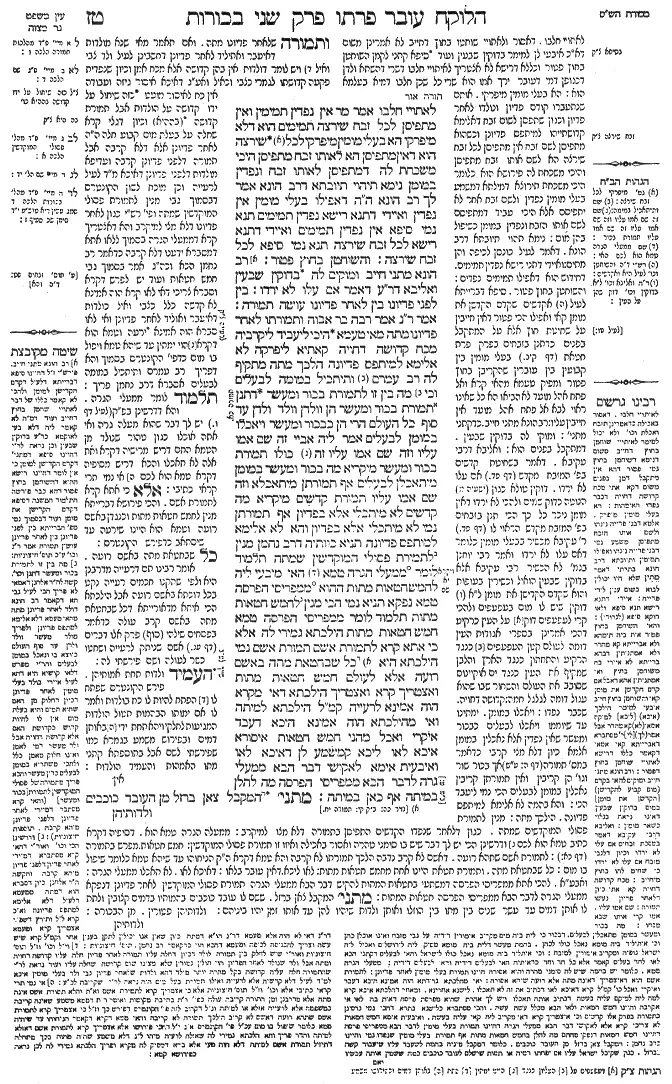
Bekhorot 16a - Guemara
לאתויי חלבו אמר מר אין נפדין תמימין ואין מתפיסן לכל זבח שירצה תמימים הוא דלא מיפרקי הא בעלי מומין מיפרקי לכל שירצה הוא דאין מתפיסן הא לאותו זבח מתפיסן היכי משכחת לה דמתפיסן לאותו זבח ונפדין במומן נימא תיהוי תיובתא דרב הונא אמר לך רב הונא ה"ה דאפילו בעלי מומין אין נפדין ואיידי דתנא רישא נפדין תמימים תנא נמי סיפא אין נפדין תמימים ואיידי דתנא רישא לכל זבח שירצה תנא נמי סיפא לכל זבח שירצה:
והשוחטן בחוץ פטור:
רב הונא מתני חייב ומוקים לה בדוקין שבעין ואליבא דר"ע דאמר אם עלו לא ירדו:
בין לפני פדיונו בין לאחר פדיונו עושה תמורה:
אמר ר"נ אמר רבה בר אבוה ותמורתו לאחר פדיונו מתה מאי טעמא היכי ליעביד ליקרביה מכח קדושה דחויה קאתיא ליפרקה לא אלימא למיתפס פדיונה הלכך מתה מתקיף לה רב עמרם ותיתכיל במומה לבעלים וכי מה בין זו לתמורת בכור ומעשר דתנן תמורת בכור ומעשר הן וולדן וולד ולדן עד סוף כל העולם הרי הן כבכור ומעשר ויאכלו במומן לבעלים אמר ליה אביי זה שם אמו עליו וזה שם אמו עליו זה כולו תמורת בכור ומעשר מיקריא מה בכור ומעשר במומן מיתאכלן לבעלים אף תמורתן מיתאכלא וזה שם אמו עליו תמורת קדשים מיקריא מה קדשים לא מיתכלי אלא בפדיון אף תמורתן נמי לא מיתכלי אלא בפדיון והא לא אלימא למיתפס פדיונה תניא כוותיה דרב נחמן מנין לתמורת פסולי המוקדשין שמתה תלמוד לומר (ויקרא יא, ד) ממעלי הגרה טמא האי מיבעי ליה לחמש חטאות מתות ההוא (ויקרא יא, ד) ממפריסי הפרסה טמא נפקא תניא נמי הכי מנין לחמש חטאות מתות תלמוד לומר ממפריסי הפרסה טמא חמש חטאות מתות הילכתא גמירי לה אלא כי אתא קרא לתמורת אשם תמורת אשם נמי הילכתא היא כל שבחטאת מתה באשם רועה אלא לעולם חמש חטאות מתות ואצטריך קרא ואצטריך הילכתא דאי מקרא הוה אמינא לרעייה קמ"ל הילכתא למיתה ואי מהילכתא הוה אמינא היכא דעבד איקרי ואכל מהני חמש חטאות איסורא איכא לאו ליכא קמשמע לן דאיכא לאו ואיבעית אימא לאקושי דבר הבא ממעלי גרה לדבר הבא ממפריסי הפרסה מה להלן במיתה אף כאן במיתה:
מתני׳ המקבל צאן ברזל מן העובד כוכבים
Comments from Rashi on Masechet Bekhorot Page 16a
לאתויי חלבו . דאסור. ולאתויי שוחטו בחוץ דחייב לא אמרינן משום דא"כ איבעי לן למימר בדוקין שבעין ועוד סיפא קתני לקמן השוחטן בחוץ פטור. וכללא דרישא לא אצטריך לאיתויי חלבו דשרי דהשתא ולדן דכגופן דמי דעובר ירך אמו הוא שרי כל שכן חלבו דמיא בעלמא הוא: הא בעלי מומין מיפרקי . אותם שנתעברו קודם פדיון ונולדו לאחר פדיון וכגון שתפסן לשום זבח דאלימא קדושתייהו למיתפס פדיונן וכשהוא מתפיסן לשם זבח אין מתפיסן לכל זבח שירצה הא לשם אותו זבח מתפיסן. והיכי משכחת לה פירושא הוא כלומר היכי משכחת תירוצא דמילתא דמשמע בעלי מומין נפדין ולשם זבח אחר לא יתפיסם אלא היכי עביד דמתפיסם לשם אותו הזבח ונפדין במומן כשיפול בהן מום: נימא תהוי תיובתא דרב הונא . דאמר לעיל כונסן לכיפה והן מתים: ואיידי דתני רישא נפדין תמימים . דחידוש הוא דאפילו תמימים נפדים: והשוחטן בחוץ פטור . סיפא דברייתא לעיל אקדשים שקדם הקדשן את מומן קאי ואפילו הכי פטור דאין חייבין על שחיטת חוץ אלא על המתקבל בפנים כדתנן בזבחים בפרק פרת חטאת (דף קיב.) בעלי מומין בין קבועין בין עוברין שהקריבן בחוץ פטור ומפיק טעמא מהאי קרא ואל פתח אהל מועד לא הביאו הא כל שאינו ראוי לבא אל פתח אהל מועד אין חייבין עליו: רב הונא מתני חייב . כדקתני מתני': ומוקי לה בדוקין שבעין . דמתקבל בפנים הוא: ואליבא דרבי עקיבא דאמר . בשחיטת קדשים בפ' המזבח מקדש (דף פד.) אם עלו לא ירדו. דוקין טיל"א כגון (ישעיהו מ) הנוטה כדוק שמים. ולהכי לא ירדו דאין מומן ניכר כל כך הכי תנן בזבחים בפ' המזבח מקדש הראוי לו (דף פד.) ר' עקיבא מכשיר בבעלי מומין כלומר דאם עלו לא ירדו ואמר רבי יוחנן בגמ' לא הכשיר רבי עקיבא אלא בדוקין שבעין הואיל וכשירין בעופות והוא שקדם הקדישן את מומן. ל"א דוקין שיש לו מום בעפעפים ולהכי קרי לעפעפים דוק על העין כרקיע דהכי אמרינן בספרי אגודות העין דומה לעולם קטן העפעפים כנגד הרקיע והתחתון כנגד הארץ והלבן שמקיף את העין כנגד ים אוקיינוס שסובב את העולם והשחור שבו שהוא עגול דומה לגלגל חמה: קדושה דחויה . שכבר נפדו: ויאכלו במומן . ימתינו עד שיוממו ויאכלו לבעלים כבכור ומעשר שאין נפדין אלא נאכלין במומן. אלמא כיון דלא מצי קרבי כדאמר במס' תמורה (דף ה: ע"ש) אך בכור שור וגו' הן קריבין ואין תמורתן קריבין נאכלין במומן לבעלים הכי נמי ליעבד הכי: והא בהמה לא אלימא למיתפס פדיונה . הילכך מתה: מנין לתמורת פסולי המוקדשים שמתה . כגון דלאחר שנפדו הקדשים התפיסן בתמורה דלא מצו למיקרב: ממעלה הגרה טמא הוא . דסיפיה דקרא כתיב טמא הוא לכם ודרשינן הכי יש לך דבר שיש בו סימני טהרה ואסור באכילה ואיזו זו תמורת פסולי המוקדשין: חמש חטאות . מפרש בתמורה (דף כא:): לתמורת אשם . שתהא רועה דאשם לא קרב נדבה הלכך תמורתו לא קרבה והא טמא דקרא ה"ק הניחוהו עד שיהא טמא כלומר שיפול בו מום: כל שבחטאת מתה . ותמורת חטאת היינו אחת מחמש חטאות מתות: לאו ליכא . דאין עובר בלאו: דאיכא לאו . לא תאכלו ממעלי הגרה: ואבע"א . להכי אתא ממפריסי הפרסה דמשתעי בחטאות המתות להקיש דבר הבא ממעלי הגרה תמורת פסולי המוקדשין לאחר פדיונן דנפקא ממעלי הגרה לדבר הבא ממפריסי הפרסה חטאות המתות: מתני' המקבל צאן ברזל . ששם לו עובד כוכבים בהמותיו בדמים קצובין ולתת לו אותן דמים עד עשר שנים בין מתו בין הוזלו ואותן ולדות שיהיו להן עד אותו זמן יהיו ביניהם:
Comments from Tosafot - Bekhorot 16a
ותמורה שלאחר פדיונו מתה . ואם תאמר מאי שנא מולדות דאיעבר ואתיליד לאחר פדיונן דחשבינן לעיל ולד צבי ואיל ויש לומר דולדות אין בהן קדושה אלא מכח אמן וכיון שנפדית פקעה קדושתו לגמרי כצבי וכאיל ואע"ג דאיכא איסור גיזה ועבודה אין כח לאיסור מועט כזה שיחול על ידו קדושה על הולדות אבל תמורת קדושה (בההיא) וכיון דגלי קרא שחלה על בעלת מום קבוע חלה ה"ה לאחר פדיונן אלא דלא קרבה אבל תמורה דלפני פדיונן קרבה ועדיפא מולדות דלפני פדיונן דאיכא מ"ד לעיל לרעייה וכן מוכח לשון הקונטרס דבסמוך גבי מנין לתמורת פסולי המוקדשין שמתה ופי' רש"י כגון לאחר פדיונו דלא מצי למיקרב והא דאצטריך קרא דממעלי הגרה בסמוך ללאו אתא דמסברא ידענו דלא קרבה כדאמר רב נחמן הכא וכה"ג אמר בסמוך גבי חמש חטאות ועוד יש לפרש דקרא וסברא צריכי דאי לאו קרא הוה אמינא לא קדשה כלל כצבי ואיל כולדות דאיעבר ואוליד לאחר פדיונן ואי לאו סברא הוה אמינא ירעה וטמא הוא דקרא הוי ימתין עד שיהא טמא ויפול בו מום כדפי' הקונטרס בסמוך והא דפריך רב עמרם ותיתכיל במומה לבעלים אסברא דרב נחמן פריך: תלמוד לומר ממעלי הגרה . והא דדרשינן בפ"ק (לעיל בכורות דף ו.) יש לך דבר שהוא מעלה גרה ואי אתה אוכלו כגון טהור שנולד מן הטמא התם דריש מרישיה דקרא ואת אלה לא תאכלו והכא דריש מסיפיה דקרא טמא הוא לכם אי נמי תרי קראי כתיבי: אלא כי אתא קרא לתמורת אשם . והכי פירושא דברייתא מנין לחמש חטאות מתות וכנגדן באשם רועה וטמא הוא היינו שירעה עד שיסתאב כדפירש הקונטרס: כל שבחטאת מתה באשם רועה . אומר רבינו תם דרעייה מדרבנן היא ולפי שתקנו חכמים רעייה נקט בכל דוכתא באשם רועה אבל הילכתא הכי איתא מדאורייתא דכל שבחטאת מתה באשם קרב עולה כדאמר בפסחים שילהי (סוף) פרק אלו דברים (דף עג.) אשם שניתק לרעייה ושחטו כשר לעולה ושם פירשתי לה:
Bekhorot 16a - Mishnah translated into english
serves to include its milk in the prohibition, i.e., it is prohibited to consume milk of disqualified consecrated animals that were redeemed.
The Gemara analyzes the baraita. The Master said above: With regard to disqualified sacrificial animals whose consecration preceded their blemish, their offspring are sacred and may not be redeemed while they are unblemished, and one may not dedicate them as any offering he desires. The Gemara infers: It is only unblemished offspring that one may not redeem, which indicates that one may redeem blemished offspring. Likewise, it is only for any offering he desires that he may not dedicate the offspring, but for the same offering as the mother, one may dedicate the offspring.
The Gemara asks: How can you find a situation that includes both of these inferences? They apply in a case where one dedicates the unborn offspring as the same offering for which its mother was consecrated, and it may then be redeemed after having developed a blemish. The Gemara remarks: Shall we say that this is a conclusive refutation of the opinion of Rav Huna, who maintains that the offspring cannot be redeemed and rules that one must leave them to die?
Rav Huna could have said to you: The inferences upon which the refutation is based are false. Just as these unblemished offspring cannot be redeemed, the same is true with regard to blemished animals, as even blemished offspring cannot be redeemed. And since the former clause taught the phrase: They may be redeemed unblemished, the latter clause also taught the phrase: They may not be redeemed unblemished. And since the former clause taught: As any offering he desires, the latter clause also taught: As any offering he desires. According to Rav Huna, no inferences can be made from these rulings of the baraita because they were phrased in this manner for the sake of symmetry between its two sections, rather than to teach a specific halakha.
It is stated: And one who slaughters them outside the Temple courtyard is exempt from karet. The Gemara notes: Rav Huna taught this as: One who slaughters them outside the Temple courtyard is liable to receive karet, and he interprets it as referring to a case involving an animal with a minor blemish, such as on the cornea of the eye. And the mishna is in accordance with the opinion of Rabbi Akiva, who says: Although animals with a minor blemish may not be sacrificed ab initio, if they ascended the altar they shall not descend and are sacrificed. Since an animal with a minor blemish is potentially suitable for sacrifice, one who slaughters it outside the Temple courtyard is liable to receive karet.
The Gemara continues analyzing the baraita, which teaches: Whether before its redemption or after its redemption, an animal whose consecration preceded its blemish renders an animal that was a substitute for it sacred. Rav Naḥman says that Rabba bar Avuh says: And its substitute that was imbued with sanctity after its redemption must die. What is the reason? The Gemara explains: What are we to do? Shall we sacrifice it? It cannot be sacrificed, as it received its status from the deferred sanctity of the redeemed blemished animal and is therefore unfit for the altar. Shall we redeem it? It cannot be redeemed, as its sanctity is not strong enough to be transferable to the money for its redemption. Therefore, it must die.
Rav Amram objects to this: But let the substitute be eaten in its blemished state by the owners. After all, what is the difference between this substitute and the substitute of a firstborn or of an animal tithe offering, which may be eaten? The Gemara explains the question: As we learned in a mishna (Temura 21a): With regard to the substitute of a firstborn and of an animal tithe offering, both they, the substitutes themselves, and their offspring, and the offspring of their offspring, forever, i.e., for all future generations, are like the firstborn and the animal tithe offering, respectively, and therefore they are eaten in their blemished state by the owners. Why is the blemished substitute of a firstborn or an animal tithe permitted whereas the substitute of a disqualified consecrated animal remains forbidden?
Abaye said to Rav Amram: This one bears its mother’s name and that one bears its mother’s name, i.e., each substitute is subject to the same halakha as the animal for which it was substituted. This animal is entirely called a substitute of a firstborn or an animal tithe offering: Just as a firstborn and an animal tithe offering are eaten in their blemished state by the owners, so too, their substitute is eaten even when it is blemished.
And likewise, this substitute for a redeemed animal whose consecration preceded its blemish bears its mothers name, i.e., it is called the substitute of a sacrificial animal: Just as sacrificial animals are eaten only once they have been rendered permitted through redemption, so too, their substitutes are also eaten only through redemption. But the sanctity of this particular substitute is not strong enough to be transferable to money for its redemption, and therefore it cannot be redeemed. Consequently, it may not be eaten.
The Gemara notes that it is taught in a baraita in accordance with the opinion of Rav Naḥman: From where is it derived with regard to the substitute of disqualified consecrated animals that it must die? It is derived from a verse, as the verse states: “Nevertheless, these you shall not eat, of them that only chew the cud, or of them that only have a split hoof…it is impure to you” (Leviticus 11:4). The extraneous phrase “impure to you” indicates that there exists an animal which possesses the signs of a kosher animal but is nevertheless prohibited in consumption, and that is the substitute of a disqualified consecrated animal. The Gemara raises an objection: But isn’t that extraneous phrase necessary for the halakha of the five sin offerings that are left to die, which may not be eaten? The Gemara answers: No; that halakha is derived from the phrase: “Of them that only have a split hoof…is impure.”
The Gemara notes that this is also taught in a baraita: From where is it derived that there are five sin offerings that are left to die? The verse states: “Of them that have a split hoof…is impure to you,” which indicates that there is a second category of animals that possess the signs of a kosher animal, but that are nevertheless prohibited in consumption. The Gemara raises an objection: But isn’t the category of the five sin offerings that are left to die a halakha learned as a tradition, not from a verse? Rather, when that verse came, it came to teach that the substitute of a guilt offering may not be sacrificed and is left to graze until it develops a blemish.
The Gemara raises a further objection: The halakha of a substitute for a guilt offering is also a halakha learned as a tradition, as stated in the principle: In any case where a sin offering is left to die, a guilt offering is left to graze. Since the substitute of a sin offering is left to die, it is established by tradition that the substitute of a guilt offering is left to graze, and therefore no verse is required to teach this halakha.
The Gemara answers: Rather, the verse is actually the source for a halakha that applies to the five sin offerings left to die. And both a verse is necessary and the halakha learned as a tradition is also necessary to determine the final course of action that one should take. The Gemara elaborates: If the concept of the five sin offerings had been derived from the verse alone, I would say that the five sin offerings are left to graze. Therefore, the halakha learned through tradition teaches us that they are left to die. And if this ruling were based only on the halakha learned as a tradition, I would say: In a case where one happened to eat from one of these five sin offerings, there is a prohibition that he violated, but not a negative mitzva, for which one is liable to receive lashes. The verse therefore teaches us that there is a negative mitzva here as well.
And if you wish, say instead that the halakha of the five sin offerings left to die is in fact a halakha learned as a tradition, and therefore no verse is required for its own sake. Rather, the verse: “Of them that have a split hoof,” serves to juxtapose an item that comes, i.e., that is derived, from the mention of animals who chew their cud, referring to the substitutes of disqualified consecrated animals, with an item that comes from animals who have a split hoof, referring to the five sin offerings: Just as there, the sin offerings are left to die, so too here, the substitutes are left to die.
MISHNA: With regard to one who receives animals as part of a guaranteed investment from a gentile, i.e., the Jew receives the animals to raise them and commits to pay a fixed price at a later date even if they die or their value decreases, and the offspring born in the interim are divided between the gentile and the Jew,
Traduction : The William Davidson digital edition of the Koren Noé Talmud, with commentary by Rabbi Adin Even-Israel Steinsaltz.
Bekhorot 16a : Significance
Next step
Finished studying Bekhorot 16a? Carry on with the rest of the tractate.
Study Bekhorot 16bFrequently asked questions: Bekhorot 16a
Where is Bekhorot 16a in tractate Bekhorot?
Bekhorot 16a is page 29 of 119 in tractate Bekhorot (Seder Kodashim).
When is daf 16 of Bekhorot studied in Daf Yomi?
Daf Yomi covers one daf a day, both sides. Daf 16 of Bekhorot will be studied on March 7, 2034.
Is there a video class on Bekhorot 16a?
Yes, by Rabbi Dr. Moshe Weisblum. These classes were published on YouTube by their authors and are gathered on this site.
What is tractate Bekhorot about?
Masechet Bekhorot is the fourth tractate of the Seder Kodashim. The Gemara Bekhorot is the study of the laws concerning the ritual sacrifice (or slaughter) of firstborn animals. The Bekhorot tractate has 9 chapters.
Your study is also dedicated to them
- L'ilui Nishmat יוסף בן מושה
- L'ilui Nishmat Yechayahou ben Moche
- L'ilui Nishmat Reuven ben Rivka SEBBAG