 Talmud Bavli
The learning on the whole site is dedicated : L'ilui Nishmat Yechayahou ben Moche
The learning on the whole site is dedicated : For the success of Elyahou ben H'anna & family
The learning on the whole site is dedicated : L'ilui Nishmat Amram ben Itshak Loubaton
Bekhorot 9a : Youtube
Rabbi Dr. Moshe WeisblumYoutube
1 video class :
Bekhorot Page 9a
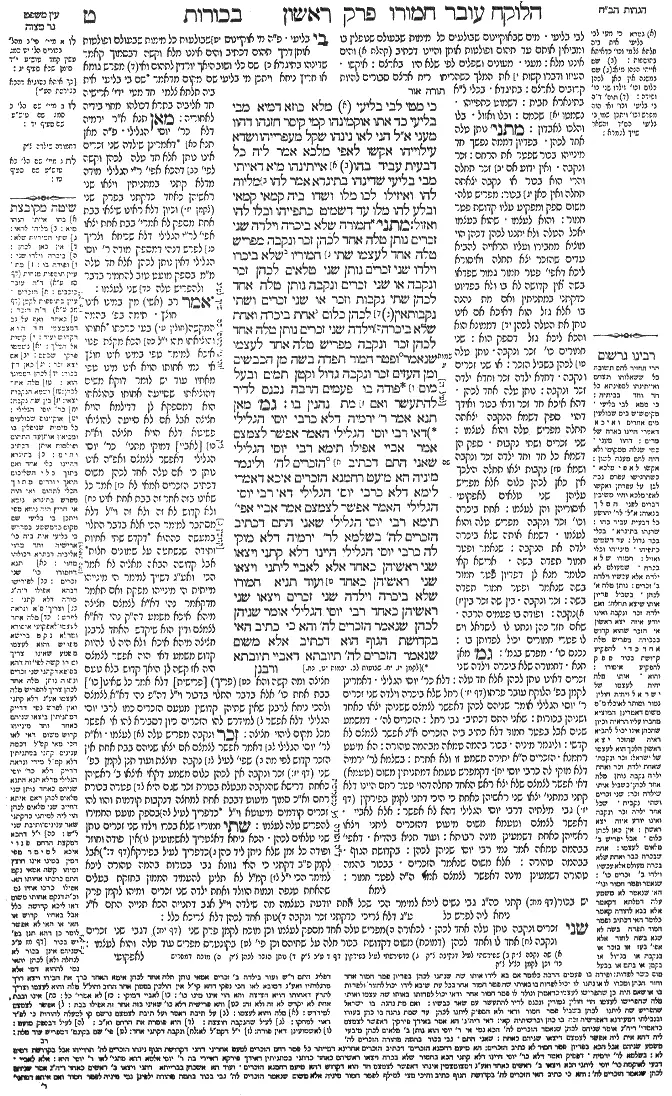
Bekhorot 9a - Guemara
כי מטי לבי בליעי מלא כוזא דמיא מבי בליעי כד אתו אוקמינהו קמי קיסר חזנהו דהוו מעני א"ל הני לאו נינהו שקל מעפרייהו ושדא עילוייהו אקשו לאפי מלכא אמר ליה כל דבעית עביד בהו אייתינהו מיא דאייתי מבי בליעי שדינהו בתיגדא אמר להו מליוה להו ואיזילו לכו מלו ושדו ביה קמאי קמאי ובלע להו מלו עד דשמיט כתפייהו ובלו להו ואזול:
מתני׳ חמורה שלא ביכרה וילדה שני זכרים נותן טלה אחד לכהן זכר ונקבה מפריש טלה אחד לעצמו שתי חמוריו שלא ביכרו וילדו שני זכרים נותן שני טלאים לכהן זכר ונקבה או שני זכרים ונקבה נותן טלה אחד לכהן שתי נקבות וזכר או שני זכרים ושתי נקבות אין לכהן כלום אחת ביכרה ואחת שלא ביכרה וילדה שני זכרים נותן טלה אחד לכהן זכר ונקבה מפריש טלה אחד לעצמו שנאמר (שמות יג, יג) ופטר חמור תפדה בשה מן הכבשים ומן העזים זכר ונקבה גדול וקטן תמים ובעל מום פודה בו פעמים הרבה נכנס לדיר להתעשר ואם מת נהנין בו:
גמ׳ מאן תנא אמר ר' ירמיה דלא כרבי יוסי הגלילי דאי רבי יוסי הגלילי האמר אפשר לצמצם אמר אביי אפילו תימא רבי יוסי הגלילי שאני התם דכתיב (שמות יג, יב) הזכרים לה' וליגמר מיניה הא מיעט רחמנא הזכרים איכא דאמרי לימא דלא כרבי יוסי הגלילי דאי רבי יוסי הגלילי האמר אפשר לצמצם אמר אביי אפי' תימא רבי יוסי הגלילי שאני התם דכתיב הזכרים לה' בשלמא לר' ירמיה דלא מוקי לה כרבי יוסי הגלילי היינו דלא קתני ויצאו שני ראשיהן כאחד אלא לאביי ליתני ויצאו שני ראשיהן כאחד ועוד תניא חמורו שלא ביכרה וילדה שני זכרים ויצאו שני ראשיהן כאחד רבי יוסי הגלילי אומר שניהן לכהן שנאמר הזכרים לה' והא כי כתיב האי בקדושת הגוף הוא דכתיב אלא משום שנאמר הזכרים לה' תיובתא דאביי תיובתא
Comments from Rashi on Masechet Bekhorot Page 9a
לבי בליעי . מים שבאוקיינוס שבולעים כל מימות שבעולם שנופלין בו ומביאין אותם עד תהום ופולטות אותן והיינו דכתיב (קהלת א) והים איננו מלא: מעני . מעונים ושפלים לפי שלא היו בארצם: איקשו . העיזו ודברו קשות את המלך כשהריחו ריח ארצם סבורים להיות קרובים לארצם: בתיגדא . בכלי. ל"א בתינארא חבית: דשמוט כתפייהו . נשמטו שכמם: ובלו ואזול . בלו והלכו לאבדון: מתני' נותן טלה אחד לכהן . בפדיון דממה נפשך חד מינייהו בכור שפטר את הרחם: זכר ונקבה . ואין ידוע אם זכר תחלה והרי הוא בכור או נקבה יצאתה תחלה ואין כאן בכור: מפריש טלה . משום ספק ומפקיע עליו קדושת פטר חמור: והוא לעצמו . שהוא בעצמו יאכל הטלה ולא יתננו לכהן דכהן הוי מוציא מחבירו ועליו הראייה להביא עדים שהזכר יצא תחלה ואיסורא ליכא דאפי' פטר חמור גמור שפדאו בשה אין קדושה לא בו ולא בפדיונו כדקתני במתניתין ואם מת נהנה בו אלא גזל הוא דאיכא אם אינו נותן את הטלה לכהן דממונא הוא והכא ליכא גזל דספק הוא: שני חמורים כו' זכר ונקבה נותן טלה לכהן . בשביל הזכר: או שני זכרים ונקבה . דחדא ילדה זכר וחדא ילדה זכר ונקבה: נותן טלה אחד לכהן . דהא איכא חד זכר ודאי בכור ואידך דהוי ספק דשמא הנקבה יצאתה תחלה מפריש טלה והוא לעצמו: שני זכרים ושתי נקבות . ספק הן דשמא כל חד וחד ילדה זכר ונקבה ושמא נקבות יצאו תחלה הילכך אין כאן לכהן כלום אלא מפריש עליהן שני טלאים לאפקועי איסוריהן והן לעצמו: אחת ביכרה וכו' זכר ונקבה מפריש טלה והוא לעצמו . דשמא אותה שלא ביכרה ילדה את הנקבה: שנאמר ופטר חמור תפדה בשה . ארישא קאי כלומר מנא לן דפדיון פטר חמור בשה שנאמר ופטר חמור תפדה בשה: זכר ונקבה . בין שה זכר בין נקבה: ופודה בו פעמים הרבה . שאם חזר כהן ונתנו לו לישראל ויש לו פטרי חמורים יכול לפדותן בו: נכנס כו' . מפרש בגמ': גמ' מאן תנא . דחמורה שלא ביכרה וילדה שני זכרים דאינו נותן לכהן אלא חד טלה: דלא כר' יוסי הגלילי . דאמרינן לקמן בפ' הלוקח עובר פרתו (בכורות דף יז.) רחל שלא ביכרה וילדה שני זכרים ר' יוסי הגלילי אומר שניהם לכהן דאפשר לצמצם ששניהן יצאו כאחד ושניהן בכורות: שאני התם דכתיב . גבי רחל: הזכרים לה' . דמשמע שנים אבל בפטר חמור דלא כתיב ביה הזכרים א"נ אפשר לצמצם לא קדשי: וליגמר מיניה . בכור בהמה טמאה מבהמה טהורה: הא מיעט רחמנא . הזכרים ה"א יתירה משמע זו ולא אחרת: בשלמא לר' ירמיה דלא מוקי לה כרבי יוסי . דקמפרש טעמא דמתניתין משום (טעמא) דאי אפשר לצמצם שלא יצא ראש האחד תחלה דהוי פטר רחם היינו דלא קתני במתני' יצאו שני ראשיהן כאחד כי היכי דתני לקמן בפירקין (בכורות דף יז.) גבי מילתיה דרבי יוסי הגלילי דהא לא אפשר: אלא לאביי . דאפשר לצמצם וטעמא משום מיעוט דהזכרים ליתני ויצאו ראשיהן כאחת דשמעינן מינה רבותא: ועוד תניא . בהדיא דאפי' בבהמה טמאה אמר נמי רבי יוסי שניהן לכהן: בקדושת הגוף . בבהמה טהורה: אלא משום שנאמר הזכרים . בבכור בהמה טהורה דשמעינן מינה דאפשר לצמצם אמר ה"ה לפטר חמור:
Comments from Tosafot - Bekhorot 9a
בי בליעי . פ"ה מי אוקיינוס שבולעות כל מימות שבעולם ופולטות אותן דרך תהום דכתיב והים איננו מלא וקשה דבסמוך קאמר שדינהו בתיגרא שם כלי ושוב היאך יורדין לתהום ואי מפרש גומא או חריץ ניחא ויתכן מי בליעי שם מקום מדאמר שם בי בליעי אית ביה תלתא צלמי חד מטי ידי' ארישיה חד אליביה בתרא דכולהו מחוי בידיה לאחוריה: זכר ונקבה מפריש טלה לעצמו . וא"ת לר' יוסי הגלילי דאמר אפשר לצמצם אם יצאו שניהם בבת אחת אין הזכר קדוש לפי מה שפי' לעיל נקבה חוצצת ועוד תנן לקמן בפ' שני (בכורות דף יז:) זכר ונקבה אין לכהן כלום משמע דקאי איצאו ב' ראשיהן כאחת דרישא שהנקבה מבטלת בכורת זכר שגם היא פטרה בכורת רחם וא"כ סמוך מיעוט דבבת אחת למחצה דנקבות קודמות והוו להו זכרים קודמים מיעוטא וי"ל כדפריך לעיל בספק מועט החמירו להפריש טלה לעצמו: שתי חמוריו שלא בכרו וילדו שני זכרים נותן שני טלאים לכהן . הכא ניחא דאצטריך לאשמועינן אין פודה וחוזר ופודה כל זמן שלא ניתן ליד כהן כדפריך לעיל בפירקא (בכורות דף ד:) אבל לקמן פ"ב דקתני כי האי גוונא גבי בכורות בהמה טהורה ליכא למימר הכי י"ל קמ"ל לא תלינן להעמיד הממון בחזקת בעלים שהאחת טנפה ונמוח הוולד ואחת ילדה שני זכרים ומיהו לקמן פרק יש בכור (בכורות דף מח:) קתני כה"ג גבי נשים ליכא למימר הכי שכל אחת יודעת בעצמה מה שילדה וי"ל אגב דתנייה הכא תנייה התם א"נ ניחא ליה לפרש כל גווני ואע"ג דלא צריכי כדקתני זכר ונקבה נותן אחד לכהן דלא צריכא כלל: שני זכרים ונקבה נותן טלה אחד לכהן . לכאורה מפריש טלה אחד מספק לעצמו וכן מוכח לקמן פרק שני (בכורות דף יח:) דגבי שני זכרים ונקבה אחד לו ואחד לכהן (דמוכח) משום דקדושת בכור חלה על שתיהם וכן פי' בקונטרס מפריש עוד טלה והוא לעצמו: מאן תנא א"ר ירמיה דלא כר' יוסי הגלילי . פ"ה מאן תנא דאמרינן שילדה שני זכרים אינו נותן אלא חד טלה לכהן וקשה לפי' דהכא אפי' ר"י הגלילי מודה מדלא קתני במתניתין ויצאו שני ראשיהן כאחד כדקתני בפרק שני (לקמן בכורות יז.) וכיון דלא ראינו שיצאו בבת אחת מספק לא אמרי' בבת אחת יצאו אפי' לר"י הגלילי דלא שכיחא וצריך לפרש דנהי דמספק מודה ר' יוסי הגלילי דאין נותן לכהן אלא חד טלה מ"מ בספק מועט טוב להחמיר בדבר ולהפריש טלה שני לעצמו:
Bekhorot 9a - Mishnah translated into english
When they reached the House of the Swallowed, a location in the sea where the water absorbs everything in its vicinity, Rabbi Yehoshua ben Ḥananya filled up a small jug of water from the House of the Swallowed. When they arrived, he presented the sages of Athens before the emperor. The emperor saw that the sages of Athens were suffering due to their having been taken captive. He said to Rabbi Yehoshua: These individuals cannot be the sages of Athens, because those sages are strong and arrogant. Rabbi Yehoshua took some of the dirt that he had taken from Athens and threw it upon them. When they smelled the scent of their own soil they began to act like themselves again, and they spoke with arrogance before the king. Upon hearing them, the emperor said to Rabbi Yehoshua: You may do with them whatever you wish.
Rabbi Yehoshua brought the water that he had brought from the House of the Swallowed and poured it into a utensil [betigada]. He said to the sages: Fill it up and go on your way. They filled and poured one by one, i.e., they filled the utensil by pouring in water numerous times, and each time the utensil swallowed up the water. They continued to fill it until their shoulders became disjointed. In this manner, the sages of Athens were defeated.
MISHNA: In the case of a female donkey that had not previously given birth and now gave birth to two male offspring, as there is no doubt that one of them is firstborn, its owner gives one lamb to the priest in redemption of that firstborn. If it gave birth to a male and a female and it is not known which was born first, he designates one lamb as firstborn in case the male was born first. Nevertheless, since it is merely a monetary debt to the priest, the burden of proof rests upon the claimant, in this case the priest. Due to that uncertainty, the priest can offer no proof and the owner keeps the lamb for himself.
If an individual has two donkeys, and both of his two donkeys had not previously given birth and they now gave birth to two males, one each, the owner gives two lambs to the priest. If they together gave birth to a male and a female or to two males and a female, he gives one lamb to the priest, as one of the males is certainly a firstborn. If they together gave birth to two females and a male or to two males and two females, the priest receives nothing, as perhaps the two firstborn were females.
If one of his donkeys had previously given birth and one had not previously given birth and they now together gave birth to two males, the owner gives one lamb to the priest as redemption for the firstborn male. If they together gave birth to a male and a female he designates one lamb for himself, as it is uncertain whether or not the male was a firstborn and the burden of proof rests upon the claimant.
From where is it derived that the firstborn of a donkey is redeemed with a lamb? It is derived from a verse, as it is stated: “And you shall redeem the firstborn of a donkey with a lamb [seh]” (Exodus 34:20). The owner may give a lamb either from sheep or from goats; from males or females, from older or younger animals, and from unblemished or blemished animals. If the priest returns the lamb to the owner, he may redeem firstborn donkeys with it many times. In a case where he designates a lamb due to uncertainty and keeps it for himself, it is his in every sense. Consequently, it enters the pen in order to be tithed with the other non-sacred animals (see Leviticus 27:32), and if it dies, one may derive benefit from its carcass.
GEMARA: With regard to the first clause of the mishna the Gemara asks: Who is the tanna who taught that if a female donkey that had never given birth before gives birth to twin males, the owner gives only one lamb to the priest? Rabbi Yirmeya says: It is not in accordance with the opinion of Rabbi Yosei HaGelili. As if it were in accordance with the opinion of Rabbi Yosei HaGelili, doesn’t he say in a later mishna (17a) with regard to a kosher animal that gave birth to two males and both their heads emerged as one, that it is possible that both births coincided precisely, and therefore both of the twins are given to the priest? According to his opinion, in the case here as well, two lambs should be given to the priest. The mishna clearly follows the opinion of the Rabbis that only one of the two is considered a firstborn.
Abaye says: You may even say that the mishna is in accordance with the opinion of Rabbi Yosei HaGelili, and it is different there with regard to a kosher animal, as it is written: “Every firstborn that you have of animals, the males shall be the Lord’s” (Exodus 13:12), i.e., the word “males” is written in the plural. This indicates that if they emerged simultaneously they both have firstborn status. By contrast, with regard to redeeming a firstborn donkey, only one has firstborn status.
The Gemara challenges: But let him derive from the halakha of a firstborn kosher animal that the halakha of a firstborn donkey is the same. The Gemara answers: The Merciful One restricted this principle to the case of a firstborn kosher animal, where it is written: “The males shall be the Lord’s.” The word “the” indicates that two males can be considered firstborn only in the case of a firstborn kosher animal.
Some say there is another version of this discussion: Let us say that the mishna is not in accordance with the opinion of Rabbi Yosei HaGelili, as if it follows the opinion of Rabbi Yosei HaGelili, doesn’t he say it is possible that both births coincide precisely, and if they were born simultaneously both are considered firstborn? Abaye says: You may even say it is in accordance with the opinion of Rabbi Yosei HaGelili, and it is different there, as it is written: “The males shall be the Lord’s.”
The Gemara asks: Granted, according to Rabbi Yirmeya, who does not interpret the mishna in accordance with the opinion of Rabbi Yosei HaGelili, that is the reason that it does not teach: And both of their heads emerged as one, as stated in the mishna where the ruling of Rabbi Yosei HaGelili is taught; according to the Rabbis who disagree with Rabbi Yosei HaGelili, this is impossible. But according to Abaye, who holds that the mishna is in accordance with the opinion of Rabbi Yosei HaGelili and such an occurrence is possible, let the mishna teach: And both of their heads emerged as one, indicating that in this case even Rabbi Yosei HaGelili agrees only one lamb is given to the priest.
Furthermore, it is taught in a baraita: If one’s donkey had not previously given birth and now gave birth to two males, and both of their heads emerged as one, Rabbi Yosei HaGelili says: Both of them are given to the priest, as it is stated: “The males shall be the Lord’s.”
The Gemara clarifies: But when this verse is written, isn’t it written with regard to a firstborn kosher animal, which has inherent sanctity, unlike a firstborn donkey? Rather, because it is stated with regard to a kosher animal: “The males shall be the Lord’s,” this serves as the basis for the halakha with regard to the firstborn of a non-kosher animal that both males can be considered firstborn. If so, the refutation of the opinion of Abaye is in fact a conclusive refutation, and the mishna is in accordance with the opinion of the Rabbis, not that of Rabbi Yosei HaGelili.
Traduction : The William Davidson digital edition of the Koren Noé Talmud, with commentary by Rabbi Adin Even-Israel Steinsaltz.