 Talmud Bavli
Sotah 26b : Youtube
Daf TubeYoutube
2 video classes :
Sotah Page 26b
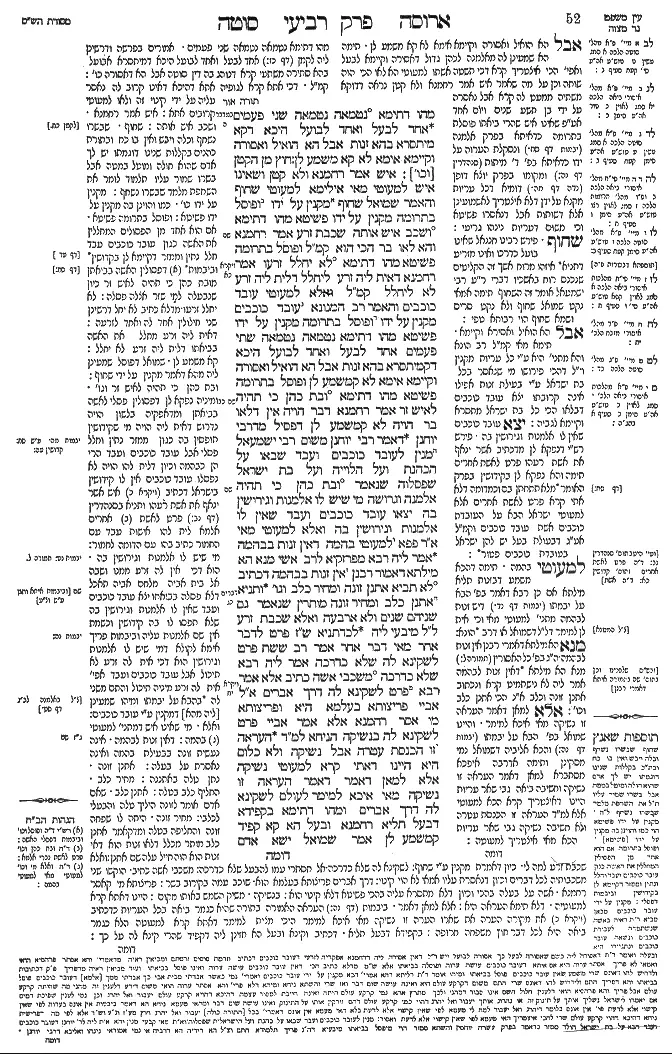
Sotah 26b - Guemara
מהו דתימא (במדבר ה, יג) נטמאה נטמאה שני פעמים אחד לבעל ואחד לבועל היכא דקא מיתסרא בהא זנות אבל הא הואיל ואסורה וקיימא אימא לא קא משמע לן חוץ מן הקטן [וכו'] איש אמר רחמנא ולא קטן ושאינו איש למעוטי מאי אילימא למעוטי שחוף והאמר שמואל שחוף מקנין על ידו ופוסל בתרומה מקנין על ידו פשיטא מהו דתימא (במדבר ה, יג) ושכב איש אותה שכבת זרע אמר רחמנא והא לאו בר הכי הוא קמ"ל ופוסל בתרומה פשיטא מהו דתימא (ויקרא כא, טו) לא יחלל זרעו אמר רחמנא דאית ליה זרע ליחלל דלית ליה זרע לא ליחלל קמ"ל ואלא למעוטי עובד כוכבים והאמר רב המנונא עובד כוכבים מקנין על ידו ופוסל בתרומה מקנין על ידו פשיטא מהו דתימא נטמאה נטמאה שתי פעמים אחד לבעל ואחד לבועל היכא דקמיתסרא בהא זנות אבל הא הואיל ואסורה וקיימא אימא לא קמשמע לן ופוסל בתרומה פשיטא מהו דתימא (ויקרא כב, יב) ובת כהן כי תהיה לאיש זר אמר רחמנא דבר הויה אין דלאו בר הויה לא קמשמע לן דפסיל מדרבי יוחנן דאמר רבי יוחנן משום רבי ישמעאל מנין לעובד כוכבים ועבד שבאו על הכהנת ועל הלוייה ועל בת ישראל שפסלוה שנאמר (ויקרא כב, יג) ובת כהן כי תהיה אלמנה וגרושה מי שיש לו אלמנות וגירושין בה יצאו עובד כוכבים ועבד שאין לו אלמנות וגירושין בה ואלא למעוטי מאי א"ר פפא למעוטי בהמה דאין זנות בבהמה אמר ליה רבא מפרזקיא לרב אשי מנא הא מילתא דאמור רבנן אין זנות בבהמה דכתיב (דברים כג, יט) לא תביא אתנן זונה ומחיר כלב וגו' ותניא אתנן כלב ומחיר זונה מותרין שנאמר גם שניהם שנים ולא ארבעה ואלא שכבת זרע ל"ל מיבעי ליה לכדתניא ש"ז פרט לדבר אחר מאי דבר אחר אמר רב ששת פרט לשקינא לה שלא כדרכה אמר ליה רבא שלא כדרכה (ויקרא יח, כב) משכבי אשה כתיב אלא אמר רבא פרט לשקינא לה דרך אברים א"ל אביי פריצותא בעלמא היא ופריצותא מי אסר רחמנא אלא אמר אביי פרט לשקינא לה בנשיקה הניחא למ"ד העראה זו הכנסת עטרה אבל נשיקה ולא כלום היא היינו דאתי קרא למעוטי נשיקה אלא למאן דאמר דאמר העראה זו נשיקה מאי איכא למימר לעולם לשקינא לה דרך אברים ומהו דתימא בקפידא דבעל תליא רחמנא ובעל הא קא קפיד קמשמע לן אמר שמואל ישא אדם
Comments from Rashi on Masechet Sotah Page 26b
מהו דתימא נטמאה נטמאה שני פעמים . אמורים בפרשה ודרשינן ליה לקמן (סוטה דף כז:) אחד לבעל ואחד לבועל היכא דמיתסרא אבועל בהא סתירה משתעי קרא דנוהג בה דין סוטה אבל הא דאסורה כו': קמ"ל . דכי אתא קרא לגופיה אתא דהיכא דאינו קרוב לה נאסר עליה על ידי קינוי זה ולאו למעוטי קרובים אתא: איש אמר רחמנא . ושכב איש אותה: שחוף . שבשרו נשחף וכלה ויבש ואין בו כח ובתורת כהנים בקללות שנינו דוגמתו יש לך אדם שהוא חולה ומוטל במטה אבל בשרו שמור עליו תלמוד לומר את השחפת מלמד שבשרו נשחף: מקנין על ידו כו' . כמו והוינן בה מקנין על ידו פשיטא: ופוסל בתרומה פשיטא . אם הוא אחד מן הפסולים המחללין את האשה כגון עובד כוכבים עבד חלל נתין וממזר דקיימא לן בקדושין וביבמות דפסולין האשה בביאתן מובת כהן כי תהיה לאיש זר כיון שנבעלה למי שזר אצלה פסלה: לא יחלל זרעו . מדלא כתיב לא יחל דרשינן שני חילולין אחד לה ואחד לזרעה: דאית ליה זרע מחלל את האשה בביאתו דלית ליה זרע לא יחלל: קא משמע לן . שמואל דפוסל שמעינן ליה מהא דאמר מקנין על ידי שחוף: ובת כהן כי תהיה לאיש זר וגו' . ומיניה נפקא לן דפסולין פסלי לאשה בביאתן ומדאפקיה בלשון הויה נדרוש דאית ליה הויה מי שקידושין תופסין בה כגון ממזר נתין וחלל פסלי אבל עובד כוכבים ועבד הרי הן כבהמה וכיון דלית להו הויה לא נפסלו עובד כוכבים אין לו קידושין בישראל דכתיב (ויקרא כ) איש אשר ינאף את אשת רעהו ותניא בסנהדרין (דף נב:) פרט לאשת אחרים אלמא לית להו אישות עבד עם החמור כתיב בהו עם הדומה לחמור: מי שיש לו אלמנות וגירושין בה . הוא דכי אין לה זרע ממנו ושבה אל בית אביה מלחם אביה תאכל דלא פסלה בביאתו יצא עובד כוכבים ועבד שאין לו אלמנות וגירושין בה שלא תפסו לו בה קידושין וכשמת אין שם אלמנות עליה וביבמות פריך אימא לקולא דמי שיש לו אלמנות וגירושין הוא דכי אית לה זרע לא תיכול אבל עובד כוכבים ועבד אפי' אית לה זרע מיניה תיכול והתם משני לה. בהבא על יבמתו ומיהו שמעינן [ליה מהא] דמקנין ע"י עובד כוכבים: ואלא . מי שאינו איש דמתני' למעוטי בהמה: דאין זנות לבהמה . אינה נעשית זונה בבעילת בהמה ואינה נאסרת על בעלה: אתנן זונה . נתן טלה באתננה: מחיר כלב . החליף כלב בטלה: אתנן כלב . שאם אדם אומר לזונה היליך טלה והבעלי לכלבי: מחיר זונה . היתה לו שפחה זונה והחליפה בטלה ומדקאמר אתנן כלב מותר מכלל דלאו זנות הוא דאי זנות הוא הוה חייל עלה שם אתנן: ואלא שכבת זרע למה לי . כיון דאמרת מקנין ע"י שחוף: לשקינא לה שלא כדרכה . אל תסתרי עמו להבעל שלא כדרכה: משכבי אשה כתיב . הוקשו שני משכבותיה לכל דברים וכיון דנאסרת עליו אמאי לא הוי קינוי: דרך אברים פריצותא בעלמא הוא . שוכב עמה בקירוב בשר: פריצותא מי קאסר רחמנא . אשה על בעלה בהכי וכיון דלא מתסרא עליה בהכי פשיטא דלאו קינוי הוא: בנשיקה . משיק השמש באותו מקום: היינו דאתא קרא למעוטיה . דלא תימא העראה היא: אלא למאן דאמר . ביבמות (דף נה:) העראה האמורה בתורה שהיא כגמר ביאה בכל העריות כדכתיב (ויקרא כ) את מקורה הערה את שארו הערה זו נשיקה מאי איכא למימר היכי מצית למימר דאתא קרא למעוטה הלא כגמר ביאה היא לכל דבר חוץ משפחה חרופה: בקפידה דבעל תליא . דכתיב וקינא ובעל הא חזינן ליה דקפיד שהרי קינא לה על כך:
Comments from Tosafot - Sotah 26b
אבל הא הואיל ואסורה וקיימא אימא לא קא משמע לן . תימה הא שמעינן לה מאלמנה לכהן גדול דאסירה וקיימא לבעל ואפי' הכי איצטריך קרא דכי תשטה אשתו למעוטי הא לאו הכי הוה שותה וכן על מה שאמר איש אמר רחמנא ולא קטן נראה דדוקא משתיה ממעט לה קרא אבל נאסרה על ידי בן תשע שנים ויום אחד אע"פ שאינו איש שהרי ביאתו פוסלת בתרומה כדאיתא בפרק אלמנה (יבמות דף סח.) ונסקלת הערוה על ידו כדאיתא בפ' ד' מיתות (סנהדרין דף נה:) ומקומו בפרק יוצא דופן (נדה דף מה.) דומיא דכל עריות מקנא על ידן דלא איצטריך לאשמועינן אלא דשותות אבל דנאסרו פשיטא וכי משום דעריות נינהו גריעי: שחוף . פירש רבינו חננאל שאינו בועל כדרכו ואינו מזריע דתניא איזהו מרוח אשך זה הקליטים שנכנס רוח באשכיו דברי ר"ע רבי ישמעאל אומר זה השחוף תימה אמאי נקט שמואל שחוף ולא נקט סריס ושמא שחוף הוי רבותא טפי: אבל הא הואיל ואסירא וקיימא . תימא מאי קמ"ל רב הונא והא מתני' היא ע"י כל עריות מקנין וי"ל דהכי פירושו מי שנאסר בכל בת ישראל ע"י בעילת זנות אפילו אינה קרובתו יצא עובד כוכבים דבלאו הכי כל בת ישראל מתסרא וקיימא לגביה: יצא עובד כוכבים שאין לו אלמנות וגירושין בה . פירש רש"י דנפקא לן מדכתיב אשר ינאף את אשת רעהו פרט לאשת אחרים תימה והא נפקא לן בקידושין בפרק האומר מלא תתחתן בם וכמדומה דלא אתי קרא פרט לאשת אחרים אלא למעוטי ישראל הבא על העובדת כוכבים אשת עובד כוכבים וקמ"ל אע"ג דבעולת בעל יש להן ישראל בעובדת כוכבים פטור: למעוטי בהמה . תימה דהכא משמע דבזנות תליא מילתא אם כן רבא דאמר בפ' הבא על יבמתו (יבמות דף נד.) דיש זנות לבהמה מתני' למעוטי מאי וכי אית לן למימר דל"ל דשמואל או דרב הונא: מנא הא מילתא דאמרי רבנן אין זנות לבהמה . ה"ג בפ' כל האסורין (תמורה ל:) מנא הא מילתא דאין זנות לבהמה אמר ליה לא נישתמיט קרא ונכתוב אתנן זונה וכלב א"נ הכי אתנן כלב וכו': אלא למאן דאמר העראה זו נשיקה מאי איכא למימר . והיינו שמואל בפ' הבא על יבמתו (יבמות דף נה:) והכא אליביה דשמואל נמי מסקינן ותימה אדרבה איפכא מסתברא למאן דאמר העראה זו נשיקה וחשיבה ביאה גבי שאר עריות היינו דאיצטריך קרא הכא למעוטי אלא למ"ד העראה זו הכנסת עטרה ולא חשיבה נשיקה גבי שאר עריות הכא מאי איצטריך למעוטה:
Sotah 26b - Mishnah translated into english
The Gemara answers: It is necessary, lest you say that the sota ritual does not apply with regard to forbidden relatives, as the Torah states: “And she was defiled” (Numbers 5:13), “And she was defiled” (Numbers 5:14), two times. One verse teaches that she is defiled and forbidden to her husband, and one verse teaches that she is forbidden to her paramour. One might understand that the sota ritual applies only where she is forbidden to the paramour due to this licentious intercourse; however, with regard to that woman, who secluded herself with a forbidden relative, since the woman already stands prohibited to him due to the prohibition of incest, one might say that the sota ritual does not apply. The mishna therefore teaches us that one can issue a warning even with regard to forbidden relatives.
§ The mishna states: A husband can issue a warning to his wife with regard to all those with whom relations are forbidden, with the exception of a minor and of one who is not a man. The Gemara cites the source for this halakha: The Merciful One states in the Torah: “And a man lay with her” (Numbers 5:13), indicating that one can warn his wife with regard to a man but not with regard to a minor. The Gemara asks: The phrase: And of one who is not a man, serves to exclude what? If we say that it serves to exclude a sick man who lacks the ability to complete intercourse [shaḥuf], but didn’t Shmuel say: One can issue a warning with regard to a shaḥuf, and if a shaḥuf engages in sexual intercourse with the daughter of a priest, he disqualifies her from partaking of teruma.
With regard to Shmuel’s statement that one can issue a warning with regard to a shaḥuf, the Gemara asks: Isn’t that obvious? The Gemara answers: It is necessary, lest you say that one cannot issue a warning with regard to a shaḥuf, as the Merciful One states in the Torah: “And a man lay with her carnally [shikhvat zera]” (Numbers 5:13), literally, a lying of seed, and this man is not capable of that, as he cannot ejaculate. Shmuel therefore teaches us that one can issue a warning with regard to a shaḥuf.
The Gemara asks with regard to Shmuel’s statement that a shaḥuf who engages in sexual intercourse with the daughter of a priest disqualifies her from partaking of teruma: Isn’t that obvious? The Gemara answers: It is necessary lest you say that a shaḥuf does not disqualify the daughter of a priest from partaking of teruma, as the Merciful One states in the Torah with regard to a priest: “And he shall not disqualify his offspring among his people” (Leviticus 21:15). One might infer from this verse that one who can have offspring disqualifies a woman from partaking of teruma, through forbidden sexual intercourse, and that one who cannot have offspring does not disqualify a woman from partaking of teruma. Shmuel therefore teaches us that this is not so. In any event, Shmuel states that one can issue a warning on account of a shaḥuf, unlike the initial interpretation of the mishna.
Since Shmuel’s statement contradicts the suggestion that the mishna excludes a shaḥuf, the Gemara suggests another explanation: Rather, the mishna serves to exclude a gentile, and teaches that one cannot issue a warning with regard to him. The Gemara asks: But didn’t Rav Hamnuna say: One can issue a warning with regard to a gentile, and if a gentile engages in sexual intercourse with the daughter of a priest, he disqualifies her from partaking of teruma.
The Gemara asks with regard to Rav Hamnuna’s statement that one can issue a warning with regard to a gentile: Isn’t that obvious? The Gemara answers: It is necessary lest you say that one cannot issue a warning in this case, as the verse states: “And she was defiled” (Numbers 5:13), “And she was defiled” (Numbers 5:14), twice. One verse teaches that she is defiled and forbidden to her husband, and one verse teaches that she is forbidden to her paramour. One might understand that the sota ritual applies only where she is forbidden to the paramour due to this licentious intercourse; however, with regard to that woman, who engaged in sexual intercourse with a gentile, since she already stands prohibited to him, one might say that the sota ritual does not apply. Rav Hamnuna therefore teaches us that one can issue a warning even with regard to a gentile.
The Gemara asks with regard to Rav Hamnuna’s statement that a gentile who engages in sexual intercourse with the daughter of a priest disqualifies her from partaking of teruma: Isn’t that obvious? The Gemara answers: It is necessary lest you say that he does not disqualify her, as the Merciful One states in the Torah: “And if a priest’s daughter should be unto a strange man, she shall not eat of that which is set apart from the holy things” (Leviticus 22:12), indicating that if a woman engages in sexual intercourse with one who is unfit for her, he disqualifies her from partaking of teruma. Since the term “should be unto” denotes marriage, one might say that one who is eligible for betrothal, yes, he disqualifies the woman; but a gentile, who is not eligible for betrothal, does not disqualify her. Rav Hamnuna therefore teaches us that a gentile disqualifies the woman from partaking of teruma, as one can learn from the ruling of Rabbi Yoḥanan.
This is as Rabbi Yoḥanan says in the name of Rabbi Yishmael: From where is it derived that a gentile or a slave who engaged in sexual intercourse with the daughter of a priest or with the daughter of a Levite or with the daughter of an Israelite, disqualified her from marrying a priest and from partaking of teruma? This is derived as it is stated: “But if a priest’s daughter should be a widow or a divorcée…she returns to her father’s house…she may eat of her father’s bread” (Leviticus 22:13). This indicates that the daughter of a priest returns to eat of her father’s bread, i.e., teruma, if she engaged in sexual intercourse with one whose marriage to her has the potential to end in widowhood or divorce, i.e., a Jew whom she is permitted to marry. This excludes a gentile and a slave, whose marriage to her does not have the potential to end in widowhood or divorce, as their betrothal is invalid.
Since Rav Hamnuna’s statement contradicts the suggestion that the mishna excludes a gentile, the Gemara asks: Rather, what does the term: And of one who is not a man, serve to exclude? Rav Pappa says: This serves to exclude an animal, as the concept of licentiousness does not apply with regard to an animal. Therefore, the halakhot of a sota do not apply in this case.
Rava of Parzakya said to Rav Ashi: From where is this matter that the Sages stated derived, that licentiousness does not apply with regard to an animal? Rav Ashi replied that it is as it is written: “You shall not bring the hire of a harlot, or the price of a dog, into the house of the Lord your God for any vow; for both of them are an abomination to the Lord your God” (Deuteronomy 23:19). This verse prohibits one from sacrificing an animal that served as payment to a prostitute or as payment for the purchase of a dog.
And it is taught in a mishna (Temura 30a): In the converse cases, the hire of a dog, i.e., a kosher animal that was given to the owner of a dog as payment for engaging in intercourse with it, and the price of a prostitute, i.e., a kosher animal which served as payment in the purchase of a maidservant acquired for prostitution, are permitted to be sacrificed, as it is stated in the aforementioned verse: For both of them. This term indicates that only those two animals may not be sacrificed, i.e., those which served as the hire of a harlot and as the price of a dog; and not four animals, as the reverse cases are excluded from this halakha. This indicates that the concept of licentiousness does not apply with regard to animals, as the payment for intercourse with a dog is not considered payment for prostitution.
The Gemara asks: Shmuel states that one can issue a warning with regard to a shaḥuf even though he is unable to discharge semen. But rather, why do I need the verse to state: “And a man lay with her carnally [shikhvat zera]” (Numbers 5:13)? The Gemara answers: It is necessary for that which is taught in a baraita: The term “shikhvat zera” excludes something else.
The Gemara asks: What is meant by the term: Something else? Rav Sheshet said: This excludes a case where the husband issued a warning to his wife not to engage in sexual intercourse in an atypical manner, i.e., anal intercourse, with another man, and teaches that this is not considered a valid warning. Rava said to Rav Sheshet: Intercourse in an atypical manner is considered sexual intercourse, as it is written: “The cohabitations of a woman” (Leviticus 18:22), indicating that there are two forms of sexual intercourse with a woman, vaginal and anal, and there is no halakhic differentiation between them.
Rather, Rava said: It excludes a case where the husband issued a warning to his wife not to engage in intimate contact with another man by way of other limbs, as this is not considered sexual intercourse. Abaye said to Rava: That is merely licentious behavior, and does the Merciful One render a woman forbidden to her husband on account of merely licentious behavior, without sexual intercourse? Since this does not render her forbidden to her husband, it is obvious that if the husband issues a warning in this manner, violating the warning does not cause her to become a sota. The verse is therefore not required to exclude this case.
Rather, Abaye said: The verse excludes a case where the husband issued a warning to his wife with regard to engaging in genital contact without actual penetration. The Gemara asks: This works out well according to the one who says that the definition of the initial stage of intercourse is the insertion of the corona but that genital contact is nothing; this is the reason that the verse came to exclude genital contact. However, according to the one who says that the definition of the initial stage of intercourse is genital contact, what is there to say? Why should this case be excluded from the halakhot of a sota?
The Gemara answers: Actually, the verse serves to exclude a case where the husband issued a warning to his wife not to engage in intimate contact with another man by way of other limbs. And the verse explicitly excludes this case from the halakhot of a sota, lest you say that the woman is rendered a sota due to this warning, as the Merciful One made this halakha dependent on the husband’s objection, and the husband objects to contact of this nature. The verse therefore teaches us that this is not considered a warning, as it does not involve sexual intercourse.
§ Shmuel says: It is better that a man marry
Traduction : The William Davidson digital edition of the Koren Noé Talmud, with commentary by Rabbi Adin Even-Israel Steinsaltz.