 Talmud Bavli
The learning on the whole site is dedicated : L'ilui Nishmat Ledicia bat David Banoun
The learning on the whole site is dedicated : L'ilui Nishmat Nissim ben Barukh Malka
The learning on the whole site is dedicated : L'ilui Nishmat Jacques Isaac Ben Amram Loubaton
Sotah 19a : Youtube
Daf TubeYoutube
2 video classes :
Sotah Page 19a
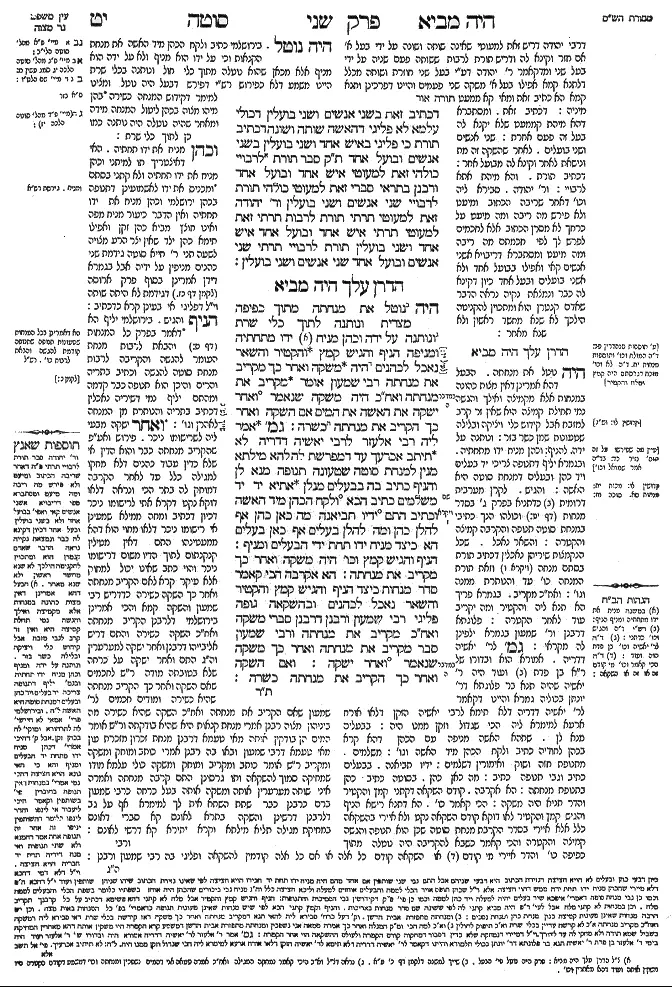
Sotah 19a - Guemara
דכתיב זאת בשני אנשים ושני בועלין דכולי עלמא לא פליגי דהאשה שותה ושונה דכתיב תורת כי פליגי באיש אחד ושני בועלין בשני אנשים ובועל אחד ת"ק סבר תורת לרבויי כולהי זאת למעוטי איש אחד ובועל אחד ורבנן בתראי סברי זאת למעוטי כולהי תורת לרבויי שני אנשים ושני בועלין ור' יהודה זאת למעוטי תרתי תורת לרבות תרתי זאת למעוטי תרתי איש אחד ובועל אחד איש אחד ושני בועלין תורת לרבויי תרתי שני אנשים ובועל אחד שני אנשים ושני בועלין
הדרן עלך היה מביא
מתני׳ היה נוטל את מנחתה מתוך כפיפה מצרית ונותנה לתוך כלי שרת ונותנה על ידה וכהן מניח ידו מתחתיה ומניפה הניף והגיש קמץ והקטיר והשאר נאכל לכהנים היה משקה ואחר כך מקריב את מנחתה רבי שמעון אומר מקריב את מנחתה ואח"כ היה משקה שנאמר (במדבר ה, כו) ואחר ישקה את האשה את המים אם השקה ואחר כך הקריב את מנחתה כשרה גמ׳ אמר ליה רבי אלעזר לרבי יאשיה דדריה לא תיתב אכרעך עד דמפרשת לה להא מילתא מנין למנחת סוטה שטעונה תנופה מנא לן והניף כתיב בה בבעלים מנלן אתיא יד יד משלמים כתיב הכא (במדבר ה, כה) ולקח הכהן מיד האשה וכתיב התם (ויקרא ז, ל) ידיו תביאנה מה כאן כהן אף להלן כהן ומה להלן בעלים אף כאן בעלים הא כיצד מניח ידו תחת ידי הבעלים ומניף הניף והגיש קמץ וכו' היה משקה ואחר כך מקריב את מנחתה הא אקרבה הכי קאמר סדר מנחות כיצד הניף והגיש קמץ והקטיר והשאר נאכל לכהנים ובהשקאה גופה פליגי רבי שמעון ורבנן דרבנן סברי משקה ואח"כ מקריב את מנחתה ורבי שמעון סבר מקריב את מנחתה ואחר כך משקה שנאמר (במדבר ה, כו) ואחר ישקה ואם השקה ואחר כך הקריב את מנחתה כשרה
Comments from Rashi on Masechet Sotah Page 19a
דכתיב זאת . ומסתברא דהא מיהת קממעט שלא יקנא לה בעל זה פעם אחרת: שני אנשים ושני בועלים . לאחר שהשקה זה מת ונישאת לאחר וקינא לה מבועל אחר: דכתיב תורת . והא מיהת אתא לרבויי: ור' יהודה . סבירא ליה וכו' דאחר שריבה הכתוב ומיעט ולא פירש מה ריבה ומה מיעט על כרחך לא מסרן הכתוב אלא לחכמים לפרש לך לפי חכמתם מה ריבה ומה מיעט ומסתברא דריבויא אשני אנשים קאי ואפילו בבועל אחד ולא אשני בועלים ובעל אחד כיון דקינא לה כבר ונמצאת נקיה נראה הדבר שאדם קנטרן הוא ומתכוין להקניטה הילכך לא שנא מחשד ראשון ולא שנא מאחר: מתני' היה נוטל את מנחתה . הבעל דהא אמרינן דאין מצות כהונה במנחות אלא מקמיצה ואילך והגשה נמי תחילת קמיצה היא שאין זר קרב למזבח אבל קידוש כלי ויציקה ובלילה שטעונות שמן כשר בזר: ונותנה על ידה . להניף: וכהן מניח ידו מתחתיה . ובגמרא יליף דתנופה צריכי יד בעלים ויד כהן ובעלים דמנחת סוטה היא האשה: והגיש . לקרן מערבית דרומית כדתניא בפרק ג' בסדר מנחות (דף יט:) וכולהו הנך כתיבי במנחת סוטה תנופה והקרבה קמיצה והקטרה: והשאר נאכל . שכל הנקמצות שיריהן נאכלין דכתיב תורת בסתם מנחה (ויקרא ו) וזאת תורת המנחה כו' עד והנותרת ממנה וגו': ואח"כ מקריב . בגמרא פריך הא תנא ליה והקטיר ומה יקריב עוד לאחר הקטרה: פלוגתא דרבנן ור' שמעון בגמרא ילפינן לה מקראי: גמ' לר' יאשיה דדריה . אמורא הוא ובדורו של ר"א בן פדת ועוד היה ר' יאשיה שהיה תנא בר פלוגתא דר' יונתן בכוליה גמרא והיינו דקאמר לר' יאשיה דדריה דלא תימא לרבי יאשיה הזקן דלאו אורח ארעא למימרא ליה הכי שגדול וזקן ממנו היה: בבעלים מנא לן . שתהא האשה מניפה עם הכהן דהא קרא בכהן לחודיה כתיב ולקח הכהן מיד האשה וגו': משלמים . מתנופת חזה ושוק ואימורין דשלמים: ידיו תביאנה . בבעלים כתיב וגבי תנופה כתיב: מה כאן כהן . בסוטה כתיב כהן בתנופת מנחתה: הא אקרבה . קודם השקאה דקתני קמץ והקטיר והדר תניא היה משקה: הכי קאמר כו' . הא דתנא רישא הניף והגיש קמץ והקטיר לאו דוקא קודם השקאה נקט ולא איירי בהשקאה כלל אלא איירי בסדר הקרבת מנחת סוטה שכן הוא תנופה והגשה קמיצה והקטרה והכי קאמר כשבא להקריבה היה נוטלה מתוך כפיפה כו' והדר איירי מי קודם או השקאה קודם כל אלה או אם כל אלה קודמין להשקאה ופליגי בה רבי שמעון ורבנן:
Comments from Tosafot - Sotah 19a
מתני' היה נוטל . בירושלמי כתיב ולקח הכהן מיד האשה את מנחת הקנאות וכי על ידו הוא מניף ולא על ידה הוא מניף אלא מכאן שהוא נוטלה מתוך כלי חול ונותנה בכלי שרת היינו משמע דלא כפירוש רש"י דפירש דבעל היה נוטל ומצינו למימר דקידוש המנחה כשירה בהן מיהו מצוה בכהן ליטול המנחה מידה ומאחר שהיה נוטלה היה נותנה כמו כן לתוך כלי שרת: וכהן מניח את ידו תחתיה . האי דאיצטריך תו למיתני וכהן מניח את ידו תחתיה ולא קתני בסתם ומכניס את ידו לאשמועינן דתנופה בכהן ירושלמי וכהן מניח את ידו תחתיה ואין הדבר כיעור מניח מפה ואינו חוצץ מביא כהן זקן ואפילו תימא כהן ילד שאין יצר הרע מצויה לשעה תני ר' חייא סוטה גידמת שני כהנים מניפין על ידיה אבל בגמרא דידן אמרינן בסוף פרק ארוסה (לקמן סוטה דף כז.) דגידמת לא היתה שותה וי"ל דפליגי אי בעינן קרא כדכתיב: הניף והגיש . בירושלמי יליף הא דאמר בפרק כל המנחות (דף ס:) והבאת לרבות מנחת העומר להגשה והקריבה לרבות מנחת סוטה להגשה וכתיב בתריה והרים והיכן הוא תנופה כבר קדמה ומהתם יליף נמי דשיריה נאכלין דכתיב בתריה והנותרת מן המנחה לאהרן וגו':
Sotah 19a - Mishnah translated into english
as it is written: “This is the law of jealousy.” The word “this” is a restricting term and excludes that possibility. With regard to two different husbands and two different paramours, where her first husband suspected her with regard to one paramour during her first marriage and the second husband suspected her with regard to a different man during the second marriage, everyone agrees that the woman drinks and repeats, as it is written: “This is the law of jealousy,” in all cases of jealousy.
They disagree when there is one husband and two paramours, i.e., where one husband warned her with regard to a second paramour after she survived her first ordeal. They also disagree in a case of two husbands and one paramour, i.e., if her second husband accused her with regard to the same paramour on account of whom she was compelled to drink by her first husband.
The opinions are justified as follows: The first tanna holds that the phrase “the law of jealousy” serves to include all of these cases. In almost all cases the woman drinks and repeats. The word “this” serves to exclude only the case of one husband and one paramour, in which she does not drink and repeat.
And the Rabbis mentioned later in the baraita hold that the word “this” serves to exclude all of these cases. The woman almost never drinks and repeats. The phrase “the law of jealousy” serves to include only the case of two husbands and two paramours, in which she does drink and repeat.
And Rabbi Yehuda holds: The word “this” serves to exclude two of the cases, and the phrase “the law of jealousy” serves to include two. The word “this” serves to exclude the two cases of one husband and one paramour and one husband and two paramours. In neither of these cases does the woman drink and repeat. The phrase “the law of jealousy” serves to include two cases, i.e., two husbands and one paramour, and all the more so two husbands and two paramours. In both of these cases, the woman must drink and repeat.
MISHNA: He would take her meal-offering out of the Egyptian wicker basket made of palm leaves in which it was lying and would put it into a service vessel and then place it on her hand. And the priest would then place his hand underneath hers and wave it together with her. The priest waved it and brought it near to the southwest corner of the altar, removed a handful from it, and burned the handful; and the remainder was eaten by the priests.
The priest would force the woman to drink the bitter water of a sota, and afterward he would sacrifice her meal-offering. Rabbi Shimon says: The priest would sacrifice her meal-offering and afterward he would force her to drink, as it is stated: “And the priest shall take a handful of the meal-offering, as the memorial part of it, and burn it upon the altar, and afterward he shall make the woman drink the water” (Numbers 5:26). But Rabbi Shimon concedes that if the priest first forced her to drink and afterward sacrificed her meal-offering, it is still valid.
GEMARA: Rabbi Elazar said to Rabbi Yoshiya of his generation, i.e., his contemporary: You shall not sit on your feet until you explain this matter to me: From where is it derived that the meal-offering of a sota requires waving? The Gemara expresses surprise at the question: From where do we derive this? It is explicitly written with regard to the meal-offering of a sota: “And the priest shall take the meal-offering of jealousy out of the woman’s hand, and shall wave the meal-offering before the Lord, and bring it unto the altar” (Numbers 5:25). Rather, the question is as follows: From where do we derive that the waving is performed by the owner, i.e., the woman, and not only by the priest?
Rabbi Yoshiya answered: This is derived by means of a verbal analogy between the term “hand” written here and “hand” from the peace-offering: It is written here, with regard to the meal-offering of a sota: “And the priest shall take the meal-offering of jealousy out of the woman’s hand” (Numbers 5:25), and it is written there, with regard to the peace-offering: “He that offers his peace-offerings unto the Lord…His own hands shall bring the offerings…that the breast may be waved before the Lord” (Leviticus 7:29–30).
Just as here, in the case of the sota, the priest waves the offering, so too there, in the case of the peace-offering, the priest waves the offering. And just as there, in the case of the peace-offering, the owner waves the offering, so too here, in the case of the sota, the owner waves the offering. How is this accomplished? The priest places his hand beneath the hands of the owner and then waves the offering with the owner.
§ The mishna states: The priest waved it and brought it near to the southwest corner of the altar, removed a handful from it, and burned the handful. Yet the continuation of the mishna states: The priest would force the woman to drink, and afterward he would sacrifice her meal-offering. The Gemara asks: Didn’t the mishna state in the previous phrase that the offering was already sacrificed?
The Gemara answers: This is what the mishna is saying: What was the sacrificial order of meal-offerings in general? The priest waved the meal-offering and brought it near to the southwest corner of the altar, removed a handful from it, and burned the handful, and the remainder was eaten by the priests.
And as for the correct order for sacrificing the meal-offering of the sota and forcing her to drink, this itself is a matter about which Rabbi Shimon and the Rabbis disagree, as the Rabbis hold that the priest would force the woman to drink and afterward he would sacrifice her meal-offering; and Rabbi Shimon holds that the priest would sacrifice her meal-offering and afterward he would force her to drink, as it is stated: “And the priest shall take a handful of the meal-offering, as the memorial part of it, and burn it upon the altar, and afterward he shall make the woman drink the water” (Numbers 5:26).
§ The mishna states: But Rabbi Shimon concedes that if the priest first forced her to drink and afterward sacrificed her meal-offering, the offering is still valid.
Traduction : The William Davidson digital edition of the Koren Noé Talmud, with commentary by Rabbi Adin Even-Israel Steinsaltz.