 Talmud Bavli
The learning on the whole site is dedicated : L'ilui Nishmat רינה בת לדיסיה
The learning on the whole site is dedicated : L'ilui Nishmat Chemouel Eliezer ben Batcheva
The learning on the whole site is dedicated : L'ilui Nishmat Yaakov ben Myriam
Sotah 36a : Youtube
Daf TubeYoutube
2 video classes :
Sotah Page 36a
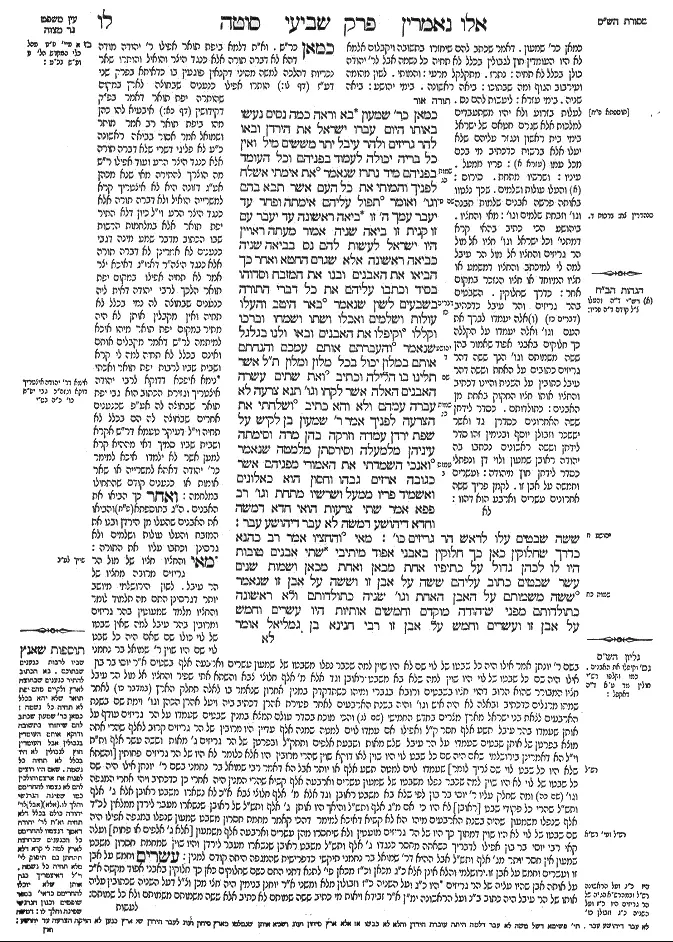
Sotah 36a - Guemara
כמאן כר' שמעון בא וראה כמה נסים נעשו באותו היום עברו ישראל את הירדן ובאו להר גריזים ולהר עיבל יתר מששים מיל ואין כל בריה יכולה לעמוד בפניהם וכל העומד בפניהם מיד נתרז שנאמר (שמות כג, כז) את אימתי אשלח לפניך והמותי את כל העם אשר תבא בהם וגו' ואומר (שמות טו, טז) תפול עליהם אימתה ופחד עד יעבר עמך ה' זו ביאה ראשונה עד יעבר עם זו קנית זו ביאה שניה אמור מעתה ראויין היו ישראל לעשות להם נס בביאה שניה כביאה ראשונה אלא שגרם החטא ואחר כך הביאו את האבנים ובנו את המזבח וסדוהו בסיד וכתבו עליהם את כל דברי התורה בשבעים לשון שנאמר (דברים כז, ח) באר היטב והעלו עולות ושלמים ואכלו ושתו ושמחו וברכו וקללו וקיפלו את האבנים ובאו ולנו בגלגל שנאמר (יהושע ד, ג) והעברתם אותם עמכם והנחתם אותם במלון יכול בכל מלון ומלון ת"ל אשר תלינו בו הלילה וכתיב (יהושע ד, כ) ואת שתים עשרה האבנים האלה אשר לקחו וגו' תנא צרעה לא עברה עמהם ולא והא כתיב (שמות כג, כח) ושלחתי את הצרעה לפניך אמר ר' שמעון בן לקיש על שפת ירדן עמדה וזרקה בהן מרה וסימתה עיניהן מלמעלה וסירסתן מלמטה שנאמר (עמוס ב, ט) ואנכי השמדתי את האמורי מפניהם אשר כגובה ארזים גבהו וחסון הוא כאלונים ואשמיד פריו ממעל ושרשיו מתחת וגו' רב פפא אמר שתי צרעות הואי חדא דמשה וחדא דיהושע דמשה לא עבר דיהושע עבר ששה שבטים עלו לראש הר גריזים כו' מאי (יהושע ח, לג) והחציו אמר רב כהנא כדרך שחלוקין כאן כך חלוקין באבני אפוד מיתיבי שתי אבנים טובות היו לו לכהן גדול על כתיפיו אחת מכאן ואחת מכאן ושמות שנים עשר שבטים כתוב עליהם ששה על אבן זו וששה על אבן זו שנאמר (שמות כח, י) ששה משמותם על האבן האחת וגו' שניה כתולדותם ולא ראשונה כתולדותם מפני שיהודה מוקדם וחמשים אותיות היו עשרים וחמש על אבן זו ועשרים וחמש על אבן זו רבי חנינא בן גמליאל אומר
Comments from Rashi on Masechet Sotah Page 36a
כמאן כר' שמעון . דאמר שכתב להם שיחזרו בתשובה ויקבלום אלמא לא היו העומדין חוץ לגבולין בכלל לא תחיה כל נשמה אבל לר' יהודה כולן בכלל לא תחיה: נתרז . מתקלקל מרעי: והמותי . לשון מהומה ועירבוב הגוף ומה שבתוכו: ביאה ראשונה . בימי יהושע: ביאה שניה . בימי עזרא: ליעשות להם נס . לעלות בזרוע ולא יהיו משתעבדים למלכות אלא שגרם חטאם של ישראל בימי בית ראשון ונגזר עליהם שלא יעלו אלא ברשות כדכתיב מי בכם מכל עמו (עזרא א): והעלו עולות ושלמים . שכך נצטוו באותה פרשה אבנים שלמות תבנה וגו' וזבחת שלמים וגו': פריו ממעל . עיניו: ושרשיו מתחת . סירוס: מאי והחציו . ביהושע הכי כתיב בהאי קרא דמתני' וכל ישראל וגו' חציו אל מול הר גריזים והחציו אל מול הר עיבל למה לי למיכתב והחציו דמשמע או חציו המיוחד או חציו הנזכר במקום אחר: כדרך שחלוקין . השבטים בהר גריזים והר עיבל כדכתיב (דברים כז) אלה יעמדו לברך את העם וגו' ואלה יעמדו על הקללה כך חלוקים באבני אפוד שאמור בהן ששה משמותם וגו' הנך ששה דהר גריזים כתובים על האחת וששה דהר עיבל כתובין על השנית והיינו דכתיב והחציו אותו חציו החקוק באחת מן האבנים: כתולדותם . כסדר לידתן ששה האחרונים כסדרן גד ואשר יששכר וזבולן יוסף ובנימין זהו סדר לידתן וששה ראשונים נכתבו בה יהודה ראובן שמעון ולוי דן ונפתלי כסדר לידתן חוץ מיהודה: ועשרים וחמשה על אבן זו . לקמן פריך ששה אחרונים עשרים וארבע הוא דהוו:
Comments from Tosafot - Sotah 36a
כמאן כר"ש . וא"ת דלמא ביפת תואר אפילו ר' יהודה מודה דהא לא דברה תורה אלא כנגד היצר והואיל והותרו שאר נכריות דהלכה למשה מסיני דקנאין פוגעין בו כדאיתא בפרק שני דע"ז (דף לו:) הותרו אפילו כנענים שבחוצה לארץ במקום שהותרה יפת תואר דאמר בפ"ק דקידושין (דף כא:) איבעיא להו כהן מהו ביפת תואר רב אמר מותר ושמואל אמר אסור בביאה ראשונה כ"ע לא פליגי דשרי שלא דברה תורה אלא כנגד היצר הרע ועוד אפילו ר"ש מה הוצרך להתירה מאי שנא מכהן אע"ג דזונה היא לא איצטריך קרא למשרייה הואיל ולא דברה תורה אלא כנגד היצר הרע וי"ל כיון דלא התיר יפת תואר אלא במלחמות הרשות שבו הכתוב מדבר שמע מינה דגבי כנענים לא אמרינן לא דברה תורה אלא כנגד היצה"ר דאע"ג דאיכא יצר אמר לא תחיה אפילו במקום יפת תואר הלכך לרבי יהודה דאית ליה כנענים שבחוצה לה נמי בכלל לא תחיה ואין מקבלין אותן לא היה מתיר במקום יפת תואר מיהו איכא למיתמה לר"ש דאמר מקבלים אותם ואינם בכלל לא תחיה למה לי קרא ושבית שביו לרבות יפת תואר ואכתי נימא איפכא דדוקא לרבי יהודה איצטריך וגזירת הכתוב הוא גבי יפת תואר שבחוצה לה אע"פ שכנענים אחרים שבחוצה לה הם בכלל לא תחיה וי"ל דעיקר טעמא דר"ש אקרא ושבית שביו סמיך דאי מההיא קרא למען אשר לא ילמדו איכא למימר כר' יהודה דאתא למשרייה או שאר אומות או כנענים קודם שהתחילו במלחמה: ואחר כך הביאו את האבנים . ה"ג בתוספתא (פ"ח) והביאו את האבנים שהעלו מן הירדן ובנו את המזבח והעלו עולות ושלמים ולא גרסינן וכתבו עליו את התורה: עשרים וחמש על אבן זו ועשרים וחמש על אבן זו . ירושלמי והלא אינן אלא כ"ג מכאן וכ"ז מכאן פי' לתנא דתני התם כשם שחלוקים כאן כך חלוקין באבני אפוד מקשה א"כ על אותה אבן שהיו עליה של הר גריזים היו כ"ג ועל השניה כ"ז וזבולון מלא ומשני א"ר יוחנן בנימין היה חצי מכן וצ"ל דעל השניה שכתובין עליה אותו של הר עיבל היה כתוב ב"נ ועל הראשונה ימ"ן א"ר זבידא ויאות מי כתיב ששה שמותם לא כתיב אלא ששה משמותם משמותם ולא כל שמותם:
Sotah 36a - Mishnah translated into english
In accordance with whose opinion is the baraita? It is in accordance with the opinion of Rabbi Shimon, who holds that the verse: “You shall keep alive no one who breathes” (Deuteronomy 20:16), is not referring to the gentiles living outside of Eretz Yisrael, because there is no concern that the Jewish people will learn “to do like all their abominations” (Deuteronomy 20:18), as these Canaanites are not located in Eretz Yisrael.
§ The Gemara continues to discuss the entrance of the Jewish people into Eretz Yisrael: Come and see how many miracles were performed on that day: The Jewish people crossed the Jordan, and they arrived at Mount Gerizim and Mount Ebal, which are more than sixty mil from the river, and on that day no entity was able to stand before them. And anyone who stood before them was immediately struck with diarrhea, as it is stated: “I will send My terror before you, and will confound all the people that you encounter” (Exodus 23:27).
And similarly, the verse says: “Terror and dread falls upon them; by the greatness of Your arm they are as still as a stone; till Your people pass over, Lord” (Exodus 15:16). This alludes to the first arrival of the Jewish people in Eretz Yisrael, during the period of Joshua. The verse continues: “Till the people that You have gotten pass over” (Exodus 15:16). This alludes to the second arrival, when the Jews returned to Eretz Yisrael from Babylonia after the destruction of the First Temple.
Accordingly, say from now that the Jewish people were worthy of having a miracle performed for them during the second arrival, just like they were worthy of having miracles performed for them during the first arrival, but their sin caused them to enter Eretz Yisrael through a natural process, with the permission of the kings of other nations.
The Gemara continues its description of the entrance into Eretz Yisrael during the period of Joshua: And afterward they brought the stones and built the altar on Mount Ebal, and plastered it over with plaster, and wrote on the stones all of the words of the Torah in seventy languages, as it is stated: “And you shall write on the stones all of the words of this law clearly elucidated” (Deuteronomy 27:8).
And they sacrificed burnt-offerings and peace-offerings, and they ate and drank and celebrated, and they uttered the blessings, and they uttered the curses, and they took [kippelu] the stones with them, and they arrived and slept in Gilgal, as it is stated: “And carry them over with you, and lay them down in the lodging place, where you shall lodge this night” (Joshua 4:3).
One might have thought that they were required to place these stones at each and every lodging place where they stayed. Therefore, the verse states: “Where you shall lodge this night,” meaning only on that night. And it is written: “And those twelve stones, which they took out of the Jordan, Joshua set up in Gilgal” (Joshua 4:20).
It is taught in a baraita (Tosefta 11:10): The hornet [tzira] did not cross the Jordan with them. The Gemara asks: And did it not? But isn’t it written: “And I will send the hornet before you, which shall drive out the Hivites, and the Canaanites” (Exodus 23:28)?
Rabbi Shimon ben Lakish says: The hornet stood on the banks of the Jordan and threw its venom at the inhabitants of the land and it blinded their eyes from above and castrated them from below, as it is stated: “Yet I destroyed the Amorites before them, whose height was like the height of the cedars, and they were strong as the oaks; yet I destroyed their fruit from above, and their roots from beneath” (Amos 2:9).
Rav Pappa said: There were two hornets. One was the hornet of Moses, which helped conquer the eastern side of the Jordan, and one was the hornet of Joshua. The hornet of Moses did not cross the Jordan, but the hornet of Joshua did cross.
§ It is stated in the mishna: Six tribes ascended to the top of Mount Gerizim, as it is stated: “Half of them in front of Mount Gerizim and the half of them in front of Mount Ebal” (Joshua 8:33). The Gemara asks: What is the meaning of the term “and the half of them”? It seems to be referring to a division that already existed. Rav Kahana says: The same way that the tribes were divided up here on the mountains, so too were they divided on the stones of the ephod, a garment of the High Priest.
The Gemara raises an objection to this answer: The High Priest had two precious stones on the part of the ephod that rested on his shoulders, one on this side and one on that side, and the names of the twelve tribes were written on them, six on this stone and six on that stone, as it is stated: “Six of their names on the one stone, and the names of the six that remain on the other stone, according to their birth” (Exodus 28:10).
It is derived from the verse that only the names on the second stone were written according to the order of their birth: Gad, Asher, Issachar, Zebulun, Joseph, Benjamin. But the names on the first stone were not written according to the order of their birth, as Judah was written first, and afterward came Reuben, Simeon, Levi, Dan, and Naphtali. And there were fifty letters on the two stones of the ephod, twenty-five letters on this stone and twenty-five on that stone.
Rabbi Ḥanina ben Gamliel says:
Traduction : The William Davidson digital edition of the Koren Noé Talmud, with commentary by Rabbi Adin Even-Israel Steinsaltz.