 Talmud Bavli
Sotah 38a : Youtube
Daf TubeYoutube
2 video classes :
Sotah Page 38a
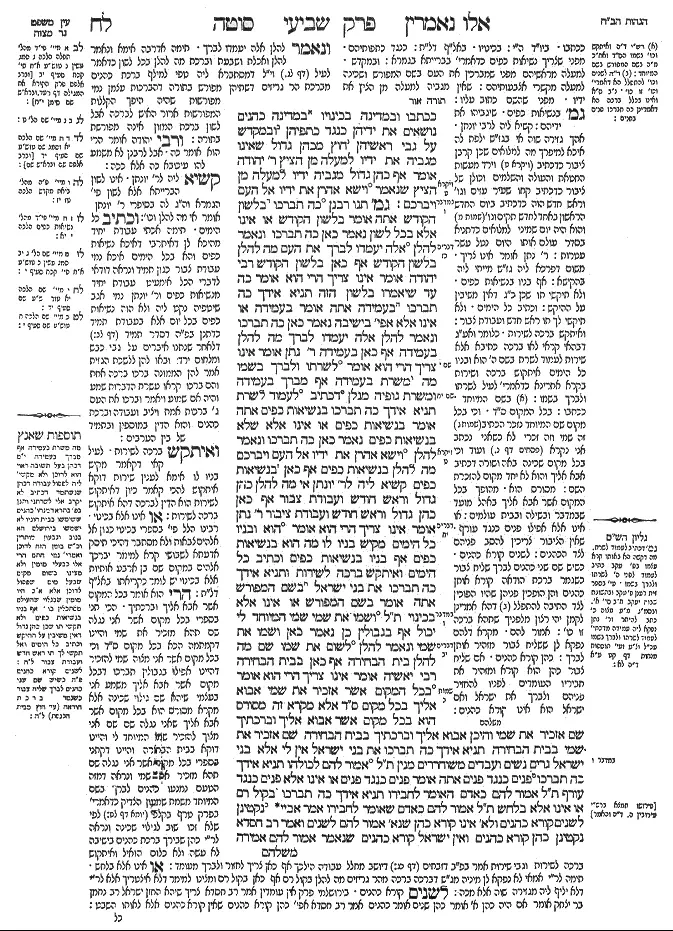
Sotah 38a - Guemara
ככתבו ובמדינה בכינויו במדינה כהנים נושאים את ידיהן כנגד כתפיהן ובמקדש על גבי ראשיהן חוץ מכהן גדול שאינו מגביה את ידיו למעלה מן הציץ ר' יהודה אומר אף כהן גדול מגביה ידיו למעלה מן הציץ שנאמר (ויקרא ט, כב) וישא אהרן את ידיו אל העם ויברכם גמ׳ תנו רבנן (במדבר ו, כג) כה תברכו בלשון הקודש אתה אומר בלשון הקודש או אינו אלא בכל לשון נאמר כאן כה תברכו ונאמר להלן (דברים כז, יב) אלה יעמדו לברך את העם מה להלן בלשון הקודש אף כאן בלשון הקודש רבי יהודה אומר אינו צריך הרי הוא אומר כה עד שיאמרו בלשון הזה תניא אידך כה תברכו בעמידה אתה אומר בעמידה או אינו אלא אפי' בישיבה נאמר כאן כה תברכו ונאמר להלן אלה יעמדו לברך מה להלן בעמידה אף כאן בעמידה ר' נתן אומר אינו צריך הרי הוא אומר (דברים י, ח) לשרתו ולברך בשמו מה משרת בעמידה אף מברך בעמידה ומשרת גופיה מנלן דכתיב (דברים יח, ה) לעמוד לשרת תניא אידך כה תברכו בנשיאות כפים אתה אומר בנשיאות כפים או אינו אלא שלא בנשיאות כפים נאמר כאן כה תברכו ונאמר להלן (ויקרא ט, כב) וישא אהרן את ידיו אל העם ויברכם מה להלן בנשיאות כפים אף כאן בנשיאות כפים קשיא ליה לר' יונתן אי מה להלן כהן גדול וראש חודש ועבודת צבור אף כאן כהן גדול וראש חודש ועבודת ציבור ר' נתן אומר אינו צריך הרי הוא אומר (דברים יח, ה) הוא ובניו כל הימים מקיש בניו לו מה הוא בנשיאות כפים אף בניו בנשיאות כפים וכתיב כל הימים ואיתקש ברכה לשירות ותניא אידך כה תברכו את בני ישראל בשם המפורש אתה אומר בשם המפורש או אינו אלא בכינוי ת"ל (במדבר ו, כז) ושמו את שמי שמי המיוחד לי יכול אף בגבולין כן נאמר כאן ושמו את שמי ונאמר להלן (דברים יב, ה) לשום את שמו שם מה להלן בית הבחירה אף כאן בבית הבחירה רבי יאשיה אומר אינו צריך הרי הוא אומר (שמות כ, כא) בכל המקום אשר אזכיר את שמי אבוא אליך בכל מקום ס"ד אלא מקרא זה מסורס הוא בכל מקום אשר אבוא אליך וברכתיך שם אזכיר את שמי והיכן אבוא אליך וברכתיך בבית הבחירה שם אזכיר את שמי בבית הבחירה תניא אידך כה תברכו את בני ישראל אין לי אלא בני ישראל גרים נשים ועבדים משוחררים מנין ת"ל (במדבר ו, כג) אמור להם לכולהו תניא אידך כה תברכו פנים כנגד פנים אתה אומר פנים כנגד פנים או אינו אלא פנים כנגד עורף ת"ל אמור להם כאדם האומר לחבירו תניא אידך כה תברכו בקול רם או אינו אלא בלחש ת"ל אמור להם כאדם שאומר לחבירו אמר אביי נקטינן לשנים קורא כהנים ולא' אינו קורא כהן שנא' אמור להם לשנים ואמר רב חסדא נקטינן כהן קורא כהנים ואין ישראל קורא כהנים שנאמר אמור להם אמירה
Comments from Rashi on Masechet Sotah Page 38a
ככתבו . ביו"ד ה"י: בכינויו . באל"ף דל"ת: כנגד כתפותיהם . מפני שצריך נשיאות כפים כדאמרי' בברייתא בגמרא: ובמקדש . למעלה מראשיהם מפני שמברכין את העם בשם המפורש ושכינה למעלה מקשרי אצבעותיהם: שאין מגביה למעלה מן הציץ את ידיו . מפני שהשם כתוב עליו: גמ' בנשיאות כפים . שיגביהו את ידיהם: קשיא ליה לרבי יונתן . אהך גזירה שוה אי בגז"ש ילפת לה איכא למיפרך מה למלואים שכן קרבן ציבור כדכתיב (ויקרא ט) וירד מעשות החטאת והעולה והשלמים וכולן של ציבור כדכתיב קחו שעיר עזים וגו' וראש חדש הוה כדכתיב ביום החדש הראשון באחד לחדש תקים וגו' (שמות מ) והוא היה יום שמיני למלואים כדתניא בסדר עולם אותו היום נטל עשר עטרות: ר' נתן אומר אינו צריך . משום דפרכא ליה גז"ש מייתי ליה בהקישא: אף בניו בנשיאות כפים . ולא תיקשי תו שכן כ"ג דאין משיבין על ההיקש: וכתיב כל הימים . ולא תיקשי לך תו ראש חדש ועבודת צבור: ואיתקש ברכה לשירות . כלומר ואע"ג דבהאי קראי לאו ברכה כתיבא אלא שירות לעמוד לשרת בשם ה' הוא ובניו כל הימים איתקוש ברכה ושירות בקרא אחרינא כדאמרי' לעיל לשרתו ולברך בשמו: בשם המיוחד . ככתבו: בכל המקום ס"ד . וכי בכל מקום שם המיוחד נזכר הכתיב (שמות ג) זה שמי וזה זכרי לא כשאני נכתב אני נקרא (פסחים דף נ.) ועוד וכי בכל מקום שכינה באה ושורה דכתיב אבא אליך והוא לא יחד מקום להזכרת השם: מסורס הוא . מהופך בכל המקום אשר אבא אליך באהל מועד שבמדבר ובשילה ובבית עולמים: או אינו אלא אפילו פנים כנגד עורף . שאין הציבור צריכין להסב פניהם לצד הכהנים: לשנים קורא כהנים . כשיש שם שני כהנים לברך שליח צבור כשגמר ברכת הודאה קורא אותן כהנים והן הופכין פניהן שהיו הפוכין לצד התיבה להתפלל דהא אמרינן לקמן יהי רצון מלפניך שתהא ברכה זו כו': אמור להם . מקרא דלהם נפקא לן ששליח צבור מזהיר אותן לברך: כהן קורא כהנים . אם שליח צבור כהן הוא קורא ומזהיר את חביריו העומדים לפניו להחזיר פניהם ולברך את ישראל ואם ישראל הוא אינו קורא כהנים:
Comments from Tosafot - Sotah 38a
ורבי יהודה אומר הרי הוא אומר כה . אבל לרבנן לא משמע להו עיכובא כה אלא ככה: ונאמר להלן אלה יעמדו לברך . תימה אדרבה אימא ונאמר להלן ואכלת ושבעת וברכת מה להלן בכל לשון כדאמר לעיל (סוטה דף לג.) וי"ל דמסתברא ליה טפי למילף ברכת כהנים מברכת הר גריזים דשתיהן מפורש בתורה דהברכות עצמן נמי מפורשות שהיה היפך הקללות המפורשות ארור האיש לברכה אבל לשון ברכת המזון אינה מפורשת בתורה: קשיא ליה לר' יונתן . אינו לשון הברייתא אלא לשון פי' הגמרא וה"ג לה בסיפרי ר' יונתן אומר אי מה להלן וכו': וכתיב כל הימים . תימה אכתי עבודת יחיד מהיכא לן דאיתרבי דאיכא נשיאות כפים והא בכל הימים איכא נמי עבודת צבור כגון תמיד ונראה דודאי לדברי הכל אימעיט עבודת יחיד מנשיאות כפים ור' יונתן נמי אגב שיטפיה נקט ליה ולא הוה נשיאות כפים בכל יום אלא בעבודת תמיד כדתנן בפ"ה דסדר תמיד (דף לב:) דלאחר שנתנו איברים על גבי כבש ומלחום ירדו ובאו להן ללשכת הגזית אמר להן הממונה ברכו ברכה אחת והם ברכו קראו עשרת הדברות שמע והיה אם שמוע ויאמר וברכו את העם ג' ברכות אמת ויציב ועבודה וברכת כהנים והוא הדין במוספין ובתמיד של בין הערבים: ואיתקש ברכה לשירות . לעיל קאי דקאמר מקיש בניו לו אימא לענין שירות דוקא איתקוש להכי קאמר כיון דאיתקוש לשירות הוא הדין לברכה דהא איתקוש ברכה לשירות: או אינו אלא בכינוי . רבינו הלל פי' בספרי בכינוי כגון אל אלהים צבאות ולא מסתבר דהיכי תיסק אדעתא לשבושי קרא למימר יברכך אלהים במקום שם בן ארבע אותיות אלא בכינוי יש לומר כקריאתו באל"ף דל"ת: הרי הוא אומר בכל המקום אשר אבא אליך וברכתיך . הכי תני בספרי בכל מקום אשר אני נגלה שם תהא מזכיר את שמי והיינו דקמתמה הכא בכל מקום ס"ד וכי בכל מקום אשר אני מצוה שמי להזכיר דהיינו אפילו בגבולין תברכו דבכל מקום אשר אבא אליך משמע אני בעצמי שיהא שם גילוי שכינה אלא מקרא מסורס הוא בכל מקום אשר אבא אליך שאני נגלה שם שם אני מצוך להזכיר שמי המיוחד לי והיינו דוקא בבית הבחירה והיינו דקתני בספרי בכל מקום אשר אני נגלה שם תהא מזכיר את שמי ונראה דמזה הטעם נמנעו כהנים לברך בשם המיוחד משמת שמעון הצדיק כדאמרי' בפרק טרף בקלפי (יומא דף לט:) לפי שלא זכו שוב לגילוי שכינה ונראה לר"י כהן שבירך ברכת כהנים בישיבה לא עשה ולא כלום הואיל ואיתקוש ברכה לשירות וגבי שירות אמר בפ"ב דזבחים (דף כג:) דיושב מחלל עבודה הילכך אף כאן צריך לחזור ולברך מעומד: או אינו אלא בלחש . תימה לר"י אמאי לא נפקא לן מיניה מג"ש דברכה ברכה מהר גריזים מה להלן בקול רם אף כאן בקול רם ומצינו למימר דלא איצטריך אלא לר"י דלא יליף ליה מגזירה שוה אלא מכה: לשנים קורא כהנים . בירושלמי פרק אין עומדין אמר רב חסדא צריך שיהא החזן ישראל רב נחמן בר יצחק אומר אם היה כהן א' אומר כהן שנים אומר כהנים אמר רב חסדא אפי' כהן קורא כהנים שאין קורא כהנים אלא לאותו השבט:
Sotah 38a - Mishnah translated into english
as it is written in the Torah, i.e., the Tetragrammaton, and in the country they use its substitute name of Lordship. In the country, the priests lift their hands so they are aligned with their shoulders during the benediction. And in the Temple they lift them above their heads, except for the High Priest, who does not lift his hands above the frontplate. Since the Tetragrammaton is inscribed on it, it is inappropriate for him to lift his hands above it. Rabbi Yehuda says: Even the High Priest lifts his hands above the frontplate, as it is stated: “And Aaron lifted up his hands toward the people and blessed them” (Leviticus 9:22).
GEMARA: The Sages taught: The mitzva given to the priests: “So you shall bless the children of Israel” (Numbers 6:23), is that they bless them in the sacred tongue, Hebrew. Do you say that the benediction must be recited in the sacred tongue, or perhaps it may be recited in any language? The baraita answers: It is stated here, with regard to the Priestly Benediction: “So you shall bless,” and it is stated there, with regard to the blessings and curses: “These shall stand on Mount Gerizim to bless the people” (Deuteronomy 27:12). There is a verbal analogy between these two usages of the word “bless”: Just as there, the blessings and curses were recited in the sacred tongue, as stated above (33a), so too here, the Priestly Benediction is recited in the sacred tongue.
Rabbi Yehuda says: It is not necessary to derive this from a verbal analogy, as it says with regard to the Priestly Benediction: “Thus,” which means that it is not recited correctly unless they recite it in this exact language, as it is written in the Torah.
It is taught in another baraita: “So you shall bless,” means while standing. Do you say that the benediction must be recited while standing, or perhaps it may even be recited while sitting? It is stated here: “So you shall bless,” and it is stated there, with regard to the blessings and curses: “These shall stand on Mount Gerizim to bless.” Just as there, the blessing was recited while standing, so too here, the priests must recite the Priestly Benediction while standing.
Rabbi Natan says: It is not necessary to derive this from a verbal analogy, as it says in the verse: “At that time the Lord separated the tribe of Levi to bear the Ark of the Covenant of the Lord, to stand before the Lord to minister to Him and to bless in His name” (Deuteronomy 10:8). Just as a priest performs the Temple service while standing, so too, he blesses while standing. The Gemara asks: And from where do we derive that he performs the service itself while standing? As it is written: “To stand to minister in the name of the Lord” (Deuteronomy 18:5).
It is taught in another baraita: “So you shall bless” means with lifted hands. Do you say that the priests must recite the benediction with lifted hands, or perhaps they may recite it without lifted hands? It is stated here: “So you shall bless,” and it is stated there, with regard to the dedication of the Tabernacle: “And Aaron lifted up his hands toward the people and blessed them” (Leviticus 9:22). Just as there, Aaron blessed the nation with lifted hands, so too here, the Priestly Benediction is recited with lifted hands.
This halakha was difficult for Rabbi Yonatan to understand: If this halakha is derived from the dedication of the Tabernacle, then why not also say: Just as there, the High Priest was the one who recited the blessing, and it was the New Moon, and the offerings that were brought were a communal service, so too here, the Priestly Benediction must be recited only by the High Priest, and on the New Moon, and when performing a communal service?
Rabbi Natan says: It is not necessary to derive from a verbal analogy that the Priestly Benediction is recited with lifted hands, as it says with regard to Aaron: “To stand to minister in the name of the Lord, him and his sons forever” (Deuteronomy 18:5). In this verse, his sons are juxtaposed with him. Just as Aaron recited the Priestly Benediction with lifted hands, so too, his sons recite the benediction with lifted hands. And furthermore, it is written “forever,” which indicates that it is referring not only to special occasions. And although the verse is not referring to the Priestly Benediction, the benediction is juxtaposed to the Temple service in another verse: “To minister to Him and to bless in His name” (Deuteronomy 10:8).
And it is taught in another baraita: “So you shall bless the children of Israel” means the blessing should be recited with the ineffable name. Do you say that the Priestly Benediction must be recited with the ineffable name, or perhaps it is recited with only the substitute name, Adonai? The verse states: “So shall they put My name” (Numbers 6:27), which means My name that is unique to Me.
One might have thought that even in the outlying areas, outside the Temple, this ineffable name is used. It is stated here, with regard to the Priestly Benediction: “So shall they put My name,” and it is stated there, with regard to the place one must sacrifice offerings: “The place that the Lord your God has chosen out of all your tribes to put His name there” (Deuteronomy 12:5). The verbal analogy teaches that just as there, the expression “to put His name there” is referring to the Temple, so too here, the mitzva of “so shall they put My name” applies in the Temple and not anywhere else.
Rabbi Yoshiya says: It is not necessary to derive this halakha from the verbal analogy, as it can be derived from a verse. It says in the verse: “In every place where I cause My name to be mentioned I will come to you and bless you” (Exodus 20:20). Does it enter your mind that this verse literally means that the Divine Presence will be revealed everywhere? Rather, this verse must be interpreted by transposition. It must be reordered and read as follows: In every place where I will come to you and bless you, there I will cause My name to be mentioned. Rabbi Yoshiya explains that God is stating: And where will I come to you and bless you? In the Temple. Therefore, he derives: There, in the Temple, I will cause My name to be mentioned, but the ineffable name is not mentioned elsewhere.
It is taught in another baraita: “So you shall bless the sons of Israel” (Numbers 6:23). I have derived only the halakha to bless the sons of Israel. From where do I derive the halakha of blessing converts, women, and emancipated slaves? The verse states immediately afterward: “You shall say to them,” meaning to all of the Jewish people.
It is taught in another baraita: “So you shall bless,” means that the priests must recite the Priestly Benediction face-to-face with the congregation. Do you say that the Benediction must be recited face-to-face, or perhaps it is only recited with the faces of the priests facing the back of the necks of the congregation? The verse states: “You shall say to them,” face-to-face, like a person who is talking to another.
It is taught in another baraita: “So you shall bless” means that the benediction must be recited out loud. Or, perhaps, is it recited only in a whisper? The verse states: “You shall say to them,” like a person who is talking to another.
Abaye said: We have a tradition with regard to the prayer leader calling the priests to recite the Priestly Benediction: When there are two priests, he calls: Priests, but when there is one priest he does not call: Priest, as it is stated: “You shall say to them,” in plural, meaning to a minimum of two priests. And Rav Ḥisda said: We have a tradition that a priest calls: Priests, but an Israelite does not call: Priests, as it is stated: “You shall say to them,” which means that the saying
Traduction : The William Davidson digital edition of the Koren Noé Talmud, with commentary by Rabbi Adin Even-Israel Steinsaltz.