 Talmud Bavli
The learning on the whole site is dedicated : For the success of Elyahou ben H'anna & family
The learning on the whole site is dedicated : L'ilui Nishmat אסתר בת חיים
The learning on the whole site is dedicated : L'ilui Nishmat Chemouel Eliezer ben Batcheva
Sotah 14a : Youtube
Daf TubeYoutube
2 video classes :
Sotah Page 14a
Sotah 14a - Guemara
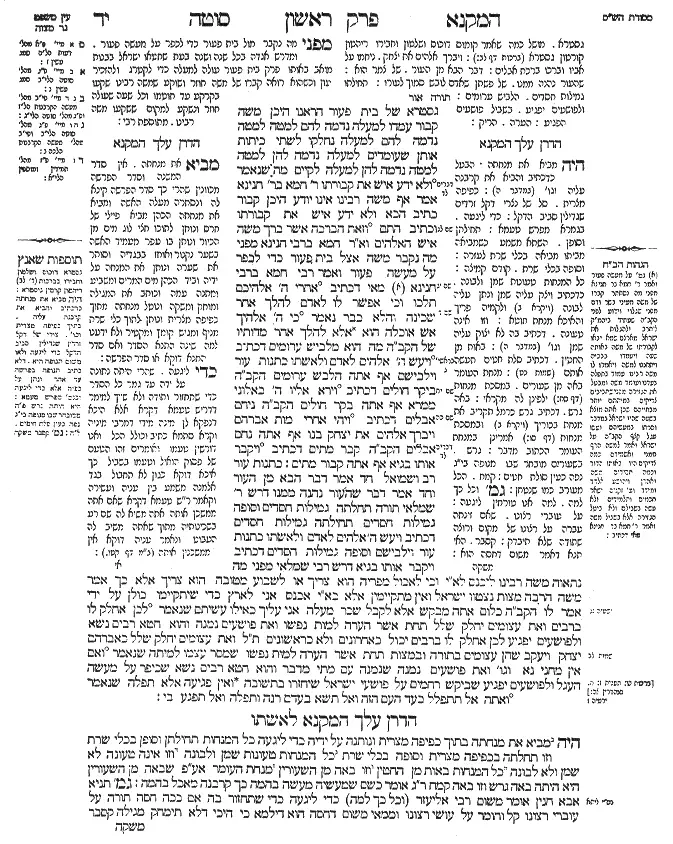
גסטרא של בית פעור הראנו היכן משה קבור עמדו למעלה נדמה להם למטה למטה נדמה להם למעלה נחלקו לשתי כיתות אותן שעומדים למעלה נדמה להן למטה למטה נדמה להן למעלה לקיים מה שנאמר (דברים לד, ו) ולא ידע איש את קבורתו ר' חמא בר' חנינא אמר אף משה רבינו אינו יודע היכן קבור כתיב הכא ולא ידע איש את קבורתו וכתיב התם (דברים לג, א) וזאת הברכה אשר ברך משה איש האלהים וא"ר חמא ברבי חנינא מפני מה נקבר משה אצל בית פעור כדי לכפר על מעשה פעור ואמר רבי חמא ברבי חנינא מאי דכתיב (דברים יג, ה) אחרי ה' אלהיכם תלכו וכי אפשר לו לאדם להלך אחר שכינה והלא כבר נאמר (דברים ד, כד) כי ה' אלהיך אש אוכלה הוא אלא להלך אחר מדותיו של הקב"ה מה הוא מלביש ערומים דכתיב (בראשית ג, כא) ויעש ה' אלהים לאדם ולאשתו כתנות עור וילבישם אף אתה הלבש ערומים הקב"ה ביקר חולים דכתיב (בראשית יח, א) וירא אליו ה' באלוני ממרא אף אתה בקר חולים הקב"ה ניחם אבלים דכתיב (בראשית כה, יא) ויהי אחרי מות אברהם ויברך אלהים את יצחק בנו אף אתה נחם אבלים הקב"ה קבר מתים דכתיב (דברים לד, ו) ויקבר אותו בגיא אף אתה קבור מתים כתנות עור רב ושמואל חד אמר דבר הבא מן העור וחד אמר דבר שהעור נהנה ממנו דרש ר' שמלאי תורה תחלתה גמילות חסדים וסופה גמילות חסדים תחילתה גמילות חסדים דכתיב ויעש ה' אלהים לאדם ולאשתו כתנות עור וילבישם וסופה גמילות חסדים דכתיב ויקבר אותו בגיא דרש רבי שמלאי מפני מה נתאוה משה רבינו ליכנס לא"י וכי לאכול מפריה הוא צריך או לשבוע מטובה הוא צריך אלא כך אמר משה הרבה מצות נצטוו ישראל ואין מתקיימין אלא בא"י אכנס אני לארץ כדי שיתקיימו כולן על ידי אמר לו הקב"ה כלום אתה מבקש אלא לקבל שכר מעלה אני עליך כאילו עשיתם שנאמר (ישעיהו נג, יב) לכן אחלק לו ברבים ואת עצומים יחלק שלל תחת אשר הערה למות נפשו ואת פושעים נמנה והוא חטא רבים נשא ולפושעים יפגיע לכן אחלק לו ברבים יכול כאחרונים ולא כראשונים ת"ל ואת עצומים יחלק שלל כאברהם יצחק ויעקב שהן עצומים בתורה ובמצות תחת אשר הערה למות נפשו שמסר עצמו למיתה שנאמר (שמות לב, לב) ואם אין מחני נא וגו' ואת פושעים נמנה שנמנה עם מתי מדבר והוא חטא רבים נשא שכיפר על מעשה העגל ולפושעים יפגיע שביקש רחמים על פושעי ישראל שיחזרו בתשובה ואין פגיעה אלא תפלה שנאמר (ירמיהו ז, טז) ואתה אל תתפלל בעד העם הזה ואל תשא בעדם רנה ותפלה ואל תפגע בי
הדרן עלך המקנא לאשתו
מתני׳ היה מביא את מנחתה בתוך כפיפה מצרית ונותנה על ידיה כדי ליגעה כל המנחות תחילתן וסופן בכלי שרת וזו תחלתה בכפיפה מצרית וסופה בכלי שרת כל המנחות טעונות שמן ולבונה וזו אינה טעונה לא שמן ולא לבונה כל המנחות באות מן החטין וזו באה מן השעורין מנחת העומר אע"פ שבאה מן השעורין היא היתה באה גרש וזו באה קמח ר"ג אומר כשם שמעשיה מעשה בהמה כך קרבנה מאכל בהמה גמ׳ תניא אבא חנין אומר משום רבי אליעזר (וכל כך למה) כדי ליגעה כדי שתחזור בה אם ככה חסה תורה על עוברי רצונו קל וחומר על עושי רצונו וממאי משום דחסה הוא דילמא כי היכי דלא תימחק מגילה קסבר
Comments from Rashi on Masechet Sotah Page 14a
גסטרא . מושל כמה שאמר קומוס דוכוס ושלטון וחבירו ריהטון קורטון גסטרא (ברכות דף לב:): ויברך אלהים את יצחק . ניחמו על אביו וברכו ברכת אבלים: דבר הבא מן העור . של צמר הוא: שהעור נהנה ממנו . של פשתן שאדם לובש סמוך לעורו: תחילתו גמילות חסדים . הלביש ערומים: ולפושעים יפגיע . בשביל פושעים הפגיע: הערה . הריק: מתני' היה מביא את מנחתה . הבעל כדכתיב והביא את קרבנה עליה וגו' (במדבר ה): כפיפה מצרית . סל של נצרי דקל זרדים שגדילין סביב הדקל: כדי ליגעה . בגמרא מפרש טעמא: תחילתן וסופן . השתא משמע כשמביאה מביתו מביאה בכלי שרת לעזרה: וסופה בכלי שרת . קודם קמיצה: כל המנחות טעונות שמן ולבונה . כדכתיב ויצק עליה שמן ונתן עליה לבונה (ויקרא ב) ולקמיה פריך והאיכא מנחת חוטא: וזו אינה טעונה . דכתיב בה לא יצוק עליה שמן וגו' (במדבר ה): באות מן החטין . דכתיב סלת חטים תעשה אותם (שמות כט): מנחת העומר באה מן שעורים . במסכת מנחות (דף סח:) ילפינן לה מקראי: באה גרש . דכתיב גרש כרמל תקריב את מנחת בכוריך (ויקרא ב) ובמסכת מנחות (דף סו:) אמרינן במנחת העומר הכתוב מדבר: גרש . בשעורים מובחר שבו מנופה בי"ג נפה כעין סולת חטים: קמח . הכל מעורב כמו שנטחן: גמ' וכל כך למה . למה אנו טורחין ליגעה: על עוברי רצונו . שאם זינתה עברה על רצונו של מקום ורוצה שתודה שלא תיבדק: קסבר . האי תנא דאמר משום דחסה הוא:
Comments from Tosafot - Sotah 14a
מפני מה נקבר מול בית פעור כדי לכפר על מעשה פעור . ומדרש אגדה בכל שנה ושנה בעת שחטאו ישראל בבנות מואב באותו פרק בית פעור עולה למעלה כדי לקטרג ולהזכיר עון וכשהוא רואה קברו של משה חוזר ושוקע שמשה רבינו שקעו בקרקע עד חוטמו וכל שעה שעולה חוזר ונשקע למקום ששקעו משה רבינו. מתוספת רבי: מתני' מביא את מנחתה . אין סדר המשנה וסדר הפרשה מכוונין שהרי כך סדר הפרשה קינא לה ונסתרה מעלה האשה ומביא את מנחתה הכהן מביא פיילי של חרס ונותן לתוכו חצי לוג מים מן הכיור ונותן בו עפר מעמיד האשה בשער נקנור ואוחז בבגדיה וסותר את שערה ונותן את המנחה על ידיה וביד הכהן מים המרים ומשביע ומתנה עמה וכותב את המגילה ומוחק ומשקה ונוטל מנחתה מתוך כפיפה מצרית ונותן לתוך כלי שרת מניף ומגיש קומץ ומקטיר ולא ידענו למה שינה התנא הסדר ואם סדר התנא דוקא או סדר הפרשה: כדי ליגעה . שהרי היתה נתונה על ידה עד גמר כל הסדר כדי שתחזור ותודה ולא שייך למימר דדריש טעמא דקרא אלא היכא דנפקא לן מינה מידי דמרבי מיניה וקרא סתמא כתיב וכולל הכל ואנו דורשין טעמו ואומרים זהו הטעם של פסוק הואיל וטעמו בשביל כך איכא דוקא כגון לא תחבול בגד אלמנה משמע בין עניה ועשירה וקאמר ר"ש טעמא דקרא שאם אתה ממשכן אותה אתה משיא לה שם רע בשכינותיה מתוך שאתה משיב לה העבוט ונאמר עניה דוקא אין ממשכנין אותה (ב"מ דף קטו.):
Sotah 14a - Mishnah translated into english
the garrison [gastera] of Beth Peor and said to them: Show us where Moses is buried. As the men stood above on the upper section of the mountain, it appeared to them as if the grave was below in the lower section. As they stood below, it appeared to them to be above. They divided into two groups, one above and one below. To those who were standing above, the grave appeared to them to be below; to those who were standing below, the grave appeared to them to be above, to fulfill that which is stated: “And no man knows of his grave to this day” (Deuteronomy 34:6).
Rabbi Ḥama, son of Rabbi Ḥanina, says: Even Moses our teacher himself does not know where he is buried. It is written here: “And no man knows of his grave,” and it is written there: “And this is the blessing wherewith Moses the man of God blessed the children of Israel before his death” (Deuteronomy 33:1). In other words, even Moses, as he is referred to by the term “man,” does not know his burial place. And Rabbi Ḥama, son of Rabbi Ḥanina, says: For what reason was Moses buried near Beth Peor? In order to atone for the incident that transpired at Beth Peor (Numbers, chapter 25).
And Rabbi Ḥama, son of Rabbi Ḥanina, says: What is the meaning of that which is written: “After the Lord your God shall you walk, and Him shall you fear, and His commandments shall you keep, and unto His voice shall you hearken, and Him shall you serve, and unto Him shall you cleave” (Deuteronomy 13:5)? But is it actually possible for a person to follow the Divine Presence? But hasn’t it already been stated: “For the Lord your God is a devouring fire, a jealous God” (Deuteronomy 4:24), and one cannot approach fire.
He explains: Rather, the meaning is that one should follow the attributes of the Holy One, Blessed be He. He provides several examples. Just as He clothes the naked, as it is written: “And the Lord God made for Adam and for his wife garments of skin, and clothed them” (Genesis 3:21), so too, should you clothe the naked. Just as the Holy One, Blessed be He, visits the sick, as it is written with regard to God’s appearing to Abraham following his circumcision: “And the Lord appeared unto him by the terebinths of Mamre” (Genesis 18:1), so too, should you visit the sick. Just as the Holy One, Blessed be He, consoles mourners, as it is written: “And it came to pass after the death of Abraham, that God blessed Isaac his son” (Genesis 25:11), so too, should you console mourners. Just as the Holy One, Blessed be He, buried the dead, as it is written: “And he was buried in the valley in the land of Moab” (Deuteronomy 34:6), so too, should you bury the dead.
The Gemara discusses the verse: “And the Lord God made for Adam and for his wife garments of skin, and clothed them” (Genesis 3:21). Rav and Shmuel disagree as to the meaning of the term “garments of skin.” One says that these garments were made of something that comes from the skin, and one says that these garments were something from which the skin benefits.
Rabbi Samlai taught: With regard to the Torah, its beginning is an act of kindness and its end is an act of kindness. Its beginning is an act of kindness, as it is written: “And the Lord God made for Adam and for his wife garments of skin, and clothed them” (Genesis 3:21). And its end is an act of kindness, as it is written: “And he was buried in the valley in the land of Moab” (Deuteronomy 34:6).
Rabbi Samlai taught: For what reason did Moses our teacher greatly desire to enter Eretz Yisrael? Did he need to eat of its produce, or did he need to satisfy himself from its goodness? Rather, this is what Moses said: Many mitzvot were commanded to the Jewish people, and some of them can be fulfilled only in Eretz Yisrael, so I will enter the land in order that they can all be fulfilled by me.
The Holy One, Blessed be He, said to him: Do you seek to enter the land to perform these mitzvot for any reason other than to receive a reward? I will ascribe you credit as if you had performed them and you will receive your reward, as it is stated: “Therefore will I divide him a portion among the great, and he shall divide the spoil with the mighty; because he bared his soul unto death, and was numbered with the transgressors; yet he bore the sin of many, and made intercession for the transgressors” (Isaiah 53:12).
Rabbi Samlai proceeds to expound the verse “Therefore will I divide him a portion among the great” to mean that he will receive reward. One might have thought that he will receive reward like the later ones and not like the earlier ones, so the verse states: “And he shall divide the spoil with the mighty,” meaning like Abraham, Isaac, and Jacob, who were mighty in Torah and in mitzvot. “Because he bared his soul unto death,” meaning he gave himself over to death on behalf of the Jewish people, as it is stated: “Yet now, if You will forgive their sin; and if not, blot me, I pray You, out of Your book that You have written” (Exodus 32:32).
“And was numbered with the transgressors,” meaning that he was counted among those who died in the desert, for, just like them, he did not enter Eretz Yisrael. “Yet he bore the sin of many,” as he atoned for the incident of the Golden Calf. “And made intercession [yafgia] for the transgressors,” as he requested mercy for the sinners of Israel so that they should engage in repentance. And the word pegia means nothing other than prayer, as it is stated: “Therefore pray not you for this people, neither lift up cry nor prayer for them, neither make intercession [tifga] to Me; for I will not hear you” (Jeremiah 7:16).
MISHNA: The husband of the sota would bring his wife’s meal-offering to the priest in an Egyptian wicker basket made of palm branches, and he would place the meal-offering in her hands for her to hold throughout the ritual in order to fatigue her. This might lead her to confess her guilt and not drink the water of a sota unnecessarily.
The mishna lists differences between this meal-offering and other meal-offerings. Generally, all meal-offerings, from their beginnings, i.e., the moment they are consecrated, and until their ends, i.e., the moment they are sacrificed, must be in a service vessel. But in the case of this one, its beginning is in a wicker basket and only at its end, immediately before it is offered, is it placed in a service vessel.
All other meal-offerings require oil and frankincense, and this one requires neither oil nor frankincense. Furthermore, all other meal-offerings are brought from wheat, and this one is brought from barley. Although in fact the omer meal-offering is also brought from barley, it is still different in that it was brought as groats, i.e., high-quality meal. The meal-offering of the sota, however, is brought as unsifted barley flour. Rabban Gamliel says: This hints that just as her actions of seclusion with another man were the actions of an animal, so too her offering is animal food, i.e., barley and not wheat.
GEMARA: It is taught in a baraita that Abba Ḥanin says in the name of Rabbi Eliezer: And why is so much done to her? It is in order to fatigue her, so that she will retract and confess her guilt and be spared death. And if the Torah is so protective of those who transgress His will, i.e., the sota, who secluded herself with the man she was warned against, then by a fortiori inference He is protective of those who do His will.
The Gemara asks: And from where is it derived that they attempt to induce her to confess because the Torah is protective of the sota? Perhaps it is in order that the scroll of the sota, containing the name of God, will not be erased. The Gemara responds: Rabbi Eliezer holds
Traduction : The William Davidson digital edition of the Koren Noé Talmud, with commentary by Rabbi Adin Even-Israel Steinsaltz.