 Talmud Bavli
The learning on the whole site is dedicated : L'ilui Nishmat אסתר בת חיים
The learning on the whole site is dedicated : L'ilui Nishmat Ledicia bat David Banoun
The learning on the whole site is dedicated : L'ilui Nishmat Nissim ben Barukh Malka
Sotah 20a : Youtube
Daf TubeYoutube
2 video classes :
Sotah Page 20a
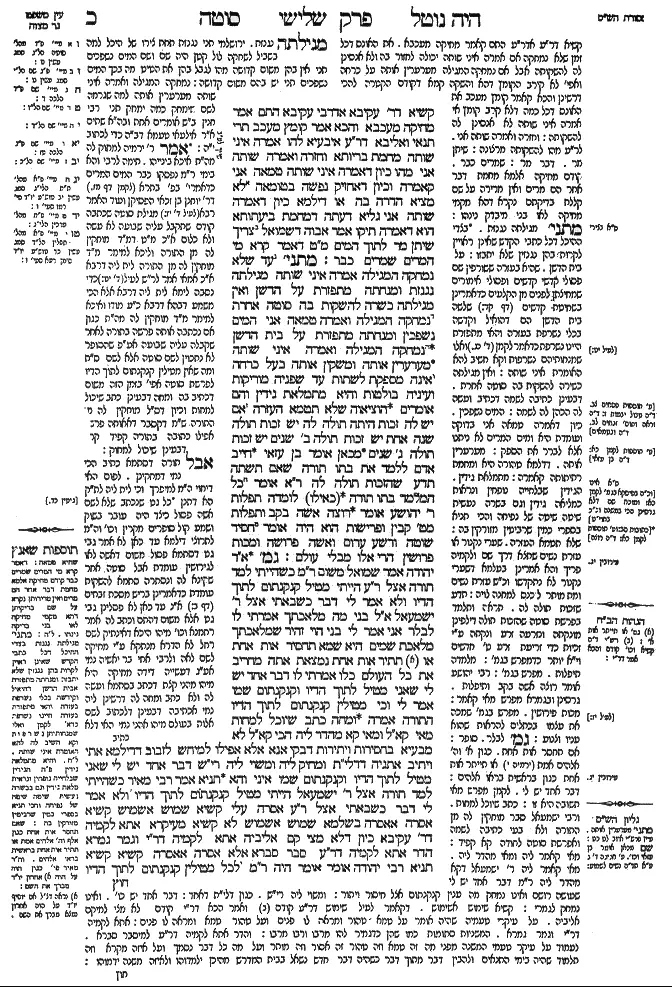
Sotah 20a - Guemara
קשיא דר' עקיבא אדרבי עקיבא התם אמר מחיקה מעכבא והכא אמר קומץ מעכב תרי תנאי ואליבא דר"ע איבעיא להו אמרה איני שותה מחמת בריותא וחזרה ואמרה שותה אני מהו כיון דאמרה איני שותה טמאה אני קאמרה וכיון דאחזיק נפשה בטומאה לא מציא הדרה בה או דילמא כיון דאמרה שותה אני גליא דעתה דמחמת ביעתותא הוא דאמרה תיקו אמר אבוה דשמואל צריך שיתן מר לתוך המים מ"ט דאמר קרא מי המרים שמרים כבר מתני׳ עד שלא נמחקה המגילה אמרה איני שותה מגילתה נגנזת ומנחתה מתפזרת על הדשן ואין מגילתה כשרה להשקות בה סוטה אחרת נמחקה המגילה ואמרה טמאה אני המים נשפכין ומנחתה מתפזרת על בית הדשן נמחקה המגילה ואמרה איני שותה מערערין אותה ומשקין אותה בעל כרחה אינה מספקת לשתות עד שפניה מוריקות ועיניה בולטות והיא מתמלאת גידין והם אומרים הוציאוה שלא תטמא העזרה אם יש לה זכות היתה תולה לה יש זכות תולה שנה אחת יש זכות תולה ב' שנים יש זכות תולה ג' שנים מכאן אומר בן עזאי חייב אדם ללמד את בתו תורה שאם תשתה תדע שהזכות תולה לה ר"א אומר כל המלמד בתו תורה (כאילו) לומדה תפלות ר' יהושע אומר רוצה אשה בקב ותפלות מט' קבין ופרישות הוא היה אומר חסיד שוטה ורשע ערום ואשה פרושה ומכות פרושין הרי אלו מבלי עולם גמ׳ א"ר יהודה אמר שמואל משום ר"מ כשהייתי למד תורה אצל ר"ע הייתי מטיל קנקנתום לתוך הדיו ולא אמר לי דבר כשבאתי אצל ר' ישמעאל א"ל בני מה מלאכתך אמרתי לו לבלר אני אמר לי בני הוי זהיר שמלאכתך מלאכת שמים היא שמא תחסיר אות אחת או תתיר אות אחת נמצאת אתה מחריב את כל העולם כלו אמרתי לו דבר אחד יש לי שאני מטיל לתוך הדיו וקנקנתום שמו אמר לי וכי מטילין קנקנתום לתוך הדיו התורה אמרה ומחה כתב שיוכל למחות מאי קא"ל ומאי קא מהדר ליה הכי קא"ל לא מבעיא בחסירות ויתירות דבקי אנא אלא אפילו למיחש לזבוב דדילמא אתי ויתיב אתגיה דדלי"ת ומחיק ליה ומשוי ליה רי"ש דבר אחד יש לי שאני מטיל לתוך הדיו וקנקנתום שמו איני והא תניא אמר רבי מאיר כשהייתי למד תורה אצל ר' ישמעאל הייתי מטיל קנקנתום לתוך הדיו ולא אמר לי דבר כשבאתי אצל ר"ע אסרה עלי קשיא שמוש אשמוש קשיא אסרה אאסרה בשלמא שמוש אשמוש לא קשיא מעיקרא אתא לקמיה דר' עקיבא כיון דלא מצי קם אליביה אתא לקמיה דר"י וגמר גמרא הדר אתא לקמיה דר"ע סבר סברא אלא אסרה אאסרה קשיא קשיא תניא רבי יהודה אומר אומר היה ר"מ לכל מטילין קנקנתום לתוך הדיו
Comments from Rashi on Masechet Sotah Page 20a
קשיא דר"ע אדר"ע התם קאמר מחיקה מעכבא . את האונס דכל זמן שלא נמחקה אם אמרה איני שותה יכולה לחזור בה ולא אנסינן לה להשקותה אבל אם נמחקה המגילה מערערין אותה על כרחה ואפי' לא קירב הקומץ דהא והשקה קמא דקודם הקטרה להכי דרשינן והכא קאמר קומץ מעכב את האונס דכל כמה דלא קרב קומץ אי אמרה איני שותה לא אנסינן לה להשקותה: וחזרה ואמרה שותה אני . לר"ע מהו להשקותה מרצונה: שיתן מר . דבר מר: שמרים כבר . קודם מחיקה אלמא מחמת דבר אחר הם מרים ואין מרירה על שם קללת בדיקתם נקרא דהא מקמי מחיקה לאו בני מיבדק נינהו: מתני' מגילתה נגנזת . בצדי ההיכל דכל כתבי הקדש שאינן ראויין לקרות בהן נגנזין שלא יתבזו: על בית הדשן . שהיא בעזרה ששורפין שם פסולי קדשי קדשים ופסולי אימורים שמחיצתן לפנים מן הקלעים כדאמרינן בשחיטת קדשים (דף קד:) שלשה בית הדשן הם דהואיל וקדשה בכלי נשרפת בעזרה והאי מתפזרת היינו נשרפת כדאמר לקמן (סוטה ד' כג.) ואלו שמנחותיהם נשרפות וקא חשיב להא האומרת איני שותה: ואין מגילתה כשירה להשקות בה סוטה אחרת . דבעינן כתיבה לשמה דכתיב ועשה לה הכהן לה לשמה: המים נשפכין . כיון דאמרה טמאה אני בדוקה ועומדת היא ומים המרים לא ניתנו אלא לברר את הספק: מערערין אותה . דדלמא טהורה היא ומחמת רתיתותה קאמרה: מתמלאת גידין . הגידין שבלחייה נופחין ונראות כמליאה גידין וגם בשרה נעשית שיטה שיטה של נפיחה והכי תניא בספרי כמין שרביטין מזורקין בה: שלא תטמא העזרה . שערי נקנור או עזרת נשים שתצא דרך שם ולקמיה פריך והא אמרינן בעלמא דשערי נקנור לא נתקדשו וכ"ש עזרת נשים ומת מותר ליכנס למחנה לויה: תדע שזכות תולה לה . תראה ותלמד בפרשת סוטה שהזכות תולה דילפינן מונקתה ונזרעה זרע ונקתה ע"י זכיות כדי זריעת זרע ט' חדשים וי"א יותר כדמפרש בגמ': מלמדה תיפלות . מפרש בגמ': רבי יהושע אומר רוצה אשה בקב ותיפלות . גרסינן ובגמרא מפרש מאי קאמר: מכות פירושין . מפרש בגמ' שמכה את עצמו בכתלים להראות שהוא עניו וצנוע: גמ' לבלר . סופר: אם תחסר אות אחת . כגון א' וה' אלהים אמת (ירמיהו י) או תייתר אות אחת כגון בראשית בראו אלהים: דבר אחד יש לי . לקמן מפרש מאי תשובה היא זו: כתב שיוכל למחות . ורבי ישמעאל סבר מוחקין לה מן התורה ולא בעי כתיבה לשמה ואפרשת סוטה לחודה קא קפיד: מאי קאמר ליה ומאי מהדר ליה . מאי קאמר ליה ר' ישמעאל דקא מהדר ליה ר"מ דבר אחד יש לי שעושה רושם ואינו נמחק מה ענין קנקנתום אצל חיסור ויתור: ומשוי ליה רי"ש . כגון דלי"ת דאחד: דבר אחד יש כו' . ואינו נמחק לגמרי: קשיא שימוש אשימוש . דקאמר לעיל שימוש דר"ע קודם ואמר הכא דר"י קודם: לא מצי למיקם אליביה . על עיקרי טעמיה שהיה אומר על טמא טהור ומראה לו פנים ועל טהור טמא ומראה לו פנים: אתא לקמיה דר"י וגמר גמרא . המשניות סתומות כמו שהן כדגמיר להו מרבו ורבו מרבו: והדר אתא לקמיה דר"ע למיסבר סברא . לעמוד על עיקר טעמי המשנה מפני מה זה טמא וזה טהור זה אסור וזה מותר ועל מה כל דבר נסמך ועל איזה מקרא וזה תלמוד שהיה בימי התנאים ולהבין דבר מתוך דבר כשהיה דבר חדש נשאל בבית המדרש מהיכן ילמדוהו ולאיזה משנה ידמוהו:
Comments from Tosafot - Sotah 20a
מגילתה נגנזת . ירושלמי תני נגנזת תחת צירו של היכל למה בשביל לשחקה לול קטן היה שם ושם המים נשפכים תני אין בהן משום קדושה מהו לגבל בהן את הטיט מה בכך המים נשפכים תני יש בהם משום קדושה: נמחקה המגילה ואמרה איני שותה מערערין אותה למה שגרמה לשם שימחק כמה ימחק תני רבי חנין ב"ש אומרים אחת ובה"א שתים א"ר אילעאי טעמא דב"ה כדי לכתוב י"ה: בן עזאי אומר חייב אדם וכו' . ירושלמי דבן עזאי דלא כר"א בן עזריה דדריש (חגיגה דף ג.) הקהל את העם האנשים והנשים והטף אנשים באו ללמוד נשים לשמוע ונראה דפי' דמצוה לשמוע הנשים כדי שידעו לקיים מצוה ולא משום שידעו שזכות תולה: מטרונה שאלה את ר' אלעזר מפני מה חטא אחת במעשה העגל והן מתין בה ג' מיתות אמר לה אין אשה חכמה אלא בפלך אמר לו הורקנוס בנו בשביל שלא להשיבה דבר אחד מן התורה אבדת ממני ג' מאות כור מעשר בכל שנה א"ל ישרפו ד"ת ולא ימסרו דברי תורה לנשים: רוצה אשה בקב ותיפלות . פר"ח רוצה אשה שיהא בעלה חמר ויהא מצוי אצלה בכל שבת לתת לה עונתה ולא יביא לה אלא קב חטים בלבד ולא יהא גמל שהולך בדרך רחוקה ואינו נותן לה עונה אלא אחת לשלשים יום ואע"פ שמביא לה לשכרו ט' קבין חביבה עליה העונה בכל שבת וקב אחד מט' קבין ופרישות ל' יום ורבי פירש בשם רב האי המשרה אשתו ע"י שליש לא יפחות לה מקביים חיטין מן שבת לשבת כדמוכח בגמרא בפרק אע"פ (כתובות דף סד:) ועונתה מצוי לה ואילו המורד על אשתו (שם סג.) מוסיפין על כתובתה ג' דינרים בשבת ושער בינוני הוא ד' סאין בסלע וסלע ד' דינרים נמצאת סאה בדינר וג' סאין בג' דינרים שהן י"ח קבין הרי שחכמים עמדו על סוף דעתה שהיא רוצה בתיפלות ועמו שני קביים מי"ח קביים שיפרוש ממנה דקביים אחד מט' בי"ח קבין:
Sotah 20a - Mishnah translated into english
The Gemara asks: The statement of Rabbi Akiva is difficult, as it is contradicted by another statement of Rabbi Akiva: There, in the first baraita, he said that erasure prevents the authorities from compelling the woman to drink the water if she retracted her decision to drink, and here he says that the sacrifice of the handful prevents the authorities from compelling the woman to drink the water. In other words, according to the first baraita the woman can retract her decision to drink until the scroll is erased, whereas according to the second baraita she can retract her decision until the handful is sacrificed.
The Gemara responds: There is a dispute between two tanna’im, and they disagree with regard to the opinion of Rabbi Akiva. They disagree with regard to what point in time, according to Rabbi Akiva, is the final moment at which a woman can refuse to drink the bitter water without being forced to do so.
A dilemma was raised before the Sages: If she initially said: I will not drink, while in a state of good health, and then she retracted her statement and said: I will drink, what is the halakha? Does one say that when she said: I will not drink, it is as if she confessed and said: I am defiled, and since she established herself as defiled she cannot retract her statement? Or perhaps when she said: I will drink, she revealed her thoughts that it was only due to fear that she said she will not drink? The Gemara concludes that the dilemma shall stand unresolved.
Shmuel’s father says: It is necessary for one to put a bitter substance into the water that the sota drinks. What is the reason for this? It is as the verse states: “And he shall blot them out into the water of bitterness” (Numbers 5:23), indicating that they are already bitter before the scroll is erased.
MISHNA: If before the scroll was erased she said: I will not drink, the scroll that was written for her is sequestered, and her meal-offering is burned and scattered over the place of the ashes, and her scroll is not fit to give to another sota to drink. If the scroll was erased and afterward she said: I am defiled, the water is poured out, and her meal-offering is scattered in the place of the ashes. If the scroll was already erased and she said: I will not drink, she is forced to drink against her will.
When a guilty woman drinks she does not manage to finish drinking before her face turns green and her eyes bulge, and her skin becomes full of protruding veins, and the people standing in the Temple say: Remove her, so that she does not render the Temple courtyard impure by dying there.
The mishna limits the scope of the previous statement: If she has merit, it delays punishment for her and she does not die immediately. There is a merit that delays punishment for one year, there is a larger merit that delays punishment for two years, and there is a merit that delays punishment for three years. From here Ben Azzai states: A person is obligated to teach his daughter Torah, so that if she drinks and does not die immediately, she will know that some merit she has delayed punishment for her. Rabbi Eliezer says: Anyone who teaches his daughter Torah is teaching her promiscuity [tiflut].
Rabbi Yehoshua says: A woman desires to receive the amount of a kav of food and a sexual relationship [tiflut] rather than to receive nine kav of food and abstinence. He would say: A foolish man of piety, and a conniving wicked person, and an abstinent woman [perusha], and those who injure themselves out of false abstinence; all these are people who erode the world.
GEMARA: Rav Yehuda says that Shmuel says in the name of Rabbi Meir: When I was studying Torah before Rabbi Akiva, as his disciple, I used to put iron sulfate into the ink with which I wrote Torah scrolls, and he did not say anything to me in protest. Afterward, when I came to learn Torah before Rabbi Yishmael, he said to me: My son, what is your vocation? I said to him: I am a scribe [lavlar] who writes Torah scrolls. He said to me: My son, be careful in your work, as your work is the work of Heaven, lest you omit a single letter from the Torah scroll or add a single letter, and in this you are found to be destroying the entire world if the mistake alters the meaning of the verse and results in blasphemy.
Rabbi Meir continues: I said to Rabbi Yishmael: I have one substance that I put into the ink, and it is called iron sulfate, which prevents the writing from being erased. He said to me: And may iron sulfate be put into the ink? The Torah clearly said with regard to the scroll of the sota: “And the priest shall write these curses in a scroll, and he shall blot them out into the water of bitterness” (Numbers 5:23). This indicates that the Torah requires writing that can be blotted out.
Since Rabbi Meir’s remark about iron sulfate seems unrelated to Rabbi Yishmael’s previous statement, the Gemara asks: What is Rabbi Yishmael saying to Rabbi Meir, and what is Rabbi Meir replying to Rabbi Yishmael?
The Gemara explains: This is what Rabbi Meir is saying to him: It is not necessary to say that I do not err in omissions and additions, as I am an expert. Rather, there is not even any reason for concern with regard to a fly lest it come and sit on the protrusion of the letter dalet and erase it, thereby rendering it the letter reish, which could be a critical error. There is no concern of this erasure occurring, since I have a certain substance that I put into the ink and that prevents the writing from being erased, and it is called iron sulfate.
The Gemara questions the initial part of Rabbi Meir’s statement: Is that so? But isn’t it taught in a baraita that Rabbi Meir said: When I was studying Torah before Rabbi Yishmael, I used to put iron sulfate into the ink with which I wrote Torah scrolls, and he did not say anything to me. Afterward, when I came to learn Torah with Rabbi Akiva, he prohibited me from doing so.
The Gemara points out that there are two separate contradictions between the two statements: Rav Yehuda’s statement with regard to Rabbi Meir first serving Rabbi Akiva as a disciple is difficult, as it is contradicted by the statement of the baraita with regard to his first serving Rabbi Yishmael. Furthermore, Rav Yehuda’s statement is difficult, since he states that it was Rabbi Yishmael who prohibited the addition of iron sulfate, and this is contradicted by the statement of the baraita that it was Rabbi Akiva who prohibited it.
The Gemara answers: Granted, the apparent contradiction between Rav Yehuda’s statement with regard to Rabbi Meir’s serving Rabbi Akiva first, and the statement of the baraita with regard to serving Rabbi Yishmael first, poses no difficulty. Initially, he came before Rabbi Akiva to study, but since he could not comprehend his extremely complicated method of learning, he came before Rabbi Yishmael and learned the oral tradition from him. Afterward, he returned and came before Rabbi Akiva and studied his method of logical reasoning in order to understand the reasons behind the halakhot he had already learned.
However, the contradiction between Rav Yehuda’s statement that it was Rabbi Yishmael who prohibited the addition of iron sulfate and the statement of the baraita that it was Rabbi Akiva who prohibited it still poses a difficulty. The Gemara concludes: Indeed, the matter is difficult.
It is taught in a baraita: Rabbi Yehuda says that Rabbi Meir would say: Iron sulfate may be put into the ink that is used for all sacred writings, i.e., Torah scrolls, phylacteries, and mezuzot,
Traduction : The William Davidson digital edition of the Koren Noé Talmud, with commentary by Rabbi Adin Even-Israel Steinsaltz.