 Talmud Bavli
The learning on the whole site is dedicated : L'ilui Nishmat Ledicia bat David Banoun
The learning on the whole site is dedicated : L'ilui Nishmat Amram ben Itshak Loubaton
The learning on the whole site is dedicated : L'ilui Nishmat אליעזר בן רחל
Sotah 9a : Youtube
Daf TubeYoutube
2 video classes :
Sotah Page 9a
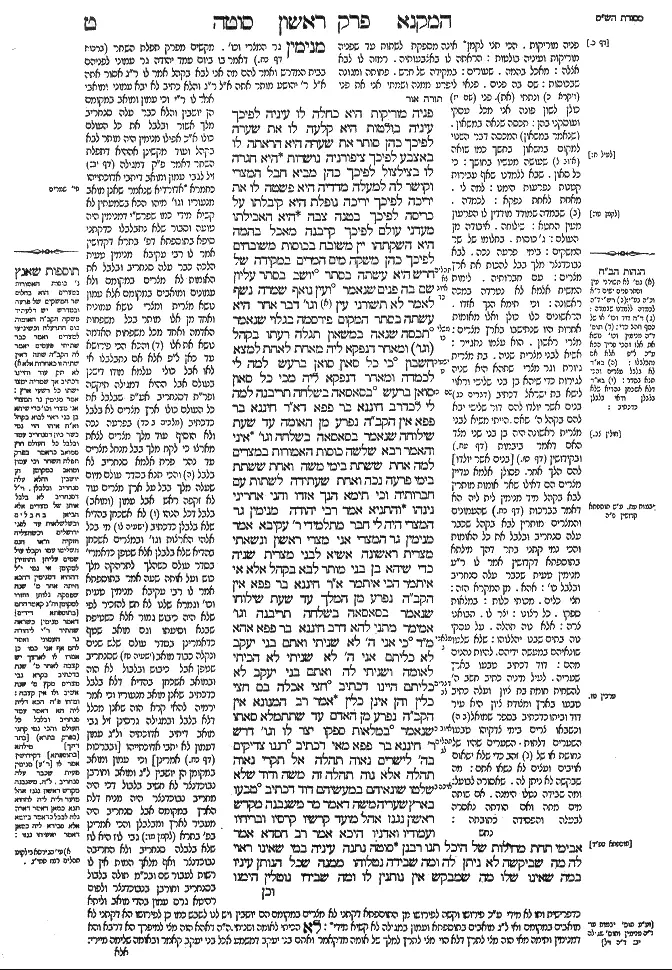
Sotah 9a - Guemara
פניה מוריקות היא כחלה לו עיניה לפיכך עיניה בולטות היא קלעה לו את שערה לפיכך כהן סותר את שערה היא הראתה לו באצבע לפיכך ציפורניה נושרות היא חגרה לו בצילצול לפיכך כהן מביא חבל המצרי וקושר לה למעלה מדדיה היא פשטה לו את יריכה לפיכך יריכה נופלת היא קיבלתו על כריסה לפיכך בטנה צבה היא האכילתו מעדני עולם לפיכך קרבנה מאכל בהמה היא השקתהו יין משובח בכוסות משובחים לפיכך כהן משקה מים המרים במקידה של חרש היא עשתה בסתר (תהלים צא, א) יושב בסתר עליון שם בה פנים שנאמר (איוב כד, טו) ועין נואף שמרה נשף לאמר לא תשורני עין וגו' דבר אחר היא עשתה בסתר המקום פירסמה בגלוי שנאמר (משלי כו, כו) תכסה שנאה במשאון תגלה רעתו בקהל (וגו') ומאחר דנפקא ליה מאחת לאחת למצא חשבון (ישעיהו ט, ד) כי כל סאון סואן ברעש למה לי לכמדה ומאחר דנפקא ליה מכי כל סאון סואן ברעש (ישעיהו כז, ח) בסאסאה בשלחה תריבנה למה לי לכדרב חיננא בר פפא דא"ר חיננא בר פפא אין הקב"ה נפרע מן האומה עד שעת שילוחה שנאמר בסאסאה בשלחה וגו' איני והאמר רבא שלשה כוסות האמורות במצרים למה אחת ששתת בימי משה ואחת ששתת בימי פרעה נכה ואחת שעתידה לשתות עם חברותיה וכי תימא הנך אזדו והני אחריני נינהו והתניא אמר רבי יהודה מנימין גר המצרי היה לי חבר מתלמידי ר' עקיבא אמר מנימין גר המצרי אני מצרי ראשון ונשאתי מצרית ראשונה אשיא לבני מצרית שניה כדי שיהא בן בני מותר לבא בקהל אלא אי איתמר הכי איתמר א"ר חיננא בר פפא אין הקב"ה נפרע מן המלך עד שעת שילוחו שנאמר בסאסאה בשלחה תריבנה וגו' אמימר מתני להא דרב חיננא בר פפא אהא מאי דכתיב (מלאכי ג, ו) כי אני ה' לא שניתי ואתם בני יעקב לא כליתם אני ה' לא שניתי לא הכיתי לאומה ושניתי לה ואתם בני יעקב לא כליתם היינו דכתיב (דברים לב, כג) חצי אכלה בם חצי כלין והן אינן כלין אמר רב המנונא אין הקב"ה נפרע מן האדם עד שתתמלא סאתו שנאמר (איוב כ, כב) במלאות ספקו יצר לו וגו' דרש ר' חיננא בר פפא מאי דכתיב (תהלים לג, א) רננו צדיקים בה' לישרים נאוה תהלה אל תקרי נאוה תהלה אלא נוה תהלה זה משה ודוד שלא שלטו שונאיהם במעשיהם דוד דכתיב (איכה ב, ט) טבעו בארץ שעריה משה דאמר מר משנבנה מקדש ראשון נגנז אהל מועד קרשיו קרסיו ובריחיו ועמודיו ואדניו היכא אמר רב חסדא אמר אבימי תחת מחילות של היכל תנו רבנן סוטה נתנה עיניה במי שאינו ראוי לה מה שביקשה לא ניתן לה ומה שבידה נטלוהו ממנה שכל הנותן עיניו במה שאינו שלו מה שמבקש אין נותנין לו ומה שבידו נוטלין הימנו
Comments from Rashi on Masechet Sotah Page 9a
פניה מוריקות . הכי תני לקמן. אינה מספקת לשתות עד שפניה מוריקות ועיניה בולטות: הראתה לו באצבעותיה . רמזה לו לבא אצלה: מאכל בהמה . שעורים: במקידה של חרש . פחותה ומגונה שבכוסות: שם בה פנים: פנאי ליפרע ממנה ושמתי אני את פני (ויקרא כ) ונתתי (את) פני (שם יז) כולן לשון פונה אני מכל עסקי ועוסקני בהן: תכסה שנאה במשאון (שנאמר במשאון) המכסה דבר השנוי למקום במשאון בחשך כמו שואה (איוב ל) שעושה מעשיו בחושך: כי כל סאון . שבא ללמדנו שאף עבירות קטנות נפרעות הימנו: למה לי . מאחת לאחת נפקא: לכמדה . שבמדה שמודד מודדין לו הפרעון מעין החטא: שילוחה . איבודה מן העולם: ג' כוסות . בחלומו של שר המשקים: בימי פרעה נכה . לבא נבוכדנצר מלך בבל להכות את ארץ מצרים: עם חברותיה . לימות המשיח אלמא לא נטרדה במכה ראשונה: וכי תימא הנך אזדו . הראשונים כלו כולן ואלו מאומות אחרות היו שנתישבו בארץ מצרים: מצרי ראשון . הוא עצמו נתגייר: אשיא לבני מצרית שניה . בת מצרית גיורת וגר מצרי שתהא היא שניה לגירות כדי שיהא בן בני שלישי וראוי לישא בת ישראל דכתיב (דברים כג) בנים אשר יולדו להם דור שלישי יבא להם בקהל ה' שאם הייתי משיא לבני מצרית ראשונה היה בן בני שני מצד האם דאמר ביבמות (דף עח.) ובקידושין (דף סז.) [בנים אשר יולדו] להם הלך אחר פסולן אלמא עדיין מצרים הם דאילו שאר אומות מותרין לבא בקהל מיד מנימין לית ליה הא דאמר בברכות (דף כח.) שהעמונים והמצרים מותרין לבא בקהל שכבר עלה סנחריב ובלבל את כל האומות והכי נמי קתני בתר דהך מילתא בתוספתא דקדושין אמר לו ר"ע מנימין טעית שכבר עלה סנחריב ובלבל כו': אהא . מן המקרא הזה: חצי כלים . מכותי כלות: במלאות ספקו . כל רצונו: יצר לו . תבואנו צרה: אלא נוה תהלה . על עסקי נוה בתים שבנו יהללוהו: שלא שלטו שונאיהם במעשה ידיהם . להיות נהנים מהם: דוד דכתיב טבעו בארץ שעריה . לעיל מיניה כתיב חשב ה' להשחית חומת בת ציון ועלה כתיב טבעו בארץ ומצודת ציון היא עיר דוד וביתו כדכתיב בספר שמואל (בה) וכשבאו צרים בימי צדקיהו טבעו השערים דלתות השערים שהיו של נחושת או של זהב כדי שלא ישאום אויבים ועצים לא נשאו אתם: מה שבקשה לא ניתן לה . שאסורה לבועל: ומה שבידה נטלו הימנה . אם שותה מים מתה ואם הודתה נאסרה לבעלה והפסידה כתובתה:
Comments from Tosafot - Sotah 9a
מנימין גר המצרי וכו' . מקשים מפרק תפלת השחר (ברכות דף כח.) דאמר בו ביום עמד יהודה גר עמוני לפניהם בבית המדרש ואמר להם מה אני לבא בקהל אמר לו ר"ג אסור אתה א"ל ר' יהושע מותר אתה א"ל ר"ג והלא כתיב לא יבא עמוני ומואבי אמר לו ר"י וכי עמון ומואב במקומם הן יושבין והלא כבר עלה סנחריב מלך אשור ובלבל את כל העולם כולו א"כ אפילו מנימין היה מותר לבא בקהל ועוד מקשינן אההיא דתפלת השחר דאמר פ"ק דמגילה (דף יב:) זיל לגבי עמון ומואב דיתבי אדוכתייהו כחמרא אדורדיא שנאמר שאנן מואב מנעוריו וגו' מיהו הכא בשמעתין לא קשיא מידי כמו שפרש"י דמנימין היה טועה וסבור שלא נתבלבלו כדקתני סיפא בתוספתא דפ' בתרא דקדושין אמר לו רבי עקיבא מנימין טעית הלכה כבר עלה סנחריב ובלבל את האומות לא מצרים במקומם ולא עמונים ומואבים במקומם אלא עמון נושא מצרית ומצרי נושא עמונית ואחד מן אלו מותר בכל משפחות האדמה ואחד מכל משפחות האדמה נושא את אלו והכא הכי פירושא עד כאן ל"פ אלא אם נתבלבלו אי לאו אבל כולי עלמא מודו דישנן בעולם אבל ההיא דמגילה תיקשה ופר"ת דסנחריב אע"פ שבלבל את כל העולם כולו ארץ מצרים לא בלבל כדכתיב (מלכים ב כד) בפרעה נכה ולא הוסיף עוד מלך מצרים לצאת מארצו כי לקח מלך בבל מנחל מצרים עד נהר פרת אלמא סנחריב לא בלבל והכי תנא בסדר עולם מיום שעלה מלך בבל על ארץ מצרים עוד לא זקפה ראש אבל עמון (ומואב) בלבל דכל הנהו לא אשכחן בהדיא שלא בלבלן כדכתיב (ישעיהו לו) מי בכל אלהי הארצות וגו' ובמצרים אשכחן בהדיא שלא בלבלן אלא שטפן כדאמרי' בסדר עולם כשהלך לתרהקה מלך כוש ועל אותה שעה אמר בתוספתא אמר לו רבי עקיבא מנימין טעית וכו' וגמרא שלנו לא חש להזכיר לפי שלא היה כיבוש גמור אלא כשטיפת שבנא וסיעתו וגם מואב שטף כדאמרינן בסדר עולם שלש שנים ונקלה כבוד מואב (ישעיהו טז) שסנחריב שטפן אבל כיבוש ובלבול לא הוה ובמואב אשכחן בהדיא דלא בלבל כדכתיב שאנן מואב מנעוריו וכי אמר ירמיה להאי קרא הוה שאנן מכלל דלא בלבל ובמגילה גרסינן זיל גבי מואב דיתיב אדוכתיה ול"ג עמון דעמון לא יתבי אדוכתייהו [ובברכות (דף כח.) אמרינן] וכי עמון ומואב במקומן הן יושבין ל"ג ומואב וחורבן נבוכדנצר לא חשיב בלבול דכי היה מחריב נבוכדנצר היה מניח דלת הארץ במקומם אבל סנחריב היה מעביר לארץ ומבלבלן והכי אמרינן בפ' בתרא (לקמן סוטה מו:) גבי לוז היא לוז שלא בלבלה סנחריב ולא החריבה נבוכדנצר ואף מלאך המות אין לו רשות לעבור שם ובכ"מ תולה בלבול בסנחריב וחורבן בנבוכדנצר ולפום רהיטא גרס עמון בהדי מואב וליתא כדפרישית ותו לא מידי ע"כ פירושו וקשה לפירושו מן התוספתא דקתני לא מצרים במקומם הם יושבין ויש לנו לשבש כמו כן לפירושו הא דקתני לא מואבים במקומם ואי ל"ג מואבים בתוספתא ועמון במגילה לא קשיא מידי: לא הכיתי לאומה ושניתי . ה"ה דאהא הוה מצי למיפרך הא דרבא והא דמנימין ותימה מאי הוה מצי לתרץ דלא הוי מצי לתרץ למלך של אומה מדקאמר ואתם בני יעקב דמשמע אכל בני יעקב קאמר ובאומה שלימה מיירי:
Sotah 9a - Mishnah translated into english
her face becomes sallow after drinking the bitter water; she painted her eyes for her paramour, therefore her eyes bulge after she drinks; she braided her hair for her paramour, therefore a priest unbraids her hair and makes it disheveled; she indicated to her paramour with a finger that he should come to her, therefore her fingernails fall off; she girded herself for her paramour with a ribbon as a belt, therefore a priest brings an Egyptian rope and ties it for her above her breasts; she extended her thigh for her paramour, therefore her thigh falls away after drinking.
She received her paramour upon her stomach, therefore her stomach swells; she fed him delicacies of the world, therefore her offering is animal food, as it is from oats; she gave him fine wine to drink in fine cups, therefore a priest gives her bitter water in an earthenware mekeida, a simple clay vessel, to drink.
She acted in secret; therefore, God, referred to in the verse “Who dwell in secret, with the Most High” (Psalms 91:1), turns His face to her, as it is stated: “The eye of the adulterer waits for the twilight, saying: No eye shall see me; and the Hidden Face will turn” (Job 24:15). The adulterer acts in the twilight of the night to act in secrecy, and therefore God, Who is concealed, arranges that the matter is revealed in public.
Alternatively, she acted in secret, and therefore the Omnipresent revealed it in the open, as it is stated: “Though his hatred be concealed with deceit, his wickedness shall be revealed before the congregation” (Proverbs 26:26), i.e., concealed acts of sin are ultimately revealed in public.
§ The Gemara questions the need for two verses to indicate that small transgressions are addressed through one significant punishment. And since Rabbi Yehuda HaNasi derives that small transgressions are combined and punished together from: “Behold, this have I found, says Koheleth, adding one thing to another, to find out the account” (Ecclesiastes 7:27), why do I need the verse: “For every boot stamped with fierceness” (Isaiah 9:4)? The Gemara answers: This verse serves to teach that even small transgressions are punished by the measure, i.e., with a punishment appropriate to the transgression.
The Gemara asks: And since he derives it from “for every boot stamped with fierceness,” why do I need “in full measure, when you send her away, you contend with her” (Isaiah 27:8)?
The Gemara answers: This verse serves to teach the statement as taught by Rav Ḥinnana bar Pappa, for Rav Ḥinnana bar Pappa says: The Holy One, Blessed be He, does not punish a nation deserving of punishment until its time to be banished, i.e., until the time of its final eradication from the world, as it is stated: “In full measure, when you send her away, you contend with her” (Isaiah 27:8).
Is that so? But didn’t Rava say: Why are there specifically three cups of misfortune that are stated with regard to Egypt in the dream of its chief butler (see Genesis 40:11–13)? They are an allusion to three cups of misfortune that would later befall Egypt: One that it drank in the days of Moses during the ten plagues and the Exodus; one that it drank in the days of Pharaoh Neco, the king of Egypt who was defeated by Nebuchadnezzar; and one that it will drink in the future with its companions, i.e., the other nations, when they are punished during the days of the Messiah. This indicates that nations can be punished several times, not only when they are eradicated.
And if you would say that those ancient Egyptians, have gone, and these later Egyptians are different ones, but isn’t it taught in a baraita in the Tosefta (Kiddushin 4:3): Rabbi Yehuda said: Minyamin, an Egyptian convert, was a friend of mine from among the students of Rabbi Akiva, and Minyamin the Egyptian convert said: After I converted I was a first-generation Egyptian convert, and so I married another first-generation Egyptian convert. I will marry off my son, who is a second-generation Egyptian convert, to another second-generation Egyptian convert, in order that my son’s son will be permitted to enter into the congregation. The Torah prohibits Egyptian converts before the third generation to enter into the congregation (see Deuteronomy 23:8–9). By Minyamin’s observance of this prohibition even during the time of Rabbi Akiva, it indicates that Egypt during the tannaitic period was still viewed as biblical Egypt.
Rather, if anything was stated with regard to the delay of punishment, it was stated like this: Rav Ḥinnana bar Pappa says: The Holy One, Blessed be He, does not punish a sinful king until his time to be banished, as it is stated: “In full measure, when you send her away, you contend with her” (Isaiah 27:8).
Ameimar teaches that statement of Rav Ḥinnana bar Pappa with regard to this: What is the meaning of that which is written: “For I the Lord change not; and you, sons of Jacob, are not consumed” (Malachi 3:6)? “For I the Lord change [shaniti] not” is interpreted to mean: I did not strike a nation and repeat [shaniti] striking it, as a stricken nation never recovers from the initial strike. “And you, sons of Jacob, are not consumed,” is interpreted to mean: Despite the fact that I strike you many times for your sins, I do not let you perish. This is the same as that which is written: “I will heap evils upon them; I will consume My arrows upon them” (Deuteronomy 32:23), which is interpreted to mean: My arrows are consumed and used up, and they, the Jewish people, are not consumed but will continue to endure despite the many calamities that will befall them.
Rav Hamnuna says: The Holy One, Blessed be He, does not punish a person until his se’a, the measure that is suitable for him, is filled, as it is stated: “In the fullness of his sufficiency he shall be in straits; the hand of every one that is in misery shall come upon him” (Job 20:22). In other words, when the sufficient measure of sin has been reached, then the trouble will overtake him.
Having mentioned Rav Ḥinnana bar Pappa, the Gemara quotes another of his interpretations. Rav Ḥinnana bar Pappa interpreted a verse homiletically: What is the meaning of that which is written: “Rejoice in the Lord, you righteous, praise is comely for the upright [nava tehilla]” (Psalms 33:1)? Do not read the conclusion of the verse as: Praise is comely [nava]; rather, read it as: A house [naveh] of praise. This is referring to Moses and David, whose enemies did not rule over their achievements, as they each built a naveh, a house for the Lord, and this house remained in existence.
With regard to David, the citadel that housed his home and city, was not destroyed, as it is written: “Her gates are sunk into the ground” (Lamentations 2:9), as the gates of Jerusalem built by David were not destroyed by enemies, but sunk into the ground and were buried there. This is also so with regard to Moses, as the Master said: When the first Temple was built, the Tent of Meeting was sequestered, including its boards, its clasps, and its bars, and its pillars, and its sockets. The Gemara asks: Where is it sequestered? Rav Ḥisda says that Avimi says: Beneath the tunnels of the Sanctuary.
§ The Sages taught in a baraita in the Tosefta (4:16–19): The sota placed her eyes, fixed her gaze, on one who is unfit for her, i.e., another man, so this is her punishment: That which she desired, i.e., to be with her paramour, is not given to her, as she becomes forbidden to him forever. And that which she had, i.e., her husband, was taken away from her, as she is now forbidden to him as well. This teaches that anyone who places his eyes on that which is not his is not given what he desires, and that which he had is taken from him.
Traduction : The William Davidson digital edition of the Koren Noé Talmud, with commentary by Rabbi Adin Even-Israel Steinsaltz.