 Talmud Bavli
Rosh Hashanah 2b : Youtube
Daf TubeYoutube
4 video classes :
Rosh Hashanah Page 2b
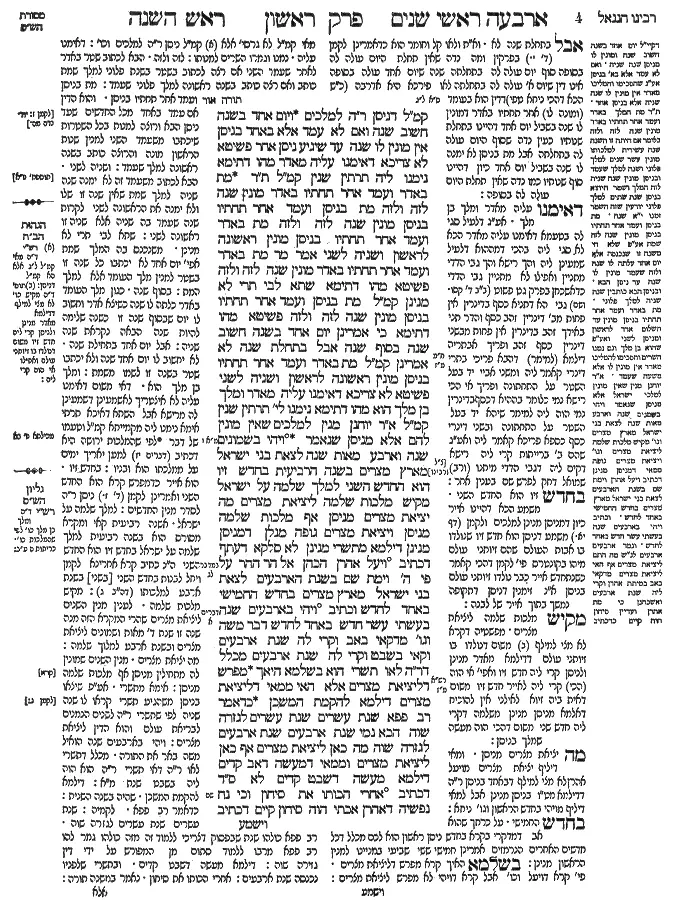
Rosh Hashanah 2b - Guemara
קמ"ל דניסן ר"ה למלכים ויום אחד בשנה חשוב שנה ואם לא עמד אלא באחד בניסן אין מונין לו שנה עד שיגיע ניסן אחר פשיטא לא צריכא דאימנו עליה מאדר מהו דתימא נימנו ליה תרתין שנין קמ"ל ת"ר מת באדר ועמד אחר תחתיו באדר מונין שנה לזה ולזה מת בניסן ועמד אחר תחתיו בניסן מונין שנה לזה ולזה מת באדר ועמד אחר תחתיו בניסן מונין ראשונה לראשון ושניה לשני אמר מר מת באדר ועמד אחר תחתיו באדר מונין שנה לזה ולזה פשיטא מהו דתימא שתא לבי תרי לא מנינן קמ"ל מת בניסן ועמד אחר תחתיו בניסן מונין שנה לזה ולזה פשיטא מהו דתימא כי אמרינן יום אחד בשנה חשוב שנה בסוף שנה אבל בתחלת שנה לא אמרינן קמ"ל מת באדר ועמד אחר תחתיו בניסן מונין ראשונה לראשון ושניה לשני פשיטא לא צריכא דאימנו עליה מאדר ומלך בן מלך הוא מהו דתימא נימנו לי' תרתין שנין קמ"ל א"ר יוחנן מנין למלכים שאין מונין להם אלא מניסן שנאמר (מלכים א ו, א) ויהי בשמונים שנה וארבע מאות שנה לצאת בני ישראל מארץ מצרים בשנה הרביעית בחדש זיו הוא החדש השני למלך שלמה על ישראל מקיש מלכות שלמה ליציאת מצרים מה יציאת מצרים מניסן אף מלכות שלמה מניסן ויציאת מצרים גופה מנלן דמניסן מנינן דילמא מתשרי מנינן לא סלקא דעתך דכתיב (במדבר לג, לח) ויעל אהרן הכהן אל הר ההר על פי ה' וימת שם בשנת הארבעים לצאת בני ישראל מארץ מצרים בחדש החמישי באחד לחדש וכתיב (דברים א, ג) ויהי בארבעים שנה בעשתי עשר חדש באחד לחדש דבר משה וגו' מדקאי באב וקרי לה שנת ארבעים וקאי בשבט וקרי לה שנת ארבעים מכלל דר"ה לאו תשרי הוא בשלמא היאך מפרש דליציאת מצרים אלא האי ממאי דליציאת מצרים דילמא להקמת המשכן כדאמר רב פפא שנת עשרים שנת עשרים לגזרה שוה הכא נמי שנת ארבעים שנת ארבעים לגזרה שוה מה כאן ליציאת מצרים אף כאן ליציאת מצרים וממאי דמעשה דאב קדים דילמא מעשה דשבט קדים לא ס"ד דכתיב (דברים א, ד) אחרי הכותו את סיחון וכי נח נפשיה דאהרן אכתי הוה סיחון קיים דכתיב
Comments from Rashi on Masechet Rosh Hashanah Page 2b
מאי קמ"ל לא גרסי' אלא קמ"ל ניסן ר"ה למלכים וכו': דאימנו עליה . נמנו וגמרו השרים למנותו: לזה ולזה . הבא לכתוב שטר באדר לאחר שעמד השני אם רצה לכתוב בשטר בשנת פלוני למלך שמת כותב ואם רצה כותב בשנה ראשונה למלך פלוני שעמד: מת בניסן ועמד אחר תחתיו בניסן . והוא הדין אם עמד באחד מכל החדשים שעד ניסן הבא ורוצה למנות בכל השטרות שיכתבו משעמד השני למנין שנות הראשון מונה והרוצה כותב בשנה ראשונה למלך שעמד: ושניה לשני . הבא לכתוב משעמד זה לא ימנה שנה שניה למלך שמת שאין שנה זו שלו ולא ימנה את הראשונה לשני לקרות שנה שעמד בה שניה אלא שניה זו ראשונה לשני: שתא לבי תרי לא מנינן . משנכנס בה המלך שמת אפי' יום אחד לא יכתבו כל שנה זו בשטר למנין מלך העומד אלא למלך המת: בסוף שנה . כגון מלך העומד באדר כלתה לו שנה כשיצא אדר וחשוב לו יום שבסוף שנה זו כשנה שלימה להיות שנה הבאה נקראת שנה שניה: אבל יום אחד בתחילת שנה . לא יחשוב לו יום אחד שנה ולא יכתבו שטר בשנה זו לשמו משמת: ומלך בן מלך הוא . דאי משום דאימנו עליה לא איצטריך לאשמעינן דשמעינן לה מרישא אבל השתא דאיכא תרתי אימא נימנו ליה מקמייתא קמ"ל וטעמו של דבר לפי שהמלכות ירושה היא דכתיב (דברים יז) למען יאריך ימים על ממלכתו הוא ובניו: בחדש זיו . הוא אייר כדמפרש קרא הוא החדש השני ואמרינן לקמן (ראש השנה ד' ז.) ניסן ר"ה לסדר מנין החדשים: למלך שלמה על ישראל . אשנה רביעית קאי ומקרא מסורס הוא בשנה רביעית למלך שלמה על ישראל בחדש זיו הוא החדש השני ה"נ כתיב קרא אחרינא לקמן ויחל לבנות בחדש השני [בשני] בשנת ארבע למלכותו (דברי הימים ב ג): מקיש מלכות שלמה . לענין מנין השנים ליציאת מצרים שהרי המקרא הזה מנה שנה זו שנת ד' מאות ושמונים ליציאת מצרים ובשנת ארבע למלוך שלמה: מה יציאת מצרים . מנין השנים שמונין לה מתחילין מניסן אף מלכות שלמה מניסן: אימא מתשרי . אע"פ שיצאו בניסן משהגיע תשרי קראו לו שנה שניה לפי שתשרי ר"ה לשנים הנמנים לבריאת עולם והוא הדין ליציאת מצרים: ויהי בארבעים שנה הואיל משה באר את התורה . מכלל דתשרי לאו ר"ה דאי תשרי ר"ה הוא הוה ליה בשבט שנת מ"א: דילמא להקמת המשכן . שהיה בשנה השנית: כדאמר רב פפא . לקמיה: שנת עשרים שנת עשרים לגזרה שוה . רב פפא כולהו שנת שבפסוק דצריכי ללמוד זה מזה כולהו גמר להו רב פפא מרבו ללמוד סתום מן המפורש על ידי דין גזירה שוה: דילמא מעשה דשבט קדים . ובתשרי שלפניו נכנסה שנת ארבעים: אחרי הכותו את סיחון . נאמר במשנה תורה:
Comments from Tosafot - Rosh Hashanah 2b
אבל בתחלת שנה לא. וא"ת ולאו קל וחומר הוא כדאמרינן לקמן (ראש השנה ד' י.) בפרקין ומה נדה שאין תחלת היום עולה לה בסופה סוף יום עולה לה בתחלתה שנה שיום אחד עולה בסופה אינו דין שיום א' עולה לה בתחלתה לאו פירכא היא אדרבה (כ"ש הכא דהכי ניחא טפי) דדין הוא בעומד (ומונה לו) אחר תחתיו באדר דמונין לו שנה בשביל יום אחד דהיינו בתחלת שנותיו כעין נדה שסוף היום עולה לה בתחלתה אבל מת בניסן לא ימנה לו שנה בשביל יום אחד כיון דהיינו סוף שנותיו כמו נדה שאין תחלת היום עולה לה בסופה: דאימנו עליה מאדר ומלך בן מלך. אע"ג דלעיל סגי לה בטעמא דאימנו עליה מאדר הכא לא סגי ליה בהכי דמההוא דלעיל שמעינן ליה והך רישא והך גבי הדדי מתניין ואפילו לא מתניין גבי הדדי כדאשכחן בפרק גט פשוט (ב"ב ד' קסו. ושם) גבי הא דתניא כסף בדינרין אין פחות מב' דינרין זהב כסף והדר תני באידך זהב בדינרין אין פחות מבשני דינרין כסף זהב ופריך אבתריה דילמא (למימר) דהבא פריכי בתרי דינרי קאמר ליה ומשני אביי יד בעל השטר על התחתונה ופריך אי הכי רישא נמי כלומר בההיא דכסף בדינרין נמי הוה ליה למימר שיהא יד בעל השטר על התחתונה ובשני דינרי כסף כספא פריכא קאמר ליה ואע"ג שהם ב' ברייתות קרי ליה רישא דקים ליה דגבי הדדי מיתנו (ורב) שמואל דחק לפרש שם בענין אחר: בחדש זיו הוא החדש השני. משמע הכא דהיינו אייר כיון דמניסן מנינן למלכים ולקמן (ראש השנה דף יא.) משמע דניסן הוא חדש זיו שנולדו בו אבות העולם שהם זיותני עולם מיהו בקונטרס פי' לקמן דהכי קאמר כשנתחדש אייר כבר נולדו זיותני עולם בניסן א"נ זימנין דניסן דתקופה נמשך בתוך אייר של לבנה: מקיש מלכות שלמה ליציאת מצרים. מפשטיה דקרא לא מצי למילף משום דנולדו בו זיותני עולם דדילמא מאדר מנינן ולניסן קרי ליה חדש זיו ואפי' אי הוה (הכי) קרי ליה לאייר חדש זיו משום דאית ביה זיוא לאילני אין להוכיח דאלמא מניסן מנינן משלמה דקרי ליה חדש שני משום דהכי הוה מעשה שמלך בניסן: מה יציאת מצרים מניסן. ומאי דיליף יציאת מצרים מויעל אהרן לא מצי למילף דבאחד בניסן ר"ה דדילמא מט"ו בניסן מנינן אבל למאי דיליף מויהי בחדש הראשון וגו' ניחא: בחדש החמישי. על כרחך שהוא אב דמדקרי בקרא בחדש ניסן ראשון הוא לכם מכלל דכל חדשים האחרים הנרמזים אמרינן חמישי ששי שביעי במניינו למנין הראשון מנינן: בשלמא האיך קרא מפרש דליציאת מצרים. פי' קרא דויעל וכו' אבל קרא דויהי לא מפרש ליציאת מצרים:
Rosh Hashanah 2b - Mishnah translated into english
teaches us that Nisan is the New Year for kings, and it also teaches us that one day in a year is considered a year; although this king ruled for only one day, a full year is counted toward his reign. The Gemara asks: Consider the next clause of the baraita: But if he ascended to the throne only on the first of Nisan, a year is not counted toward his reign until the next first of Nisan arrives. Isn’t this obvious?
The Gemara explains: No, it is necessary for a case where the princes agreed to appoint him as king already in the month of Adar. Lest you say that since the decision to appoint him king was made already in Adar, once the first of Nisan arrives they should count it the second year of his reign, therefore the baraita teaches us that the count begins only from when he actually began his rule.
§ The Sages taught in a baraita: If the king died in the month of Adar and another king succeeded him to the throne in that same Adar, one counts the year to this one, i.e., the previous king, as his final year, and to that one, i.e., the new king who began his reign in Adar. If the first king died in the month of Nisan and another king succeeded him in that same Nisan, one counts the year to this one, the previous king, and to that one, the new king. But if the first king died in Adar and another king succeeded him in Nisan, one counts the first year to the first king as his final year, and the second year to the second king as the first year of his reign.
The Master said: If the king died in Adar and another king succeeded him to the throne in that same Adar, one counts the year to this one, i.e., the previous king, as his final year, and to that one, i.e., the new king, as the first year of his reign. The Gemara asks: Isn’t this obvious? The Gemara explains: Lest you say that one year cannot be counted toward two kings, and so the entire year should be counted only toward the previous king, the baraita therefore teaches us that the years of two kings can overlap and be counted in a single year.
The Gemara cites the next phrase of the baraita: If the first king died in Nisan and another king succeeded him in that same Nisan, one counts the year to this one, the previous king, and to that one, the new king. The Gemara asks: Isn’t this obvious? The Gemara explains: Lest you say that when we say that one day in a year is considered a full year, this only applies when the day is at the end of the year, i.e., since his reign will continue in the coming year the day is considered like a whole year, but if the day is at the beginning of the year we should not say that the beginning of Nisan is counted as another year for the previous king; therefore, it teaches us that there is no such a distinction.
It was further taught in the baraita: But if the first king died in Adar and another king succeeded him in Nisan, one counts the first year to the first king as his final year, and the second year to the second king as the first year of his reign. The Gemara asks: Isn’t this obvious? The Gemara explains: No, it is necessary for a case where the princes decided to appoint him as king in Adar, and he is also a king, son of the previous king, so that his succession to the throne is automatic. Lest you say that by the time the first of Nisan arrives, two years should be counted toward his reign, it therefore teaches us that one counts only from Nisan, when he actually succeeded his father to the throne.
§ Rabbi Yoḥanan said: From where is it derived that one counts the years of kings’ reigns only from Nisan? As it is stated: “And it came to pass in the four hundred and eightieth year after the children of Israel were come out of the land of Egypt, in the fourth year of Solomon’s reign over Israel, in the month Ziv, which is the second month, that he began to build the house of the Lord” (I Kings 6:1). This verse juxtaposes the reign of Solomon to the exodus from Egypt: Just as one counts the years since the exodus from Egypt from Nisan, when the Jewish people left Egypt, so too, one counts the years of Solomon’s reign from Nisan.
The Gemara asks: And from where do we derive that we count the years from the exodus from Egypt themselves from Nisan? Perhaps we count them from Tishrei.
The Gemara answers: It should not enter your mind to say this, as it is written: “And Aaron the priest went up to Mount Hor at the commandment of the Lord, and died there, in the fortieth year after the children of Israel were come out of the land of Egypt, in the fifth month, on the first day of the month” (Numbers 33:38), and it is later written: “And it came to pass in the fortieth year, in the eleventh month, on the first of the month, that Moses spoke to the children of Israel” (Deuteronomy 1:3). From the fact that when the Bible speaks of the month of Av, which is the fifth month, it calls that year “the fortieth year,” and when it speaks of the following Shevat, it also calls that year “the fortieth year,” the implication is that the New Year does not begin in Tishrei. Were it the case that the New Year begins in Tishrei, Av and the following Shevat would not be in the same year because the year would have changed in Tishrei.
The Gemara raises an objection: Granted, in this case of Aaron’s death it is explicitly stated that the year is counted from the exodus from Egypt, as it states: “In the fortieth year after the children of Israel were come out of the land of Egypt.” But with regard to this other incident of Moses’ oration, from where is it known that the year is counted from the exodus from Egypt? Perhaps it is forty years since the establishment of the Tabernacle in the wilderness.
The Gemara answers: In accordance with what Rav Pappa said in a different context, that the meaning of one instance of the expression “the twentieth year” may be inferred from another instance of the expression “the twentieth year” by way of a verbal analogy, here too, the meaning of one instance of the expression “the fortieth year” may be inferred from another instance of the expression “the fortieth year” by way of a verbal analogy: Just as here, with regard to Aaron’s death, the count is from the exodus from Egypt, so too, here, with regard to Moses’ oration, although this is not stated explicitly, the count is from the exodus from Egypt.
The Gemara raises another question: Even if this serves as proof that these two events both took place in the fortieth year from the exodus from Egypt, from where is it known that the incident of Aaron’s death in Av took place first? Perhaps the incident of Moses’ oration in Shevat took place first, in which case it is possible that the years from the Exodus are counted not from Nisan, but from Tishrei.
The Gemara rejects this argument: It should not enter your mind to say this, as it is written that Moses delivered his oration “after he had slain Sihon” (Deuteronomy 1:4), and when Aaron died Sihon was still alive, as it is written:
Traduction : The William Davidson digital edition of the Koren Noé Talmud, with commentary by Rabbi Adin Even-Israel Steinsaltz.