 Talmud Bavli
The learning on the whole site is dedicated : L'ilui Nishmat Ledicia bat David Banoun
The learning on the whole site is dedicated : L'ilui Nishmat Yechayahou ben Moche
The learning on the whole site is dedicated : L'ilui Nishmat Rav Chlomo Ben Jamilla
Rosh Hashanah 14a : Youtube
Daf TubeYoutube
4 video classes :
Rosh Hashanah Page 14a
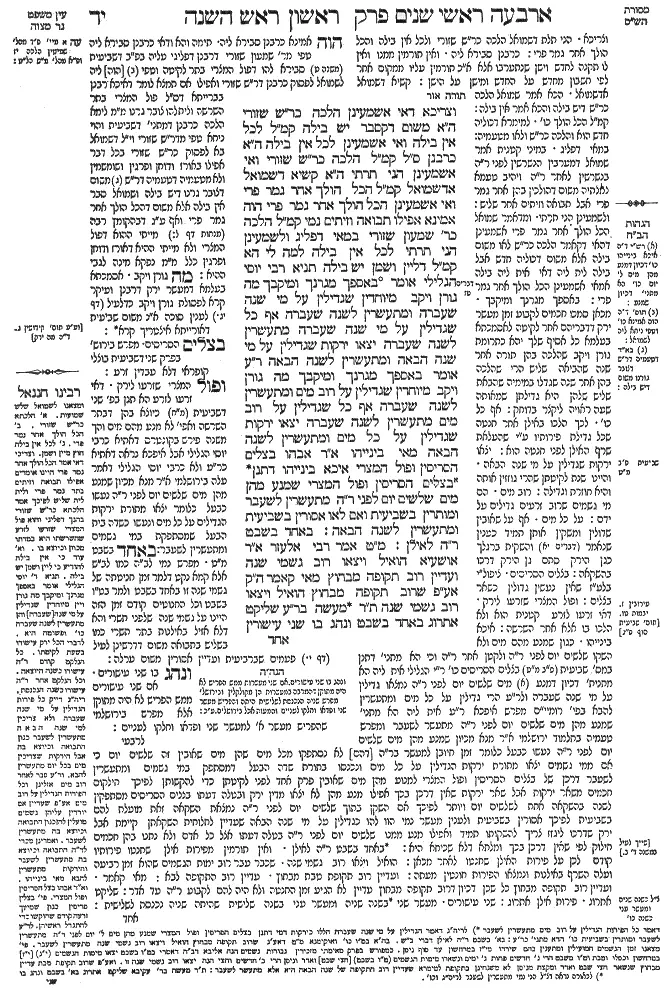
Rosh Hashanah 14a - Guemara
וצריכא דאי אשמעינן הלכה כר"ש שזורי ה"א משום דקסבר יש בילה קמ"ל לכל אין בילה ואי אשמעינן לכל אין בילה ה"א כרבנן ס"ל קמ"ל הלכה כר"ש שזורי ואי אשמעינן הני תרתי ה"א קשיא דשמואל אדשמואל קמ"ל הכל הולך אחר גמר פרי ואי אשמעינן הכל הולך אחר גמר פרי הוה אמינא אפילו תבואה וזיתים נמי קמ"ל הלכה כר' שמעון שזורי במאי דפליג ולשמעינן הני תרתי לכל אין בילה למה לי הא קמ"ל דליין ושמן יש בילה תניא רבי יוסי הגלילי אומר (דברים טז, יג) באספך מגרנך ומיקבך מה גורן ויקב מיוחדין שגדילין על מי שנה שעברה ומתעשרין לשנה שעברה אף כל שגדילין על מי שנה שעברה מתעשרין לשנה שעברה יצאו ירקות שגדילין על מי שנה הבאה ומתעשרין לשנה הבאה ר"ע אומר באספך מגרנך ומיקבך מה גורן ויקב מיוחדין שגדילין על רוב מים ומתעשרין לשנה שעברה אף כל שגדילין על רוב מים מתעשרין לשנה שעברה יצאו ירקות שגדילין על כל מים ומתעשרין לשנה הבאה מאי בינייהו א"ר אבהו בצלים הסריסין ופול המצרי איכא בינייהו דתנן בצלים הסריסין ופול המצרי שמנע מהן מים שלשים יום לפני ר"ה מתעשרין לשעבר ומותרין בשביעית ואם לאו אסורין בשביעית ומתעשרין לשנה הבאה:
באחד בשבט ר"ה לאילן:
מ"ט אמר רבי אלעזר א"ר אושעיא הואיל ויצאו רוב גשמי שנה ועדיין רוב תקופה מבחוץ מאי קאמר ה"ק אע"פ שרוב תקופה מבחוץ הואיל ויצאו רוב גשמי שנה ת"ר מעשה בר"ע שליקט אתרוג באחד בשבט ונהג בו שני עישורין
Comments from Rashi on Masechet Rosh Hashanah Page 14a
וצריכא . הני תלת דשמואל הלכה כר"ש שזורי ולכל אין בילה והכל הולך אחר גמר פרי: כרבנן סבירא ליה . ואין תורמין ממנו ואין לו תקנה לחדש וישן שנתערבו אלא א"כ תורמין עליו ממקום אחר לפי חשבון מחדש על החדש ומישן על הישן: קשיא דשמואל אדשמואל . הכא אמר שמואל הלכה כר"ש דיש בילה והכא אמר אין בילה: קמ"ל הכל הולך כו' . למימרא דכוליה חדש הוא והלכה כר"ש ולאו מטעמיה: במאי דפליג . במיני קטנית אמר שמואל דמערבין הנשרשין לפני ר"ה בנשרשין לאחר ר"ה ויהיב טעמא למלתיה משום דהולכין בהן אחר גמר פרי אבל תבואה וזיתים אחר שליש: ולשמעינן הני תרתי . ומדאמר שמואל הכל הולך אחר גמר פרי אשמעינן דהאי דקאמר הלכה כר"ש לאו משום בילה אלא משום דכוליה חדש אבל בילה לית ליה דאי אית ליה בילה אמאי אשמעינן הכל הולך אחר גמר פרי: באספך מגרנך ומיקבך . מכאן סמכו חכמים לקבוע זמן מעשר ירק דדבריהם אחר לקיטה לאסמכתא בעלמא כל אסיף שלך יהא כתרומת גורן ויקב שהלכה בהן תורה אחר שנה שהביאה שליש הרי שהלכה בהן אחר שנה שגדלו במימיה שהבאת שליש שלהן היא גדילתן שמאותה שעה ראויה ליקצר בדוחק: אף כל כו' . לכך הלכו באילן אחר חנטה שכל גדילת פירותיו ע"י שהעלאת שרף האילן לפני חנטה הוא: יצאו ירקות שגדילין על מי שנה הבאה . והיינו שנת לקיטתן שהרי גוזזין אותה והיא חוזרת וגדילה: רוב מים . הם מי גשמים שרוב זרעים גדילים על ידם: על כל מים . אף על שאובין שדולין ומשקין אותן תמיד כענין שנאמר (דברים יא) והשקית ברגלך כגן הירק סתם גן הירק דרכו בהשקאה: בצלים הסריסים . ציפול"י בלע"ז שאין נעשין גדולין כשאר בצלים: ופול המצרי שזרעו לירק . דאי זרעו לזרע קטנית הוא ולא הלכו בו אלא אחר השרשה: איכא בינייהו . כגון שמנע מהם מים ולא השקו שלשים יום לפני ר"ה ולקטן אחר ר"ה וכי הא מתני' דתנן במס' שביעית (פ"ב מ"ט) בצלים הסריסים כו' ר"י הגלילי אית ליה הא מתנית' דכיון דמנע מים שלשים יום לפני ר"ה נמצאו גדילין על מי שנה שעברה ולר"ע הרי גדילין על כל מים ומתעשרין להבא בפי' רומיי"ם מפרש איפכא ר"ע אית ליה הא מתני' שמנע מהן מים שלשים יום לפני ר"ה מתעשר לשעבר ומפרש טעמיה בתלמוד ירושלמי א"ר מנא מכיון שמנע מהן מים שלשים יום לפני ר"ה נעשו כבעל כלומר זמן חיובן למעשר בר"ה [דהם] לא נסתפקו מכל מים שהן מים שאובין זה שלשים יום כי אם ממי גשמים יצאו מתורת ירקות הגדילין על כל מים ונכנסו בתורת שדה הבעל דמסתפק במי גשמים ומתעשרין לשעבר דרכן של בצלים הסריסין ופול המצרי למנוע מהן מים שאובין פרק אחד לפני לקיטתן כדי להקשותן לפיכך חילקום חכמים משאר ירקות אבל שאר ירקות שאין דרכן בכך אפילו מנע מהן לא יצאו מדין ירק ובטלה דעתו בצלים הסריסים מסתפקין לשנה בהשקאה אחת לשלשים יום ויותר לפיכך אם השקן בתוך שלשים יום לפני ר"ה נמצאת השקאה זאת מועלת להם בשביעית לפיכך אסורין בשביעית ולענין מעשר נמי הוו להו כגדילין על מי שנה הבאה שעדיין לחלוחית השקאתן קיימת אבל ירק שדרכו ליגזז צריך להשקותו תמיד ואפילו מנע ממנו שלשים יום לפני ר"ה בטלה דעתו אצל כל אדם ולא נתנו בהן חכמים חילוק לפי שאין דרכן בכך ומלתא דלא שכיחא היא: באחד בשבט ר"ה לאילן . ואין תורמין מפירות אילן שחנטו פירותיו קודם לכן על פירות האילן שחנטו לאחר מכאן: הואיל ויצאו רוב גשמי שנה . שכבר עבר רוב ימות הגשמים שהוא זמן רביעה ועלה השרף באילנות ונמצאו הפירות חונטין מעתה: ועדיין רוב תקופת טבת מבחוץ . עדיין רוב התקופה לבוא: מאי קאמר . ועדיין רוב תקופה מבחוץ כל שכן דכיון דרוב תקופה מבחוץ עדיין לא הגיע זמן החנטה ולא היה להם לקבוע ר"ה עד אדר: שליקט אתרוג . פירות אילן אתרוג: שני עישורים . מעשר שני בשנה שניה ומעשר עני בשנה שלישית שהיתה שניה נכנסת לשלישית:
Comments from Tosafot - Rosh Hashanah 14a
הוה אמינא כרבנן סבירא ליה. תימה והא ודאי כרבנן סבירא ליה טפי מר' שמעון שזורי דרבנן דפליגי עליה בפ"ב דשביעית (משנה ט) סבירא להו דפול המצרי בתר לקיטה וטפי [הוה] ליה לשמואל לפסוק כרבנן דר"ש שזורי ואפילו אם תמצא לומר דאיכא רבנן בברייתא דס"ל פול המצרי בתר השרשה ולית להו צובר גרנו מ"מ לימא הלכה כרבנן דמתני' דשביעית והוי ניחא טפי מדר"ש שזורי וי"ל דשמואל בא לפסוק כר"ש שזורי בכל דבר אפילו באורז ודוחן ופרגין ושומשמין ולא מטעמיה דטעמיה דר"ש משום דצובר גרנו דיש בילה ושמואל סבר אין בילה אלא משום דהכל הולך אחר גמר פרי ואף ע"ג דבהקומץ רבה (מנחות דף ל:) מייתי ההוא דפול המצרי ולא מייתי ההיא דאורז ודוחן ופרגין כלל מ"מ נפקא מינה לגבי ההיא: מה גורן ויקב. אסמכתא בעלמא דמעשר ירק דרבנן ועיקר קרא לפסולת גורן ויקב כדלעיל (ראש השנה דף יג.) לענין סוכה א"נ משום שביעית דאורייתא איצטריך קרא: בצלים הסריסים. מפרש בירוש' בפרק שני דשביעית בוצלי קופראי דלא עבדין זרע: ופול המצרי שזרעו לירק. דאי זרעו לזרע הא תגן בפ' שני דשביעית (מ"ח) כיוצא בהן דבתר השרשה ואפי' לא מנע מהם מים והך משנה פירש בקונטרס דאתיא כרבי יוסי הגלילי אבל איפכא נראה דאתיא כר"ע ולא כרבי יוסי הגלילי דאמר עלה בירושלמי א"ר מנא מכיון שמנע מהן מים שלשים יום לפני ר"ה נעשו כבעל כלומר יצאו מתורת ירקות הגדילים על כל מים ונעשו כשדה בית הבעל שמסתפקת במי גשמים ומתעשרין לשעבר: באחד בשבט מ"ט. מפרש נמי לב"ה כמו לב"ש אלא קמא נקט דלמר זמן חניטתה של גשמי שנה זו באחד בשבט ולמר בט"ו בשבט וכל החנוטים קודם זמן הזה היינו על גשמי שנה שלפני תשרי והא דלא אזיל באילנות בתר תשרי כמו בשליש בתבואה משום דדרשינן לעיל (ראש השנה דף י.) פעמים שברביעית ועדיין אסורין משום ערלה: ונהג בו שני עישורים. אם שני עישורים ממש הפריש לא היה מתוקן אלא מפרש בירושלמי שהפריש מעשר א' למעשר שני ופדאו וחלקו לעניים:
Rosh Hashanah 14a - Mishnah translated into english
The Gemara comments: It is necessary to state all three statements of Shmuel in order to clarify his position, as had Shmuel taught us only that the halakha is in accordance with the opinion of Rabbi Shimon Shezuri, I would have said that this is due to the fact that he holds that there is mixing even with regard to solids. Therefore, he teaches us the second statement, that there is no mixing for anything except wine, oil, and other liquids.
And had Shmuel taught us only that there is no mixing for anything except liquids, I would have said that he holds like the Sages with regard to tithes, that the mixture of cowpeas cannot be tithed together. Therefore, he teaches us that the halakha is in accordance with the opinion of Rabbi Shimon Shezuri.
And had Shmuel taught us only these two statements, I would have said in accordance with the opinion of Rabbi Zeira that it is difficult to reconcile one statement of Shmuel with another statement of Shmuel. Therefore, he teaches us that in all cases, the tithe year follows the time of the full ripening of the produce, and it is for this reason that the halakha is in accordance with the opinion of Rabbi Shimon Shezuri.
And had Shmuel taught us only that in all cases the tithe year follows the time of the full ripening of the produce, I would have said that this applies even to grain and olives. Therefore, he teaches us that the halakha is in accordance with the opinion of Rabbi Shimon Shezuri with regard to his dispute with the Sages, i.e., with regard to beans, but with regard to grain and olives the tithe year follows the time that they reach one-third of their growth.
The Gemara asks: But let him teach us only these two statements, that the halakha is in accordance with the opinion of Rabbi Shimon Shezuri and that in all cases the tithe year follows the full ripening of the fruit, which would suffice to clarify Shmuel’s position. Why do I need to be told that there is no mixing for anything? The Gemara answers: This comes to teach us not that there is no mixing for solids, but that there is mixing for wine, oil, and other liquids.
§ It is taught in a baraita that Rabbi Yosei HaGelili says: The verse states: “After you have gathered in from your threshing floor and from your winepress” (Deuteronomy 16:13). This teaches that just as the grain that is brought to the threshing floor and the wine that is brought to the winepress are special in that they grow on the outgoing year’s water, i.e., the moisture in the ground from the previous winter’s rain, and the halakha is that they are tithed in accordance with the outgoing year, so too, anything that grows on the outgoing year’s water is tithed in accordance with the outgoing year. This comes to exclude vegetables, which grow on the incoming year’s water, as their growth cycle is short and they are nurtured by the rain that falls while they are growing. Consequently, they are tithed in accordance with the incoming year.
Rabbi Akiva says: This is the way the verse should be expounded: “After you have gathered in from your threshing floor and from your winepress”; this teaches us that just as the grain that is brought to the threshing floor and the wine that is brought to the winepress are special in that they grow on most water, i.e., rainfall is sufficient and they do not require irrigation, and the halakha is that they are tithed in accordance with the outgoing year, so too, anything that grows on most water is tithed in accordance with the outgoing year. This comes to exclude vegetables, which grow on all water, i.e., they require irrigation as well. Consequently, they are tithed in accordance with the incoming year.
The Gemara asks: What is the practical difference between the opinions of Rabbi Yosei HaGelili and Rabbi Akiva? Rabbi Abbahu said: There is a practical difference between them with regard to seedless onions and cowpeas, as we learned in a mishna: Seedless onions, which are cultivated for their greens and not for their bulbs or seeds, and the cowpea plant, which was planted to be eaten as a vegetable, from which one withheld water for thirty days before Rosh HaShana, so that their green portions stopped growing and they began to grow for seed, are tithed in accordance with the outgoing year, and they are permitted if the new year is the Sabbatical Year. And if not, they are prohibited if it is the Sabbatical Year, and in ordinary years they are tithed in accordance with the incoming year. Therefore, the halakha depends not on the species of plant but on whether the crop is in fact nurtured by the previous year’s water or the new year’s water, and this mishna is taught in accordance with the opinion of Rabbi Yosei HaGelili.
§ The mishna taught: On the first of Shevat is the new year for trees, according to the statement of Beit Shammai. The Gemara asks: What is the reason that the new year for trees was set on this date? Rabbi Elazar said that Rabbi Oshaya said: The reason is since by that time most of the year’s rains have already fallen, and most of the season, i.e., winter, is yet to come, as it continues until the spring equinox, which usually occurs in Nisan.
The Gemara asks: What is he saying? The Gemara explains: This is what he said: Even though most of the winter season is yet to come, nevertheless, since most of the year’s rains have already fallen, it is considered the end of the previous year of rain, and anything that grows from then on is considered produce of the next year.
The Sages taught in a baraita: There was once an incident involving Rabbi Akiva, who picked an etrog on the first of Shevat and set aside two tithes. This occurred in the second or the fifth year of the Sabbatical cycle. In the second and fifth years one sets aside second tithe, whereas in the third and sixth years one sets aside poor man’s tithe. Rabbi Akiva set aside both second tithe and poor man’s tithe because he was in doubt about the halakha.
Traduction : The William Davidson digital edition of the Koren Noé Talmud, with commentary by Rabbi Adin Even-Israel Steinsaltz.