 Talmud Bavli
The learning on the whole site is dedicated : L'ilui Nishmat Nissim ben Barukh Malka
The learning on the whole site is dedicated : L'ilui Nishmat Yaakov ben Myriam
The learning on the whole site is dedicated : L'ilui Nishmat Amram ben Itshak Loubaton
Rosh Hashanah 29a : Youtube
Daf TubeYoutube
4 video classes :
Rosh Hashanah Page 29a
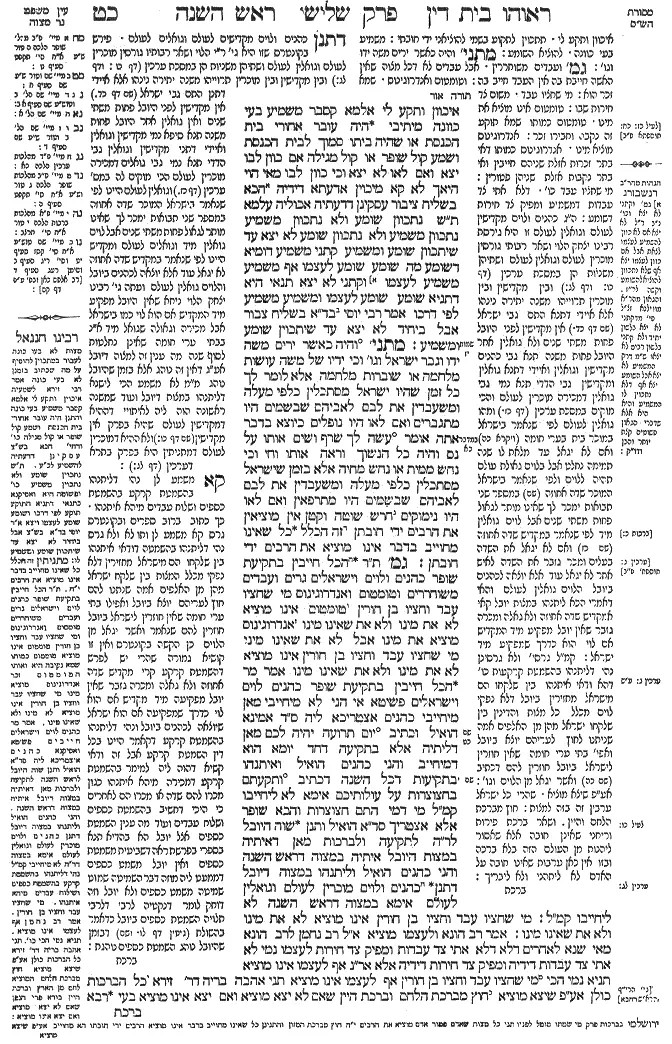
Rosh Hashanah 29a - Guemara
איכוון ותקע לי אלמא קסבר משמיע בעי כוונה מיתיבי היה עובר אחורי בית הכנסת או שהיה ביתו סמוך לבית הכנסת ושמע קול שופר או קול מגילה אם כוון לבו יצא ואם לאו לא יצא וכי כוון לבו מאי הוי היאך לא קא מיכוין אדעתא דידיה הכא בשליח ציבור עסקינן דדעתיה אכוליה עלמא ת"ש נתכוון שומע ולא נתכוון משמיע נתכוון משמיע ולא נתכוון שומע לא יצא עד שיתכוון שומע ומשמיע קתני משמיע דומיא דשומע מה שומע שומע לעצמו אף משמיע משמיע לעצמו וקתני לא יצא תנאי היא דתניא שומע שומע לעצמו ומשמיע משמיע לפי דרכו אמר רבי יוסי בד"א בשליח צבור אבל ביחיד לא יצא עד שיתכוין שומע ומשמיע:
מתני׳ (שמות יז, יא) והיה כאשר ירים משה ידו וגבר ישראל וגו' וכי ידיו של משה עושות מלחמה או שוברות מלחמה אלא לומר לך כל זמן שהיו ישראל מסתכלין כלפי מעלה ומשעבדין את לבם לאביהם שבשמים היו מתגברים ואם לאו היו נופלים כיוצא בדבר אתה אומר (במדבר כא, ח) עשה לך שרף ושים אותו על נס והיה כל הנשוך וראה אותו וחי וכי נחש ממית או נחש מחיה אלא בזמן שישראל מסתכלין כלפי מעלה ומשעבדין את לבם לאביהם שבשמים היו מתרפאין ואם לאו היו נימוקים חרש שוטה וקטן אין מוציאין את הרבים ידי חובתן זה הכלל כל שאינו מחוייב בדבר אינו מוציא את הרבים ידי חובתן:
גמ׳ ת"ר הכל חייבין בתקיעת שופר כהנים ולוים וישראלים גרים ועבדים משוחררים וטומטום ואנדרוגינוס מי שחציו עבד וחציו בן חורין טומטום אינו מוציא לא את מינו ולא את שאינו מינו אנדרוגינוס מוציא את מינו אבל לא את שאינו מינו מי שחציו עבד וחציו בן חורין אינו מוציא לא את מינו ולא את שאינו מינו אמר מר הכל חייבין בתקיעת שופר כהנים לוים וישראלים פשיטא אי הני לא מיחייבי מאן מיחייבי כהנים אצטריכא ליה ס"ד אמינא הואיל וכתיב (במדבר כט, א) יום תרועה יהיה לכם מאן דליתיה אלא בתקיעה דחד יומא הוא דמיחייב והני כהנים הואיל ואיתנהו בתקיעות דכל השנה דכתיב (במדבר י, י) ותקעתם בחצוצרות על עולותיכם אימא לא ליחייבו קמ"ל מי דמי התם חצוצרות והכא שופר אלא אצטריך סד"א הואיל ותנן שוה היובל לר"ה לתקיעה ולברכות מאן דאיתיה במצות היובל איתיה במצוה דראש השנה והני כהנים הואיל וליתנהו במצוה דיובל דתנן כהנים ולוים מוכרין לעולם וגואלין לעולם אימא במצוה דראש השנה לא ליחייבו קמ"ל:
מי שחציו עבד וחציו בן חורין אינו מוציא לא את מינו ולא את שאינו מינו:
אמר רב הונא ולעצמו מוציא א"ל רב נחמן לרב הונא מאי שנא לאחרים דלא דלא אתי צד עבדות ומפיק צד חירות לעצמו נמי לא אתי צד עבדות דידיה ומפיק צד חירות דידיה אלא אר"נ אף לעצמו אינו מוציא תניא נמי הכי מי שחציו עבד וחציו בן חורין אף לעצמו אינו מוציא תני אהבה בריה דר' זירא כל הברכות כולן אע"פ שיצא מוציא חוץ מברכת הלחם וברכת היין שאם לא יצא מוציא ואם יצא אינו מוציא בעי רבא
Comments from Rashi on Masechet Rosh Hashanah Page 29a
איכוון ותקע לי . תתכוין לתקוע בשמי להוציאני ידי חובתי: משמיע בעי כוונה . להוציא השומע: מתני' והיה כאשר ירים משה ידו וגו': גמ' ועבדים משוחררין . אבל עבדים לא דכל מצוה שאין האשה חייבת בה אין העבד חייב בה: וטומטום ואנדרוגינוס . שמא זכר הוא: מי שחציו עבד . משום צד חירות שבו: טומטום אינו מוציא את מינו . טומטום כמותו שמא תוקע זה נקבה וחבירו זכר: אנדרוגינוס מוציא מינו . אנדרוגינוס כמותו דאי בתר זכרות אזלת שניהם חייבין ואי בתר נקבות אזלת שניהן פטורין: מי שחציו עבד כו' . דלא אתי צד עבדות דמשמיע ומפיק צד חירות דשומע: ה"ג כהנים ולוים מקדישין לעולם וגואלין לעולם זו היא גירסת רבינו יצחק הלוי ושאר רבותי גורסין מוכרין לעולם וגואלין לעולם ושתיהן משניות הן במסכת ערכין (דף כו: ודף לג:) ובין מקדישין ובין מוכרין תרוייהו משנה יתירה נינהו אלא איידי דתנא התם גבי ישראל (שם דף כד.) אין מקדישין לפני היובל פחות משתי שנים ולא גואלין אחר היובל פחות משנה תנא גבי כהנים מקדישין וגואלין ואיידי דתנא גואלין ומקדישין גבי הדדי תנא נמי גבי גואלין דמכירה מוכרין לעולם והכי מוקים במסכת ערכין (דף כז.) ומהו גואלין לעולם לפי שנאמר בישראל במוכר בית בערי חומה (ויקרא כה) ואם לא יגאל עד מלאת לו שנה תמימה נחלט אבל בלוים גאולת עולם תהיה ללוים ולפי שנאמר בישראל המוכר שדה אחוזה (שם) במספר שני תבואות ימכר לך שאינו מותר לגאול פחות משתי שנים אבל לוים גואלין מיד לפי שנאמר במקדיש שדה אחוזה (שם כז) ואם לא יגאל את השדה בעלים ומכר גזבר את השדה לאיש אחר לא יגאל עוד אלא יוצאה לכהנים ביובל הלוים גואלין לעולם והאי דאמרי הכא ליתנהו במצות יובל קאי אמקדיש שדה אחוזה ולא גאלה ומכרה גזבר שאין יובל מפקיע מיד המקדיש אם לוי הוא כדרך שמפקיע מיד ישראל: קמ"ל גרסי' ולא גרסינן נהי דליתנהו בהשמטת קרקעות כו' דהא ודאי איתנהו בין שלקחו הם מישראל מחזירין ביובל דלא נפקי לוים מכלל כל מצות והדינין בין שלקחו ישראל מהן מן האלפים אמה שניתנו לחוץ לעריהם יוצא ביובל ואפי' בתי ערי חומה שאין חוזרין לישראל ביובל חוזרין להם דכתיב (שם כה) ואשר יגאל מן הלוים וגו': אע"פ שיצא מוציא . שהרי כל ישראל ערבין זה בזה למצות: חוץ מברכת הלחם והיין . ושאר ברכת פירות וריחני שאינן חובה אלא שאסור ליהנות מן העולם הזה בלא ברכה ובזו אין כאן ערבות שאינו חובה על האדם לא ליתהני ולא ליבריך:
Comments from Tosafot - Rosh Hashanah 29a
דתנן כהנים ולוים מקדישים לעולם וגואלים לעולם. פירש בקונטרס שזו היא גי' ר"י הלוי ושאר רבותיו גורסין מוכרין לעולם וגואלין לעולם ושתיהן משניות הן במסכת ערכין (דף כו: ודף לג:) ובין מקדישין ובין מוכרין תרוייהו משנה יתירה נינהו אלא איידי דתנן התם גבי ישראל (שם דף כד.) אין מקדישין לפני היובל פחות משתי שנים ואין גואלין אחר היובל פחות משנה תנא סיפא נמי מקדישין וגואלין ואיידי דתני מקדישין וגואלין גבי הדדי תנא נמי גבי גואלים דמכירה מוכרין לעולם הכי מוקים לה במס' ערכין (דף כז.) וגואלין לעולם היינו לפי שנאמר בישראל המוכר שדה אחוזה במספר שני תבואות ימכר לך שאינו מותר לגאול פחות משתי שנים אבל לוים גואלין מיד וגואלים לעולם ומקדיש היינו לפי שנאמר במקדיש שדה אחוזה לא יגאל עוד אלא יוצאה לכהנים ביובל והלוים גואלין לעולם ועתה גי' רבינו יצחק הלוי ניחא שאין היובל מפקיע מיד המקדיש אם הוא לוי כמו בישראל אבל מכירה וגאולה שגואל מיד א"נ בבתי ערי חומה שאינן נחלטות לסוף שנה מה ענין זה למצוה דיובל אע"ג דאין זה נוהג אלא בזמן שהיובל נוהג מ"מ לא משמע הכי לישנא דליתנהו במצות דיובל ועוד שמשנה ראשונה הוה ליה לאיתויי דההיא דמקדישין לעולם שהיא בפרק אין מקדישין (שם דף כו:) ולא ההיא דמוכרין לעולם דמתניתין היא בפרק בתרא דערכין (דף לג:): קא משמע לן נהי דליתנהו בהשמטת קרקע בהשמטת כספים ושלוח עבדים מיהא איתנהו. כך כתוב ברוב ספרים ובקונטרס גרס קא משמע לן ותו לא ולא גרס נהי דליתנהו בהשמטה דודאי איתנהו בין שלקחו הם מישראל מחזירין דלא נפקי מכלל המצות בין שלקח ישראל מהן מן האלפים אמה שנתנו להם חוץ לעריהם יוצא ביובל ואפילו בתי ערי חומה שאין חוזרין לישראל ביובל חוזרין להם שנאמר ואשר יגאל מן הלוים כן הקשה בקונטרס ואין זו קושיא גמורה שהרי יש לפרש דהשמטת קרקע קרי מקדיש שדה אחוזה ולא גאלה ומכרה גזבר שאין יובל מפקיעה מיד מקדיש אם הוא לוי כדרך שמפקיעה אם הוא ישראל שיוצאה לכהנים ביובל ונהי דליתנהו בהשמטת קרקע דקאמר היינו בכל דין השמטת קרקע אבל זה ודאי קשיא דהוה ליה למימר בהשמטת קרקע דמכירה מיהא איתנהו כגון מכרו להם שדה או מכרו הם לאחרים כי היכי דחשיב בהשמטת כספים ושלוח עבדים ועוד מה ענין השמטת כספים אצל יובל הא בהדיא תנא בספרי בפרשת ראה דשביעית משמטת כספים ואין יובל משמט כספים דממעט ליה מוזה דבר השמיטה שמוט שמיטה משמט כספים ולא יובל וזה דוחק לומר דנקטיה לרבי דלרבי תלויה השמטת כספים ביובל כדאמר בהשולח (גיטין דף לו. ושם) דבזמן שהיובל נוהג השמטת כספים נוהגת:
Rosh Hashanah 29a - Mishnah translated into english
Have intent to sound the shofar on my behalf and sound it for me. The Gemara infers: Apparently, Rabbi Zeira maintains that he who sounds the shofar for others is required to have intent to discharge the hearer’s obligation.
The Gemara raises an objection from the mishna: If one was passing behind a synagogue, or his house was adjacent to the synagogue, and he heard the sound of the shofar or the sound of the Scroll of Esther being read, if he focused his heart to fulfill his obligation, he has fulfilled his obligation, but if not, he has not fulfilled his obligation. It may be asked: And, according to Rabbi Zeira, even if the hearer focused his heart, what of it? The other one, i.e., the one sounding the shofar, did not focus his intent to sound the shofar with him in mind? If indeed the intent of the one sounding the shofar is required, how does the passerby fulfill his obligation?
The Gemara answers: Here we are dealing with the representative of the community, i.e., one who sounds the shofar for the entire congregation and has everyone in mind. He does not sound it for a specific individual, but rather on behalf of the entire community, and therefore anyone who hears him sound the shofar fulfills his obligation.
The Gemara raises another objection: Come and hear that which was taught in a baraita: If the hearer of the shofar had intent, but the sounder of the shofar did not have intent, or if the sounder of the shofar had intent, but the hearer did not have intent, he has not fulfilled his obligation, until both the hearer and the sounder have intent. The baraita teaches the halakha governing the sounder of the shofar in similar fashion to the halakha governing the hearer. From this it may be inferred that just as the hearer hears for himself, having intent to fulfill his own obligation, so too, the sounder sounds for himself, having intent to fulfill his own obligation, and not that of others. And the baraita teaches that if the sounder did not have this intent, the hearer has not fulfilled his obligation. But this indicates that if the sounder had intent to sound the shofar for himself, he need not have intent to sound it for others, therefore contradicting Rabbi Zeira’s opinion.
The Gemara answers: This is the subject of a dispute between tanna’im, as it is taught in a baraita: The hearer hears for himself, and the sounder sounds the shofar in his usual way, i.e., he need not intend to sound it for the sake of the hearer. Rabbi Yosei said: In what case is this statement said? It was said in the case of a representative of the community. But in the case of an ordinary individual, the hearer does not fulfill his obligation until both the hearer and the sounder have intent to discharge the hearer’s obligation, as argued by Rabbi Zeira.
MISHNA: Incidental to the discussion of the required intent when sounding the shofar, the mishna cites the verse: “And it came to pass, when Moses held up his hand, that Israel prevailed; and when he let down his hand, Amalek prevailed” (Exodus 17:11). It may be asked: Did the hands of Moses make war when he raised them or break war when he lowered them? Rather, the verse comes to tell you that as long as the Jewish people turned their eyes upward and subjected their hearts to their Father in Heaven, they prevailed, but if not, they fell.
Similarly, you can say: The verse states: “Make for yourself a fiery serpent, and set it upon a pole; and it shall come to pass, that everyone that is bitten, when he sees it, he shall live” (Numbers 21:8). Once again it may be asked: Did the serpent kill, or did the serpent preserve life? Rather, when the Jewish people turned their eyes upward and subjected their hearts to their Father in Heaven, they were healed, but if not, they rotted from their snakebites.
Returning to its halakhic discussion, the mishna continues: A deaf-mute, an imbecile, or a minor who sounds the shofar cannot discharge the obligation on behalf of the community. This is the principle with regard to similar matters: Whoever is not obligated to do a certain matter cannot discharge the obligation on behalf of the community.
GEMARA: The Sages taught the following baraita: All are obligated to sound the shofar: Priests, Levites, and ordinary Israelites; converts; freed slaves; a tumtum, i.e., one whose sexual organs from birth are concealed or are so undeveloped that it is impossible to determine whether the individual is male or female; a hermaphrodite [androginos], i.e., one with both male and female reproductive organs; and a half-slave, half-freeman.
A tumtum who sounds the shofar cannot discharge the obligation of one of his kind, i.e., a fellow tumtum, since men are bound by the obligation, whereas women are not, and it is possible that the sounder is female and the hearer is male, nor can he discharge the obligation of one who is not of his kind, an ordinary man or woman. A hermaphrodite can discharge the obligation of one of his kind, a fellow hermaphrodite, since if the sounder is treated as a female, the hearer is also considered a female, but he cannot discharge the obligation of one who is not of his kind. One who is half-slave and half-freeman cannot discharge the obligation of one of his kind, as the slave component of the sounder cannot discharge the obligation of the free component of the hearer, and he certainly cannot discharge the obligation of one who is not of his kind, i.e., a completely free individual.
The Master said above in the baraita: All are obligated to sound the shofar: Priests, Levites, and ordinary Israelites. The Gemara asks in astonishment: Isn’t that obvious? If these people are not obligated to perform the mitzva, who then is obligated to perform it?
The Gemara answers: It was necessary to say that priests are obligated to fulfill the mitzva, for it may enter your mind to say as follows: Since it is written: “It is a day of sounding the shofar to you” (Numbers 29:1), you might have said that with regard to one who is obligated to sound only one day, he is obligated to sound the shofar on Rosh HaShana. But with regard to these priests, since they are obligated to sound all year long, because they sound trumpets when they offer the sacrifices in the Temple, as it is written: “And you shall sound the trumpets over your burnt-offerings, and over the sacrifices of your peace-offerings” (Numbers 10:10), you might say that they are not obligated to sound the shofar on Rosh HaShana. Therefore, the baraita comes to teach us that this is not true, and that even priests are obligated to fulfill the mitzva.
The Gemara asks: Are these things comparable? There, the priests sound trumpets, and here, we are dealing with the sounding of a shofar. Rather, it was necessary to say that priests are obligated to fulfill the mitzva for a different reason, for it may enter your mind to say as follows: Since we learned in a mishna: Yom Kippur of the Jubilee Year is the same as Rosh HaShana, with regard to both the shofar blasts and the additional blessings that are recited in the Amida prayer, I might have said: One who is fully included in the mitzva of the Jubilee is also included in the mitzva of Rosh HaShana. But these priests, since they are not fully included in the mitzva of the Jubilee, as we learned in a mishna: Priests and Levites may sell their fields forever and they may also redeem their lands forever, and they are not bound by the halakhot of the Jubilee Year, I might say that they should also not be obligated to fulfill the mitzva of Rosh HaShana. Therefore, the baraita comes to teach us that this is not so, and that even priests are obligated to fulfill the mitzva.
§ It was taught in the same baraita: A half-slave, half-freeman cannot discharge the obligation on behalf of one of his kind, and he certainly cannot discharge the obligation on behalf of one who is not of his kind. Rav Huna said: Even though he cannot discharge the obligation on behalf of others, he can discharge the obligation on behalf of himself.
Rav Naḥman said to Rav Huna: What is the difference whereby he may discharge the obligation on behalf of himself but not on behalf of others? Because his slave component cannot come and discharge the obligation on behalf of the free component of the other. If so, with regard to himself as well, his slave component should not be able to come and discharge the obligation on behalf of his free component.
Rather, Rav Naḥman said: Even on behalf of himself he cannot discharge the obligation. The Gemara comments: This is also taught in a baraita: A half-slave, half-freeman cannot discharge the obligation even for himself.
Continuing the discussion of performing an obligation on behalf of others, Ahava, son of Rabbi Zeira, taught the following baraita: With regard to all the blessings, even if one already recited a blessing for himself and has consequently fulfilled his own obligation, he can still recite a blessing for others and thereby discharge their obligation, as all Jews are responsible for one another. This is true with regard to all blessings except for the blessing recited over bread and the blessing recited over wine, both before and after their consumption. With regard to these blessings, if he has not yet fulfilled his own obligation, he can discharge the obligation of others as well, but if he already fulfilled his own obligation, he cannot discharge the obligation of others, as these blessings are recited in appreciation of physical enjoyment, and can only be recited by one who is actually deriving pleasure at the time.
Rava raised a dilemma:
Traduction : The William Davidson digital edition of the Koren Noé Talmud, with commentary by Rabbi Adin Even-Israel Steinsaltz.