 Talmud Bavli
The learning on the whole site is dedicated : L'ilui Nishmat רינה בת לדיסיה
The learning on the whole site is dedicated : L'ilui Nishmat אליעזר בן רחל
The learning on the whole site is dedicated : L'ilui Nishmat אסתר בת חיים
Rosh Hashanah 13a : Youtube
Daf TubeYoutube
4 video classes :
Rosh Hashanah Page 13a
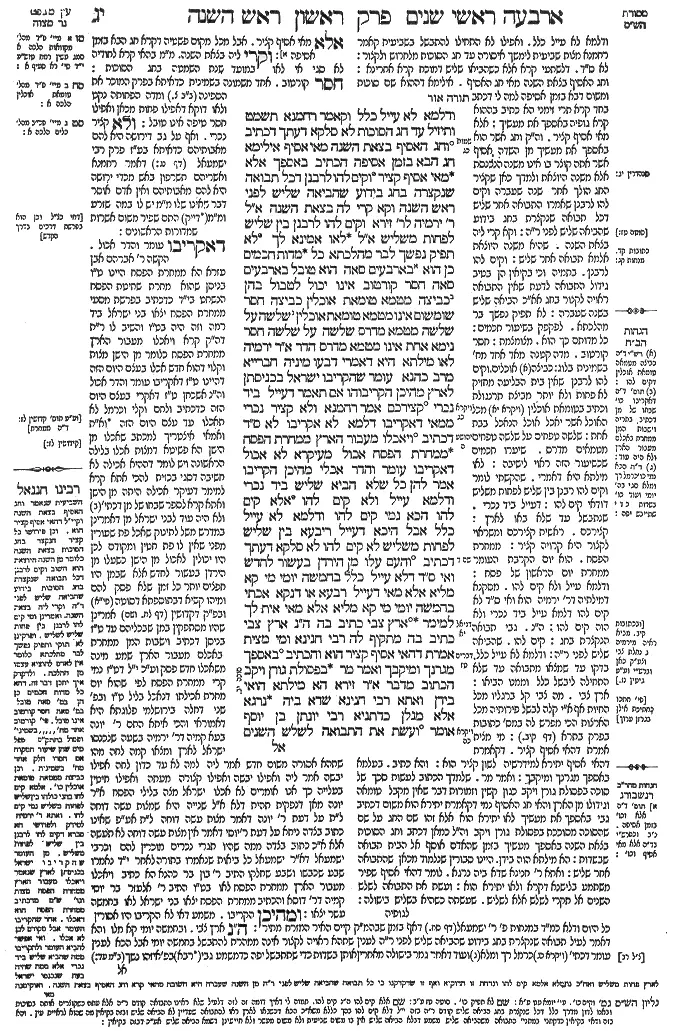
Rosh Hashanah 13a - Guemara
ודלמא לא עייל כלל וקאמר רחמנא תשמט ותיזיל עד חג הסוכות לא סלקא דעתך דכתיב (שמות כג, טז) וחג האסיף בצאת השנה מאי אסיף אילימא חג הבא בזמן אסיפה הכתיב באספך אלא מאי אסיף קציר וקים להו לרבנן דכל תבואה שנקצרה בחג בידוע שהביאה שליש לפני ראש השנה וקא קרי לה בצאת השנה א"ל ר' ירמיה לר' זירא וקים להו לרבנן בין שליש לפחות משליש א"ל לאו אמינא לך לא תפיק נפשך לבר מהלכתא כל מדות חכמים כן הוא בארבעים סאה הוא טובל בארבעים סאה חסר קורטוב אינו יכול לטבול בהן כביצה מטמא טומאת אוכלין כביצה חסר שומשום אינו מטמא טומאת אוכלין שלשה על שלשה מטמא מדרס שלשה על שלשה חסר נימא אחת אינו מטמא מדרס הדר א"ר ירמיה לאו מילתא היא דאמרי דבעו מיניה חברייא מרב כהנא עומר שהקריבו ישראל בכניסתן לארץ מהיכן הקריבוהו אם תאמר דעייל ביד נכרי (ויקרא כג, י) קצירכם אמר רחמנא ולא קציר נכרי ממאי דאקריבו דלמא לא אקריבו לא ס"ד דכתיב (יהושע ה, יא) ויאכלו מעבור הארץ ממחרת הפסח ממחרת הפסח אכול מעיקרא לא אכול דאקריבו עומר והדר אכלי מהיכן הקריבו אמר להן כל שלא הביא שליש ביד נכרי ודלמא עייל ולא קים להו אלא קים להו הכא נמי קים להו ודלמא לא עייל כלל אבל היכא דעייל ריבעא בין שליש לפחות משליש לא קים להו לא סלקא דעתך דכתיב (יהושע ד, יט) והעם עלו מן הירדן בעשור לחדש ואי ס"ד דלא עייל כלל בחמשה יומי מי קא מליא אלא מאי דעייל רבעא או דנקא אכתי בחמשה יומי מי קא מליא אלא מאי אית לך למימר (דניאל יא, מא) ארץ צבי כתיב בה ה"נ ארץ צבי כתיב בה מתקיף לה רבי חנינא ומי מצית אמרת דהאי אסיף קציר הוא והכתיב (דברים טז, יג) באספך מגרנך ומיקבך ואמר מר בפסולת גורן ויקב הכתוב מדבר א"ר זירא הא מילתא הואי בידן ואתא רבי חנינא שדא ביה נרגא אלא מנלן כדתניא רבי יונתן בן יוסף אומר (ויקרא כה, כא) ועשת את התבואה לשלש השנים
Comments from Rashi on Masechet Rosh Hashanah Page 13a
ודלמא לא עייל כלל . ואפילו לא התחילו להתבשל בשביעית קאמר רחמנא מצות שביעית לימשך איסורה עד חג הסוכות מלחרוש ולקצור: לא ס"ד . דלשתעי קרא אלא כשהביאו שליש דמוכח קרא אחרינא: וחג האסיף בצאת השנה מאי חג האסיף . אילימא דההוא שם סוכות ומשום דבא בזמן אסיפה למה לי דכתב בחד קרא תרי זימני הא כתיב בההוא קרא גופיה באספך את מעשיך: אלא מאי אסיף קציר . וה"ק וחג אשר הוא באספך את מעשיך מן השדה אסיף אשר אתה קוצר בו אינו משנה הנכנסת אלא משנה היוצאת ולמדך כאן שקציר החג הולך אחר שנה שעברה וקים להו לרבנן שאמרו התבואה אחר שליש דכל תבואה שנקצרת בחג בידוע שהביאה שליש לפני ר"ה: וקא קרי ליה בצאת השנה . שהיא משנה היוצאת אלמא תבואה אחר שליש: וקים להו לרבנן . בתמיה וכי בקיאין הן בטיב גידול התבואה לדעת שאין התבואה ראויה לקצור בחג אא"כ הביאה שליש בשנה שעברה: לא תפיק נפשך בר מהלכתא . לפקפק בשיעור חכמים: כל מדותם כך הוא . מצומצמת: חסר קורטוב . מדה קטנה מאד אחד מח' בשמינית בלוג: כביצה אוכלים . וקים להו לרבנן שאין בית הבליעה מחזיק לא פחות ולא יותר מביצת תרנגולת וכתיב בטומאת אוכלין (ויקרא יא) מכל האוכל אשר יאכל אוכל הנאכל בבת אחת: שלשה טפחים על שלשה טפחים מטמאים מדרס . שיערו חכמים שכשיעור הזה ראוי לישיבה: לאו מילתא היא דאמרי . שהקשתי לומר וקים להו רבנן בין שליש לפחות משליש דודאי קים להו: דעייל ביד נכרי . שנתבשל עד שלא באו לארץ: קצירכם . ראשית קצירכם ומשראוי לקצור היא קרויה קציר: ממחרת הפסח . הוא יום הקרבת העומר ממחרת יום הראשון של פסח: ודלמא עייל ולא קים להו . מסקנא דמילתיה דר' ירמיה הוא ואי ס"ד לא קים להו דלמא עייל ביד נכרי ולא הוה קים להו: ה"נ . גבי תבואה הנקצרת בחג: קים להו . שהביאה שליש לפני ר"ה: ודלמא לא עייל כלל . בדקו עד שמצאו מתבואה עד שלא התחילה ליבשל כלל וממנו הביאו: ארץ צבי . מה צבי קל ברגליו מכל החיות אף א"י קלה לבשל פירותיה מכל הארצות הכי מפרש לה במס' כתובות בפרק בתרא (דף קיב.): מי מצית אמרת דהאי אסיף קציר . דקאמרת דהאי אסיף יתירא למידרשיה לשון קציר הוא: והא כתיב . בעלמא באספך מגרנך ומיקבך: ואמר מר . שלמדך הכתוב לעשות סכך של סוכה בפסולת גורן ויקב כגון קשין וזמורות דבר שאין מקבל טומאה וגידולו מן הארץ והאי חג האסיף נמי דקאמרת יתירא הוא משום דכתיב גבי באספך את מעשיך לאו יתירא הוא אלא זהו שם החג על שם שהסוכה מסוככת בפסולת גורן ויקב וה"ל כמאן דכתב וחג הסוכות בצאת השנה באספך מעשיך בזמן שהאדם אוסף אל הבית תבואה שבשדות: הא מילתא הוה בידן . היינו סבורין שנלמוד מכאן שהתבואה אחר שליש: ואתא ר' חנינא שדא ביה נרגא . לומר דהאי אסיף שפיר משתמע בלישנא דקרא ולאו יתירא הוא: ועשת את התבואה לשלש השנים אל תקרי לשלש אלא לשליש . שעשתה כשהיא בשליש בישולה:
Comments from Tosafot - Rosh Hashanah 13a
אלא מאי אסיף קציר. אבל מכל מקום פשטיה דקרא חג הבא בזמן אסיפה: וקרי ליה בצאת השנה. מ"מ בהאי קרא לחודיה לא סגי אי לאו במועד שנת השמטה בחג הסוכות: חסר קורטוב. אחד משמונה בשמינית כדאיתא בפרק המוכר את הספינה (ב"ב צ.) ומדה הפחותה נקט ולאו דוקא דאפילו פחות מכאן ואפילו חסר טיפה אינו טובל: ולא קציר נכרי. ואף על גב דירושה היא להם מאבותיהם כדאיתא בע"ז פרק רבי ישמעאל (דף נג:) דאמר רחמנא ואשריהם תשרפון באש מכדי ירושה היא להם מאבותיהם ואין אדם אוסר דבר שאינו שלו מ"מ יש לו במה שזרע ומ"מ (דייק) התם שפיר משום אשרות שמדורות הראשונים: דאקריבו עומר והדר אכול. הקשה ר' אברהם אבן עזרא הא ממחרת הפסח היינו ט"ו בניסן שהוא מחרת שחיטת הפסח הנשחט בי"ד כדכתיב בפרשת מסעי ממחרת הפסח יצאו בני ישראל ביד רמה וזה היה בט"ו והשיב לו ר"ת דה"ק קרא ויאכלו מעבור הארץ ממחרת הפסח כלומר מן הישן מצות וקלוי דהוא חדש אכלו בעצם היום הזה דהיינו ט"ז דאקריבו עומר והדר אכול וה"נ אשכחן ט"ז דאקרי בעצם היום הזה כדכתיב ולחם וקלי וכרמל לא תאכלו עד עצם היום הזה וא"ת ואמאי איצטריך למכתב שאכלו מן הישן הא פשיטא דמצות אכלו בלילה הראשונה ויש לומר דההיא אכילה לא חשיבה דסגי בכזית להכי אתא קרא למימר דעיקר אכילה היתה מן הישן ואתא קרא לספר שבחו של מן דכתי' ולא היה עוד לבני ישראל מן דאמרינן במדרש משל לתינוק שאכל פת שעורין מפני שאין לו פת חטין ומקודם לכן היו יכולין לאכול מן הישן כשעלו מן הירדן בעשור לחדש אלא שבמן היו חפצים יותר כל זמן שלא פסק להם ומיהו קשיא דבתוספתא דסוטה (פי"א) ובפ"ק דקדושין (דף לח. ושם) אמרינן שהיו מסתפקין במן שבכליהם עד ט"ז בניסן דכתיב וישבות המן ממחרת באכלם מעבור הארץ שמע מינה משאכלו חדש פסק וע"כ י"ל דט"ז נמי קרי ממחרת הפסח לפי שהוא יום מחרת אכילתו דנאכל בליל ט"ו ובפ' שני דחלה בירושלמי פלוגתא היא דאמוראי והכי איתא התם ר' יונה בעא קמיה דר' ירמיה בשעה שנכנסו ישראל לארץ ומצאו קמה לחה מהו שתהא אסורה משום חדש אמר ליה למה לא עד כדון לחה אפילו יבשה אמר ליה ואפילו יבשה ואפילו קצורה מעתה ואפילו חיטין בעלייה כך אנו אומרים לא אכלו ישראל מצה בלילי הפסח א"ר יונה מאן דנפקית תהית דלא א"ל שנייה היא שמצות עשה דוחה ל"ת על דעת ר' יונה דאמר מצות עשה דוחה ל"ת אע"פ שאינו כתוב בצדה ניחא על דעת ר' יוסי דאמר אין מצות עשה דוחה לא תעשה אלא א"כ כתוב בצדה ממה שהיו תגרי נכרים מוכרין להם וכרבי ישמעאל דא"ר ישמעאל כל ביאות שנאמרו בתורה לאחר י"ד נאמרו שבע שכבשו ושבע שחלקו התיב ר' בון בר כהנא הא כתיב ויאכלו מעבור הארץ ממחרת הפסח לאו בט"ו התיב ר' אלעזר בר יוסי קמיה דר' דוסא והכתיב ממחרת הפסח יצאו בני ישראל לאו בחמשה עשר יצאו: ומהיכן הקריבו. משמע דאי לא הקריבו היו אסורין כל היום ודלא כמ"ד במנחות פ' ר' ישמעאל (דף סח.) דאף בזמן שבהמ"ק קיים האיר המזרח מתיר: ה"נ ארץ צבי. ובחמשה יומי קא מלו והא דאמר לעיל תבואה שנקצרת בחג בידוע שהביאה שליש לפני ר"ה לענין שתהא ראויה לקצור אינה ממהרת להתבשל בחמשה יומי אבל הכא לענין עומר דכתי' (ויקרא כג) כרמל רך ומלא ועוד דאחר גמר בישולה מאחרין אותן בשדות כדי שתתבשל יפה כדמשמע גבי (רבא) בפ'איזהו נשך (ב"מ עד:)
Rosh Hashanah 13a - Mishnah translated into english
But perhaps the verse is referring to produce that did not grow at all during the seventh year, and nevertheless, the Merciful One states in the Torah that all the halakhot of the Sabbatical Year continue to apply until the festival of Sukkot of the eighth year.
The Gemara answers: It should not enter your mind to say this, as it is written: “And the festival of gathering, which is at the end of the year, when you have gathered in your labors out of the field” (Exodus 23:16). What is the meaning of “gathering”? If we say that it means: A Festival that comes at the time of gathering the crops, isn’t it already written: “When you have gathered in your labors”? There is no need to repeat this a second time.
Rather, what is meant here by “gathering”? It means harvesting. And the Sages have an accepted tradition that any grain that reaches full growth so that it is harvested on the festival of Sukkot is known to have reached one-third of its growth before Rosh HaShana, and the Torah calls that period of the year until Sukkot “at the end of the year,” thereby indicating that it is still subject to the halakhot governing the previous year.
§ Rabbi Yirmeya said to Rabbi Zeira: And are the Sages able to discern precisely between produce that reached one-third of its growth and produce that reached less than one-third of its growth? Rabbi Zeira said to him: Do I not always tell you that you must not take yourself out of the bounds of the halakha? All the measures of the Sages are like this; they are precise and exact.
For example, one who immerses himself in a ritual bath containing forty se’a of water is rendered pure, but in forty se’a less the tiny amount of a kortov, he cannot immerse and become pure in them. Similarly, an egg-bulk of impure food can render other food ritually impure, but an egg-bulk less even the tiny amount of a sesame seed does not render food ritually impure.
So too, a piece of cloth three by three handbreadths in size is susceptible to ritual impurity imparted by treading, but a piece of cloth three by three handbreadths less one hair [nima] is not susceptible to ritual impurity imparted by treading.
Rabbi Yirmeya then said: What I said is nothing, and my question had no basis, as it can be demonstrated that the Sages know how to determine that produce has reached one-third of its growth. As Rav Kahana was once asked by the other colleagues of the academy as follows: With regard to the omer offering that the Jewish people brought when they first entered Eretz Yisrael in the days of Joshua, from where did they bring it? If you say that this omer offering was brought from grain that grew in the possession of a gentile, there is a difficulty, as the Merciful One states in the Torah: “You shall bring an omer of the first fruits of your harvest to the priest” (Leviticus 23:10), from which it can be derived that it must be your harvest, grown in the possession of a Jew, and not the harvest of a gentile.
The Gemara first questions the assumption of Rav Kahana’s colleagues: From where is it known that the Jewish people actually brought an omer offering that year? Perhaps they did not offer it at all. The Gemara rejects this argument: It should not enter your mind to say this, as it is written: “And they did eat of the produce of the land on the next day after Passover” (Joshua 5:11), which teaches: Only on the next day after Passover did they eat from the new grain, but initially they did not eat from it. Why? It is because they first brought the omer offering on the sixteenth of Nisan as is required, and only afterward did they eat from the new grain. Therefore the question remains: From where did they bring the omer offering?
Rav Kahana said to them: Anything that came into the possession of a Jew and did not reach one-third of its growth in the possession of a gentile is fit to be harvested for the sake of the omer offering.
Rabbi Yirmeya concludes his proof: But there, too, one might ask: Perhaps the grain had in fact already reached one-third of its growth, but they could not discern with certainty between grain that had reached one-third of its growth and grain that had not. Rather, you must say that they were able to discern with certainty. Here, too, you can say that the Sages can discern with certainty between produce that has reached one-third of its growth before Rosh HaShana and produce that has not.
The Gemara asks: This is not absolute proof, as perhaps the Jewish people brought the omer offering from grain that did not grow at all before they conquered the land, and the distinction was evident to all. But where produce reached one quarter of its growth, the Sages cannot discern with certainty the difference between one-third and less than one-third.
The Gemara answers: It should not enter your mind to say this, as it is written: “And the people came up from the Jordan on the tenth day of the first month” (Joshua 4:19). And if it enters your mind to say that the grain had not grown at all before the Jewish people entered the land, could it have reached full growth in just five days?
The Gemara rejects this argument: Rather, what can one say? That the grain had reached one quarter or one-sixth [danka] of its growth before the Jewish people conquered the land? This too is difficult, as one can still ask: Could the grain have reached full growth in just five days? Rather, what have you to say? One could say that with regard to Eretz Yisrael it is written: “The land of the deer” (Daniel 11:41), implying that the grain of Eretz Yisrael ripens with the swiftness of a deer. Here, too, one can say that “the land of the deer” is written with regard to Eretz Yisrael and applies to the ripening of the grain, so that it can ripen in just a few days.
§ Rabbi Ḥanina strongly objects to the proof brought from the verse in Exodus cited above, which refers to Sukkot as the festival of gathering: How can you say that this “gathering” means harvesting? But isn’t it written: “You shall observe the festival of Sukkot seven days, after you have gathered in from your threshing floor and from your winepress” (Deuteronomy 16:13), and the Master said about this: The verse speaks here of the waste of the threshing floor and the winepress, which is used to make the roof of the sukka. If so, the gathering mentioned with regard to the festival of Sukkot is referring not to harvesting but to gathering straw from the threshing floor.
Rabbi Zeira said about this: This matter was in our hands, i.e., I thought that we had solid proof that the years for produce follow the first third of its growth, but Rabbi Ḥanina came and cast an axe upon it, cutting it down, as Rabbi Ḥanina’s objection has totally nullified the proof.
The Gemara asks: Rather, from where do we derive that the years for produce follow the first third of its growth? The Gemara answers: As it is taught in a baraita that Rabbi Yonatan ben Yosef says: The verse states: “And it shall bring forth fruit for the three years” (Leviticus 25:21);
Traduction : The William Davidson digital edition of the Koren Noé Talmud, with commentary by Rabbi Adin Even-Israel Steinsaltz.