 Talmud Bavli
Mo'ed Katan 27b : Youtube
Daf TubeYoutube
2 video classes :
Mo'ed Katan Page 27b
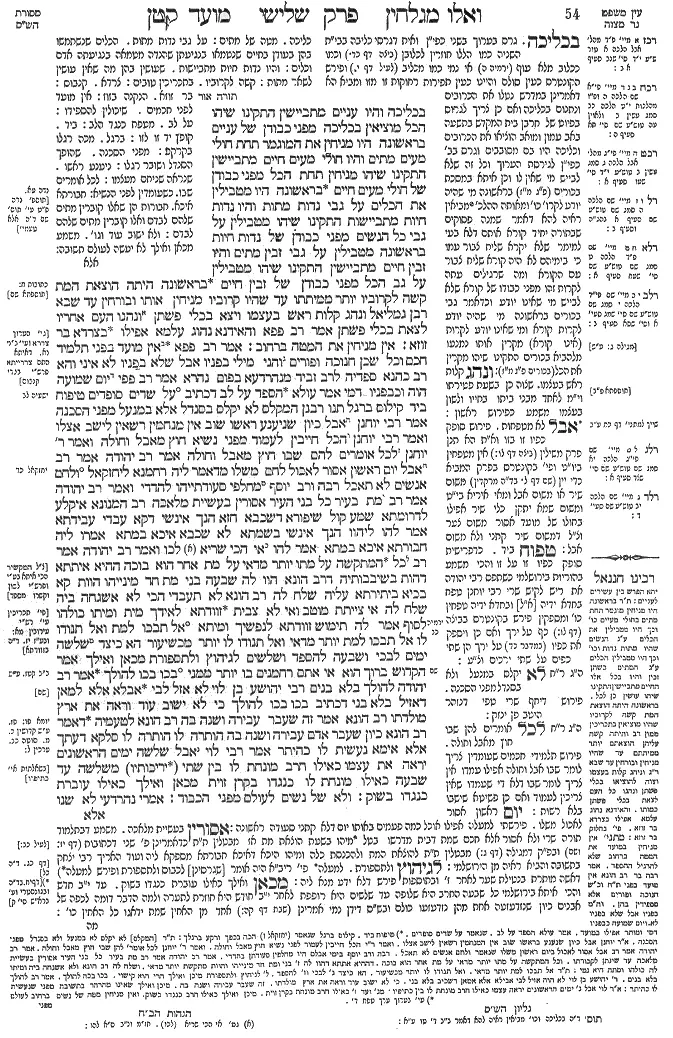
Mo'ed Katan 27b - Guemara
בכליכה והיו עניים מתביישין התקינו שיהו הכל מוציאין בכליכה מפני כבודן של עניים בראשונה היו מניחין את המוגמר תחת חולי מעים מתים והיו חולי מעים חיים מתביישין התקינו שיהו מניחין תחת הכל מפני כבודן של חולי מעים חיים בראשונה היו מטבילין את הכלים על גבי נדות מתות והיו נדות חיות מתביישות התקינו שיהו מטבילין על גבי כל הנשים מפני כבודן של נדות חיות בראשונה מטבילין על גבי זבין מתים והיו זבין חיים מתביישין התקינו שיהו מטבילין על גב הכל מפני כבודן של זבין חיים בראשונה היתה הוצאת המת קשה לקרוביו יותר ממיתתו עד שהיו קרוביו מניחין אותו ובורחין עד שבא רבן גמליאל ונהג קלות ראש בעצמו ויצא בכלי פשתן ונהגו העם אחריו לצאת בכלי פשתן אמר רב פפא והאידנא נהוג עלמא אפילו בצרדא בר זוזא:
אין מניחין את המטה ברחוב:
אמר רב פפא אין מועד בפני תלמיד חכם וכל שכן חנוכה ופורים והני מילי בפניו אבל שלא בפניו לא איני והא רב כהנא ספדיה לרב זביד מנהרדעא בפום נהרא אמר רב פפי יום שמועה הוה וכבפניו דמי אמר עולא הספד על לב דכתיב (ישעיהו לב, יב) על שדים סופדים טיפוח ביד קילוס ברגל תנו רבנן המקלס לא יקלס בסנדל אלא במנעל מפני הסכנה אמר רבי יוחנן אבל כיון שניענע ראשו שוב אין מנחמין רשאין לישב אצלו ואמר רבי יוחנן הכל חייבין לעמוד מפני נשיא חוץ מאבל וחולה ואמר ר' יוחנן לכל אומרים להם שבו חוץ מאבל וחולה אמר רב יהודה אמר רב אבל יום ראשון אסור לאכול לחם משלו מדאמר ליה רחמנא ליחזקאל (יחזקאל כד, יז) ולחם אנשים לא תאכל רבה ורב יוסף מחלפי סעודתייהו להדדי ואמר רב יהודה אמר רב מת בעיר כל בני העיר אסורין בעשיית מלאכה רב המנונא איקלע לדרומתא שמע קול שיפורא דשכבא חזא הנך אינשי דקא עבדי עבידתא אמר להו ליהוו הנך אינשי בשמתא לא שכבא איכא במתא אמרו ליה חבורתא איכא במתא אמר להו אי הכי שריא לכו ואמר רב יהודה אמר רב כל המתקשה על מתו יותר מדאי על מת אחר הוא בוכה ההיא איתתא דהות בשיבבותיה דרב הונא הוו לה שבעה בני מת חד מינייהו הוות קא בכיא ביתירתא עליה שלח לה רב הונא לא תעבדי הכי לא אשגחה ביה שלח לה אי צייתת מוטב ואי לא צבית זוודתא לאידך מית ומיתו כולהו לסוף אמר לה תימוש זוודתא לנפשיך ומיתא (ירמיהו כב, י) אל תבכו למת ואל תנודו לו אל תבכו למת יותר מדאי ואל תנודו לו יותר מכשיעור הא כיצד שלשה ימים לבכי ושבעה להספד ושלשים לגיהוץ ולתספורת מכאן ואילך אמר הקדוש ברוך הוא אי אתם רחמנים בו יותר ממני (ירמיהו כב, י) בכו בכו להולך אמר רב יהודה להולך בלא בנים רבי יהושע בן לוי לא אזל לבי אבלא אלא למאן דאזיל בלא בני דכתיב בכו בכו להולך כי לא ישוב עוד וראה את ארץ מולדתו רב הונא אמר זה שעבר עבירה ושנה בה רב הונא לטעמיה דאמר רב הונא כיון שעבר אדם עבירה ושנה בה הותרה לו הותרה לו סלקא דעתך אלא אימא נעשית לו כהיתר אמר רבי לוי אבל שלשה ימים הראשונים יראה את עצמו כאילו חרב מונחת לו בין שתי (יריכותיו) משלשה עד שבעה כאילו מונחת לו כנגדו בקרן זוית מכאן ואילך כאילו עוברת כנגדו בשוק:
ולא של נשים לעולם מפני הכבוד:
אמרי נהרדעי לא שנו
Comments from Rashi on Masechet Mo'ed Katan Page 27b
כליכה . מטה של מתים: על גבי נדות מתות . הכלים שנשתמשו בהן בעודן בחיים שנטמאו בנגיעתן שהנדה מטמאה בנגיעתה אדם וכלים: והיו נדות חיות מתביישות . שעושין בהן מה שאין עושין לשאר מתות: קשה לקרוביו . בתכריכין טובים: צרדא . קנבוס: בר זוזא . הנקנה בזוז: אין מועד לפני חכמים . שיכולין להספידו: על לב . מטפח כנגד הלב: ביד . קופץ יד זו לזו: ברגל . מכה רגלו בקרקע: מפני הסכנה . שהופך הסנדל ושובר רגלו: ניענע ראשו . שנראה שניחם מעצמו: לכל אומרים שבו . כשעומדין לפני הנשיא: חבורתא איכא . חבורות הן שאלו קוברין מתים שלהם לבדם ואלו קוברין מתים שלהם לבדם: ולא ישוב עוד וגו' . משמע מכאן ואילך לא יעשה לעולם תשובה:
Comments from Tosafot - Mo'ed Katan 27b
בכליכה. גרס בערוך בשני כפי"ן ואית דגרסי כליבה בבי"ת השניה כמו הללו חוזרין לכלובן (ביצה דף כד.) וכמו ככלוב מלא עוף (ירמיהו ה) אי נמי כמו מכליב (לעיל מועד קטן דף י.) ופירש הקונטרס כעין סולם והיינו כעין תפירות רחוקות זו מזו ומביא הא דאמרינן במדרש נטלו את הכרובים ונתנום בכליכה ואם כן צריך לגרוס בפיוט של חרבן בית המקדש בתשעה באב עמון ומואב הוציאו את הכרובים וכליכה היו בם מסובבים וגרס בב' כפי"ן לגירסת הערוך וכל זה שלא לבייש מי שאין לו וכן איתא במסכת בכורים (פ"ג מ"ז) בראשונה מי שהיה יודע לקרו' כו' ומאותה ההלכ' מביאין ראיה להא דאמר שמנה פסוקים שבתורה יחיד קורא אותם דלא בעי למימר שלא יקרא שליח צבור עמו כי בימיהם לא היה קורא שליח צבור עם הקורא ומה שרגילים עתה לקרות זהו מפני כבודו של קורא שלא לבייש מי שאינו יודע וכדאמר גבי בכורים בראשונה מי שהיה יודע לקרות קורא ומי שאינו יודע לקרות (אינו קורא) מקרין אותו נמנעו מלהביא בכורים התקינו שיהו מקרין את הכל (בכורים פ"ג מ"ז): ונהג קלות ראש בעצמו. שצוה כן בשעת פטירתו וי"מ לאחד מבני ביתו בחייו ולשון בעצמו משמע כפירוש ראשון: אבל לא מטפחות. פירוש סופק כפיו זו בזו וא"ת הא תנן פרק משילין (ביצה דף לו:) אין מטפחין ביו"ט ופי' בקונטרס בפרק המביא כדי יין (שם דף ל. בד"ה מרקדין) משום שיר או משום אבל ומאי איריא בי"ט ומשום שמא יתקן כלי שיר אפילו בחולו של מועד אסור משום צער וצ"ל דמשום שיר קתני ולא משום אבל: טפוח ביד. כדפרישית סופק כפיו זו על זו והכי משמע בהוריות בירושלמי כשתפס רבי יהודה את ריש לקיש שרי רבי יוחנן טפח בחדא ידיה [א"ל] ובחדא ידיה טפחין כו' ומספקין פירש בקונטרס בביצה (דף לו:) כף על ירך ואם כן ויספק את כפיו (במדבר כד) על ירך הן שתי כפים על שתי ירכים וצ"ע: ה"ג ר"ח לא יקלס במנעל ולא בסנדל מפני הסכנה. פירוש דיחף שרי טפי דנזהר היטב פן ינזק: ה"ג ר"ח לכל אומרים להן שבו חוץ מאבל וחולה. פירוש תלמידי חכמים שעומדין צריך לומר שבו אבל וחולה אפילו עמדו אין צריך לומר שבו דלא די שעמדו שאין צריכין לעמוד ואם כן פשיטא שישבו בלא רשות: יום ראשון אסור לאכול משלו. פירשתי למעלה אפילו אוכל כמה פעמים באותו יום דלא קתני סעודה ראשונה: אסורין בעשיית מלאכה. משמע דבתלמוד תורה שרי ולא אסור אלא חכם שמת דבית מדרשו בטל מיהו בשעת הוצאת מת אז מבטלין ת"ת כדאמרינן פ' שני דכתובות (דף יז: ושם) ובפ"ק דמגילה (דף ג:) מבטלין ת"ת להוצאת המת ולהכנסת כלה ומיהו היכא דאיכא חבורתא מספקא ליה ועוד האריך רבי יצחק בתשובה והביא ראיה מן הירושלמי: לגיהוץ ולתספורת. למעלה. פי' ריב"א היה אומר [שגרסינן] לכבוס ולתספורת ופירש למעלה דאשה מותרת בנטילת שער לאחר ז' ובתוספות פירש דלא ידע מנא ליה: מכאן ואילך כאילו עוברת כנגדו בשוק. עד י"ב חדש והכי איתא בירושלמי כל שבעה החרב היא שלופה עד שלשים היא רופפת לאחר י"ב חודש היא חוזרת לתערה ולמה הדבר דומה לכפה של אבנים כיון שנזדעזעה אחת מהן נזדעזעו כולם ובש"ס דידן נמי אמרינן (שבת דף קה:) אחד מן האחין שמת ידאגו כל האחין כו':
Mo'ed Katan 27b - Mishnah translated into english
on a plain bier made from poles that were strapped together, and the poor were embarrassed. The Sages instituted that everyone should be taken out for burial on a plain bier, due to the honor of the poor.
Similarly, at first they would place incense under the beds of those who died with an intestinal disease, because the body emitted an especially unpleasant odor. And those who were alive with an intestinal disease were embarrassed when they understood that they, too, would be treated in this manner after their death, and that everyone would know the cause of their death. The Sages instituted that incense should be placed under everyone, due to the honor of those with an intestinal disease who were still living.
Moreover, at first they would ritually immerse all the utensils that had been used by women who died while menstruating, which had thereby contracted ritual impurity. And due to this, the living menstruating women were embarrassed. The Sages instituted that the utensils that had been used by all dying women must be immersed, due to the honor of living menstruating women. And, at first they would ritually immerse all the utensils that had been used by zavin, men suffering from gonorrhea, who died, as the utensils had thereby contracted ritual impurity. And due to this the living zavin felt embarrassed. The Sages instituted that the utensils that had been used by all men must be immersed, due to the honor of the living zavin.
Likewise, at first taking the dead out for burial was more difficult for the relatives than the actual death, because it was customary to bury the dead in expensive shrouds, which the poor could not afford. The problem grew to the point that relatives would sometimes abandon the corpse and run away. This lasted until Rabban Gamliel came and acted with frivolity, meaning that he waived his dignity, by leaving instructions that he be taken out for burial in linen garments. And the people adopted this practice after him and had themselves taken out for burial in linen garments. Rav Pappa said: And nowadays, everyone follows the practice of taking out the dead for burial even in plain hemp garments [tzerada] that cost only a dinar.
It is taught in the mishna: The bier of the deceased is not set down in the street during the intermediate days of a Festival, so as not to encourage eulogies. Rav Pappa said: There are no restrictions on eulogizing on the intermediate days of a Festival in the presence of a deceased Torah scholar, and therefore he may be eulogized in the ordinary manner during the Festival week. And all the more so a Torah scholar may be eulogized on the days of Hanukkah and Purim, which have less sanctity than the intermediate days of a Festival.
The Gemara comments: But this allowance to eulogize a Torah scholar during the intermediate days of a Festival applies only when the eulogy is in the presence of the deceased, before the bier. However, giving a eulogy that is not in his presence is not permitted. The Gemara asks: Is that so? But didn’t Rav Kahana eulogize Rav Zevid from Neharde’a in his city Pum Nahara during the intermediate days of a Festival? Rav Pappa said: It was the day on which Rav Kahana received the news of Rav Zevid’s death, and a eulogy in such a situation is considered as if it is in his presence.
The Gemara continues its discussion of the halakhot of mourning: Ulla said: Although hesped usually refers to a eulogy, strictly speaking, hesped is referring to striking oneself on the heart, as it is written: “Striking [sofedim] the breasts” (Isaiah 32:12). The term tipuaḥ is referring to striking with one hand against the other hand, i.e., clapping. The term killus is referring to stomping with one’s foot on the ground.
The Sages taught a baraita: One who stomps his foot on the ground as a sign of mourning should not stomp with a sandal, but rather he should do so wearing a shoe, due to the danger of being hurt. Because a sandal is easily torn, it is possible that something sharp on the ground will puncture his foot, or that he will suffer some other injury.
Rabbi Yoḥanan said: Once a mourner nods his head to show that his grief has slightly diminished, the consolers may no longer sit next to him, as with his action the mourner shows that he no longer desires their presence.
Rabbi Yoḥanan further said: All are obligated to stand in the presence of the Nasi, except for a mourner and one who is sick. Rabbi Yoḥanan said: To all who stand before a great person one says: Be seated, and only then may they sit down, except for a mourner and one who is sick. If they stood up they do not need permission to sit down, but rather they may do so if they wish.
Rav Yehuda said in the name of Rav: A mourner on the first day of his mourning is prohibited from eating of his own bread. From where is this derived? From what the Merciful One says to Ezekiel when the latter is in mourning: “Nor eat the bread of men” (Ezekiel 24:17), which indicates that other mourners must eat bread made by others. It was related that when Rabba and Rav Yosef were in mourning they would exchange their meals with each other.
And Rav Yehuda said in the name of Rav: When a person dies in a city, all of the residents of that city are prohibited from performing work until he has been buried.
The Gemara relates that when Rav Hamnuna once happened to come to a place called Darumata he heard the sound of a shofar announcing that a person had died in the town. When he saw some people doing work he said to them: Let these people be under an excommunication. Is there not a dead person in town? They said to him: There are separate groups in the town, each one responsible for its own dead. Knowing that the deceased was not from our group, we continued our work. He said to them: If so, it is permitted to you, and he revoked his excommunication.
And Rav Yehuda said further in the name of Rav: Anyone who grieves excessively over his dead and does not allow himself to be consoled will in the end weep for another person. The Gemara relates that a certain woman who lived in the neighborhood of Rav Huna had seven sons. One of them died and she wept for him excessively. Rav Huna sent a message to her: Do not do this. But she took no heed of him. He then sent another message to her: If you listen to me, it is well, but if not, prepare shrouds for another death. But she would not listen and they all died. In the end, when she continued with her excessive mourning, he said to her: Since you are acting in this way, prepare shrouds for yourself, and soon thereafter she died.
The Sages taught in a baraita with regard to the verse that states: “Weep not for the dead, neither bemoan him” (Jeremiah 22:10): “Weep not for the dead” is referring to excessive mourning; “neither bemoan him” more than the appropriate measure of time. How so? What is the appropriate measure? Three days for weeping, and seven for eulogizing, and thirty for the prohibition against ironing clothing and for the prohibition against cutting hair. From this point forward the Holy One, Blessed be He, says: Do not be more merciful with the deceased than I am. If the Torah commands one to mourn for a certain period of time, then that suffices.
It is stated in the continuation of the verse: “Weep sore for him that goes away.” Rav Yehuda said: This is referring to one who leaves the world without children to survive him, since mourning for him is much more intense. It was related that Rabbi Yehoshua ben Levi would go to a house of mourning only for one who passed away without children, as it is written: “Weep sore for him that goes away; for he shall return [yashuv] no more, nor see his native land” (Jeremiah 22:10). Rav Huna disagreed with the interpretation of the verse and said: “Him that goes” is one who committed a transgression and then repeated it, i.e., one who sins constantly and does not repent [yashav], and therefore loses his portion in the World-to-Come, his “native land.”
The Gemara notes that Rav Huna conforms to his standard line of reasoning, as Rav Huna said: Once a person commits a transgression and repeats it, it becomes permitted to him. The Gemara questions the wording used here: Does it enter your mind that it is actually permitted? How could it possibly be permitted for him to sin? Rather, say instead: It becomes as though it were permitted, for after doing it twice he no longer relates to his action as the violation of a serious prohibition.
Rabbi Levi said: A mourner during the first three days of his mourning should see himself as though a sword were lying between his two thighs, meaning that he too may be facing imminent death. During this period he should live in dread. From the third to the seventh days he should conduct himself as if the sword were lying opposite him in the corner, but still threatening him. From this point forward it is as if the sword was moving before him in the marketplace, and the fear is not as great.
§ The mishna teaches: And the biers of women are never set down, due to their honor. The Sages of Neharde’a say: They only taught this
Traduction : The William Davidson digital edition of the Koren Noé Talmud, with commentary by Rabbi Adin Even-Israel Steinsaltz.