 Talmud Bavli
Rosh Hashanah 24b : Youtube
Daf TubeYoutube
2 video classes :
Rosh Hashanah Page 24b
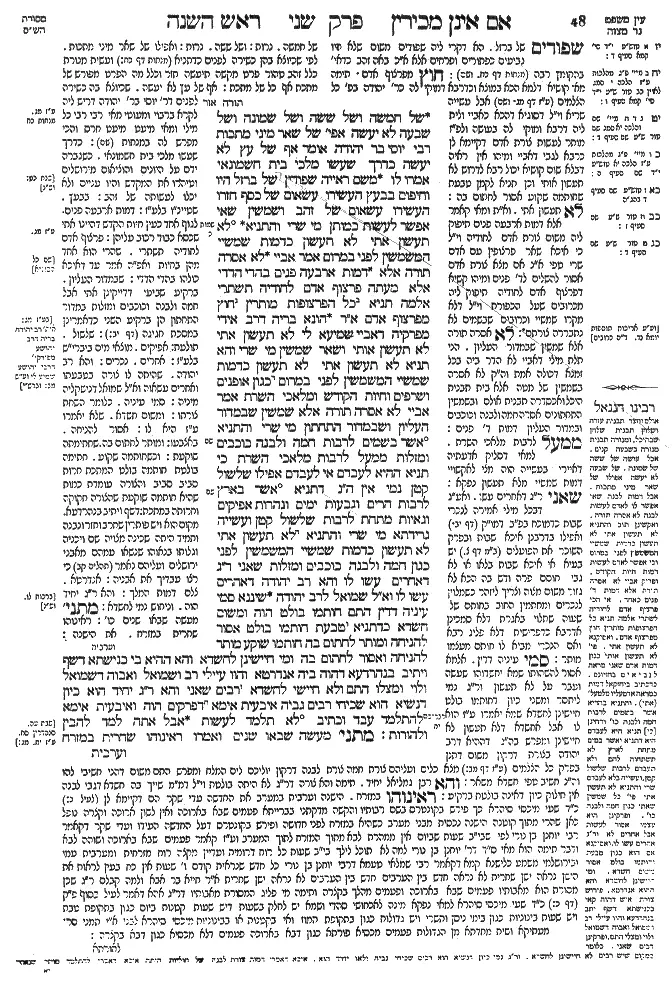
Rosh Hashanah 24b - Guemara
של חמשה ושל ששה ושל שמונה ושל שבעה לא יעשה אפי' של שאר מיני מתכות רבי יוסי בר יהודה אומר אף של עץ לא יעשה כדרך שעשו מלכי בית חשמונאי אמרו לו משם ראייה שפודין של ברזל היו וחיפום בבעץ העשירו עשאום של כסף חזרו העשירו עשאום של זהב ושמשין שאי אפשר לעשות כמותן מי שרי והתניא (שמות כ, יט) לא תעשון אתי לא תעשון כדמות שמשיי המשמשין לפני במרום אמר אביי לא אסרה תורה אלא דמות ארבעה פנים בהדי הדדי אלא מעתה פרצוף אדם לחודיה תשתרי אלמה תניא כל הפרצופות מותרין חוץ מפרצוף אדם א"ר הונא בריה דרב אידי מפרקיה דאביי שמיעא לי לא תעשון אתי לא תעשון אותי ושאר שמשין מי שרי והא תניא לא תעשון אתי לא תעשון כדמות שמשיי המשמשין לפני במרום כגון אופנים ושרפים וחיות הקודש ומלאכי השרת אמר אביי לא אסרה תורה אלא שמשין שבמדור העליון ושבמדור התחתון מי שרי והתניא (שמות כ, ג) אשר בשמים לרבות חמה ולבנה כוכבים ומזלות ממעל לרבות מלאכי השרת כי תניא ההיא לעבדם אי לעבדם אפילו שלשול קטן נמי אין ה"נ דתניא (שמות כ, ג) אשר בארץ לרבות הרים וגבעות ימים ונהרות אפיקים וגאיות מתחת לרבות שלשול קטן ועשייה גרידתא מי שרי והתניא לא תעשון אתי לא תעשון כדמות שמשיי המשמשין לפני כגון חמה ולבנה כוכבים ומזלות שאני ר"ג דאחרים עשו לו והא רב יהודה דאחרים עשו לו וא"ל שמואל לרב יהודה שיננא סמי עיניה דדין התם חותמו בולט הוה ומשום חשדא כדתניא טבעת חותמו בולט אסור להניחה ומותר לחתום בה חותמו שוקע מותר להניחה ואסור לחתום בה ומי חיישינן לחשדא והא ההיא בי כנישתא דשף ויתיב בנהרדעא דהוה ביה אנדרטא והוו עיילי רב ושמואל ואבוה דשמואל ולוי ומצלו התם ולא חיישי לחשדא רבים שאני והא ר"ג יחיד הוא כיון דנשיא הוא שכיחי רבים גביה איבעית אימא דפרקים הוה ואיבעית אימא להתלמד עבד וכתיב (דברים יח, ט) לא תלמד לעשות אבל אתה למד להבין ולהורות:
מתני׳ מעשה שבאו שנים ואמרו ראינוהו שחרית במזרח
Comments from Rashi on Masechet Rosh Hashanah Page 24b
של חמשה . נרות: ושל ששה . נרות: ואפילו של שאר מיני מתכות . לפי שכיוצא בהן כשירה לפנים כדתניא (מנחות דף כח:) ועשית מנורת כלל זהב טהור פרט מקשה תיעשה חזר וכלל מה הפרט מפורש של מתכת אף כל של מתכת: אף של עץ לא יעשה . שכיוצא בה כשירה לפנים דר' יוסי בר' יהודה דריש ליה לקרא ברבוי ומעוטי מאי רבי רבי כל מילי ומאי מיעט מיעט חרס והכי מפרש לה במנחות (שם): כדרך שעשו מלכי בית חשמונאי . כשגברה ידם על היונים והוציאום מירושלים וטיהרו את המקדש והיו עניים ולא יכלו לעשותה של זהב: בבעץ . שטיינ"ו בלע"ז: דמות ארבעה פנים . לגוף אחד כעין חיות הקדש דהיינו אתי שכסא כבוד רכוב עליהן: פרצוף אדם לחודיה תשתרי . שהרי הוא אחד מהן בחיות ואפ"ה אמר עד דאיכא כולהו בהדי הדדי: שבמדור העליון . ברקיע שביעי דדייקינן אתי אבל חמה ולבנה וכוכבים ומזלות במדור התחתון הן ברקיע השני כדאמרינן במסכת חגיגה (דף יב:): שלשול . תולעת: אפיקים . מוצאי מים ביברי"ש בלע"ז: אחרים . נכרים: והא רב יהודה . שהיתה לו צורה בטבעתו ואחרים עשאוה וא"ל שמואל דנישקליה מיניה: סמי עיניה . כלומר השחת צורתו: ומשום חשדא . שלא יאמרו ע"ז היא לו: אסור להניחה . באצבעו: ומותר לחתום בה . שחתימתה שוקעת: וכשחותמה שקוע . חתימה בולטת חותמה בולט המתכת חרות סביב סביב והצורה עומדת כמות שהיא חותמה שוקעת שהצורה חקוקה וחרותה במתכת: דשף ויתיב בנהרדעא . מקום הוא ויש פותרין שחרב וחזר ונבנה ותמיד היתה שכינה מצויה שם ויכניה וגלותו בנאוהו שנשאו עמהם מאבני ירושלים ועליהם נאמר (תהלים קב) כי רצו עבדיך את אבניה: אנדרטא . צלם דמות המלך: והא ר"ג יחיד הוה . וניחוש נמי לחשדא: מתני' מעשה שבאו שנים כו': ראינוהו שחרית במזרח . את הישנה:
Comments from Tosafot - Rosh Hashanah 24b
שפודים של ברזל. הא דקרי ליה שפודים משום שלא היו גביעים כפתורים ופרחים אלא א"כ באה זהב כדאי' בהקומץ רבה (מנחות דף כח. ושם): חוץ מפרצוף אדם. תימה מאי קושיא דלמא הכא במוצא וכדרבא דמוקי לה כר' יהודה בפ' כל הצלמים (ע"ז דף מג. ושם) אבל עשייה שריא וי"ל דסוגיא דהכא כאביי ולית ליה דרבא ומוקי לה בעושה ולפ"ז מותר לעשות צורת אדם דקיימא לן כרבא לגבי דאביי ומיהו אין ראיה דבלא שום קושיא יכול רבא לדרוש לא תעשון אותי וכן תניא לקמן טבעת שחותמה שקוע אסור לחתום בה: לא תעשון אתי. וא"ת ומאי קאמר אלא דמות ארבעה פנים תיפוק ליה משום צורת אדם לחודיה וי"ל כי איכא שאר פרצופין עם אדם שרי טפי א"נ אם מצא צורת אדם אסור להשלים לד' פנים ומיהו קשיא דפרצוף אדם לחודיה תיפוק ליה מכרובים שעל הכפורת וי"ל דלא מקרו שמשיי וכרובים שבשמים לא נתבררה צורתם: לא אסרה תורה אלא שמשין שבמדור העליון. הני תלת מילי דאביי לא הדר ביה בכל זמנא דכולה אמת וה"ק לא אסרה בשמשין של מטה אלא בית תבנית היכל ואכסדרה תבנית אולם ובשמשין התחתונים אסרה חמה ולבנה וכוכבים ובמדור העליון דמות ד' פנים: ממעל לרבות מלאכי השרת. למאי דסליק אדעתיה דאיירי בעשייה הוה מצי לאקשויי דמות שמשיי מלא תעשון נפקא: שאני ר"ג דאחרים עשו. ואע"ג דבכל מילי אמירה לנכרי שבות כדמוכח בפ"ב דמו"ק (דף יב.) ואפילו בדרבנן איכא שבות ובפרק השוכר את הפועלים (ב"מ דף צ.) יש בעיא אי איכא שבות בלאו או לא גבי חוסם פרה ודש בה הכא לא גזור משום מצוה וצריך ליזהר כשמלוין לנכרים ומחתמין החוב בחותם של שעוה שתלוי באגרת דלא סמכינן אדרבא כדפרישית דלא פליג רבא ואם הנכרי מביא לו חותם מעצמו מותר: סמי עיניה דדין. אלמא אסור להשהותו שמא יחשדוהו שעשה ועבר על לא תעשון ור"ג נמי ליתסר ומשני כיון דחותמו בולט חיישינן לחשדא שמא יאמרו ע"ז הוא לו אבל אחשדא דלא תעשון לא חיישינן ומפרש בה"ג דההיא דרב יהודה בצורת דרקון משום דתנן בפרק כל הצלמים (ע"ז דף מב:) מצא כלים ועליהם צורת חמה צורת לבנה דרקון יוליכם לים המלח ומפרש התם משום דהני חשיבי להו וה"נ חשיב טפי חשדא משאר: והא רבן גמליאל יחיד. תימה והא צורה דר"ג לא היתה בולטת וי"ל דמ"מ שייך בה חשדא דגבי לבנה אין חילוק כיון דאינה בולטת ברקיע: ראינוהו במזרח. הישנה וערבית במערב את החדשה עדי שקר הם דקיימא לן (לעיל ראש השנה כ:) כ"ד שעי מיכסי סיהרא כך פירש בקונטרס בשם רבותיו והקשה מדקתני בברייתא פעמים שבא בארוכה ואין לשון ארוכה וקצרה נופל כאן שהרי מתוך קוטנה הישנה נכסית מבני מערב כשהיא במזרח לפני חדושה ופירש בקונטרס דעל החדשה העידו ועדי שקר דקאמר רבי יוחנן בן נורי לפי שבי"ב שעות שביום אין ממהרת לבא מתוך המזרח לתוך המערב וע"ז קאמר פעמים שבא בארוכה ושוהה לבא ודבר תימה הוא מאי ס"ד דר' יוחנן בן נורי למה לא תוכל לילך בי"ב שעות כל רוח דרומית ועדיין מקצה רוח מזרחית ומערבית עמו ובירושלמי משמע כלישנא קמא דקאמר רבי שמלאי טעמא דרבי יוחנן בן נורי כל חדש שנראית קודם ו' שעות אין כח בעין לראות את הישן נראה ישן שחרית לא נראה חדש בין הערבים חדש בין הערבים לא נראה ישן שחרית א"ר חייא בר אבא ולמה קבלם ר"ג שכן מסורת הוא מאבותיו פעמים שבא בארוכה ופעמים מהלך בקצרה ותימה מי פליג המסורת מאבותיו דר"ג אהא דאמר לעיל בסוף פ"ק (ראש השנה דף כ:) כ"ד שעי מיכסי סיהרא למאי נפקא מינה לאכחושי סהדי ושמא יש לחלק בשעות דיש שעות קטנות ביום כגון בתקופת טבת ויש שעות בינוניות כגון בימי ניסן ותשרי ויש גדולות כגון בתקופת תמוז ואי בקטנות או בבינוניות מיכסי סיהרא לבני א"י תמני סרי מעתיקא ושית מחדתא מן הגדולות פעמים מכסיא פורתא כגון דבא בארוכה פעמים דלא מכסיא כגון דבא בקצרה:
Rosh Hashanah 24b - Mishnah translated into english
a candelabrum of five or of six or of eight lamps. But one may not fashion a candelabrum with seven lamps even if he constructs it from other kinds of metal rather than gold, as in exigent circumstances the candelabrum in the Temple may be fashioned from other metals. Rabbi Yosei bar Yehuda says: Also, one may not fashion a candelabrum of wood, in the manner that the kings of the Hasmonean monarchy fashioned it. When they first purified the Temple they had to prepare the candelabrum out of wood, as no other material was available. Since this candelabrum is fit for the Temple, it is prohibited to fashion one of this kind for oneself.
The other Sages said to Rabbi Yosei bar Yehuda: From there you seek to bring a proof? There the branches of the candelabrum were comprised of spits [shippudin] of iron and they covered them with tin. Later, when they grew richer and could afford a candelabrum of higher-quality material, they fashioned them from silver. When they grew even richer, they fashioned them from gold. Still, Abaye proves from this baraita that the prohibition against forming an image applies only to items that can be reconstructed in an accurate manner. Since this is not possible in the case of the moon, Rabban Gamliel’s forms were permitted.
The Gemara asks: And is it really permitted to form images of those attendants concerning which it is impossible to reproduce their likeness? Isn’t it taught in a baraita that the verse: “You shall not make with Me gods of silver” (Exodus 20:19), comes to teach: You shall not make images of My attendants that serve before Me on high. Apparently, this includes the sun and the moon. Abaye said: This does not include the sun and the moon, as the Torah prohibited only the fashioning of an image of all four faces of the creatures of the Heavenly Chariot together (see Ezekiel, chapter 1). However, all other images, which are not the likeness of the ministering angels, are permitted.
The Gemara raises a difficulty: However, if that is so, let the fashioning of an image of a human face [partzuf ] alone be permitted. Why, then, is it taught in a baraita: All faces are permitted for ornamental purposes, except for the face of a person? Rav Huna, son of Rav Idi, said: From a lecture of Abaye I heard that there is a different reason why one may not form an image of a human face, as the verse states: “You shall not make with Me [iti]” (Exodus 20:19). This can be read as: You shall not make Me [oti]. Since man is created in the image of God, it is prohibited to form an image of a human being.
The Gemara asks: And is it permitted to form images of other attendants? Isn’t it taught in another baraita that the verse: “You shall not make with Me gods of silver” (Exodus 20:19), teaches that you shall not make images of My attendants that serve before Me on high, for example, ofanim and seraphim and the sacred ḥayyot and the ministering angels. Abaye said: The Torah prohibited only those attendants that are found in the upper Heaven, i.e., the supreme angels in the highest firmament, but not the celestial bodies, e.g., the sun and the moon, despite the fact that they too are located in heaven.
The Gemara raises another difficulty: And is it permitted to form images of those bodies found in the lower heaven? Isn’t it taught in a baraita: “You shall not make for yourself any graven image, nor any manner of likeness, of anything that is in heaven above, or that is in the earth beneath, or that is in the water under the earth” (Exodus 20:3). The phrase “that is in heaven” comes to include the sun, the moon, the stars, and the constellations. The term “above” serves to include the ministering angels. Apparently, it is prohibited to form an image even of the celestial bodies found in the lower Heaven. The Gemara answers: When that baraita is taught, it is in reference to the prohibition against worshipping them. However, there is no prohibition against forming an image in their likeness.
The Gemara asks: If that baraita is referring to the prohibition against worshipping them, then even a tiny worm should also be prohibited. The Gemara answers: Yes, it is indeed so, as it is taught in the same baraita with regard to the continuation of the verse, “in the earth” comes to include mountains and hills, seas and rivers, streams and valleys; “beneath” comes to include a tiny worm. If so, it is indeed possible to explain that the entire baraita is referring to the prohibition against idol worship.
The Gemara raises yet another objection: And is the mere fashioning of images of the celestial bodies permitted? Isn’t it taught in another baraita: “You shall not make with Me gods of silver” (Exodus 20:19). This verse teaches that you shall not make images of My attendants that serve before Me, for example the sun, the moon, the stars and the constellations. This is explicit proof that it is prohibited to form images of the sun and the moon; consequently, the solution proposed by Abaye is rejected, leaving the difficulty with Rabban Gamliel’s diagram unresolved.
The Gemara proposes an alternative resolution: The case of Rabban Gamliel is different, as others, i.e., gentiles, fashioned those images for him, and it is prohibited only for a Jew to fashion such images; there is no prohibition against having them in one’s possession. The Gemara raises a difficulty: But there is the case of Rav Yehuda, as others fashioned for him a seal in the form of a human being, and Shmuel said to Rav Yehuda, who was his student: Sharp-witted one, blind this one’s eyes, i.e., disfigure the image, as it is prohibited even to have the image of a human being in one’s possession.
The Gemara answers: There, in the case of Rav Yehuda, his was a protruding seal, i.e., the image projected from the ring, and Shmuel prohibited it due to the potential suspicion that he had an object of idol worship in his hand. As it is taught in a baraita: With regard to a ring, if its seal protrudes it is prohibited to place it on one’s finger, due to the suspicion of idol worship, but it is permitted to seal objects with it. In this case, the act of sealing creates an image that is sunken below the surface, which is not prohibited. However, if its seal is sunken, it is permitted to place it on one’s finger, but it is prohibited to seal objects with it, as that creates a protruding image.
The Gemara asks: And are we concerned about arousing suspicion in a case of this kind? But what about that certain synagogue that had been destroyed in Eretz Yisrael and its stones were relocated and it was rebuilt so that it sat in Neharde’a, and there was a statue [andarta] of the king in it. And nevertheless Rav and Shmuel and Shmuel’s father and Levi would all enter and pray there and they were not concerned about arousing suspicion. The Gemara answers: When many Jews are present it is different, as a large group is not suspected of having idolatrous intentions. Rather, it is assumed that the statue is there exclusively for purposes of ornamentation.
The Gemara asks: But isn’t Rabban Gamliel an individual? According to this reasoning, his images of the moon should have been prohibited, as they would have aroused suspicion. The Gemara answers: Since he is the Nasi, the head of the Great Sanhedrin, many people were always found with him, and therefore there was no room for suspicion. The Gemara suggests an alternative answer: If you wish, say that these images were not whole; rather, they were formed from pieces of images that had to be put together. Only complete images are prohibited.
The Gemara suggests yet another answer: If you wish, say: Rabban Gamliel did this to teach himself, which is not prohibited, as it is written: “You shall not learn to do after the abominations of those nations” (Deuteronomy 18:9), which indicates: However, you may learn to understand and to teach. In other words, it is permitted to do certain things for the sake of Torah study which would otherwise be prohibited.
MISHNA: There was an incident in which two witnesses came to testify about the new moon, and they said: We saw the waning moon in the morning in the east,
Traduction : The William Davidson digital edition of the Koren Noé Talmud, with commentary by Rabbi Adin Even-Israel Steinsaltz.