 Talmud Bavli
Bekhorot 39b : Youtube
Rabbi Dr. Moshe WeisblumYoutube
1 video class :
Bekhorot Page 39b
Bekhorot 39b - Guemara
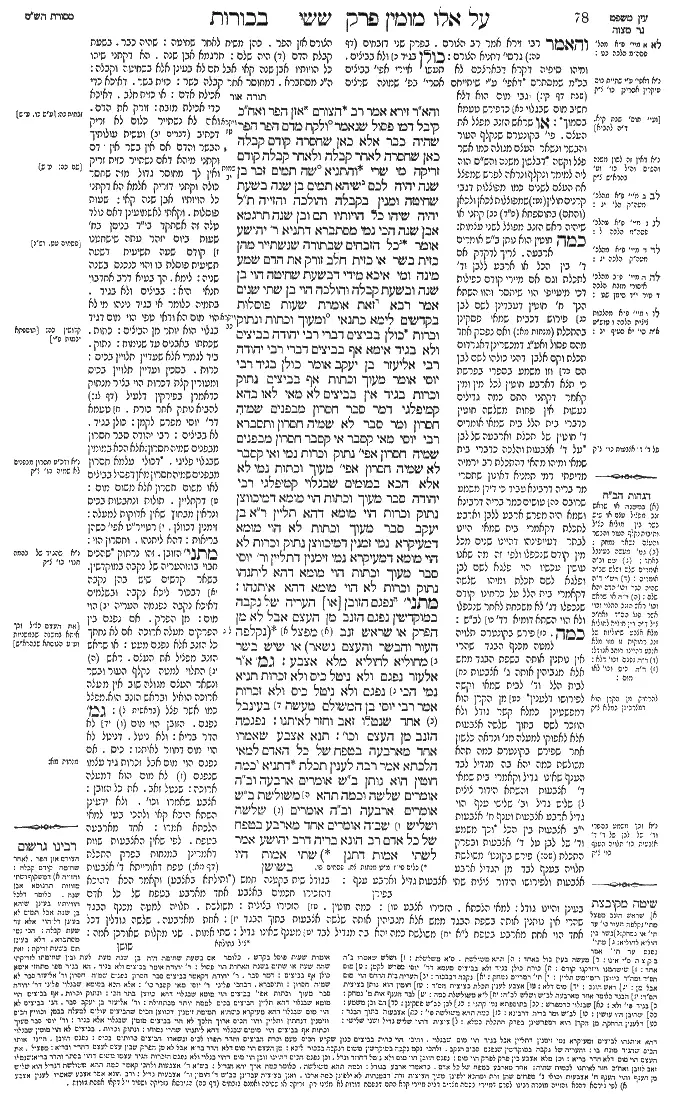
והא"ר זירא אמר רב הצורם אזן הפר ואח"כ קיבל דמו פסול שנאמר (ויקרא טז, יד) ולקח מדם הפר הפר שהיה כבר אלא כאן שחסרה קודם קבלה כאן שחסרה לאחר קבלה ולאחר קבלה קודם זריקה מי שרי והתניא (שמות יב, ה) שה תמים זכר בן שנה יהיה לכם שיהא תמים בן שנה בשעת שחיטה ומנין בקבלה והולכה והזייה ת"ל יהיה שיהו כל הויותיו תם ובן שנה תרגמא אבן שנה הכי נמי מסתברא דתניא ר' יהושע אומר כל הזבחים שבתורה שנשתייר מהן כזית בשר או כזית חלב זורק את הדם שמע מינה ומי איכא מידי דבשעת שחיטה הוי בן שנה ובשעת קבלה והולכה הוי בן שתי שנים אמר רבא זאת אומרת שעות פוסלות בקדשים לימא כתנאי (ויקרא כב, כד) ומעוך וכתות ונתוק וכרות כולן בביצים דברי רבי יהודה בביצים ולא בגיד אימא אף בביצים דברי רבי יהודה רבי אליעזר בן יעקב אומר כולן בגיד רבי יוסי אומר מעוך וכתות אף בביצים נתוק וכרות בגיד אין בביצים לא מאי לאו בהא קמיפלגי דמר סבר חסרון מבפנים שמיה חסרון ומר סבר לא שמיה חסרון ותסברא רבי יוסי מאי קסבר אי קסבר חסרון מבפנים שמיה חסרון אפי' נתוק וכרות נמי ואי קסבר לא שמיה חסרון אפי' מעוך וכתות נמי לא אלא הכא במומים שבגלוי קמיפלגי רבי יהודה סבר מעוך וכתות הוי מומא דמיכווצן נתוק וכרות הוי מומא דהא תליין ר"א בן יעקב סבר מעוך וכתות לא הוי מומא דמעיקרא נמי זמנין דמיכווצן נתוק וכרות לא הוי מומא דמעיקרא נמי זימנין דתליין ור' יוסי סבר מעוך וכתות הוי מומא דהא ליתנהו נתוק וכרות לא הוי מומא דהא איתנהו:
מתני׳ נפגם הזובן העריה של נקבה במוקדשין נפגם הזנב מן העצם אבל לא מן הפרק או שראש זנב מפצל נקלפה העור והבשר והעצם נשאר או שיש בשר מחוליא לחוליא מלא אצבע:
גמ׳ א"ר אלעזר נפגם ולא ניטל כיס ולא זכרות תניא נמי הכי נפגם ולא ניטל כיס ולא זכרות אמר רבי יוסי בן המשולם מעשה בעינבל אחד שנטלו זאב וחזר לאיתנו:
נפגמה הזנב מן העצם וכו':
תנא אצבע שאמרו אחד מארבעה בטפח של כל האדם למאי הלכתא אמר רבה לענין תכלת דתניא כמה חוטין הוא נותן ב"ש אומרים ארבעה וב"ה אומרים שלשה וכמה תהא משולשת ב"ש אומרים ארבעה וב"ה אומרים שלשה ושליש שב"ה אומרים אחד מארבע בטפח של כל אדם רב הונא בריה דרב יהושע אמר לשתי אמות דתנן שתי אמות היו
Comments from Rashi on Masechet Bekhorot Page 39b
הצורם אזן הפר . כהן משיח לאחר שחיטה: שהיה כבר . בשעת קבלת הדם היה שלם: תרגמא אבן שנה . הא דקתני שיהו כל הויותיו אבן שנה קאי אבל תם לא בעינן אלא בשחיטה וקבלה: ה"נ מסתברא . דמחוסר אחר קבלה כשר: כזית בשר . דאיכא כדי אכילת אדם: או כזית חלב . דאיכא כדי אכילת מזבח: זורק את הדם . ואם לא נשתייר כלום לא זריק דכתיב (דברים יב) ועשית עולותיך הבשר והדם אם אין בשר אין דם. וקתני מיהא דאם נשתייר כזית זריק ואין לך מחוסר גדול מזה שחסר כולה וקתני דזריק אלמא הא דקתני כל הויותיו אבן שנה קאי: שעות פוסלות . וקאתי לאשמועינן דאם נולד טלה זה אשתקד בי"ד בניסן בח' שעות ביום יזהר עתה שישחטנו קודם שעה תשיעית דשעה תשיעית פוסלת בו והוי כנכנס בשנה שניה: לימא . הך בעיא דרב אחדבוי תנאי היא: בביצים ולא בגיד . בתמיה. כלומר אי בגיד נינהו מי לא הוי מום הא ודאי טפי הוי מום דגיד בגלוי הוא יותר מן הביצים: כתות . שכתתו באבנים עד שנימוח: נתוק . ביד לגמרי אלא שעדיין תלויין בכיס: כרות . בסכין ועדיין תלויין בכיס ומעורין קצת דכרות הוי בציר מנתוק כדאמרן בפירקין דלעיל (בכורות דף לג:) להביא נותק אחר כורת. טעמא דר' יוסי מפרש לקמן: כולן בגיד . לא בביצים:
רבי יהודה סבר חסרון מבפנים שמיה חסרון: אלא הכא במומין שבגלוי פליגי . דכולי עלמא חסרון מבפנים שמיה חסרון מאן דפסיל בביצים לאו משום חסרון אלא משום מום: דקתליין . תולות ונחבטות בכיס ונראין מבחוץ שאין אדוקות למעלה: זימנין דכווצן . רטייר"ט אפי' כשהן בריאות: דהא ליתנהו . וחסרון הוי: מתני' הזובן . זהו נרתוק שהכיס חבוי בו: והעריה של נקבה במוקדשין . בשאר קדשים שיש בהן נקבה דבכור ליכא נקבה ובשלמים דאיכא נקבה נפגמה העריה הוי מום: מן הפרק . אם נפגם בין הפרקים מעלה ארוכה אם לא נחתך כל הזנב אלא נפגם מעט: או שראש הזנב מפציל את העצם . ראש התלוי למטה נקלף העור ובשר ונשאר העצם מגולה שוב אין מעלה ארוכה הואיל ובראש הזנב הוא. מפצל כמו אשר פצל (בראשית ל): גמ' נפגם . הזובן הוי מום לא הדר בריא:
ולא ניטל . דניטל לא הוי מום דחוזר לאיתנו: כיס . אם נפגם הוי מום אבל זכרות גיד עצמו שנפגם לא מום הוא דמעלה ארוכה: שנטל זאב . את כל הזובן: אצבע שאמרו וכו' . ולא ידעינן השתא היכא קאי ולהכי בעי למאי הלכתא אמרו: אחד מארבעה בטפח . לפי שאין האצבעות שוות דאמרינן במנחות בפרק התכלת (דף מא:) טפח דאורייתא ד' אצבעות בגודל שית בקטנה חמש (ותילתא באצבע) וקאמר הכא דהיכא דהזכירו חכמים באצבע אחד מארבע בטפח של כל אדם בעינן והיינו גודל: למאי הלכתא . הזכירו אצבע: כמה חוטין . הזכירו בציצית: משולשת . תלויה למטה מכנף הבגד שהרי אין נותנין אותה בשפת הבגד ממש אלא מגביהין אותה שלשה אצבעות בתוך הבגד: אחת מארבעה . שלשה גודלין דכל אחד הוי אחת מארבע בטפח. ל"א משולשת כמה יהא בה מגדיל לבד מענף שאינו גדיל: שתי אמות . שני מקלות שאורכן אמה:
Comments from Tosafot - Bekhorot 39b
והאמר רבי זירא אמר רב הצורם . בפרק שני דזבחים (דף כה:) גרסי' דתניא הצורם: כולן בגיד ולא בביצים . ומיהו סיפיה דקרא דבארצכם לא תעשו איירי אפי' בביצים בכ"מ שמסתרס דאפי' ע"י שיתייחס אסרי' בפ' שמונה שרצים (שבת דף קי:) וגבי מום הוא דלא חשיב מום שבגלוי כדפירש טעמא בסמוך: או שראש הזנב מפצל את העצם . פי' בקונטרס שנקלף העור והבשר ונשאר העצם מגולה כמו אשר פצל וקשה דבלשון משנה והש"ס הוה ליה למימר ונקלף ונראה לפרש שמפצל את העצם לשנים כמו מפוצלות דגבי קרנים חולין (נט:) שמפוצלות לכאן ולכאן (והתם) בתוספתא (פ"ד) קתני או שיהיה ראש הזנב מפוצל לשני עצמות: כמה חוטין הוא נותן ב"ש אומרים ארבעה . צריך לדקדק אם ד' בין הכל או ארבע ללבן וד' לתכלת וגם אם מיירי קודם כפילות דכי מיעייפי הוי שיתסר והוו השתא הנך ח' חוטין דעבדינן לשם לבן פירוש דכבית שמאי פסקינן בהתכלת (מנחות מא:) ואם נפסק אחד מהם פסול ואע"ג דמכשרינן דאגרדום תכלת וקם אלבן דהני כולהו לשם לבן הם וזו משמע בספרי בפרשת כי תצא דארבע חוטין לכל מין ומין קאמר דקתני התם כמה גדילים נעשות אין פחות משלשה חוטין כדברי בית הלל בית שמאי אומרים ד' חוטין של תכלת וארבעה של לבן על ד' אצבעות והלכה כדברי בית שמאי ומיהו מהאי דהתכלת רב ירמיה מדיפתי רמי תמניא דאינון שתסרי מר בריה דרבינא עביד כי דידן משמע שרובם עושים כמר בריה דרבינא ושמא היה מפרש ארבע ללבן וארבע לתכלת דקאמרי בית שמאי היינו לבתר דעייפינהו דהיינו שנים מכל מין קודם שנכפלו ולפי זה מה שאנו עושין עכשיו הוי פלגא לשם לבן ופלגא לשם תכלת ומיהו שלשה דקאמרי בית הלל על כרחינו קודם שנכפלו דג' לא משכחת לאחר שנכפלו ולא הוי השתא דומיא דד' לב"ש: כמה . פירש בקונטרס תלויה למטה מכנף הבגד שהרי אין נותנין אותה בשפת הבגד ממש אלא מגביהין אותה ג' אצבעות לבית הלל וד' לבית שמאי וקשה לפירושו דלענין מן הקרן הוא דמפשטינן כמלא קשר גודל ולא הוזכר לשם בתוך שלשה אצבעות אלא לאפוקי למעלה מג' ונראה כלשון אחר שפירש בקונטרס כמה תהא משולשת כמה יהא בה מגדיל לבד הענף שאינו גדיל וקאמרי בית שמאי ד' אצבעות והשתא הידור ציצית שליש גדיל וב' שלישי ענף הוי גדיל ארבע אצבעות וענף ח' אצבעות י"ב אצבעות בין הכל וכך משמע וד' של לבן על ד' אצבעות ובפרק התכלת (שם:) פירש בקונט' משולשת תלויה בענף לבד מן הגדיל ארבע אצבעות ולפירושו הידור ציצית שתי אצבעות גדיל וארבע ענף:
Bekhorot 39b - Mishnah translated into english
But doesn’t Rabbi Zeira say that Rav says: In the case of one who slits the ear of the bull with the knife after slaughter, creating a blemish, and thereafter collects its blood from the neck, the offering is disqualified, as it is stated: “And the anointed priest shall take from the blood of the bull” (Leviticus 4:5). By using the term “the bull,” the verse indicates that the bull must be at the time of collection of the blood as it already was before slaughter, without a blemish. Rather, here, in the first baraita, it is referring to a case where it lacked a kidney before the collection of the blood, whereas there, in the second baraita, it is dealing with a case where it lacked a kidney only after the collection of the blood.
The Gemara asks: And if the animal lacked a kidney after the collection of the blood but before the sprinkling of the blood, is it permitted to be sacrificed upon the altar? But isn’t it taught in a baraita that the verse states with regard to the Paschal offering: “Your lamb shall be without blemish, a male in its year” (Exodus 12:5), indicating that it shall be unblemished and in its first year at the time of slaughter?
The baraita continues: And from where is it derived that it must also be unblemished at the time of the collection of the blood, and at the time of conveying its blood to the altar, and at the time of the sprinkling of the blood? The verse states: “Shall be,” emphasizing that all actions that are performed upon it shall be performed only when it is unblemished and in its first year. This teaches that the offering must be unblemished even at the time of the sprinkling of its blood.
The Gemara answers: Interpret this baraita as teaching that only the requirement that the animal must be in its first year is necessary at the time of sprinkling. Nevertheless, it need not be unblemished at this stage. The Gemara adds: So, too, it is reasonable that this is the correct interpretation, as it is taught in a baraita that Rabbi Yehoshua says: With regard to all offerings in the Torah that were slaughtered and their blood was collected, from which there remains either an olive-bulk of flesh or an olive-bulk of fat, the priest sprinkles the blood of that offering. Learn from this baraita that even if most of the offering is lacking, it is not disqualified after the collection of the blood.
The Gemara asks with regard to the interpretation of the baraita: But is there anything where at the time of its slaughter the animal is in its first year but at the time of the collection of the blood and conveying it to the altar it is in its second year? Rava says: That is to say that hours disqualify in the case of sacrificial animals, i.e., one measures the age of the offering from the exact time of its birth. Therefore, if the animal reaches its second year between the time when it is slaughtered and the collection of its blood it is disqualified.
§ The Gemara returns to the previous discussion of whether the lack of an internal organ disqualifies an offering from being sacrificed. Let us say that this matter is the subject of a dispute between tanna’im, as it is taught in a baraita discussing the verse that provides a list of animals disqualified from the altar: “And that whose stones are bruised, or crushed, or torn, or cut you shall not sacrifice to the Lord” (Leviticus 22:24). All of these blemishes are found in the animal’s testicles; this is the statement of Rabbi Yehuda.
The Gemara asks: Does Rabbi Yehuda mean that these blemishes are only in the testicles and not in the penis? There too these should be considered blemishes, as the penis is more exposed and visible than the testicles. Rather, say that all of them also apply to the testicles; this is the statement of Rabbi Yehuda. Rabbi Eliezer ben Ya’akov says: All of them are considered blemishes only when found on the penis. Rabbi Yosei says: The blemishes of “bruised, or crushed” apply also to the testicles, while with regard to the blemishes of “torn or cut,” on the penis, yes, these are considered a blemish, but on the testicles they are not considered a blemish.
The Gemara explains the relevance of the dispute to the matter at hand: What, is it not that these tanna’im disagree about this: That one Sage, Rabbi Yehuda, holds that the lack of an internal limb is called a lack. Therefore, in cases where the testicles are damaged they are considered lacking, disqualifying the animal, despite the fact that the blemish is not exposed. And one Sage, Rabbi Eliezer ben Ya’akov, holds that the lack of an internal limb is not called a lack.
The Gemara rejects this suggestion: And can you understand the baraita in this manner? If so, what does Rabbi Yosei hold? If he holds that the lack of an internal limb is called a lack, then even “torn or cut” should be considered a lack, despite the fact that these blemishes are not visible. And if he holds that a lack of an internal limb is not called a lack, then even “bruised, or crushed,” should not be considered a lack, as they are not exposed.
Rather, here they disagree with regard to exposed blemishes. Rabbi Yehuda holds that “bruised or crushed” testicles are considered blemished, as the testicles noticeably shrink due to the crushing. Likewise, testicles that are “torn or cut” are considered blemished, as the testicles appear to be hanging, i.e., dangling, to such an extent that they do not appear to be attached in the usual manner. Rabbi Eliezer ben Ya’akov holds that testicles that are “bruised or crushed” are not considered noticeable blemishes, as initially, before they become damaged, there are times that the testicles also shrink. Furthermore, testicles that are “torn or cut” are not considered blemished either, as initially, prior to being torn or cut, there are times that the testicles also hang.
And Rabbi Yosei holds that “bruised or crushed” testicles are considered blemished, as they are no longer present in their normal state, but are entirely broken. But he maintains that “torn or cut” testicles are not considered blemished, as they are still present in the pouch, despite the fact that they no longer function.
MISHNA: The mishna details additional blemishes that enable the slaughter of firstborn animals: If the pouch [hazoven] in which the genitals of the firstborn are concealed, or if the genitalia of a female sacrificial animal, were damaged and lacking; if the tail was damaged from the tailbone, but not if it was damaged from the joint, i.e., one of the joints between the vertebrae, because it heals; or in a case where the end of the tail is split, i.e., the skin and the flesh were removed and the bone remained exposed; or in a case where there is a full fingerbreadth of flesh between one joint and another joint; these are all blemishes.
GEMARA: With regard to the case where the pouch in which the genitals of the firstborn are concealed was damaged, Rabbi Elazar says: This applies only if the pouch was damaged, but not in a case where it was removed. Furthermore, it is a blemish only if the pouch was damaged, but not if the male sex organ was damaged. The Gemara notes that this opinion is also taught in a baraita: It is a blemish only if the pouch was damaged, but not if it was removed, and only if the pouch was damaged, but not the male sex organ. Rabbi Yosei ben HaMeshullam says: An incident occurred involving one animal in Inbal, where a wolf removed its pouch and it later returned to its strength, i.e., it grew again.
§ The mishna stated: If the tail was damaged from the tailbone…or in a case where there is a full fingerbreadth of flesh between one joint and another joint. A tanna taught: The fingerbreadth of which the Sages spoke is one-fourth of a handbreadth of any average person. The Gemara asks: With regard to what halakha is this stated? Rabba says: It is stated with regard to tekhelet, i.e., ritual fringes. As it is taught in a baraita: How many strings does one place on a garment?Beit Shammai say: Four strings are inserted into the hole in the garment so that there are eight strings hanging down altogether, and Beit Hillel say: Three strings are inserted into the hole so that six are hanging down.
The baraita continues: And how much should be hanging beyond the knots and windings? Beit Shammai say: Four fingerbreadths, and Beit Hillel say: Three fingerbreadths. And the three fingerbreadths that Beit Hillel say should be hanging are each one-fourth of a handbreadth of any average person.
Rav Huna, son of Rav Yehoshua, says that this baraita discussing the fingerbreadth is referring to the two cubits mentioned in a different context, as we learned in a mishna (Kelim 17:9): There were two rods for measuring cubits
Traduction : The William Davidson digital edition of the Koren Noé Talmud, with commentary by Rabbi Adin Even-Israel Steinsaltz.