 Talmud Bavli
The learning on the whole site is dedicated : L'ilui Nishmat Reuven ben Rivka SEBBAG
The learning on the whole site is dedicated : L'ilui Nishmat Jacques Isaac Ben Amram Loubaton
The learning on the whole site is dedicated : For the success of Elyahou ben H'anna & family
Bekhorot 21b : Youtube
Rabbi Dr. Moshe WeisblumYoutube
1 video class :
Bekhorot Page 21b
Bekhorot 21b - Guemara
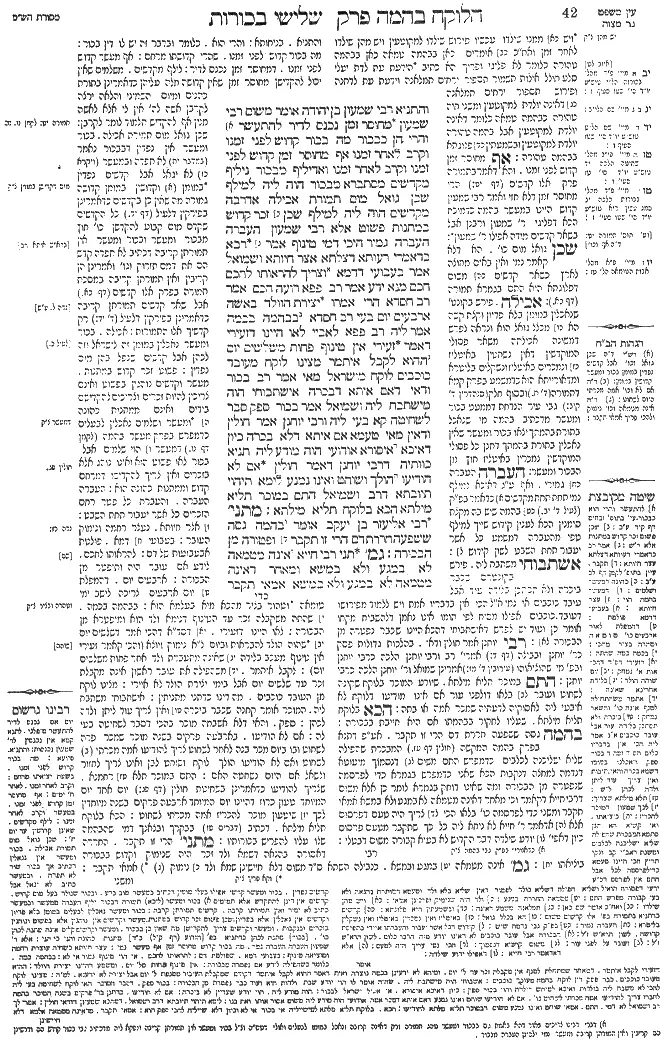
והתניא רבי שמעון בן יהודה אומר משום רבי שמעון מחוסר זמן נכנס לדיר להתעשר והרי הן כבכור מה בכור קדוש לפני זמנו וקרב לאחר זמנו אף מחוסר זמן קדוש לפני זמנו וקרב לאחר זמנו ואדיליף מבכור ניליף מקדשים מסתברא מבכור הוה ליה למילף שכן גואל מום תמורת אכילה אדרבה מקדשים הוה ליה למילף שכן זכר קדוש במתנות פשוט אלא רבי שמעון העברה העברה גמיר היכי דמי טינוף אמר רבא כדאמרי רעותא דצלתא אצר חיותא ושמואל אמר בעבועי דדמא וצריך להראותו לחכם חכם מנא ידע אמר רב פפא רועה חכם אמר רב חסדא הרי אמרו יצירת הוולד באשה ארבעים יום בעי רב חסדא בבהמה בכמה אמר ליה רב פפא לאביי לאו היינו דזעירי דאמר זעירי אין טינוף פחות משלשים יום ההוא לקבל איתמר מצינו לוקח מעובד כוכבים לוקח מישראל מאי אמר רב בכור ודאי דאם איתא דבכרה אישתבוחי הוה מישתבח ליה ושמואל אמר בכור ספק סבר לשחיטה קא בעי ליה ורבי יוחנן אמר חולין ודאין מאי טעמא אם איתא דלא בכרה כיון דאיכא איסורא אודועי הוה מודע ליה תניא כוותיה דרבי יוחנן דאמר חולין אם לא הודיעו הולך ושוחט ואינו נמנע לימא תיהוי תיובתא דרב ושמואל התם במוכר תליא מילתא הכא בלוקח תליא מילתא:
מתני׳ רבי אליעזר בן יעקב אומר בהמה גסה ששפעה חררת דם הרי זו תקבר ופטורה מן הבכורה:
גמ׳ תני רבי חייא אינה מטמאה לא במגע ולא במשא ומאחר דאינה מטמאה לא במגע ולא במשא אמאי תקבר
Comments from Rashi on Masechet Bekhorot Page 21b
והתניא . בניחותא: והרי הוא . כלומר ובדבר זה יש לו דין בכור: מה בכור קדוש לפני זמנו . שהרי קדושתו מרחם: אף מעשר קדוש לפני זמנו . דמחוסר זמן נכנס לדיר: לילף מקדשים . משלמים שאין יכול להקדישן מחוסר זמן שאין קדושה חלה עליהן כדאמרינן בתורת כהנים ומיום השמיני והלאה ירצה לקרבן אשה לה' אין לי אלא לאשה מנין אף להקדיש תלמוד לומר לקרבן: שכן גואל מום תמורת אכילה . בכור ומעשר אין נפדין דבבכור נאמר (במדבר יח) לא תפדה ובמעשר (ויקרא כז) לא יגאל אבל קדשים נפדין במומן. וקדושין במומן קדושה גמורה מה שאין כן בקדשים כדאמרינן בפירקין דלעיל (בכורות דף יד.) כל הקדשים שקדם מום קבוע להקדשן כו' חוץ מבכור ומעשר. ובכור ומעשר אין תמורתן קריבה דכתיב לא תפדה קדש הם את דמם תזרוק וגו' ואמרינן הן קריבין ואין תמורתן קריבה במסכת תמורה בפרק אלו קדשים (דף כא.) אבל שאר קדשים תמורתן קריבה כדאמרינן בפירקין דלעיל (בכורות ד' יד:) רק קדשיך אלו התמורות: אכילה . בכור ומעשר נאכלין במומן זה לישראל וזה לכהן אבל קדשים שנפל בהן מום נפדין: פשוט זכר קדוש במתנות . מעשר וקדשים נוהגין בפשוט ואינם צריכין להיות זכרים וצריכים להקדישם בידים ואינם ממתנות כהונה ומעשר ושלמים נאכלין לבעלים כדמפרש בפרק מעשר בהמה (לקמן בכורות דף נו.) דמעשר הוי שלמים אבל בכור לאו פשוט הוא ואינו נוהג אלא בזכרים ואין צריך להקדישו דמרחם קדוש וממתנות כהונה הוא: העברה העברה . והעברת כל פטר רחם הזכרים כל אשר יעבור תחת השבט: אצר חיותא . נעצר רחמה ונימוק העובר: בעבועי דמא . פולטת אבעבועות של דם: להראותו לחכם . לידע אם עובר היה ותיפטר מן הבכורה: ארבעים יום . דהמפלת יום ארבעים צריכה לישב ימי טומאה וטהור בציר מהכא מיא בעלמא הוא: בבהמה בכמה . שהתה משקבלה זכר עד הטינוף דנימא ולד הוא ומיפטרא מן הבכורה: לאו היינו דזעירי . דסד"א דהכי אמר דשלשים יום שהוה הולד להבראות וביום ל"א נימוק ויוצא (והכי קאמר זעירי אין טינוף מעכב בלידה שאינה מתעברת ולד אחר פחות משלשים יום): לקבל איתמר . משהפילה את עובר ראשון אינה מקבלת זכר עד שלשים יום אבל בימי יצירת הולד לא איירי: מצינו לוקח מן העובד כוכבים . מה דינו כדתני מתניתין: אישתבוחי משתבח ליה . המוכר אומר קחנה שכבר ביכרה ואין צריך עוד ליתן ולדה לכהן: ספק . והאי דלא אשבחה מוכר בהכי דסבר לשחיטה בעי לה: אם לא הודיעו . בארבעה פרקים בשנה מוכר שמכר פרה לשחוט ובו ביום מכר בנה לאחר לשחוט צריך להודיעו אמה מכרתי לשחוט ואם לא הודיעו הולך לוקח ושוחט לבן ואינו צריך לחזור ולשאל אם היום נשחטה האם: התם במוכר תלא רחמנא . שצריך להודיעו כדאמרינן בשחיטת חולין (דף פג:) יום אחד יום המיוחד טעון כרוז דהיינו יום המיוחד ארבעה פרקים בשנה מיוחדין לכך שיטעון מוכר להכריז אמה מכרתי לשחוט: הכא בלוקח תליא מילתא . דכתיב (דברים טו) בבקרך ובצאנך דמי שהבהמה שלו עליו להפריש בכורותיו: מתני' הרי זו תקבר . החררה דאסורה בהנאה דשמא ולד זכר היה שנימוק וקדוש בבכורה ביציאתו: גמ' אינה מטמאה במגע ובמשא . כנבילה. השתא ס"ד משום דלא חיישינן שמא ולד נימוק אמאי תקבר:
Comments from Tosafot - Bekhorot 21b
אף מחוסר זמן קדוש לפני זמנו . והא דאמר בתמורה פרק אלו קדשים (דף יט:) הרי מחוסר זמן דלא חזי ואמר רבי שמעון קדוש היינו במעשר בהמה כדמוכח הכא דפליגי ר' שמעון ורבנן אבל בשאר קדשים מודה אפילו ר' שמעון: שכן גואל מום כו' . הא דלא קאמר נמי ואין באים מחוצה לארץ כשאר קדשים משום דפלוגתא היא התם בגמרא תמורה (דף כא.): אכילה . פירש בקונט' שנאכלין במומן בלא פדיון וקצת קשה הא מכלל גואל הוא ונראה לפרש דמשונה אכילתה משאר פסולי המוקדשין דאין נשחטין באיטליז ונמכרים באיטליז ונשקלים בליטרא ומדאורייתא הוא כדמשמע בפרק קמא דתמורה (ד' ח.) ובסוף חלק (סנהדרין ד' קיב:) גבי עיר הנדחת דממעט בכור ומעשר מדכתיב בהמה מי שנאכל בתורת בהמתך יצאו בכור ומעשר שאין נאכלין בתורת בהמתך דתנן כל פסולי המוקדשין נמכרין באיטליז חוץ מן הבכור ומעשר: העברה העברה גמירי . ואף ע"ג דאיכא למילף נמי תחת תחת מקדשים כדאמר בפ"ק (לעיל בכורות ד' יב.) בהמה שיש בה מקצת סימנין הכא לענין קידוש שייך למילף טפי מהעברה דמשמע כל אשר יעבור תחת השבט לשון קידוש: אשתבוחי משתבח ליה . פירש בקונטרס שכבר ביכרה ולא תסתכן בלידה עוד אבל עובד כוכבים אי נמי א"ל הכי אין בדבריו אמת ויש ללמוד מפירושו דעובד כוכבים אפילו מסיח לפי תומו אינו נאמן דלהשביח מקחו אומר כן ועוד יש לפרש דאישתבוחי דהכא היינו שכבר נפטרה מן הבכורה: רבי יוחנן אמר חולין ודאי . בהלכות גדולות פסק כר' יוחנן ובביצה (דף ד:) אמרי' רב ורבי יוחנן הלכה כרבי יוחנן ובפ' מי שהוציאוהו (עירובין ד' מז:) אמרינן שמואל ור' יוחנן הלכה כרבי יוחנן: התם במוכר תליא מילתא . שיודע המוכר בלוקח שקונה לשחוט ועובר בלאו דולפני עור אם אינו מודיעו דלוקח לא איבעי ליה לאסוקיה לדעתיה שמכר אמה או בתה: הכא בלוקח תליא מילתא . שעליו לחקור בבהמתו אם היא חייבת בבכורה: בהמה גסה ששפעה חררת דם הרי זו תקבר . אע"פ דתנא בפרק בהמה המקשה (חולין דף עז.) המבכרת שהפילה שליא ישליכנה לכלבים כדמפרש התם משום דנסמוך מיעוטא דנדמה למחצה דנקבות הכא שאני כדמפרש בגמרא כדי לפרסמה שנפטרה מן הבכורה ומה שאינו דוחק בגמרא לומר כן אלא משום דרבי חייא דקאמר וכי מאחר דאינה מטמאה לא במגע ולא במשא אמאי תקבר ומשני כדי לפרסמה כו' בלאו הכי צריך היה טעם דפרסום אלא אדאמר ר' חייא לא ניחא ליה כל כך שתקבר מטעם פרסום כיון דאפי' יודע שילדה דבר הקדוש לא בעיא קבורה משום דבטלי:
Bekhorot 21b - Mishnah translated into english
The Gemara adds: And in fact it is taught in a baraita that Rabbi Shimon ben Yehuda says in the name of Rabbi Shimon: An animal whose time has not yet arrived enters the pen to be tithed. And these animals are like a firstborn: Just as a firstborn is consecrated before its time and is sacrificed after its time, so too, an animal whose time has not yet arrived is consecrated before its time and sacrificed after its time.
The Gemara raises a difficulty: But rather than deriving the halakha of tithed animals from the firstborn let one derive it from sacrificial animals, which cannot be consecrated before their time arrives. The Gemara answers that it is reasonable to claim it would be appropriate for one to derive the halakha of tithed animals from the firstborn, as they have the following four aspects in common: First, unlike sacrificial animals, one cannot redeem a firstborn or a tithed animal even if it develops a blemish. Second, a blemish does not prevent them from being imbued with sanctity. Third, an animal that was rendered a substitute for a firstborn or a tithed animal is not sacrificed. Finally, they are consumed without having been redeemed, whereas other sacrificial animals must be redeemed first.
The Gemara responds: On the contrary, it would be appropriate for one to derive the halakha of tithed animals from sacrificial animals, as they have the following in common: First, unlike firstborn animals, both tithed and consecrated animals are not limited to males. Second, both are sanctified by human action rather than intrinsically consecrated. Additionally, they are not included among the gifts to the priest. Finally, both begin life as regular animals rather than as animals with the unique status of being born first. The Gemara accepts this objection: Rather, Rabbi Shimon derives the halakha from a verbal analogy between the term: “You shall pass” (Exodus 13:12), written with regard to the firstborn, and the term: “Whatsoever passes under the rod” (Leviticus 27:32), stated with regard to tithed animals.
§ The mishna teaches that a murky discharge is evidence of an offspring and exempts any future offspring from being counted a firstborn. The Gemara asks: What is considered a murky discharge that exempts future offspring from firstborn status? Rava says: As the shepherds say: A murky [detzalta] discharge from the womb is an indicator of a fetus that the animal suppressed in its womb. And Shmuel says: It is bubbles of blood. The Gemara adds: And one must show the discharge to a Sage [ḥakham] in order to determine its status. The Gemara asks: A Sage? From where would he know how to determine its nature? Rav Pappa says: The reference is to a knowledgeable [ḥakham] shepherd, who is familiar with the different types of discharge an animal can produce.
Rav Ḥisda says: They said the formation of a fetus in a woman takes forty days. Rav Ḥisda therefore asks: In an animal, how many days does it take for the fetus to form? Rav Pappa said to Abaye: Isn’t this question resolved by that which Ze’eiri said, as Ze’eiri said: A murky discharge occurs no less than thirty days after conception? The Gemara explains: No; that was stated with regard to the thirty days after expulsion of a murky discharge, during which a female does not show receptivity to a male and does not become pregnant. The Gemara leaves Rav Ḥisda’s inquiry unresolved.
§ We found that the mishna discusses the halakha of one who purchases an animal from a gentile. The Gemara asks: What is the halakha with regard to one who purchases an animal from a Jew and it is unknown whether the animal had previously given birth? Rav says: Its offspring is a definite firstborn, as if it is so that it had previously given birth to a firstborn, the owner would have boasted to the buyer about the fact that he would not have to give its offspring to a priest.
And Shmuel says: The firstborn status of its offspring is uncertain, as even if it had previously given birth the seller thinks the buyer wants it for slaughter, and therefore he does not bother informing him of its status. And Rabbi Yoḥanan says: Its offspring is certainly a non-sacred animal. What is the reason? If it is so that it had not previously given birth, since there is a prohibition involved, it can be assumed that the seller would have notified the buyer of the animal’s status.
The Gemara notes: It is taught in a baraita in accordance with the opinion of Rabbi Yoḥanan, who says the offspring is non-sacred: With regard to the prohibition against slaughtering a mother and its offspring in the same day, if the seller did not inform the buyer that the mother or offspring of the animal he is purchasing was sold earlier that day, the buyer may go and slaughter the animal and he need not refrain from doing so. Shall we say this baraita is a conclusive refutation of the opinions of Rav and Shmuel? The Gemara rejects this suggestion: There, with regard to slaughtering a mother and its offspring, the matter is dependent upon the seller, as it is his responsibility to notify the buyer. Here, in the case of a firstborn, the matter is dependent upon the buyer, and it is his responsibility to inquire about the animal’s status.
MISHNA: Rabbi Eliezer ben Ya’akov says: In the case of a large animal that expelled a mass of congealed blood, that mass must be buried. The reason is that perhaps there was a male fetus there which was consecrated as a firstborn when it emerged, and the animal is exempt from having any future offspring counted a firstborn.
GEMARA: Rabbi Ḥiyya teaches: That mass of congealed blood does not impart ritual impurity, neither through physical contact nor through carrying it. The Gemara asks: But since does not impart impurity, neither through contact nor through carrying, which indicates that it is not considered a fetus, why must it be buried?
Traduction : The William Davidson digital edition of the Koren Noé Talmud, with commentary by Rabbi Adin Even-Israel Steinsaltz.