 Talmud Bavli
The learning on the whole site is dedicated : L'ilui Nishmat יוסף בן מושה
The learning on the whole site is dedicated : L'ilui Nishmat אליעזר בן רחל
The learning on the whole site is dedicated : L'ilui Nishmat Ledicia bat David Banoun
Sotah 44b : Youtube
Daf TubeYoutube
2 video classes :
Sotah Page 44b
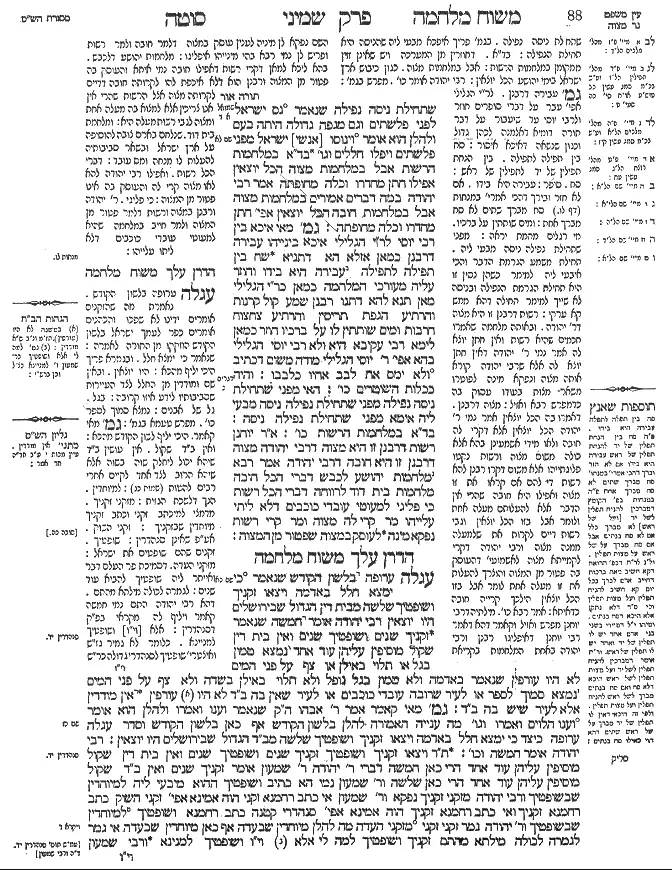
Sotah 44b - Guemara
שתחילת ניסה נפילה שנאמר (שמואל א ד, יז) נס ישראל לפני פלשתים וגם מגפה גדולה היתה בעם ולהלן הוא אומר (שמואל א לא, א) וינוסו [אנשי] ישראל מפני פלשתים ויפלו חללים וגו' בד"א במלחמות הרשות אבל במלחמות מצוה הכל יוצאין אפילו חתן מחדרו וכלה מחופתה אמר רבי יהודה במה דברים אמורים במלחמות מצוה אבל במלחמות חובה הכל יוצאין אפי' חתן מחדרו וכלה מחופתה גמ׳ מאי איכא בין רבי יוסי לר"י הגלילי איכא בינייהו עבירה דרבנן כמאן אזלא הא דתניא שח בין תפילה לתפילה עבירה היא בידו וחוזר עליה מעורכי המלחמה כמאן כר"י הגלילי מאן תנא להא דתנו רבנן שמע קול קרנות והרתיע הגפת תריסין והרתיע צחצוח חרבות ומים שותתין לו על ברכיו חוזר כמאן לימא רבי עקיבא היא ולא רבי יוסי הגלילי בהא אפי' ר' יוסי הגלילי מודה משום דכתיב (דברים כ, ח) ולא ימס את לבב אחיו כלבבו והיה ככלות השוטרים כו' האי מפני שתחילת ניסה נפילה מפני שתחילת נפילה ניסה מבעי ליה אימא מפני שתחילת נפילה ניסה בד"א במלחמות הרשות כו' א"ר יוחנן רשות דרבנן זו היא מצוה דרבי יהודה מצוה דרבנן זו היא חובה דרבי יהודה אמר רבא מלחמות יהושע לכבש דברי הכל חובה מלחמות בית דוד לרווחה דברי הכל רשות כי פליגי למעוטי עובדי כוכבים דלא ליתי עלייהו מר קרי לה מצוה ומר קרי רשות נפקא מינה לעוסק במצוה שפטור מן המצוה
הדרן עלך משוח מלחמה
מתני׳ עגלה ערופה בלשון הקודש שנאמר (דברים כא, א) כי ימצא חלל באדמה ויצאו זקניך ושופטיך שלשה מבית דין הגדול שבירושלים היו יוצאין רבי יהודה אומר חמשה שנאמר זקניך שנים ושופטיך שנים ואין בית דין שקול מוסיפין עליהן עוד אחד נמצא טמון בגל או תלוי באילן או צף על פני המים לא היו עורפין שנאמר באדמה ולא טמון בגל נופל ולא תלוי באילן בשדה ולא צף על פני המים נמצא סמוך לספר או לעיר שרובה עובדי כוכבים או לעיר שאין בה ב"ד לא היו עורפין אין מודדין אלא לעיר שיש בה ב"ד גמ׳ מאי קאמר אמר ר' אבהו ה"ק שנאמר וענו ואמרו ולהלן הוא אומר (דברים כז, יד) וענו הלוים ואמרו וגו' מה ענייה האמורה להלן בלשון הקודש אף כאן בלשון הקודש וסדר עגלה ערופה כיצד כי ימצא חלל באדמה ויצאו זקניך ושופטיך שלשה מב"ד הגדול שבירושלים היו יוצאין רבי יהודה אומר חמשה וכו' ת"ר ויצאו זקניך ושופטיך זקניך שנים ושופטיך שנים ואין בית דין שקול מוסיפין עליהן עוד אחד הרי כאן חמשה דברי ר' יהודה ר' שמעון אומר זקניך שנים ואין ב"ד שקול מוסיפין עליהן עוד אחד הרי כאן שלשה ור' שמעון נמי הא כתיב ושופטיך ההוא מיבעי ליה למיוחדין שבשופטיך ורבי יהודה מזקני זקניך נפקא ור' שמעון אי כתב רחמנא זקני הוה אמינא אפי' זקני השוק כתב רחמנא זקניך ואי כתב רחמנא זקניך הוה אמינא אפי' סנהדרי קטנה כתב רחמנא ושופטיך למיוחדין שבשופטיך ור' יהודה גמר זקני זקני (ויקרא ד, טו) מזקני העדה מה להלן מיוחדין שבעדה אף כאן מיוחדין שבעדה אי גמר לגמרה לכולה מילתא מהתם זקניך ושופטיך למה לי אלא וי"ו ושופטיך למנינא ורבי שמעון
Comments from Rashi on Masechet Sotah Page 44b
שתחילת ניסה נפילה . בגמ' פריך איפכא מבעי ליה שהניסה היא תחילת הנפילה: בד"א . דחוזרין מן המערכה ויש שאינן זזין ממקומן במלחמות הרשות: אבל במלחמות מצוה . כגון כיבוש ארץ ישראל בימי יהושע הכל יוצאין: רבי יהודה אומר כו' . מפרש בגמ': גמ' עבירה דרבנן . לר"י הגלילי אפי' עבר על דברי סופרים חוזר ולרבי יוסי עד שיעבור על דבר תורה דומיא דאלמנה לכהן גדול וכגון שנשאה דאיכא איסור: סח בין תפילה לתפילה . בין הנחת תפילין של יד לתפילין של ראש: סח . סיפר: עבירה היא בידו . אם לא חזר ובירך דהכי אמרי' במנחות (דף לו.) סח מברך שתים לא סח מברך אחת: ומים שותתין על ברכיו . מי רגלים מחמת יראה: מפני שתחילת נפילה ניסה מבעי ליה . תחילת משמע הגרמת הדבר והכי איבעי ליה למימר כשהן נסין זו היא תחילת הגרמת הנפילה ובניסה לא שייך למימר תחילה דהא ממש קא ערקי: רשות דרבנן זו היא מצוה דר' יהודה . ובאותה מלחמה שאמרו חכמים שהיא רשות ואין חתן יוצא לה אמר נמי ר' יהודה דאין חתן יוצא לה אלא שרבי יהודה קורא אותה מצוה ונפקא מינה לפוטרו משאר מצות בעודו עסוק בה כדמפרש רבא ואזיל: מצוה דרבנן . דאמרו בה הכל יוצאין אמר נמי ר' יהודה הכל יוצאין אלא דקרי לה חובה ולאו מידי אשמעינן בהא אלא כולה משום מצוה ורשות נקטו פלוגתייהו אלא משום דקרו רבנן להא רשות די להם אם קראו את זו מצוה ואפילו היא חובה שהרי אין הדבר אלא להעלותם מעלה אחת ולומר אבל בזו הכל יוצאין וגבי רשות דיים לקרות את שלמעלה ממנה מצוה ורבי יהודה דקרי לקמייתא מצוה לאשמועי' דהעוסק בה פטור מן המצוה והוצרך להעלות את זו מעלה אחת לומר אבל בזו הכל יוצאין הילכך קרייה חובה כדאיתא: אמר רבא כו' . מילתיה דרבי יוחנן מפרש ואזיל וקאמר דהא דאמר רבי יוחנן דאיפליגו רבנן ורבי יהודה באחת המלחמות בקריאת השם נפקא לן מיניה לענין עוסק במצוה דלמר חובה ולמר רשות ופריש לן נמי רבא בהי מינייהו איפליגו: מלחמות יהושע דלכבש . בהא ליכא למאן דקרי רשות דאפילו חובה נמי איתא והעוסק בה פטור מן המצוה ורבנן הוא דלא איכפת להו לקרותה חובה דדיים לקרותה מצוה אצל הרשות שהרי אין אנו צריכין אלא למצוא בה מעלה אחת ומצוה לגבי רשות מעלה היא: ומלחמת בית דוד . שנלחם בארם צובה להוסיפה על ארץ ישראל ובשאר סביבותיה להעלות לו מנחה ומס עובד: דברי הכל רשות . ואפילו רבי יהודה להא לאו מצוה קרי לה והעוסק בה אינו פטור מן המצוה: כי פליגי . ר' יהודה ורבנן במצוה ורשות דלמר פטור מן המצוה ולמר חייב במלחמה שהיא למעוטי עובדי כוכבים דלא ליתו עלייהו: מתני' עגלה ערופה בלשון הקודש . נאמרת מה שהזקנים אומרים ידינו לא שפכו והכהנים אומרים כפר לעמך ישראל בלשון הקודש הוזקקו מן התורה לאמרה: שנאמר כי ימצא חלל . ובגמרא פריך היכי יליף מהכא: היו יוצאין . ובאין שם ומודדין מן החלל לצד העיירות שסביבותיו לידע איזו קרובה: בגל . גל של אבנים: נמצא סמוך לספר כו' . מפרש טעמא בגמ': גמ' מאי קאמר . היכי יליף לשון הקודש מהכא: ואין ב"ד שקול . אין עושין ב"ד שיהא יכול ליחלק שוה בשוה אלא שיהא הרוב לצד אחד לקיים אחרי רבים להטות (שמות כג): למיוחדין . הנך דלשכת הגזית: מזקני זקניך . מדמצי למיכתב זקני וכתב זקניך מיוחדין שבזקניך: זקני השוק . אע"פ שאינן סנהדרין: שופטיך . זקנים שהם שופטים את ישראל: מזקני העדה . דסמיכת פר העלם דבר ואייתר ליה שופטיך להביא עוד שנים: לגמרה לכולה מילתא מהתם . דהא רבי יהודה התם נמי חמשה קאמר ויליף לה מקראי בפ"ק דסנהדרין: אלא [וי"ו] ושופטיך למניינא . כלומר לא גמיר גז"ש ואיצטרי' שופטיך לסנהדרי גדולה כר"ש וי"ו דושופטיך דריש ר' יהודה למניינא להביא עוד שנים:
Comments from Tosafot - Sotah 44b
אין תוספות לפרק זה.
Sotah 44b - Mishnah translated into english
because the beginning of fleeing is a downfall on the battlefield, as it is stated: “Israel has fled before the Philistines, and there has been also a great slaughter among the people” (I Samuel 4:17), and likewise it says further on: “And the men of Israel fled from before the Philistines, and fell down slain in Mount Gilboa” (I Samuel 31:1).
The mishna adds: In what case are all of these statements, with regard to the various exemptions from war, said? They are said with regard to elective wars. But in wars whose mandate is a mitzva, everyone goes, even a groom from his room and a bride from her wedding canopy. Rabbi Yehuda said: In what case are all of these statements, with regard to the various exemptions from war, said? They are said with regard to wars whose mandate is a mitzva. But in obligatory wars, everyone goes, even a groom from his room and a bride from her wedding canopy.
GEMARA: The Gemara asks: With regard to their understanding that the “fearful and fainthearted” is referring to one harboring sins, what difference is there between the opinion of Rabbi Yosei and the opinion of Rabbi Yosei HaGelili? The Gemara answers: There is a practical difference between them with regard to a sin which violates a prohibition by rabbinic law. According to Rabbi Yosei HaGelili, one who has violated a rabbinic law returns home, whereas Rabbi Yosei maintains that one returns home only if he has violated a Torah law, as in the case of a priest who has married a divorcée.
The Gemara asks: In accordance with whose opinion is that which is taught in a baraita: If one spoke between donning the phylactery of the arm and the phylactery of the head, he has a sin on his hands, and due to that sin he returns from the ranks of soldiers waging war. In accordance with whose opinion does this man return? It is in accordance with the opinion of Rabbi Yosei HaGelili, who maintains that one returns even due to a minor transgression.
The Gemara asks: Who is the tanna who taught this halakha that the Sages taught in a baraita: If one heard the sound of trumpets and trembled; or he heard the knocking of shields and he trembled; or he heard the sharpening of swords, and urine was trickling down his knees in fear, he returns from the battlefront. In accordance with whose opinion is this? Shall we say that it is the opinion of Rabbi Akiva, who interprets “fearful and fainthearted” literally, and it is not the opinion of Rabbi Yosei HaGelili? The Gemara answers: In this case even Rabbi Yosei HaGelili would concede that he should return, because it is written: “What man is there that is fearful and fainthearted? Let him go and return…lest his brethren’s heart melt as his heart” (Deuteronomy 20:8). Someone so clearly frightened invariably spreads his fear to those around him.
§ The mishna teaches: “And it shall be, when the officers conclude speaking to the people, that captains of legions shall be appointed at the head of the people” (Deuteronomy 20:9), and that the guards have the license to beat the legs of anyone who attempts to turn back and flee from the war, because the beginning of fleeing is a downfall. The Gemara is puzzled by the language of the mishna: This phrase: Because the beginning of fleeing is a downfall, appears to be backward. The mishna should have said the opposite: Because the beginning of the downfall is the act of fleeing. The Gemara concedes: Indeed, say that the mishna means: Because the beginning of the downfall is the act of fleeing.
The mishna teaches: In what case are these statements said? They are said with regard to elective wars, as opposed to obligatory wars or wars whose mandate is a mitzva. Rabbi Yoḥanan says concerning the various categories of war: The elective war referenced by the Rabbis is the same as a war whose mandate is a mitzva referenced by Rabbi Yehuda, and the war that is a mitzva mentioned by the Rabbis is the same as the obligatory war mentioned by Rabbi Yehuda. Therefore, Rabbi Yehuda is merely stating that the wars which the Rabbis call elective are to be seen as mandated by a mitzva.
Rava said: With respect to the wars that Joshua waged to conquer Eretz Yisrael, all agree that they were obligatory. With respect to the wars waged by the House of King David for the sake of territorial expansion, all agree that they were elective wars. When they disagree, it is with regard to preventative wars that are waged to reduce the gentiles so that they will not come and wage war against them. One Sage, Rabbi Yehuda, called this type of war a mitzva, and one Sage, the Rabbis, called it an elective war. There is a practical difference between these opinions with respect to the principle: One who is engaged in a mitzva is exempt from performing another mitzva. According to Rabbi Yehuda, one fighting in this kind of war is exempt from performing another mitzva.
MISHNA: In certain cases of unsolved murder, the Torah prescribes a ritual performed with a heifer whose neck is broken. During the course of this ritual, the judges say a confession in the sacred tongue, Hebrew, as it is stated in the verse: “If one be found slain in the land which the Lord your God has given you to possess it, lying in the field, and it is not known who has smitten him; then your Elders and your judges shall come forth” (Deuteronomy 21:1–2). What is the procedure for this ritual? Three members of the High Court [Sanhedrin] that is in Jerusalem would go out to see the corpse. Rabbi Yehuda says: Five would go out, as it is stated: “Your Elders,” in the plural form, indicating at least two; and it is written: “And your judges,” in the plural form, indicating another two judges; and a court may not be comprised of an even number of judges because they need to be able to issue a majority ruling. Consequently, they add to them one more Elder.
If the corpse was found concealed in a pile of stones, or hanging on a tree, or floating on the surface of the water, then the judges would not break the neck of the heifer, as it is stated: “If one be found slain in the land” (Deuteronomy 21:1), and not concealed in a pile of stones; “lying” on the ground and not hanging on a tree; “in the field,” and not floating on the surface of the water.
If a corpse was found close to the border of the country, or close to a city in which the majority of its inhabitants are gentiles, or close to a city that is without a rabbinical court of twenty-three judges, then the judges would not break the heifer’s neck. Additionally, the Elders measure the distance from the corpse only to a city that has a rabbinical court with twenty-three judges.
GEMARA: The Gemara asks: What is the first sentence in the mishna saying? The mishna is attempting to prove that the verses read during the ritual of breaking a heifer’s neck are to be recited in Hebrew, yet the verse does not offer any proof of this. Rabbi Abbahu said that this is what the mishna is saying: The confession is recited in Hebrew, as it is stated with regard to the ritual of the heifer whose neck is broken: “And they shall speak and say” (Deuteronomy 21:7), and later it is stated with regard to the curses stated on Mount Ebal: “And the Levities shall speak and say” (Deuteronomy 27:14). Just as the word “speak” that is said later with regard to the Levites is referring to a speech that is recited in the sacred tongue, so too here the declaration is recited in the sacred tongue.
The mishna continues to answer the question of: And how is the ritual of the heifer whose neck is broken ordered? The mishna states: It is written in the Torah: “If one be found slain in the land which the Lord your God has given you to possess it, lying in the field, and it is not known who has smitten him; then your Elders and your judges shall come forth, and they shall measure unto the cities which are round about him that is slain” (Deuteronomy 21:1–2). Three members of the High Court that is in Jerusalem would go forth. Rabbi Yehuda says: Five.
The Sages taught: “And your Elders and judges shall come forth.” “Your Elders” indicates two; “and your judges” also indicates two; and a court may not be composed of an even number of judges, so they add to them one more judge. Therefore, there are five judges. This is the statement of Rabbi Yehuda. Rabbi Shimon says: “Your Elders” indicates two, and as a court may not consist of an even number of judges they add to them one more. Therefore, there are three.
The Gemara asks: But according to Rabbi Shimon as well, isn’t it written: “And your judges”; why does he not agree that this indicates a need for two more judges? The Gemara answers: He requires that additional word “Elders” in order to teach that they must be the distinguished among your judges, i.e., judges from the Sanhedrin. And how does Rabbi Yehuda, who derives from the phrase “and your judges” that there is a need for two additional judges, know that they need to be from the Sanhedrin? He derives it from an extra letter. The verse could have simply stated: The Elders. Instead, it adds a letter and states: “Your Elders,” to teach that they must be the distinguished among the Elders of Israel.
And Rabbi Shimon could say: If the Merciful One had written in the Torah: The Elders, I would say that it includes even the Elders of the marketplace, meaning any honorable people. Therefore, the Merciful One writes in the Torah: “Your Elders,” to indicate specifically Torah Sages, who are revered by all. And if the Merciful One had written in the Torah only: “Your Elders,” I would say that it includes even Elders from a lesser Sanhedrin. Therefore, the Merciful One also writes: “And your judges,” to teach that they must be the distinguished among your judges, from the Great Sanhedrin.
And what is the source of Rabbi Yehuda that the judges may not come from a lesser Sanhedrin? He derives this halakha from a verbal analogy between “Elders,” written here, and “Elders,” written with regard to the offering that the Sanhedrin brings when the nation has sinned as a result of a mistaken ruling. This offering is brought by “the Elders of the congregation” (Leviticus 4:15). Just as there, “the Elders of the congregation” are the distinguished among the congregation, from the Great Sanhedrin, so too, here the verse is referring to the distinguished among the congregation.
The Gemara asks: If he derives this halakha from this verbal analogy, then he should derive the entire matter from there, including the requirement for five judges. If so, why do I need the phrase “your Elders and your judges”? Rather, it must be that Rabbi Yehuda does not derive the halakha from this verbal analogy. Instead, he understands that the phrase “your Elders” indicates two, and that “your judges” indicates that they must be the distinguished among your judges, and the letter vav in the phrase “and your judges [veshofetekha]” is to add two more to the count of the judges. And Rabbi Shimon does not accept this derivation
Traduction : The William Davidson digital edition of the Koren Noé Talmud, with commentary by Rabbi Adin Even-Israel Steinsaltz.