 Talmud Bavli
The learning on the whole site is dedicated : L'ilui Nishmat Reuven ben Rivka SEBBAG
The learning on the whole site is dedicated : L'ilui Nishmat Ledicia bat David Banoun
The learning on the whole site is dedicated : L'ilui Nishmat Jacques Isaac Ben Amram Loubaton
Sotah 15b : Youtube
Daf TubeYoutube
2 video classes :
Sotah Page 15b
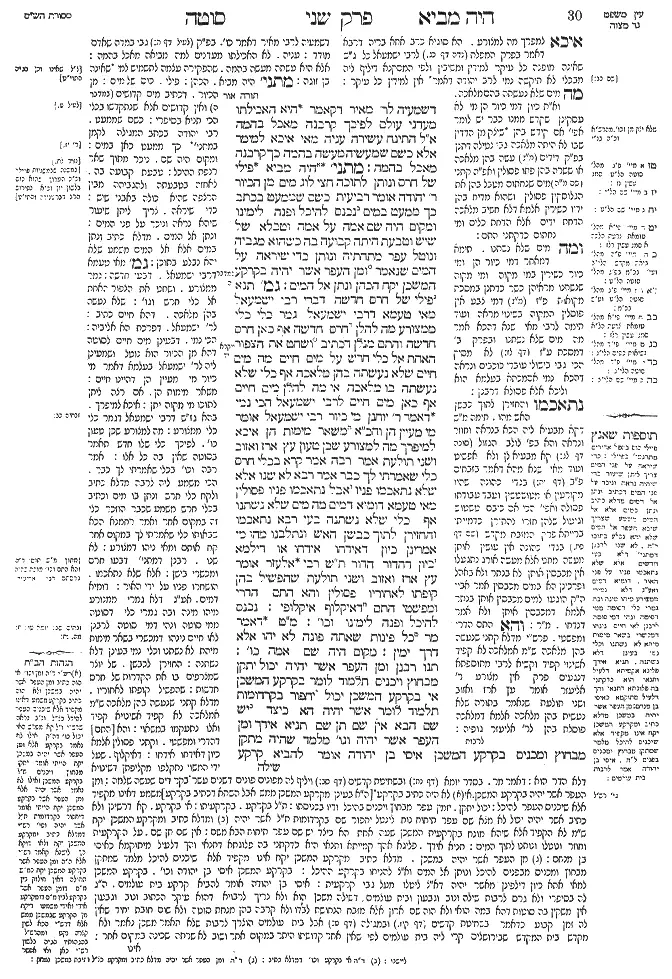
Sotah 15b - Guemara
דשמעיה לר' מאיר דקאמר היא האכילתו מעדני עולם לפיכך קרבנה מאכל בהמה א"ל התינח עשירה עניה מאי איכא למימר אלא כשם שמעשיה מעשה בהמה כך קרבנה מאכל בהמה מתני׳ היה מביא פילי של חרס ונותן לתוכה חצי לוג מים מן הכיור ר' יהודה אומר רביעית כשם שממעט בכתב כך ממעט במים נכנס להיכל ופנה לימינו ומקום היה שם אמה על אמה וטבלא של שיש וטבעת היתה קבועה בה כשהוא מגביה ונוטל עפר מתחתיה ונותן כדי שיראה על המים שנאמר (במדבר ה, יז) ומן העפר אשר יהיה בקרקע המשכן יקח הכהן ונתן אל המים גמ׳ תנא פילי של חרס חדשה דברי רבי ישמעאל מאי טעמא דרבי ישמעאל גמר כלי כלי ממצורע מה להלן חרס חדשה אף כאן חרס חדשה והתם מנלן דכתיב (ויקרא יד, ה) ושחט את הצפור האחת אל כלי חרש על מים חיים מה מים חיים שלא נעשתה בהן מלאכה אף כלי שלא נעשתה בו מלאכה אי מה להלן מים חיים אף כאן מים חיים לרבי ישמעאל הכי נמי דאמר ר' יוחנן מי כיור רבי ישמעאל אומר מי מעיין הן וחכ"א משאר מימות הן איכא למיפרך מה למצורע שכן טעון עץ ארז ואזוב ושני תולעת אמר רבה אמר קרא בכלי חרס כלי שאמרתי לך כבר אמר רבא לא שנו אלא שלא נתאכמו פניו אבל נתאכמו פניו פסולין מאי טעמא דומיא דמים מה מים שלא נשתנו אף כלי שלא נשתנה בעי רבא נתאכמו והחזירן לתוך כבשן האש ונתלבנו מהו מי אמרינן כיון דאידחו אידחו או דילמא כיון דהדור הדור ת"ש רבי אלעזר אומר עץ ארז ואזוב ושני תולעת שהפשיל בהן קופתו לאחוריו פסולין והא התם הדרי ומפשטי התם דאיקלוף איקלופי נכנס להיכל ופנה לימינו וכו' מ"ט דאמר מר כל פינות שאתה פונה לא יהו אלא דרך ימין מקום היה שם אמה כו' תנו רבנן ומן העפר אשר יהיה יכול יתקן מבחוץ ויכניס תלמוד לומר בקרקע המשכן אי בקרקע המשכן יכול יחפור בקרדומות תלמוד לומר אשר יהיה הא כיצד יש שם הבא אין שם תן שם תניא אידך ומן העפר אשר יהיה וגו' מלמד שהיה מתקן מבחוץ ומכניס בקרקע המשכן איסי בן יהודה אומר להביא קרקע
Comments from Rashi on Masechet Sotah Page 15b
דשמעיה לרבי מאיר דאמר כו' . בפ"ק (לעיל סוטה דף ח:) גבי במדה שאדם מודד: עניה . לא האכילתו מעדנים למה מביאה מאכל בהמה: אלא היא עשתה מעשה בהמה . שהפקירה עצמה לתשמיש למי שאינה בן זוגה: מתני' היה מביא . הכהן: פילי . כוס של מים: מן הכיור . דכתיב מים קדושים (במדבר ה) ואין קדושים אלא שנתקדשו בכלי הכי תניא בסיפרי: כשם שממעט . רבי יהודה בכתב המגילה לקמן במתני' כך ממעט כאן במים: ומקום היה שם . ניכר מתוך שאר רצפת ההיכל: טבעת קבועה בה . לאחזה בטבעתה ולהגביהה מבין הרצפה שהיא כולה באבני שיש: כדי שיראה . צריך ליתן שיעור שיהא נראה וניכר על פני המים: ונתן אל המים . מדלא כתיב ונתן במים אלא אל המים משמע שלא יהא נבלע בתוכן: גמ' מאי טעמא דרבי ישמעאל . דבעי חדשה: גמר ממצורע . ושחט את הצפור האחת אל כלי חרש וגו': שלא נעשה בהן מלאכה . דהא חיים כתיב: לר' ישמעאל . דפרכת הא אליביה: הכי נמי . דבעינן מים חיים לסוטה דהא מן הכיור הוא נוטל ושמעינן ליה לר' ישמעאל בעלמא דאמר מי כיור מי מעיין הן דהיינו חיים: משאר מימות הן . אם רצה ליתן לתוכו מי מקוה יתן: איכא למיפרך . בהא גז"ש דרבי ישמעאל דגמר כלי כלי ממצורע: מה למצורע שכן טעון כו' . לפיכך כלי שלו חדש תאמר בסוטה שאין בה כל אלו: אמר רבה וכו' בכלי שאמרתי לך כבר . הכי משמע ליה לרבה מדלא כתיב ולקח כלי חרש ונתן בו מים וכתיב בכלי חרש משמע שכבר הוזכר כלי זה במקום אחר ואמר רחמנא הכא שבאותו כלי שאמרתי לך במקום אחר קח אותם ומאי ניהו דמצורע: לא שנו . רבנן דמתני' דבעו חרס ומכשרי בישן: אלא שלא נתאכמו . הושחרו פניו על ידי האור: דומיא דמים . אע"ג דלא גמרי ממצורע מיהו מינה ובה גמרי כלי דסוטה ממי סוטה ונהי דמי סוטה לרבנן לאו חיים נינהו דמכשרי בשאר מימות מיהת לא נשתנו וכלי נמי בעינן דלא נשתנה: החזירן לכבשן . של יוצר שמצרפים בו את הקדרות של חרס חדשות: שהפשיל קופתו לאחוריו . מדלא קתני שנעשה בהן מלאכה ש"מ אמלאכה לא קפיד אשינויא קפיד ואלו נתעקמו במשאוי: והא [התם] דהדרי ומפשטי . וקתני פסולין אלמא כיון דאידחו אידחו: דאיקלוף . שעל ידי המשוי נתקלפו מקליפתן דשינויא דלא הדר הוא: דאמר מר . בסדר יומא (דף נח:) ובשחיטת קדשים (דף סב:) ויליף לה מפונים פונים דשנים עשר בקר דים שעשה שלמה: מן העפר אשר יהיה במשכן . מדלא כתיב מקרקע המשכן יקח אינו מקפיד אלא שיכניס להיכל מלמד שמתקן מבחוץ ומכניס מבפנים להיכל ונותן אל המים וא"צ להניחו בקרקע ההיכל: תניא אידך . פליגא אהך קמייתא ותנאי היא כדקתני בה פלוגתא דתנאי והך דלעיל מיתוקמא כאיסי בן מנחם: מן העפר אשר יהיה במשכן . מדלא כתיב מקרקע המשכן יקח אינו מקפיד אלא שיכניס להיכל מלמד שמתקן מבחוץ ומכניס מבפנים להיכל ונותן אל המים וא"צ להניחו בקרקע ההיכל: בקרקע המשכן איסי בן יהודה וכו' . בקרקע המשכן למאי אתא כיון דילפינן מאשר יהיה דא"צ ליטלו מעל גבי קרקעית: איסי בן יהודה אומר להביא קרקע בית עולמים . ה"ג לה בסיפרי ולא גרס לרבות שילה ונוב וגבעון ובית עולמים דשילה משכן הוא ולא צריך לרבויא דהוא עיקר הכתוב ונוב וגבעון אין משקין בה סוטות דהא במה הואי ולא הוה שם ארון אלא מזבח הנחושת לבדו ולא קרבה בהן מנחת סוטה ולא שום חובת יחיד שאין לה זמן קבוע כדאמר בשחיטת קדשים (דף קיז.) ובמגילה (דף ט:) אבל בית עולמים הוצרך לרבות שלא תאמר משכן נאמר ולא מקדש בית המקדש שבירושלים קרי ליה בית עולמים לפי שאין אחר קדושתו היתר במקום אחר ושוב לא שרתה שכינה במקום אחר:
Comments from Tosafot - Sotah 15b
מה מים שלא נעשתה בהם מלאכה . וא"ת כיון דמי כיור הן מי לא עסקינן שקדש ממנו כבר יש לומר אפי' אם קידש בהן שיצק מן הדדין שבו לא היתה מלאכה גבי נטילה דתנן בפ"ק דידים (מ"ג) עשה בהן מלאכה או ששרה בהן פתו פסולין ואפ"ה קתני (שם מ"ה) מים שנחתום מטבל בהן את הגלוסקין פסולין ושהוא מדיח בהן ידיו כשירין אלמא דלא חשיב מלאכה הדחת ידים אלא הדחת כלים ומי נחתום כדקתני התם: איכא למפרך מה למצורע . הא סוגיא כרב אחא בריה דרבא דאמר בפרק המפלת (נדה דף כג.) לרבי ישמעאל כל ג"ש שאינה מופנה כל עיקר למידין ומשיבין ולפי המסקנא דיליף ליה מבכלי לא תיקשה נמי לרב יהודה דאמר אין למידין כל עיקר: ומה מים שלא נשתנו . תימא דמאחר דמי כיור הן ומי כיור כשירין במי מקוה ומי מקוה שנשתנו מראיהן כשר כדתנן במסכת מקואות פ"ז (מ"ג) דמי צבע אין פוסלין המקוה בשינוי מראה ועוד תימה לרבי מאי שנא דהכא אמר מה מים שלא נשתנו ובפרק ב' דמסכת ע"ז (דף לז:) לא מסיק הכי גבי בישולי עובדי כוכבים ונראה דהכא נמי אסמכתא בעלמא הוא וליכא אלא פסולא דרבנן: נתאכמו והחזירן לתוך כבשן האש מהו . תימה מ"ש דקא מבעיא ליה הכא בנראה וחוזר ונראה והא בפ' לולב הגזול (סוכה דף לג:) קא מבעיא לן ולא אפשיט ועוד מאי שנא מהא דאמר בזבחים פ"ב (דף יח:) בגדי כהונה שהיו מקורעין או מטושטשין ועבד עבודתו פסולה ואפי' הכי אם כיבס טשטוש וגיעול שלהן חזרו להתירן כדמייתי ברייתא פרק המזבח מקדש (שם דף פח.) בגדי כהונה אין עושין אותן מעשה מחט אלא מעשה אורג נתגעלו אין מכבסין אותן לא בנתר ולא באהל ופרכינן הא במים מכבסין אמר אביי ה"ק הוגעו למים מכבסין אותן בנתר אלמא דמכבסין אותן ולא אמר דנדחו. מ"ר: והא התם הדרי ומפשטי . פרש"י מדלא קתני שנעשה בהן מלאכה ש"מ אמלאכה לא קפיד אשינוי קפיד וקשיא לרבי מתוספתא דנגעים פרק אין מצורע ר' אליעזר אומר עץ ארז ואזוב ושני תולעת שנאמר בתורה שלא נעשית בהן מלאכה אלמא דמלאכה פוסלת בהן לר' אליעזר גופיה:
Sotah 15b - Mishnah translated into english
And why did Rabban Gamliel speak up? It was because he heard Rabbi Meir saying an alternative explanation: She fed him, i.e., her paramour, delicacies from around the world; therefore, her offering is animal food. Rabban Gamliel said to him: Your explanation works out well in the case of a rich sota, but with regard to a poor sota, who cannot afford such delicacies, what is there to say? Rather, the reason she brings an offering of animal food is: Just as her actions were the actions of an animal, so too her offering is animal food.
MISHNA: The priest would bring an earthenware drinking vessel [peyalei] and he would pour into it half a log of water from the basin in the Temple. Rabbi Yehuda says: The priest would pour only a quarter-log of water. Just as Rabbi Yehuda minimizes the writing, as he requires that less be written on the scroll of the sota than do the Rabbis, so too he minimizes the amount of water to be taken from the basin for the erasing of the text.
The priest would enter the Sanctuary and turn to his right. And there was a place there, on the Sanctuary floor, with an area of a cubit by a cubit, and a marble tablet [tavla] was there, and a ring was fastened to the tablet to assist the priest when he would raise it. And the priest would take loose dust from underneath it and place the dust into the vessel with the water, so that the dust would be visible upon the water, as it is stated: “And the priest shall take holy water in an earthen vessel; and of the dust that is on the floor of the Tabernacle the priest shall take, and put it into the water” (Numbers 5:17).
GEMARA: The Sages taught: It must be a new earthenware vessel; this is the statement of Rabbi Yishmael. The Gemara asks: What is the reasoning of Rabbi Yishmael? The Gemara answers: Rabbi Yishmael derives this by means of a verbal analogy between “vessel” in the case of the sota (Numbers 5:17) and “vessel” from the case of a leper (Leviticus 14:5). Just as there, with regard to the leper, a new earthenware vessel is required, so too here, a new earthenware vessel is required.
And there, with regard to the leper, from where do we derive that a new vessel is required? The Gemara answers: As it is written: “And he shall slaughter one of the birds in an earthen vessel over running water” (Leviticus 14:5). Just as running water has not been used beforehand for work, i.e., once used it is no longer considered to be running, so too the vessel must not have been used for work.
The Gemara asks: If this verbal analogy is extended, then just as there, running water from a flowing spring is required, so too here, with regard the sota, running water from a spring should be required for the water of a sota.
The Gemara answers: According to Rabbi Yishmael it is indeed so, as Rabbi Yoḥanan says: With regard to the water of the basin in the Temple Rabbi Yishmael says: It is collected from spring water. And the Rabbis say: It may also be from any other type of water and need not be collected from spring water.
The Gemara asks: The verbal analogy can be refuted: One cannot apply halakhot stated with regard to a leper to a sota, as what is unique about a leper is that he requires cedar wood, and the hyssop, and the scarlet wool for the performance of his purification ritual, and these are not required of the sota. Why, then, should a new vessel be required by the sota?
Rabba said: The verse cited in the mishna states: “And the priest shall take holy water in an earthen vessel” (Numbers 5:17). The Torah makes no prior mention of the need for the priest to bring with him an earthenware vessel. Therefore, the verse must mean that the water should be placed in the vessel that I have already told you about, i.e., the vessel used for the leper.
Rava says: Even according to the opinion that a new vessel is not required, they taught that the earthenware vessel is taken only when its exterior was not blackened from usage. But if its exterior was blackened, then it is unfit for use by the sota. What is the reason for this? Its requirements are similar to those of water: Just as the water must be clear and unchanged in appearance, so too the vessel must be unchanged in appearance.
Rava raised a dilemma: If the vessel’s exterior was blackened, and it was returned to the furnace and became white again, what is the halakha? Do we say that once it has been disqualified, it is disqualified forever and can never be rendered fit for use? Or perhaps since it has returned to a white appearance it has returned to a state of fitness.
Come and hear evidence from that which Rabbi Elazar says: If the leper tied the cedar wood, and the hyssop, and the scarlet wool for his purification to his basket behind him, so as to carry it on his back, they are disqualified, since their form has changed. But there, after those items have been tied, they can be smoothed out again as if they had never been used, and still they are unfit. Evidently, after being disqualified an item cannot become fit again.
The Gemara answers: There, the items are permanently unfit because they are peeled due to tying and can never truly return to their original appearance. That case does not provide proof.
The mishna states: The priest would enter the Sanctuary and turn to his right. The Gemara asks: What is the reason that he should do so? The Gemara responds: As the Master said: All turns that you turn should be only to the right.
The mishna continues: There was a place there, on the Sanctuary floor, with an area of a cubit by a cubit, and a marble tablet was there and a ring was fastened to the tablet so that it could be raised. When the priest would raise the tablet, he would take loose dust from underneath it and place the dust into the vessel with the water, so that the dust would be visible upon the water, as it is stated: “And the priest shall take holy water in an earthen vessel; and of the dust that is on the floor of the Tabernacle the priest shall take, and put it into the water” (Numbers 5:17). The Sages taught in a baraita: If the verse had stated only: “And of the dust that is on the floor,” one might have thought that the priest could prepare the concoction from dust from outside the Sanctuary and bring it in afterward.
Therefore, the verse states: “The dust that is on the floor of the Tabernacle,” indicating that the dust must be from inside the Sanctuary. If the verse had stated only: “On the floor of the Tabernacle,” one might have thought that the priest may dig with axes to loosen the dust there. Therefore, the verse states: “And of the dust that is on the floor of the Tabernacle,” indicating that the dust must be lying there loosely. How so? If there is already loose earth there on the Sanctuary floor, bring it; if there is none there, then place loose dust there from elsewhere, and then pick it up and use it.
It is taught in another baraita: The verse states: “And of the dust that is on the floor of the Tabernacle”; the fact that the verse does not explicitly state to take the dust from the floor of the Tabernacle teaches that the priest would prepare dust from outside and bring it into the Sanctuary. When the verse states: “The dust that is on the floor of the Tabernacle,” Isi ben Yehuda says that this phrase serves to include the floor of the Tabernacle when it stood in
Traduction : The William Davidson digital edition of the Koren Noé Talmud, with commentary by Rabbi Adin Even-Israel Steinsaltz.