 Talmud Bavli
The learning on the whole site is dedicated : L'ilui Nishmat Amram ben Itshak Loubaton
The learning on the whole site is dedicated : L'ilui Nishmat Margalit bat Ledicia
The learning on the whole site is dedicated : L'ilui Nishmat Yaakov ben Myriam
Ta'anit 8b : Youtube
Daf TubeYoutube
4 video classes :
Ta'anit Page 8b
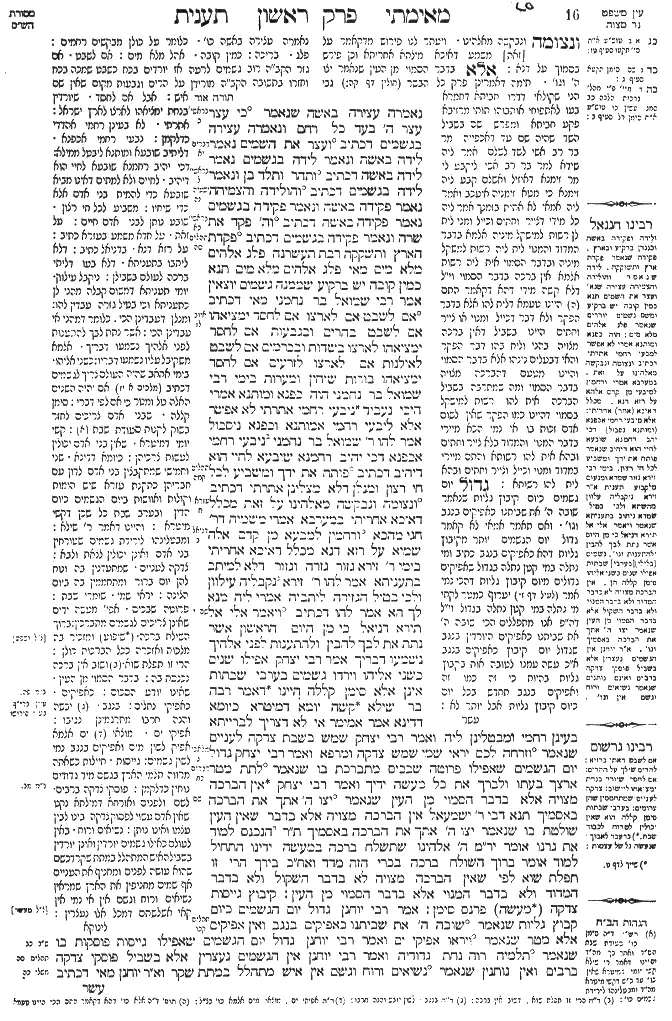
Ta'anit 8b - Guemara
נאמרה עצירה באשה שנאמר (בראשית כ, יח) כי עצר עצר ה' בעד כל רחם ונאמרה עצירה בגשמים דכתיב (דברים יא, יז) ועצר את השמים נאמר לידה באשה ונאמר לידה בגשמים נאמר לידה באשה דכתיב (בראשית ל, כג) ותהר ותלד בן ונאמר לידה בגשמים דכתיב (ישעיהו נה, י) והולידה והצמיחה נאמר פקידה באשה ונאמר פקידה בגשמים נאמר פקידה באשה דכתיב (בראשית כא, א) וה' פקד את שרה ונאמר פקידה בגשמים דכתיב (תהלים סה, י) פקדת הארץ ותשקקה רבת תעשרנה פלג אלהים מלא מים מאי פלג אלהים מלא מים תנא כמין קובה יש ברקיע שממנה גשמים יוצאין אמר רבי שמואל בר נחמני מאי דכתיב (איוב לז, יג) אם לשבט אם לארצו אם לחסד ימציאהו אם לשבט בהרים ובגבעות אם לחסד ימציאהו לארצו בשדות ובכרמים אם לשבט לאילנות אם לארצו לזרעים אם לחסד ימציאהו בורות שיחין ומערות בימי רבי שמואל בר נחמני הוה כפנא ומותנא אמרי היכי נעביד ניבעי רחמי אתרתי לא אפשר אלא ליבעי רחמי אמותנא וכפנא ניסבול אמר להו ר' שמואל בר נחמני ניבעי רחמי אכפנא דכי יהיב רחמנא שובעא לחיי הוא דיהיב דכתיב (תהלים קמה, טז) פותח את ידך ומשביע לכל חי רצון ומנלן דלא מצלינן אתרתי דכתיב (עזרא ח, כג) ונצומה ונבקשה מאלהינו על זאת מכלל דאיכא אחריתי במערבא אמרי משמיה דר' חגי מהכא (דניאל ב, יח) ורחמין למבעא מן קדם אלה שמיא על רזא דנא מכלל דאיכא אחריתי בימי ר' זירא גזור גזרה וגזור דלא למיתב בתעניתא אמר להו ר' זירא נקבליה עילוון ולכי בטיל הגזירה ליתביה אמרי ליה מנא לך הא אמר להו דכתיב (דניאל י, יב) ויאמר אלי אל תירא דניאל כי מן היום הראשון אשר נתת את לבך להבין ולהתענות לפני אלהיך נשמעו דבריך אמר רבי יצחק אפילו שנים כשני אליהו וירדו גשמים בערבי שבתות אינן אלא סימן קללה היינו דאמר רבה בר שילא קשה יומא דמיטרא כיומא דדינא אמר אמימר אי לא דצריך לברייתא בעינן רחמי ומבטלינן ליה ואמר רבי יצחק שמש בשבת צדקה לעניים שנאמר (מלאכי ג, כ) וזרחה לכם יראי שמי שמש צדקה ומרפא ואמר רבי יצחק גדול יום הגשמים שאפילו פרוטה שבכיס מתברכת בו שנאמר (דברים כח, יב) לתת מטר ארצך בעתו ולברך את כל מעשה ידיך ואמר רבי יצחק אין הברכה מצויה אלא בדבר הסמוי מן העין שנאמר (דברים כח, ח) יצו ה' אתך את הברכה באסמיך תנא דבי ר' ישמעאל אין הברכה מצויה אלא בדבר שאין העין שולטת בו שנאמר יצו ה' אתך את הברכה באסמיך ת"ר הנכנס למוד את גרנו אומר יר"מ ה' אלהינו שתשלח ברכה במעשה ידינו התחיל למוד אומר ברוך השולח ברכה בכרי הזה מדד ואח"כ בירך הרי זו תפלת שוא לפי שאין הברכה מצויה לא בדבר השקול ולא בדבר המדוד ולא בדבר המנוי אלא בדבר הסמוי מן העין:
קיבוץ גייסות צדקה (מעשה) פרנס סימן:
אמר רבי יוחנן גדול יום הגשמים כיום קבוץ גליות שנאמר (תהלים קכו, ד) שובה ה' את שביתנו כאפיקים בנגב ואין אפיקים אלא מטר שנאמר (שמואל ב כב, טז) ויראו אפיקי ים ואמר רבי יוחנן גדול יום הגשמים שאפילו גייסות פוסקות בו שנאמר (תהלים סה, יא) תלמיה רוה נחת גדודיה ואמר רבי יוחנן אין הגשמים נעצרין אלא בשביל פוסקי צדקה ברבים ואין נותנין שנאמר (משלי כה, יד) נשיאים ורוח וגשם אין איש מתהלל במתת שקר וא"ר יוחנן מאי דכתיב
Comments from Rashi on Masechet Ta'anit Page 8b
נאמרה עצירה באשה כו' . כלומר על כולן מבקשים רחמים: פלג . בריכה: כמין קובה . אהל מלא מים: אם לשבט . אם גזר הקב"ה רוב גשמים לרעה אז יורדים בכח כשבט שמכה בכח וחזרו בתשובה הקב"ה מורידן על הרים וגבעות מקום שאין שם איש: אבל אם לחסד . שיורדין בנחת ימציאהו לארצו לארץ ישראל: אתרתי . לא בעינן רחמי אהדדי כדלקמן: דלא ליתבו בתעניתא . דלא בעו דליתי ברכה לעולם בשבילן: נבעי רחמי אכפנא . דליתיב שובעא ומותנא ליבטל ממילא: דכי יהיב רחמנא שובעא לחיי הוא דיהיב . לחיים ולא למתים דאינו מביא שובעא כדי להמית בני אדם אלא כדי שיחיו: משביע לכל חי רצון . שובע נותן לבני אדם חיים: על זאת . על חדא משמע בעזרא כתיב: על רזא דנא . בדניאל כתיב: דלא ליתבו בתעניתא . דלא בעו דליתי ברכה לעולם בשבילן: ניקבל עילוון . יומי תעניתא דמשום קבלה מהני לן כתעניתא וכי בטיל גזרה עבדין להו: ומנלן דעבדינן הכי . כלומר דמהני אי עבדינן הכי: אשר נתת לבך להתענות לפני אלהיך נשמעו דבריך . אלמא משקיבל עליו נשמעו דבריו: כשני אליהו . בימי אחאב שהיה העולם צריך לגשמים דכתיב (מלכים א יז) אם יהיה השנים האלה טל ומטר כי אם לפי דברי: סימן קללה . שבני אדם צריכים לחזר בשוק לקנות סעודת שבת: והיינו דאמר ר' שילא: קשי יומי דמיטרא . שאין בני אדם יכולין לעשות צרכיהן: כיומא דדינא . שני וחמישי שמתקבצין בני אדם לדון עם חבריהן כתקנת עזרא שיש הומות וקולות ואוושות ביום הגשמים כיום הדין ובערב שבת כל שכן דקשי מיטרא: ומבטלינהו . לירידת גשמים שטורחין בני אדם ואינן יכולין לצאת ולבא: צדקה לעניים . שמתעדנין בה ונוח להן יום ברור ומתחממין בה ביום הצינה: יראי שמי . שומרי שבת: פרוטה שבכיס . אפי' מעשה ידים שאינן צריכים לגשמים מתברכין: ברוך השולח ברכה . (שיפוע) ומזכיר בה מלכות ואזכרה ככל הברכות כולן: הרי זו תפילת שוא . ושוב אין ברכה נכנסת בה: בדבר הסמוי מן העין . שאינו יודע הסכום: כאפיקים . כאפיקי נחלים: בנגב . יבשה והנה חרבו מתרגמינן נגיבו: אפיקי ים . מוצאי ים אלמא אפיק לשון מים ואפיקים בנגב נמי לשון גשמים: גייסות . חיילות כשאתה מרווה תלמי הארץ בגשם מיד גדודים נוחין כדלקמן: פוסקי צדקה ברבים . לשם ולפנים ואורחא דמילתא נקט שאין אדם עשוי לפסוק צדקה בינו לבין עצמו ואינו נותן: נשיאים ורוח . באין לעולם כאילו גשמים יורדין ואינן יורדין בשביל האיש המתהלל במתת שקר דכשם שהוא עושה לפנים ומחניף את העניים אף שמים מחניפין את הארץ שמראין נשיאים ורוח וגשם אין אי נמי אין קאי אשלשתם דמכל אלו נעצרין:
Comments from Tosafot - Ta'anit 8b
ונצומה ונבקשה מאלהינו. ויעתר לנו פירוש מדקאמר על [זאת] משמע דאיכא מילתא אחריתא וכן פירש בסמוך על דנא: אלא בדבר הסמוי מן העין שנאמר יצו ה' וגו'. תימה דאמרינן פרק כל הבשר (חולין דף קה:) גבי הני שקולאי דדרו חביתא דחמרא בעו לאתפוחי אותבוהו תותי מרזיבא פקע חביתא ומפרש שם בשביל השד שהיה שם עד דאכפייה מר בר רב אשי לשד לשלם אמר ליה שידא למר בר רב אשי ליקבע לי מר זימנא דאיזיל ואשלם קבע ליה זימנא כי מטא זימניה איעכב ואמר ליה אמאי לא אתית בזמנך אמר ליה כל מידי דצייר וחתים וכייל ומני לית לן רשות למישקל מיניה אלמא בדבר המדוד והמנוי לית ליה רשות למשקל מיניה ובדבר הסמוי אית ליה רשות אלמא אין ברכה בדבר הסמוי וי"ל דלא קשה מידי דהא דקאמר התם היינו טעמא דלית להו אלא בדבר הפקר ולא דבר דכייל ומנוי או צייר וחתים היינו בשביל דאין ברכה מצויה בהני ולית בהו דבר הפקר והאי דבעלים נינהו אלא בדבר הסמוי והיינו מטעם דהברכה מצויה בדבר הסמוי ומה שמתרבה בשביל הברכה אית להו רשות למישקל בסמוי דהיינו כמו הפקר שאין לשום אדם זכות בו אי נמי הכא מיירי בדבר המנוי והמדוד בלא צייר וחתים ובהא אית להו רשותא והתם מיירי במדוד ומנוי וכייל וצייר וחתים ובהא לית להו רשותא: גדול יום גשמים כיום קיבוץ גליות שנאמר שובה ה' את שביתנו כאפיקים בנגב וגו'. ואם תאמר אמאי לא קאמר גדול יום הגשמים יותר מקיבוץ גליות דהא כאפיקים בנגב כתיב ומי נתלה במי קטן נתלה בגדול שאפיקים גדולים מיום קיבוץ גליות דהכי נמי אמר (לעיל תענית דף ז.) יערוף כמטר לקחי מי נתלה במי קטן נתלה בגדול וי"ל דה"פ אנו מתפללים הכי שובה ה' את שביתנו כאפיקים היורדין בנגב שגדול יום קיבוץ כאפיקים בנגב א"כ עשה עמנו לטובה אות בקבוץ גליות בהיות כי זה כמו זה ואפיקים בנגב תחדש בכל יום כיום קיבוץ גליות אבל יותר לא:
Ta'anit 8b - Mishnah translated into english
Reish Lakish elaborates: Closing up is stated with regard to a woman who cannot give birth, as it is stated: “For the Lord has fast closed up all the wombs” (Genesis 20:18), and closing up is stated with regard to rains, as it is written: “And He will close up the heavens” (Deuteronomy 11:17).
Likewise, an expression of giving birth is stated with regard to a woman, and an expression of giving birth is also stated with regard to rain. Specifically, giving birth is stated with regard to a woman, as it is written in the case of Rachel, when God had mercy on her: “And she conceived and gave birth to a son” (Genesis 30:23). And giving birth is stated with regard to rain, as it is written: “For as the rain comes down, and the snow from heaven, and does not return there, except it waters the earth and causes it to give birth and bud” (Isaiah 55:10).
Lastly, an expression of remembering is stated in connection with a woman, and an expression of remembering is also stated in connection to rain. Remembering is stated in connection with a woman, as it is written: “And the Lord remembered Sarah” (Genesis 21:1), and remembering is stated in connection to rain, as it is written: “You have remembered the earth and have watered it; greatly enriching it, with the pool of God that is full of water” (Psalms 65:10).
The Gemara asks a question with regard to this verse. What is the meaning of the phrase: “With the pool of God that is full of water”? The Gemara answers that it was taught in a baraita: There is a kind of vault [kuba] in the sky, out of which the rain falls.
Rabbi Shmuel bar Naḥmani said: What is the meaning of that which is written: “Whatever he commands them upon the face of the habitable world, whether it is for correction, or for His earth, or for mercy that He causes it to come” (Job 37:12–13)? The phrase “whether it is for correction” means that if the people are judged unfavorably, the rain will fall on the mountains and on the hills. The phrase “or for His earth” indicates that if they have been judged “for mercy,” He will cause it to come “for His earth,” on the fields and on the vineyards.
Alternatively, the phrase “whether it is for correction” means that the rain will provide benefit only for the trees; “or for His earth” indicates that rain will fall solely for the benefit of seeds; and “or for mercy that He causes it to come” means that rain will fill the cisterns, ditches, and caves with enough water to last the dry season.
§ The Gemara relates: In the days of Rabbi Shmuel bar Naḥmani there was a famine and a plague. The Sages said: What should we do? Should we pray for mercy for two troubles, both the famine and the plague? This is not possible, as it is improper to pray for the alleviation of two afflictions at once. Rather, let us pray for mercy for the plague, and as for the famine, we must bear it. Rabbi Shmuel bar Naḥmani said to them: On the contrary, let us pray for mercy for the famine, as when the Merciful One provides plenty, He gives it for the sake of the living, i.e., if God answers this prayer then he will certainly bring an end to the plague as well, as it is written: “You open Your hand and satisfy every living thing with favor” (Psalms 145:16).
The Gemara explains: And from where do we derive that one should not pray for two troubles simultaneously? As it is written: “So we fasted and beseeched our God for this” (Ezra 8:23). From the fact that the verse states: “For this,” it may be inferred that there is another trouble about which the people did not pray. In the West, Eretz Yisrael, they say in the name of Rabbi Ḥaggai that this idea comes from here: “That they might ask mercy of the God of Heaven concerning this secret” (Daniel 2:18). From the fact that the verse states: “This secret,” it may be inferred that there is another trouble about which they did not pray.
In a similar vein, the Gemara relates: In the days of Rabbi Zeira a decree of religious persecution was decreed against the Jews. And as the decree was that they were not allowed to fast, the Jews were certainly unable to fast and pray for the nullification of the decree itself. Rabbi Zeira said to the people: Let us take a fast upon ourselves, despite the fact that in practice we cannot observe it, and when the decree of religious persecution is annulled we will observe the fast.
They said to him: From where do you know this, the fact that one may take a fast upon himself that he cannot observe? Rabbi Zeira said to them that the reason is as it is written: “Then he said to me: Fear not, Daniel, for from the first day that you set your heart to understand, and to fast before your God, your words were heard” (Daniel 10:12). This verse indicates that from the moment one turns his heart to fast, his prayers are heard.
The Gemara returns to the topic of rain. Rabbi Yitzḥak said: Even in years like the years of Elijah, when God decreed that no rain would fall, if rain falls on Shabbat eves it is nothing other than a sign of a curse, as the rain disrupts the preparations for Shabbat. This is the same as that which Rabba bar Sheila said: A rainy day is as difficult as a judgment day. Ameimar even said: Were it not for the fact that rain is needed by people, we would pray for mercy and to annul it, due to the nuisances that rain causes.
And Rabbi Yitzḥak said: Sun on Shabbat is charity for the poor, who are then able to enjoy the outdoors without suffering from cold. As it is stated: “But for you who fear My name, the sun of righteousness shall arise with healing in its wings” (Malachi 3:20). And Rabbi Yitzḥak further said: The day of the rains is great, as even a peruta in one’s pocket is blessed on it, as it is stated: “To give the rain of your land in its due time, and to bless all the work of your hand” (Deuteronomy 28:12).
And apropos blessings, Rabbi Yitzḥak said: A blessing is found only in an object that is hidden [samui] from the eye, not in an item visible to all, as public miracles are exceedingly rare. As it is stated: “The Lord will command His blessing upon you in your barns [ba’asamekha]” (Deuteronomy 28:8). Rabbi Yitzḥak’s exposition is based on the linguistic similarity between samui and asamekha. Likewise, the school of Rabbi Yishmael taught: A blessing is found only in an object that is not exposed to the eye, as it is stated: “The Lord will command His blessing upon you in your barns.”
The Sages taught: One who enters to measure produce in his granary recites: May it be Your will, Lord our God, that You send a blessing upon the work of our hands. After he has begun to measure, he recites: Blessed is He who sends a blessing upon this pile. If one first measured and afterward recited the blessing, it is a prayer in vain, as a blessing is not found either in an object that is weighed or in an object that is measured or in an object that is counted, as these would constitute open miracles. Rather, a blessing is found only in an object that is hidden from the eye.
§ The Gemara cites five statements of Rabbi Yoḥanan, in accordance with the following mnemonic: Ingathering; armies; charity; tithe; sustainer. Rabbi Yoḥanan said: The day of the rains is as great as the day of the ingathering of the exiles, as it is stated: “Turn our captivity, O Lord, as the streams in the dry land” (Psalms 126:4), and “streams” means nothing other than rain, as it is stated: “And the streams of the sea appeared” (II Samuel 22:16).
And Rabbi Yoḥanan said: The day of the rains is great, as even armies stop fighting on it due to the rain and mud. As it is stated: “Watering its ridges abundantly; settling down its furrows [gedudeha]” (Psalms 65:11). As the word gedudim can mean both furrows or armies and is spelled identically with each meaning, this alludes to the idea that during the rainy season soldiers become entrenched in place. And Rabbi Yoḥanan further said: Rain is withheld only due to those who pledge charity in public but do not give it, as it is stated: “As vapors and wind without rain, so is he who boasts of a false gift” (Proverbs 25:14).
And Rabbi Yoḥanan said: What is the meaning of that which is written:
Traduction : The William Davidson digital edition of the Koren Noé Talmud, with commentary by Rabbi Adin Even-Israel Steinsaltz.