 Talmud Bavli
The learning on the whole site is dedicated : L'ilui Nishmat Yechayahou ben Moche
The learning on the whole site is dedicated : L'ilui Nishmat רינה בת לדיסיה
The learning on the whole site is dedicated : L'ilui Nishmat Chemouel Eliezer ben Batcheva
Ta'anit 18a : Youtube
Daf TubeYoutube
4 video classes :
Ta'anit Page 18a
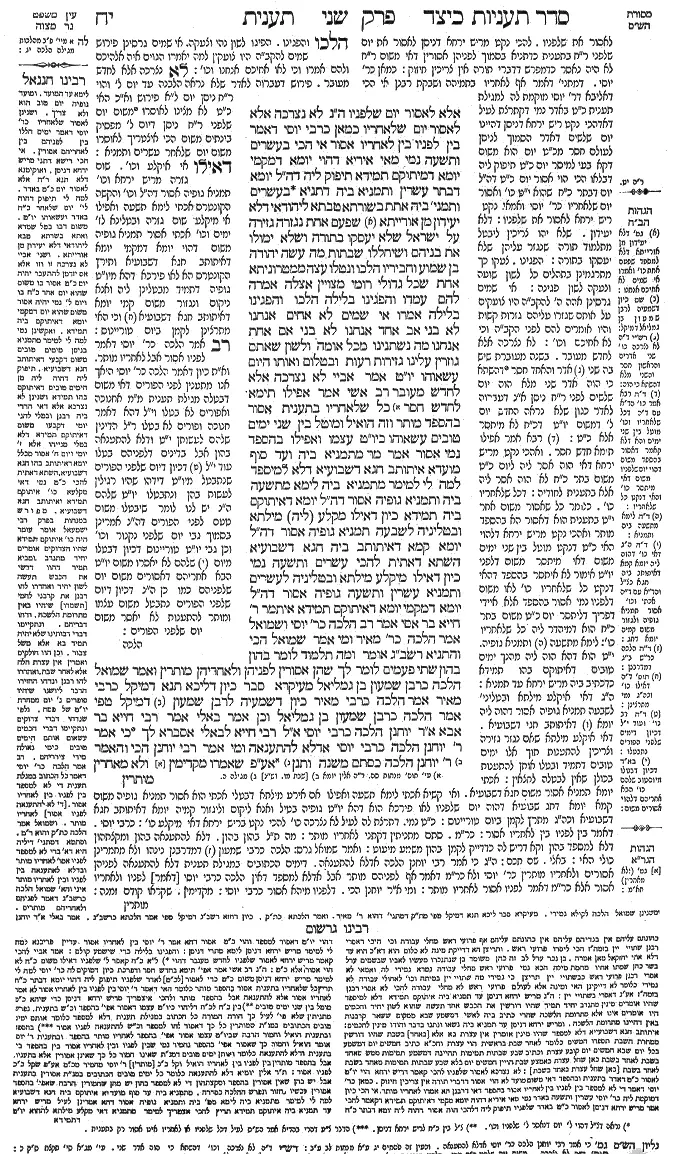
Ta'anit 18a - Guemara
אלא לאסור יום שלפניו ה"נ לא נצרכה אלא לאסור יום שלאחריו כמאן כרבי יוסי דאמר בין לפניו בין לאחריו אסור אי הכי בעשרים ותשעה נמי מאי איריא דהוי יומא דמקמי יומא דמיתוקם תמידא תיפוק ליה דה"ל יומא דבתר עשרין ותמניא ביה דתניא בעשרים ותמני' ביה אתת בשורתא טבתא ליהודאי דלא יעידון מן אורייתא שפעם אחת נגזרה גזירה על ישראל שלא יעסקו בתורה ושלא ימולו את בניהם ושיחללו שבתות מה עשה יהודה בן שמוע וחביריו הלכו ונטלו עצה ממטרוניתא אחת שכל גדולי רומי מצויין אצלה אמרה להם עמדו והפגינו בלילה הלכו והפגינו בלילה אמרו אי שמים לא אחים אנחנו לא בני אב אחד אנחנו לא בני אם אחת אנחנו מה נשתנינו מכל אומה ולשון שאתם גוזרין עלינו גזירות רעות ובטלום ואותו היום עשאוהו יו"ט אמר אביי לא נצרכה אלא לחדש מעובר רב אשי אמר אפילו תימא לחדש חסר כל שלאחריו בתענית אסור בהספד מותר וזה הואיל ומוטל בין שני ימים טובים עשאוהו כיו"ט עצמו ואפילו בהספד נמי אסור אמר מר מתמניא ביה ועד סוף מועדא איתותב חגא דשבועיא דלא למיספד למה לי למימר מתמניא ביה לימא מתשעה ביה ותמניא גופיה אסור דה"ל יומא דאיתוקם ביה תמידא כיון דאילו מקלע (ליה) מילתא ובטליניה לשבעה תמניא גופיה אסור דה"ל יומא קמא דאיתותב ביה חגא דשבועיא השתא דאתית להכי עשרים ותשעה נמי כיון דאילו מיקלע מילתא ובטליניה לעשרים ותמניא עשרין ותשעה גופיה אסור דה"ל יומא דמקמי יומא דאיתוקם תמידא איתמר ר' חייא בר אסי אמר רב הלכה כר' יוסי ושמואל אמר הלכה כר' מאיר ומי אמר שמואל הכי והתניא רשב"ג אומר ומה תלמוד לומר בהון בהון שתי פעמים לומר לך שהן אסורין לפניהן ולאחריהן מותרין ואמר שמואל הלכה כרבן שמעון בן גמליאל מעיקרא סבר כיון דליכא תנא דמיקל כרבי מאיר אמר הלכה כרבי מאיר כיון דשמעיה לרבן שמעון דמיקל טפי אמר הלכה כרבן שמעון בן גמליאל וכן אמר באלי אמר רבי חייא בר אבא א"ר יוחנן הלכה כרבי יוסי א"ל רבי חייא לבאלי אסברא לך כי אמר ר' יוחנן הלכה כרבי יוסי אדלא להתענאה ומי אמר רבי יוחנן הכי והאמר ר' יוחנן הלכה כסתם משנה ותנן אע"פ שאמרו מקדימין ולא מאחרין
Comments from Rashi on Masechet Ta'anit Page 18a
לאסור את שלפניו . להכי נקט מריש ירחא דניסן לאסור את יום שלפני ר"ח בתענית כדתניא בסמוך לפניהן אסורין דאי משום ר"ח לא היה נאסר כדמפרש דדברי תורה אין צריכין חיזוק: כמאן כר' יוסי . דמתני' דאמר אף לאחריו בתמיהה ושבקת רבנן אי הכי דאליבא דר' יוסי מוקמת לה למגילת תענית כ"ט באדר נמי דקתרצת לעיל דאדהכי נקט ריש ירחא דניסן דהיינו יום שלשים דאדר הסמוך לניסן לעולם חסר מכ"ט יום הוא משום דקא בעי למיסר יום כ"ט תיפוק ליה דבלאו הכי הוי אסור יום כ"ט דה"ל יום דבתר כ"ח שהוא י"ט כו' ואסור יום שלאחריו כר' יוסי ואמאי נקט ריש ירחא לאסור את שלפניו: דלא יעידון . שלא יהו צריכין ליבטל מתלמוד תורה שנגזר עליהן שלא יעסקו בתורה: הפגינו . צעקו כך מתרגמינן בתהלים כל לשון שועה וצעקה לשון פגינה: אי שמים . גרסינן אהה ה' להקב"ה היו צועקים על אותם שגזרו עליהם גזרות קשות והיו אומרים להם לפני הקב"ה וכי לא אחיכם וכו': לא נצרכה אלא לחדש מעובר . בשנה מעוברת שיש בה שני אדר והאחד חסר דהשתא כי הוה אדר שני מלא הוה יום שלשים לפני ר"ח ניסן א"נ דעברוה לאדר כגון שלא נראה החדש יום ל' דמשום יו"ט דכ"ח לא מיתסר אלא כ"ט: רבא אמר אפילו תימא חדש חסר . ואהכי נקט מריש ירחא דאי הוה אסר ליה ליום כ"ט משום בתר כ"ח לא הוה אסר ליה אלא בתענית לחודיה: דכל שלאחריו כו' . כלומר כל שאסור משום אחר י"ט בתענית הוא דאסור הא בהספד מותר ואהכי נקט מריש ירחא דלהוי האי כ"ט דנקט מוטל בין שני ימים משום דאי מיתסר משום דלפני יו"ט אימור לא איתסר בהספד דהאי דנקט כל שלאחריו כו' לאו משום דלפניו נמי אסור בהספד אלא איידי דפריך דליתסר יום כ"ט משום בתר כ"ח הוא דמיהדר ליה כל שלאחריו כו': לימא מתשעה ותמניא גופיה . י"ט הוא דהא הוה ליה מהנך ימים טובים דאיתוקם בהו תמידא כדכתיב ביה מריש ירחא עד תמניא: ה"ג דאי איקלע מילתא ובטליני' לשבעה תמניא גופיה אסור דהוה ליה יומא דאיתותב חגי דשבועיא . דאי איקלע מילתא שאם נגזר גזירה וצריכין להתענות תוך אלו ימים טובים דתמיד ובטלו אותן להתענות בכולן שאין לבטלה לחצאין: אכתי יומא תמניא אסור משום חגא דשבועיא . ואי קשיא אכתי לימא תשעה ואפילו אם אירע מילתא דבטלי אכתי הוא אסור תמניא גופיה משום קמא יומא דחג שבועיא דהוה יום שלפניו לאו פירכא הוא דהא יו"ט גופיה בטיל ואנא ליקום וליגזור קמיה יומא דאיתותב חגא דשבועיא וכה"ג מתרץ לקמן ביום טוריינוס: כ"ט נמי . דתרצת לה לעיל לא נצרכה כו' להכי נקט בריש ירחא דאי מיקלע כו': כרבי יוסי . דאמר בין לפניו בין לאחריו אסור: כר"מ . סתם מתניתין דקתני לאחריו מותר: כר"מ . סתם מתניתין דקתני לאחריו מותר: מה ת"ל בהון בהון . דלא להתענאה בהון ומקצתהון דלא למספד בהון וקא דריש לה כדדייק לקמן בהון משמע מיעוט: ואמר שמואל גרס: הלכה כרבן שמעון . דמדרבנן נינהו ולא מחמרינן כולי האי: באלי . שם חכם: כרבי יוסי . דאמר בין לפניו בין לאחריו אסור: ה"ג כי אמר רבי יוחנן הלכה אדלא להתענאה . דימים הכתובים במגילת תענית דלא להתענאה לפניהן אסורים ולאחריו מותרין כרבי יוסי ולא כר"מ דאמר אף לפניהם מותר אבל אדלא למספד דאין הלכה כרבי יוסי [דאמר] לפניו ולאחריו אסור אלא כר"מ דאמר לפניו אסור ולאחריו מותר: ומי א"ר יוחנן הכי . דלפניו מיהא אסור כרבי יוסי: מקדימין . שקראו קודם זמנה:
Comments from Tosafot - Ta'anit 18a
הלכו והפגינו. הפיגו לשון נהי וצעקה. אי שמים גרסינן פירוש שמים להקב"ה היו צועקין למה יאמרו הגוים איה אלהיכם ולהם אמרו וכי לאו אחיכם אנחנו וכו': לא נצרכה אלא לחדש מעובר. פירוש דעברוה לאדר שלא נראה הלבנה עד יום ל' והוי ר"ח ניסן יום ל"א פירוש וא"כ האי כ"ט לא מצינו לאוסרו משום יום שלפני ר"ח ניסן דיום ל' מפסיק בינתים משום הכי איצטריך לאוסרו משום יום שלאחר עשרים ותמניא: דאילו אי איקלע וכו'. שום גזרה מריש ירחא וכו' תמניא גופיה אסור דה"ל וכו' והקשה הקונטרס אכתי לימא תשעה ואפילו אי מיקלע שום גזרה ובטלינא לז' ימים וכו' אכתי אסור תמניא גופיה משום דהוי יומא דמקמי יומא דאיתותב חגא דשבועיא ותירץ הקונטרס הא לאו פירכא דהא מיו"ט גופיה דתמיד מבטלינן ליה ואנא ניקום ונגזור משום קמי יומא דאיתותב חגא דשבועיא וכי האי מתרצינן לקמן ביום טוריינוס: רב אמר הלכה כר' יוסי דאמר לפניו אסור אבל לאחריו מותר. וא"ת כיון דאמר הלכה כר' יוסי היאך אנו מתענין לפני הפורים דאי משום דבטלה מגילת תענית מ"מ אחנוכה ואפורים לא בטלו וי"ל דהא דאמר חנוכה ופורים לא בטלו ר"ל הדינין שלהם לעשותן י"ט ודלא להתענאה בהון אבל בדינים דלפניהם בטלו עוד י"ל דכיון דיום שלפני הפורים שנתבטל מיו"ט דידהו שהיו רגילין לעשות בהן ונתבטלו יו"ט שלהם ה"נ יש לנו לומר שיבטלו משום טעם לפני הפורים דה"נ אמרינן בסמוך גבי יום שלפני נקנור וכו' וכן גבי יו"ט טוריינוס דכיון דבטלו מיום שלהם לא יאסרו משום יו"ט הבא אחריהם דאסורים משום יום שלפניהם כמו כן ה"נ דכיון דיום שלפני הפורים נתבטל משום עצמו ומותר להתענות לא יאסר משום יום שלפני הפורים:
Ta'anit 18a - Mishnah translated into english
only to prohibit eulogizing on the day before. Here too, it is necessary to mention Passover only to prohibit eulogizing on the following day. The Gemara asks: In accordance with whose opinion is this ruling? It is in accordance with the opinion of Rabbi Yosei, who said that eulogizing is prohibited both on the day before the date recorded in Megillat Ta’anit and on the following day. The Gemara asks: If so, with regard to the twenty-ninth of Adar too, why state specifically that eulogizing is prohibited then because it is the day before the day on which the daily offering was established? Let him derive this prohibition from the fact that it is the day after the twenty-eighth of Adar.
As it is taught in Megillat Ta’anit: On the twenty-eighth of Adar good tidings came to the Jews, that they would not be restricted from Torah study, and they declared this date a commemorative day. The baraita proceeds to describe the events of this day. As on one occasion the wicked empire, Rome, issued a decree of apostasy against the Jews, that they may not occupy themselves with Torah study, and that they may not circumcise their sons, and that they must desecrate Shabbat. What did Yehuda ben Shammua and his colleagues do? They went and sought the advice of a certain Roman matron [matronita] whose company was kept by all the prominent people of Rome.
She said to them: Arise and cry out [hafginu] at night. They went and cried out at night, saying: O Heaven! Are we not brothers? Are we not children of one father? Are we not the children of one mother? How are we different from any other nation and tongue that you single us out and issue against us evil decrees? Their cries were effective, and the authorities annulled the decrees, and they made that day a commemorative holiday.
§ Since the twenty-eighth of Adar is also a commemorative day, according to the opinion of Rabbi Yosei, it is also prohibited to fast on the following day. The question therefore remains: Why was it necessary to list the New Moon of Nisan, when the day before was already prohibited? Abaye said: It is necessary to include the New Moon of Nisan only for the case of a full, thirty-day month. If the month of Adar is thirty days long, fasting on the thirtieth day would be prohibited only because it is the day preceding the New Moon, not because it follows the twenty-eighth of Adar.
Rav Ashi said: Even if you say that we are dealing with a deficient month, with twenty-nine days, the inclusion of the New Moon of Nisan can still be explained. The reason is that with regard to all days that follow the dates listed in Megillat Ta’anit, fasting is prohibited but eulogizing is permitted. But in this case, since the twenty-ninth of Adar is positioned between two commemorative holidays, the twenty-eighth of Adar and the New Moon of Nisan, the Sages made it like a commemorative holiday in its own right, and it is therefore prohibited even to eulogize on this date.
§ The Master said above, in Megillat Ta’anit: From the eighth of Nisan until the end of the festival of Passover, the festival of Shavuot was restored, and it was decreed not to eulogize during this period. The Gemara asks: Why do I need it to say: From the eighth of Nisan? Let the tanna say: From the ninth of Nisan, and the eighth itself will still be prohibited because, as stated earlier, it is the day on which the daily offering was established.
The Gemara answers: Since if a calamitous event happened and they canceled the seven days commemorating the establishment of the daily offering, the eighth day itself will remain prohibited, as it is the first day on which the festival of Shavuot was restored. Since this date is not merely the last of the series for the daily offering, but it also commemorates the restoration of Shavuot, it is not affected by the cancellation of the previous seven days.
The Gemara notes: Now that you have arrived at this conclusion, the same logic can be applied to the twenty-ninth of Adar as well: Since if a calamitous event happened and they canceled the commemoration of the twenty-eighth of Adar, nevertheless, the twenty-ninth day itself will remain prohibited, as it is the first day on which the daily offering was established.
It was stated that there is a dispute between amora’im: Rav Ḥiyya bar Asi said that Rav said: The halakha is in accordance with the opinion of Rabbi Yosei, that with regard to all the days mentioned in Megillat Ta’anit on which eulogizing is prohibited, it is likewise prohibited to eulogize on the day before and the day after. And Shmuel said: The halakha is in accordance with the opinion of Rabbi Meir, the tanna of the unattributed mishna, who said that although it is prohibited to eulogize on the day before, it is permitted on the day after.
The Gemara asks: And did Shmuel actually say this? But isn’t it taught in a baraita that Rabban Shimon ben Gamliel says: And what is the meaning when Megillat Ta’anit states: On them, on them, twice, in the phrases: Not to eulogize on them, and: Not to fast on them. This phrase is repeated to say to you that fasting and eulogizing on these days themselves is prohibited, but on the days before and on the following days it is permitted. And Shmuel said: The halakha is in accordance with the opinion of Rabban Shimon ben Gamliel. How, then, can it be said that Shmuel ruled in accordance with the opinion of Rabbi Meir?
The Gemara answers: Initially, Shmuel maintained that since there is no other tanna as lenient as Rabbi Meir, he said that the halakha is in accordance with the opinion of Rabbi Meir. When he heard that the opinion of Rabban Shimon ben Gamliel was more lenient, he said that the halakha is in accordance with the opinion of Rabban Shimon ben Gamliel. Shmuel consistently ruled in the most lenient manner possible on this issue.
And similarly, the Sage Bali said that Rabbi Ḥiyya bar Abba said that Rabbi Yoḥanan said: The halakha is in accordance with the opinion of Rabbi Yosei. The Gemara relates that Rabbi Ḥiyya bar Abba said to Bali: I will explain this ruling to you. When Rabbi Yoḥanan said that the halakha is in accordance with the opinion of Rabbi Yosei, he was not referring to all matters. Rather, he spoke specifically with regard to the day before those dates concerning which Megillat Ta’anit said: Fasting is prohibited. However, with regard to those days on which it is prohibited to eulogize, he did not rule in accordance with the opinion of Rabbi Yosei, as Rabbi Yoḥanan maintains that eulogizing on the following day is permitted.
The Gemara asks: And did Rabbi Yoḥanan actually say this? But didn’t Rabbi Yoḥanan say as a principle that the halakha is always in accordance with an unattributed mishna. And we learned in a mishna: Although the Sages said, with regard to reading of the Scroll of Esther, that one may read it earlier but one may not read it later,
Traduction : The William Davidson digital edition of the Koren Noé Talmud, with commentary by Rabbi Adin Even-Israel Steinsaltz.