 Talmud Bavli
Ta'anit 14a : Youtube
Daf TubeYoutube
4 video classes :
Ta'anit Page 14a
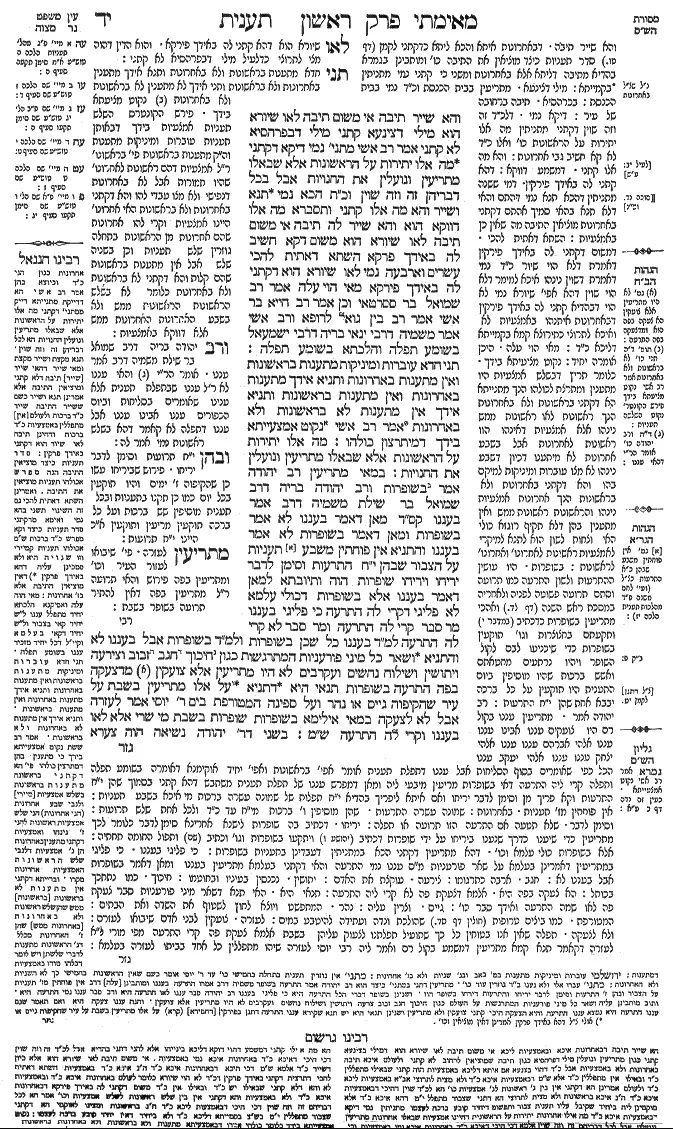
Ta'anit 14a - Guemara
והא שייר תיבה אי משום תיבה לאו שיורא הוא מילי דצינעא קתני מילי דבפרהסיא לא קתני אמר רב אשי מתני' נמי דיקא דקתני מה אלו יתירות על הראשונות אלא שבאלו מתריעין ונועלין את החנויות אבל בכל דבריהן זה וזה שוין וכ"ת הכא נמי תנא ושייר והא מה אלו קתני ותסברא מה אלו דווקא הוא והא שייר לה תיבה אי משום תיבה לאו שיורא הוא משום דקא חשיב לה באידך פרקא השתא דאתית להכי עשרים וארבעה נמי לאו שיורא הוא דקתני לה באידך פירקא מאי הוי עלה אמר רב שמואל בר ססרטאי וכן אמר רב חייא בר אשי אמר רב בין גואל לרופא ורב אשי אמר משמיה דרבי ינאי בריה דרבי ישמעאל בשומע תפלה והלכתא בשומע תפלה:
תני חדא עוברות ומיניקות מתענות בראשונות ואין מתענות באחרונות ותניא אידך מתענות באחרונות ואין מתענות בראשונות ותניא אידך אין מתענות לא בראשונות ולא באחרונות אמר רב אשי נקוט אמצעייתא בידך דמיתרצון כולהו:
מה אלו יתירות על הראשונות אלא שבאלו מתריעין ונועלין את החנויות:
במאי מתריעין רב יהודה אמר בשופרות ורב יהודה בריה דרב שמואל בר שילת משמיה דרב אמר בעננו קס"ד מאן דאמר בעננו לא אמר בשופרות ומאן דאמר בשופרות לא אמר בעננו והתניא אין פוחתין משבע תעניות על הצבור שבהן י"ח התרעות וסימן לדבר יריחו ויריחו שופרות הוה ותיובתא למאן דאמר בעננו אלא בשופרות דכולי עלמא לא פליגי דקרי לה התרעה כי פליגי בעננו מר סבר קרי לה התרעה ומר סבר לא קרי לה התרעה למ"ד בעננו כל שכן בשופרות ולמ"ד בשופרות אבל בעננו לא והתניא ושאר כל מיני פורעניות המתרגשות כגון חיכוך חגב זבוב וצירעה ויתושין ושילוח נחשים ועקרבים לא היו מתריעין אלא צועקין מדצעקה בפה התרעה בשופרות תנאי היא דתניא על אלו מתריעין בשבת על עיר שהקיפוה גייס או נהר ועל ספינה המטורפת בים ר' יוסי אמר לעזרה אבל לא לצעקה במאי אילימא בשופרות שופרות בשבת מי שרי אלא לאו בעננו וקרי לה התרעה ש"מ:
בשני דר' יהודה נשיאה הוה צערא
Comments from Rashi on Masechet Ta'anit Page 14a
והא שייר תיבה . דבאחרונות איתא והכא ליתא כדקתני לקמן (תענית דף טו.) סדר תעניות כיצד מוציאין את התיבה כו' ומותבינן בגמרא בהדיא מתיבה דליתא אלא באחרונות ומשני כי קתני נמי מתניתין בקמייתא: מילי דצינעא . מתריעין בבית הכנסת וכ"ד נמי בבית הכנסת: בפרהסיא . תיבה ברחובה של עיר: דיקא נמי . דלכ"ד זה וזה שוין דקתני מתניתין מה אלו יתירות על הראשונות כו' ואלו כ"ד לא קא חשיב גבי אחרונות: והא מה אלו קתני . דמשמע דווקא: והא מה אלו קתני . דמשמע דווקא: דהא קתני לה באידך פירקין . דמי ששנה מתניתין דהכא תנא נמי דהתם והאי דלא תנא בהאי סמיך אהתם דקתני באחרונות מוציאין התיבה מה שאין כן באמצעיות: השתא דאתית להכי . דמשום דקתני לה באידך פירקין דאמרת דלא הוי שיור כ"ד נמי דאמרת דשוין נינהו איכא למימר דלא הוי שוין דהא אפי' שיורא נמי לא הוי דבהדיא קתני לה באידך פירקין דבאחרונות איתנהו באמצעיות לא ואיכא לתרוצי כתירוצא קמא בקמייתא דליכא כ"ד: מאי הוי עלה . היכן אומרה יחיד: נקוט מציעיתא בידך . כלומר תריץ דבשלש אמצעיות היו מתענין ומתרצת לכולהו הנך מתנייתא הא דקתני בראשונות ולא באחרונות הנך ראשונות לאו ראשונות ממש נינהו אלא אמצעיות דאינהו הוו ראשונות לאחרונות אבל בשבע אחרונות לא מיתענו דכיון דשבע נינהו לא מצו עוברות ומיניקות למיקם בהו והא דקתני באחרונות ולא בראשונות הנך אחרונות אמצעיות נינהו והראשונות ראשונות ממש ואין מתענין בהן דלא תקיף רוגזא כולי האי וצחות לשון הוא לתנא למיקרי לאמצעיות ראשונות לאחרונ' ואחרונו' לראשונות: בשופרות . היו עושין ההתרעות ולשון התרעה כמו תרועה וסתם תרועה פשוטה לפניה ולאחריה במסכת ראש השנה (דף לד.) ואהכי מתריעין בשופרות כדכתיב (במדבר י) ותקעתם בחצוצרות וגו' תוקעין בשופרות כדי שיכניעו לבם לקול השופר ויהיו נרתעים מחטאתם ואשש ברכות שהיו מוסיפין ביום התענית היו תוקעין על כל ברכה יבבא אחת שהן י"ח התרעות: רב יהודה אמר . מתריעין עננו בקול רם היו צועקים עננו אבינו עננו עננו אלהי אברהם עננו עננו אלהי יצחק עננו עננו אלהי יעקב עננו הכל כפי שאומרים בסוף הסליחות אבל עננו דתפלת תענית אומר אפי' בראשונות ואפי' יחיד אוקימנא דאומרה בשומע תפלה ותפלה קרי ליה התרעה דאי בשופרות מריעין מיבעי ליה ומאן דמפרש עננו של תפלת תענית משתבש דהא קתני בסמוך שהן י"ח התרעות וקא פריך מן וסימן לדבר יריחו ואם איתא ליפריך בהדיא י"ח תפלות של שמונה עשרה ברכות מי איכא בשבת תעניות: יריחו אין פוחתין מז' תעניות . באחרונות: שמונה עשרה התרעות . שהן מוסיפין ו' ברכות מי"ח עד כ"ד ולכל אחת שלש תרועות: וסימן לדבר . שלא תטעה אם התרעה הזו תרועה או תפלה: יריחו . דכתיב בה שופרות לישנא אחרינא סימן לדבר כלומר לכך מתריעין כדי שיענו כדרך שנענו ביריחו על ידי שופרות דכתיב (יהושע ו) ויתקעו בשופרות וגו' וכתיב (שם) ותפול החומה תחתיה: אלא בשופרות כולי עלמא וכו' . דהא מתריעין דקתני הכא במתניתין דעבדינן בתעניות בשופרות: כי פליגי בעננו . כי פליגי במתריעין דאמרינן בעלמא על שאר פורענויות מ"ס עננו נמי התרעה והאי דקתני בעלמא מתריעין בעננו ומאן דאמר בשופרות אבל בעננו לא: חגב . ארבה כתרגומו: צירעה . עוקצת את האדם: יתושין . נכנסין בעיניו ובחוטמו: חיכוך . כמו נתחכך בכותל: הא צעקה בפה היא . אלמא דצעקת פה לא קרי ליה התרעה: תנאי היא . האי תנא דשאר מיני פורעניות סבר צעקת פה לאו שמה התרעה ואידך סבר כו': דהא קתני לה באידך פירקין . דמי ששנה מתניתין דהכא תנא נמי דהתם והאי דלא תנא בהאי סמיך אהתם דקתני באחרונות מוציאין התיבה מה שאין כן באמצעיות: גייס . וצרין עליה: נהר . המתפשט ויוצא לחוץ לשטוף את השדה ואת הבתים: המטורפת . כמו ביצים טרופות (חולין דף סד.) שהולכת ונדה ועתידה להיטבע במים: לעזרה . צועקין לבני אדם שיבואו לעזרם: ולא לצעקה . תפלה שאין אנו בטוחין כל כך שתועיל תפלתנו לצעוק עליהן בשבת אלמא צעקת פה קרי התרעה מפי מורי ל"א לעזרה דקאמר תנא קמא מתריעין דמשמע בקול רם ואמר ליה רבי יוסי לעזרה שיהו מתפללין כל אחד בביתו לעזרה בעלמא:
Comments from Tosafot - Ta'anit 14a
לאו שיורא הוא דהא קתני לה באידך פירקא. והוא הדין דהוה מצי לתרוצי כדלעיל מילי דבפרהסיא לא קתני: ורב יהודה בריה דרב שמואל בר שילת משמיה דרב אמר עננו. אומר הר"י והאי עננו לא ר"ל עננו שבתפלת תענית אלא ענינו שאומרים בסליחות וביום הכפורים עננו אבינו עננו אבל עננו דתפלה לא קאמר דהא בשלש ראשונות נמי אמר לה: תני חדא מתענות בראשונות ולא באחרונות ותנא אידך מתענין באחרונות ולא בראשונות ותני אידך לא מתענין לא בראשונות ולא באחרונות נקוט מציעתא בידך. פירש הקונטרס השלש תעניות אמצעיות בידך דבאותן תעניות עוברות ומיניקות מתענות וה"ק מתענות בראשונות פי' בראשונו' ר"ל אמצעיות דהם ראשונות לאחרונו' שהיו חמורות אבל לא באחרונות דנפישי ולא מצו עבדי להו והא דקתני באחרונות ולא בראשונות האי אחרונו' היינו אמצעיות וקרי להו אחרונות שהם אחרונות מן הראשונות בתחלה גוזרין שלש תעניות וכן בשניה שלש אבל אין מתענות בראשונות שהם קלות והא דקתני לא בראשונות ולא באחרונות כלומר לא בשלש הראשונות הראשונות ממש ולא בשבע האחרונות האחרונות ממש אלא דווקא באמצעיות: ורב יהודה בריה דרב שמואל בר שילת משמיה דרב אמר עננו. אומר הר"י והאי עננו לא ר"ל עננו שבתפלת תענית אלא ענינו שאומרים בסליחות וביום הכפורים עננו אבינו עננו אבל עננו דתפלה לא קאמר דהא בשלש ראשונות נמי אמר לה: ובהן י"ח תרועות וסימן לדבר יריחו. פירוש שביריחו עשו כן שהקיפוה ז' ימים והיו תוקעין בכל יום כמו כן תקנו בתעניות ובכל תענית מוסיפין שש ברכות ועל כל ברכה תוקעין מריעין ותוקעין א"כ היינו י"ח תרועות: מתריעין לעזרה. פי' שיבואו לעזור העיר וכו' ומתריעין בפה פירוש והאי תרועה ר"ל מתריעין בפה דאין להתיר תרועה בשופר בשבת:
Ta'anit 14a - Mishnah translated into english
But he omitted any mention of the ark and the halakha that during the last seven fast days the ark was brought into the streets of the city. The Gemara rejects this argument: If the omission is due to the ark, that is not a real omission. The reason is that the tanna teaches only matters that are performed in private, whereas he does not teach matters that are performed in public [parhesya].
Rav Ashi said: The wording of the mishna is also precise, according to this explanation, as it teaches: How are these seven fast days more stringent than the first ones? Rather, the difference is that on these days, in addition to all the earlier stringencies, they sound the alarm and they lock the stores. However, in regard to all their other matters, both this and that are identical. And if you say that here too he taught and omitted, but it teaches: How are these more stringent, an expression that indicates that the mishna states the only difference.
The Gemara asks: And how can you understand the phrase: How are these, specifically, as indicating that there is only one difference between the cases? But he omitted the ark. The Gemara responds: If the omission is due to the ark, that is not a real omission, because the tanna includes it in another chapter (15a). The Gemara comments: Now that you have arrived at this solution, a similar answer can be applied to the earlier difficulties. The matter of the twenty-four blessings is also not an omission, as he teaches this halakha in another chapter, also on 15a, where the mishna provides further details of the blessings. Here, however, the tanna lists only those matters that are not discussed later.
Since no decisive proof was offered in support of any of the opinions as to where an individual inserts the Aneinu prayer, the Gemara asks: What halakhic conclusion was reached about this matter? Rabbi Shmuel bar Sasretai said, and similarly Rav Ḥiyya bar Ashi said that Rav said: One inserts it between the seventh blessing of the Amida: Who redeems, and the eighth blessing: Who heals. And Rav Ashi said in the name of Rabbi Yannai, son of Rabbi Yishmael: One inserts it in the blessing: Who listens to prayer. The Gemara concludes: And the halakha is that one includes it in the blessing: Who listens to prayer.
§ It is taught in one baraita: Pregnant and nursing women fast with the community on the first fasts, but they do not fast on the last fasts. And it was taught in another baraita: Pregnant and nursing women fast on the last set of fasts but they do not fast on the first set of fasts. And it was taught in yet another baraita: They do not fast either on the first fast days or on the last fast days.
Rav Ashi said: Take the mention of the middle fasts in your hand as the decisive matter, as this resolves all three baraitot. The halakha is that pregnant and nursing women fast only on the middle fasts, as they are stricter than the first fasts but less taxing than the last seven fasts. Consequently, when the first baraita is referring to the first fasts, it in fact means the middle set, which is the first of the last two sets. Similarly, when the second baraita mentions the last fasts, it means the middle set, which is the last of the two sets. In the third baraita, the first and last fasts are literally the first three and last seven fasts, respectively. In this manner all three baraitot follow the same halakha.
§ The mishna teaches: How are these seven fast days more stringent than the first ones? Rather, the difference is that on these days, in addition to all the earlier stringencies, they sound the alarm and they lock the stores. The Gemara asks: With what do they sound the alarm? Rav Yehuda said: With shofarot. And Rav Yehuda, son of Rav Shmuel bar Sheilat, said in the name of Rav: With the Aneinu prayer.
The Gemara analyzes the dispute: It might enter our mind to say that the one who said that the community sounds the alarm by reciting Aneinu, i.e., Rav, did not say that they cry out with shofarot, and likewise the one who said that they do cry out with shofarot, Rav Yehuda, did not say that they sound the alarm by reciting Aneinu. But isn’t it taught in a baraita: The court does not decree fewer than seven fasts on the community, which include eighteen acts of sounding the alarm. And a mnemonic for this matter is Jericho. And as there were many episodes of sounding the shofarot in Jericho, this is a conclusive refutation of the one who said that according to the opinion of Rav they sound the alarm only by reciting Aneinu.
Rather, the Gemara explains that the dispute must be understood differently: With regard to shofarot, everyone, i.e., Rav and Rav Yehuda, agrees that the mishna calls this: Sounding the alarm. When they disagree, it is with regard to the Aneinu prayer. One Sage, Rav, holds that this too is called sounding the alarm, and one Sage, Rav Yehuda, holds that reciting Aneinu is not called sounding the alarm.
The Gemara comments: If so, then it follows that according to the one who said that they sound the alarm by reciting Aneinu, all the more so they can do so with shofarot, but according to the one who said that they sound the alarm with shofarot, this is the way they sound the alarm; however, they may not do so with Aneinu, i.e., the community does not sound the alarm by reciting this prayer. This indicates that the Aneinu prayer is recited only in extreme cases, as it is a greater form of petitioning to God than blowing the shofar.
The Gemara raises a difficulty against this conclusion. But isn’t it taught in a baraita: And with regard to all other types of calamities than drought that break out, for example scabs, plagues of locusts, flies, or hornets, or mosquitoes, or infestations of snakes or scorpions, they would not sound the alarm, but they would cry out. From the fact that crying out is, according to all opinions, a prayer recited with one’s mouth, it follows that sounding an alarm must be with shofarot. This baraita indicates that sounding the alarm with shofarot is the response to a serious situation, whereas the Aneinu prayer is recited on less worrisome occasions.
The Gemara answers: This is a dispute between tanna’im, as we learned in a mishna: For the following calamities they sound the alarm even on Shabbat: For a city that is surrounded by an enemy army or in danger of being flooded by a river, or for a ship tossed about at sea. Rabbi Yosei said: An alarm may be sounded on Shabbat to summon help, but it may not be sounded for crying out to God.
The Gemara clarifies this case. With what do they sound the alarm? If we say with shofarot, is the sounding of shofarot permitted on Shabbat? Even when Rosh HaShana occurs on Shabbat, one must refrain from sounding the shofar on that day. Rather, is it not the case that this is referring to the recitation of the Aneinu prayer, and yet the mishna calls this recitation: Sounding the alarm. Conclude from this that there is a tanna who maintains that sounding of the alarm is in fact performed by prayer, as claimed by Rav Yehuda, son of Rav Shmuel bar Sheilat.
§ The Gemara relates: During the years of Rabbi Yehuda Nesia there was a trouble that afflicted the community.
Traduction : The William Davidson digital edition of the Koren Noé Talmud, with commentary by Rabbi Adin Even-Israel Steinsaltz.
Ta'anit 14a : Significance
Next step
Finished studying Ta'anit 14a? Carry on with the rest of the tractate.
Study Ta'anit 14bFrequently asked questions: Ta'anit 14a
Where is Ta'anit 14a in tractate Ta'anit?
Ta'anit 14a is page 25 of 59 in tractate Ta'anit (Seder Moed).
When is daf 14 of Ta'anit studied in Daf Yomi?
Daf Yomi covers one daf a day, both sides. Daf 14 of Ta'anit will be studied on April 29, 2029.
Is there a video class on Ta'anit 14a?
Yes, by Daf Tube, Rabi Yitzchok Lobenstein, Rabbi Dr. Moshe Weisblum. These classes were published on YouTube by their authors and are gathered on this site.
What is tractate Ta'anit about?
The Masechet Taanit is the ninth treatise of the Seder Moed. The gemara Taanit is the study of the laws related to fasting. When is a day of fasting decreed? The prayer for rain, the fasting days of 17 Tammuz and 9 Ave... The Taanit tractate is a very short gemara.
Your study is also dedicated to them
- L'ilui Nishmat Yaakov ben Myriam
- L'ilui Nishmat Rav Chlomo Ben Jamilla
- L'ilui Nishmat Jacques Isaac Ben Amram Loubaton