 Talmud Bavli
Ta'anit 25a : Youtube
Daf TubeYoutube
4 video classes :
Ta'anit Page 25a
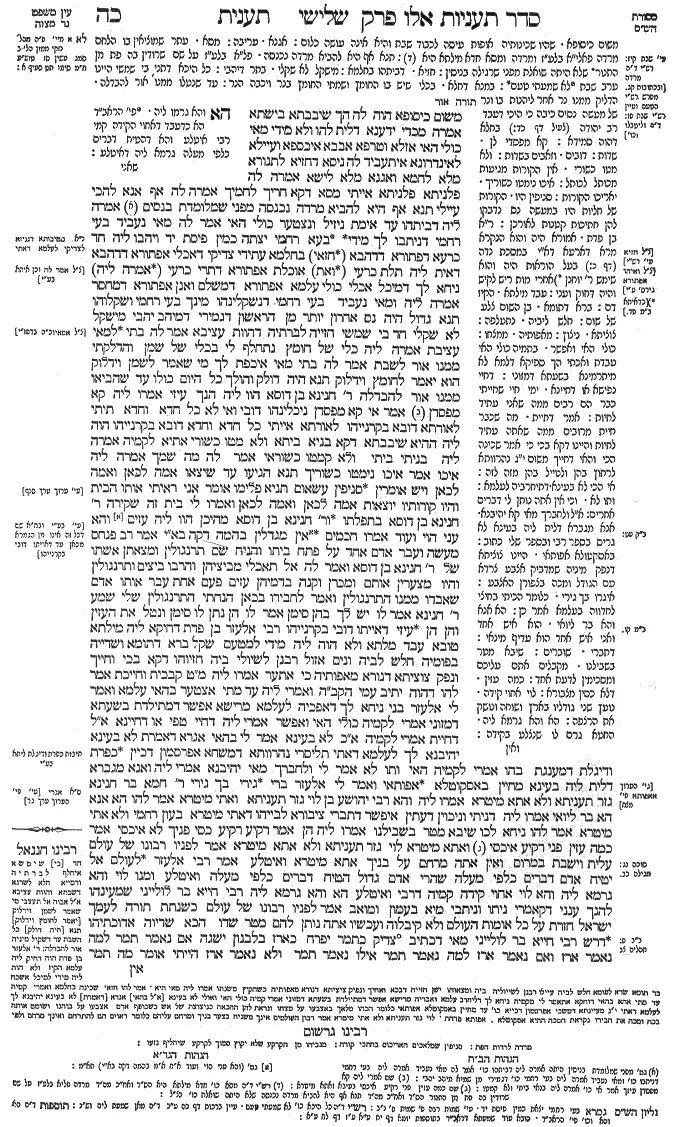
Ta'anit 25a - Guemara
משום כיסופא הוה לה הך שיבבתא בישתא אמרה מכדי ידענא דלית להו ולא מידי מאי כולי האי אזלא וטרפא אבבא איכספא ועיילא לאינדרונא איתעביד לה ניסא דחזיא לתנורא מלא לחמא ואגנא מלא לישא אמרה לה פלניתא פלניתא אייתי מסא דקא חריך לחמיך אמרה לה אף אנא להכי עיילי תנא אף היא להביא מרדה נכנסה מפני שמלומדת בנסים אמרה ליה דביתהו עד אימת ניזיל ונצטער כולי האי אמר לה מאי נעביד בעי רחמי דניתבו לך מידי בעא רחמי יצתה כמין פיסת יד ויהבו ליה חד כרעא דפתורא דדהבא (חזאי) בחלמא עתידי צדיקי דאכלי אפתורא דדהבא דאית ליה תלת כרעי (ואת) אוכלת אפתורא דתרי כרעי (אמרה ליה) ניחא לך דמיכל אכלי כולי עלמא אפתורא דמשלם ואנן אפתורא דמחסר אמרה ליה ומאי נעביד בעי רחמי דנשקלינהו מינך בעי רחמי ושקלוהו תנא גדול היה נס אחרון יותר מן הראשון דגמירי דמיהב יהבי מישקל לא שקלי חד בי שמשי חזייה לברתיה דהוות עציבא אמר לה בתי למאי עציבת אמרה ליה כלי של חומץ נתחלף לי בכלי של שמן והדלקתי ממנו אור לשבת אמר לה בתי מאי איכפת לך מי שאמר לשמן וידלוק הוא יאמר לחומץ וידלוק תנא היה דולק והולך כל היום כולו עד שהביאו ממנו אור להבדלה ר' חנינא בן דוסא הוו ליה הנך עיזי אמרו ליה קא מפסדן אמר אי קא מפסדן ניכלינהו דובי ואי לא כל חדא וחדא תיתי לאורתא דובא בקרנייהו לאורתא אייתי כל חדא וחדא דובא בקרנייהו הוה ליה ההיא שיבבתא דקא בניא ביתא ולא מטו כשורי אתיא לקמיה אמרה ליה בניתי ביתי ולא קמטו כשוראי אמר לה מה שמך אמרה ליה איכו אמר איכו נימטו כשוריך תנא הגיעו עד שיצאו אמה לכאן ואמה לכאן ויש אומרין סניפין עשאום תניא פלימו אומר אני ראיתי אותו הבית והיו קורותיו יוצאות אמה לכאן ואמה לכאן ואמרו לי בית זה שקירה ר' חנינא בן דוסא בתפלתו ור' חנינא בן דוסא מהיכן הוו ליה עזים והא עני הוי ועוד אמרו חכמים אין מגדלין בהמה דקה בא"י אמר רב פנחס מעשה ועבר אדם אחד על פתח ביתו והניח שם תרנגולין ומצאתן אשתו של ר' חנינא בן דוסא ואמר לה אל תאכלי מביציהן והרבו ביצים ותרנגולין והיו מצערין אותם ומכרן וקנה בדמיהן עזים פעם אחת עבר אותו אדם שאבדו ממנו התרנגולין ואמר לחבירו בכאן הנחתי התרנגולין שלי שמע ר' חנינא אמר לו יש לך בהן סימן אמר לו הן נתן לו סימן ונטל את העזין והן הן עיזי דאייתו דובי בקרנייהו רבי אלעזר בן פדת דחיקא ליה מילתא טובא עבד מלתא ולא הוה ליה מידי למטעם שקל ברא דתומא ושדייה בפומיה חלש לביה ונים אזול רבנן לשיולי ביה חזיוהו דקא בכי וחייך ונפק צוציתא דנורא מאפותיה כי אתער אמרו ליה מ"ט קבכית וחייכת אמר להו דהוה יתיב עמי הקב"ה ואמרי ליה עד מתי אצטער בהאי עלמא ואמר לי אלעזר בני ניחא לך דאפכיה לעלמא מרישא אפשר דמתילדת בשעתא דמזוני אמרי לקמיה כולי האי ואפשר אמרי ליה דחיי טפי או דחיינא א"ל דחיית אמרי לקמיה א"כ לא בעינא אמר לי בהאי אגרא דאמרת לא בעינא יהיבנא לך לעלמא דאתי תליסרי נהרוותא דמשחא אפרסמון דכיין כפרת ודיגלת דמענגת בהו אמרי לקמיה האי ותו לא אמר לי ולחברך מאי יהיבנא אמרי ליה ואנא מגברא דלית ליה בעינא מחיין באסקוטלא אפותאי ואמר לי אלעזר ברי גירי בך גירי ר' חמא בר חנינא גזר תעניתא ולא אתא מיטרא אמרו ליה והא רבי יהושע בן לוי גזר תעניתא ואתי מיטרא אמר להו הא אנא הא בר ליואי אמרו ליה דניתי וניכוין דעתין איפשר דתברי ציבורא לבייהו דאתי מיטרא בעון רחמי ולא אתי מיטרא אמר להו ניחא לכו שיבא מטר בשבילנו אמרו ליה הן אמר רקיע רקיע כסי פניך לא איכסי אמר כמה עזין פני רקיע איכסי ואתא מיטרא לוי גזר תעניתא ולא אתא מיטרא אמר לפניו רבונו של עולם עלית וישבת במרום ואין אתה מרחם על בניך אתא מיטרא ואיטלע אמר רבי אלעזר לעולם אל יטיח אדם דברים כלפי מעלה שהרי אדם גדול הטיח דברים כלפי מעלה ואיטלע ומנו לוי והא גרמא ליה והא לוי אחוי קידה קמיה דרבי ואיטלע הא והא גרמא ליה רבי חייא בר לולייני שמעינהו להנך ענני דקאמרי ניתו וניתבי מיא בעמון ומואב אמר לפניו רבונו של עולם כשנתת תורה לעמך ישראל חזרת על כל אומות העולם ולא קיבלוה ועכשיו אתה נותן להם מטר שדו הכא שדיוה אדוכתיהו דרש רבי חייא בר לולייני מאי דכתיב (תהלים צב, יג) צדיק כתמר יפרח כארז בלבנון ישגה אם נאמר תמר למה נאמר ארז ואם נאמר ארז למה נאמר תמר אילו נאמר תמר ולא נאמר ארז הייתי אומר מה תמר
Comments from Rashi on Masechet Ta'anit Page 25a
משום כיסופא . שהיו שכינותיה אופות עיסה לכבוד שבת והיא אינה עושה כלום: אגנא . עריבה: מסא . עתר שמוציאין בו הלחם מרדה פאלי"א בלע"ז ומרדה ומסא חדא מילתא היא: תנא אף היא להביא מרדה נכנסה . פל"א בלע"ז על שם שרודין בה פת מן התנור שלא היתה שואלת מפני שרגילה בניסין: חזיא . דביתהו בחלמא: מישקל לא שקלי . בתר דיהבי: כל היכא דתני בי שמשי היינו ערב שבת לא שמעתי טעם: במנא דחלא . בכלי שיש בו החומץ ושמתי החומץ בנר ויכבה הנר: עד שנטלו ממנו אור להבדלה . הדליק ממנו נר אחר ליהנות בו ונר של מעשה נסים כיבה כי היכי דעבד רב יהודה (לעיל תענית דף כד:) בחלא דהוה סמידא: קא מפסדי לן . שדות: דובים . וזאבים בשדות: ולא מטו כשורי . אין הקורות מגיעות מכותל לכותל: איכו נימטו כשוריך . יאריכו הקורות: סניפין היו . הקורות של חליות היו במעשה נס נדבקו להן חתיכות קטנות לאורכן: ר"א בן פדת . אמורא היה והוא הנקרא מרא דארעא דא"י במסכת נדה (דף כ:) בעל הוראות היה והוא שימש רבי יוחנן אחרי מות ריש לקיש והיה דחוק ועני: עבד מילתא . הקיז דם: ברא דתומא . בן השום צלע של שום: חלש ליביה . נתעלפה: צוציתא . ניצוץ: מאפותיה . ממצחו: כולי האי ואפשר . בתמיה כולי האי עבדת ואכתי הך ספיקא דלמא לא מיתרמינא בשעתא דמזוני: דחיי נפישא או דחיינא . ימי חיי שחייתי כבר הם רבים ממה שאני עתיד לחיות: אמר דחיית . מה שכבר חיית מרובים ממה שאתה עתיד לחיות והיינו דקא בכי כי אמר שכינה הכי והאי דחייך משום י"ג נהרוותא לרחוץ בהן ולטייל בהן מזה לזה: אי הכי לא בעינא . דתיחרביה לעלמא: ותו לא . וכי אין אתה נותן לי דברים אחרים: א"ל ולחברך מאי קא יהבינא . אנא מגברא דלית ליה בעינא לא גריס בספר רבי ובספר שלי כתוב: באסקטולא אפותאי . היינו צוציתא דנפק מיניה שמדביק אצבע צרדא עם הגודל ומכה בצפורן האצבע: איגרו בך גירי . כלומר הכיתי בחיצי לחדווה בעלמא אמר כן: הא אנא והא בר ליואי . הוא איש אחד ואני איש אחד הוא עדיף מינאי: דתברי . שוברים: שיבא מטר בשבילנו . מקבלים אתם עליכם ומסכימין לדעת אחד: כמה עזין . דלא כסין מצבורא: לוי אחוי קידה . נועץ שני גודליו בארץ ושוחה ונושק את הרצפה: הא והא גרמא ליה . החטא גרם לו שנצלע בקידה:
Comments from Tosafot - Ta'anit 25a
הא והא גרמו ליה. פי' הראב"ד הא כדעבד דאחוי הקידה קמי רבי איטלע והא דהטיח דברים כלפי מעלה גרמא ליה דאיטלע:
Ta'anit 25a - Mishnah translated into english
due to embarrassment, to make it appear that she was baking, despite the fact that there was no bread in her house. She had a certain evil neighbor who said to herself: Now, I know that they have nothing. What, then, is all this smoke? She went and knocked on the door to find out what was in the oven. Rabbi Ḥanina ben Dosa’s wife was embarrassed, and she ascended to an inner room [inderona].
A miracle was performed for Rabbi Ḥanina ben Dosa’s wife, as her neighbor saw the oven filled with bread and the kneading basin filled with dough. She said to Rabbi Ḥanina’s wife, calling her by name: So-and-so, so-and-so, bring a shovel, as your bread is burning. She said to her neighbor: I too went inside for that very purpose. A tanna taught: She too had entered the inner room to bring a shovel, because she was accustomed to miracles and anticipated that one would occur to spare her embarrassment.
The Gemara further relates: Rabbi Ḥanina’s wife said to him: Until when will we continue to suffer this poverty? He said to her: What can we do? She responded: Pray for mercy that something will be given to you from Heaven. He prayed for mercy and something like the palm of a hand emerged and gave him one leg of a golden table. That night, his wife saw in a dream that in the future, i.e., in the World-to-Come, the righteous will eat at a golden table that has three legs, but she will be eating on a table that has two legs.
When she told her husband this story, he said to her: Are you content that everyone will eat at a complete table and we will eat at a defective table? She said to him: But what can we do? Pray for mercy, that the leg of the golden table should be taken from you. He prayed for mercy, and it was taken from him. A tanna taught in a baraita: The last miracle was greater than the first, as it is learned as a tradition that Heaven gives but does not take back.
The Gemara relates that one Shabbat evening, Rabbi Ḥanina ben Dosa saw that his daughter was sad. He said to her: My daughter, why are you sad? She said to him: I confused a vessel of vinegar for a vessel of oil and I lit the Shabbat lamp with vinegar. Soon the lamp will be extinguished and we will be left in the dark. He said to her: My daughter, what are you concerned about? He Who said to the oil that it should burn can say to the vinegar that it should burn. A tanna taught: That lamp burned continuously the entire day, until they brought from it light for havdala.
Rabbi Ḥanina ben Dosa had some goats. His neighbors said to him: Your goats are damaging our property by eating in our fields. He said to them: If they are causing damage, let them be eaten by bears. But if they are not eating your property, let each of them, this evening, bring a bear impaled between its horns. That evening, each one brought in a bear impaled between its horns.
Rabbi Ḥanina ben Dosa had a certain neighbor who was building a house, but the ceiling beams were not long enough to reach from one wall to the other. She came before Rabbi Ḥanina ben Dosa and said to him: I built my house, but my ceiling beams do not reach the walls. He said to her: What is your name? She said to him: My name is Ikku. He said: If so [ikku], may your beams reach your walls.
A tanna taught: The beams were lengthened to such an extent that they not only reached the walls, but they continued until they jutted out a cubit from this side and a cubit from that side. And some say that they extended with segments [senifin], adding new walls at both ends of the beams. It is taught in a baraita that the Sage Palaimo says: I saw that house, and its beams jutted out a cubit on this side and a cubit on that side. And they said to me: This is the house that Rabbi Ḥanina ben Dosa roofed by means of his prayer.
The Gemara asks a question about one of the details of this story. And Rabbi Ḥanina ben Dosa, from where did he have goats? Wasn’t he poor, as stated above? And furthermore, the Sages have said: One may not raise small, domesticated animals in Eretz Yisrael, as they destroy the fields and property of others. How, then, could Rabbi Ḥanina ben Dosa raise goats? Rav Pineḥas said that this is how it came to pass: An incident occurred in which a certain man passed by the entrance of Rabbi Ḥanina’s house and left chickens there. And Rabbi Ḥanina ben Dosa’s wife found them and cared for them.
And Rabbi Ḥanina said her: Do not eat of their eggs, as they are not ours. And the chickens laid many eggs, and chickens hatched from the eggs. And as the noise and mess of the chickens were distressing them, they sold them and bought goats with their proceeds. Once that same man who lost the chickens passed by and said to his companion: Here is where I left my chickens. Rabbi Ḥanina heard this and said to him: Do you have a sign by which to identify them? He said to him: Yes. He gave him the sign and took the goats. The Gemara concludes: And these are the very goats that brought bears impaled between their horns.
§ The Gemara relates more stories of desperately poor righteous individuals. Rabbi Elazar ben Pedat was hard-pressed for money. Once an act of bloodletting was performed on him, but he did not have anything to taste afterward. He took a clove of garlic and put it in his mouth. His heart became weak and he fell asleep. The Sages came to inquire about his welfare. They saw him weeping and laughing, and a ray of light was shining from his forehead.
When he awoke they said to him: What is the reason that you were laughing and crying? He said to them: The reason is that in my dream the Holy One, Blessed be He, was sitting with me, and I said to Him: Until when will I suffer such poverty in this world? And He said to me: Elazar, My son, is it more convenient for you that I return the world to its very beginning? Perhaps you will be born in an hour of sustenance and not be poor.
I said before Him: You suggest doing all this, to return the world to its beginning, and even then is it only a possibility that things will be different, not a certainty? I said to Him: Are the years that I have already lived more numerous, or are that I will live more numerous? He said to me: Those years that you have lived are greater. I said before Him: If so, I do not want You to recreate the world for the sake of a brief few years.
He said to me: As a reward for saying: I do not want, I will give you in the World-to-Come thirteen rivers of pure balsam oil as large as the Euphrates and the Tigris for you to enjoy. I said before Him: This and no more? He said to me: But if I give you more, what will I give to your colleagues? I said to Him: And do I request this from a person, who does not have enough? You are omnipotent. He playfully snapped His finger [askutla] on my forehead and said to me: Elazar, my son, My arrows I cast upon you, My arrows. This touch caused the ray of light to shine from his forehead.
The Gemara returns to the topic of fasting for rain. Rabbi Ḥama bar Ḥanina decreed a fast but rain did not come. They said to him: Didn’t Rabbi Yehoshua ben Levi decree a fast and rain came? He said to them: This is I; this is a son of a Levite, i.e., we are two different people of unequal stature. They said to him: Let us come and focus our minds. Perhaps the hearts of the members of the community will break and rain will come. They prayed for mercy, but rain did not come.
Rabbi Ḥama bar Ḥanina said to them: Are you content that rain should come on our account, and through our merit? They said to him: Yes. He said: Skies, skies, cover your face with clouds. The sky was not covered with clouds. He said in rebuke: How impudent is the face of the sky, to ignore me. The sky became covered with clouds and rain came.
The Gemara relates a similar story. Levi decreed a fast but rain did not come. He said before God: Master of the Universe, You have ascended and sat up high, and You do not have mercy upon Your children. Rain came, but as a punishment for his harsh statement toward God, Levi became lame. Consequently, Rav Elazar said: A person should never cast harsh statements toward God on High, as a great person cast statements toward God on High, and he became lame. And who was this individual? Levi.
The Gemara asks: And did this comment of Levi’s cause him to become lame? But it is stated that Levi demonstrated kidda, a particular type of bowing on one’s face, performed by the High Priest, before Rabbi Yehuda HaNasi, and he became lame as a result (see Megilla 22b). The Gemara explains: Both this and that caused his lameness. As a punishment for acting improperly, he suffered an injury while he was attempting a difficult physical feat and was vulnerable.
The Gemara relates: Rabbi Ḥiyya bar Lulyani heard these clouds saying to one another, let us go and bring water for Ammon and Moab in Transjordan. He said before God: Master of the Universe, when You gave Your Torah to Your nation Israel, You approached all the nations of the world to see if they would accept the Torah, and they did not accept it. And yet now You are giving them rain. Throw the water here. The clouds threw the rain in their place in Eretz Yisrael.
Since the Gemara has mentioned Rabbi Ḥiyya bar Lulyani, it cites a statement in his name. Rabbi Ḥiyya bar Lulyani taught: What is the meaning of that which is written: “The righteous shall flourish like the palm tree; he shall grow like a cedar in Lebanon” (Psalms 92:13)? If it is stated “palm tree” why does it state “cedar,” and if it is stated “cedar” why does it state “palm tree”? What is added by this double comparison? He explains: Were it stated “palm tree” and were it not stated “cedar,” I would say that just as in the case of a palm tree,
Traduction : The William Davidson digital edition of the Koren Noé Talmud, with commentary by Rabbi Adin Even-Israel Steinsaltz.