 Talmud Bavli
The learning on the whole site is dedicated : L'ilui Nishmat Avraham Ben Simha
The learning on the whole site is dedicated : L'ilui Nishmat Jacques Isaac Ben Amram Loubaton
The learning on the whole site is dedicated : L'ilui Nishmat אסתר בת חיים
Ta'anit 27b : Youtube
Daf TubeYoutube
4 video classes :
Ta'anit Page 27b
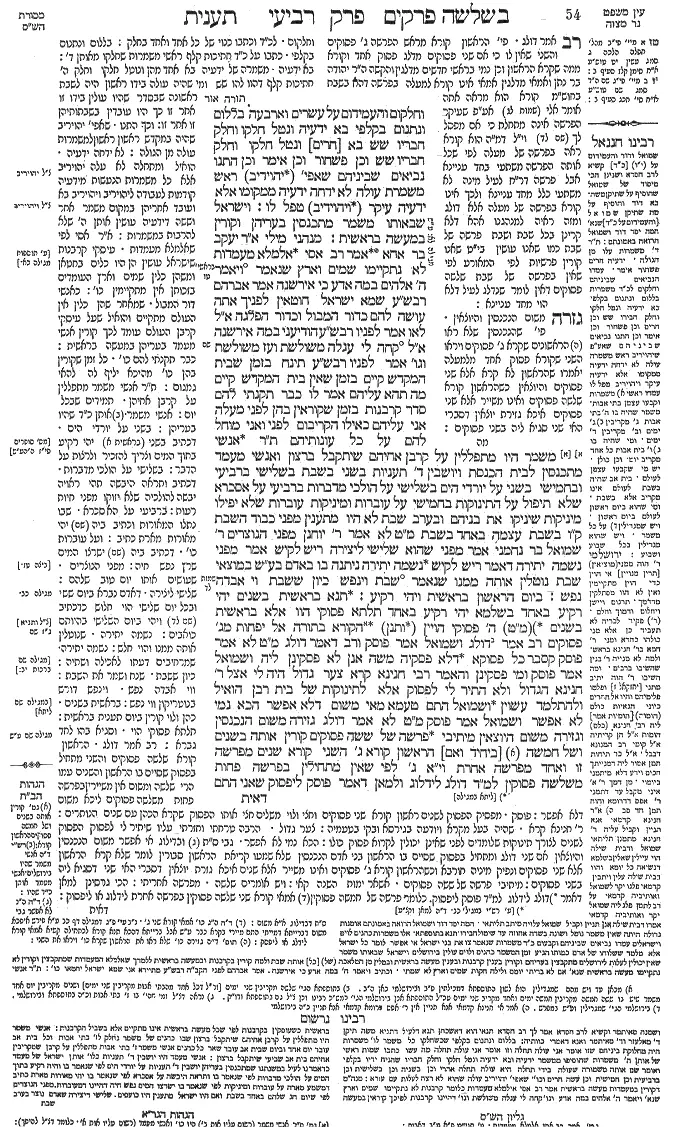
Ta'anit 27b - Guemara
וחלקום והעמידום על עשרים וארבעה בללום ונתנום בקלפי בא ידעיה ונטל חלקו וחלק חבריו שש בא [חרים] ונטל חלקו וחלק חבריו שש וכן פשחור וכן אימר וכן התנו נביאים שביניהם שאפי' (יהוידיב) ראש משמרת עולה לא ידחה ידעיה ממקומו אלא ידעיה עיקר (ויהוידיב) טפל לו:
וישראל שבאותו משמר מתכנסין בעריהן וקורין במעשה בראשית:
מנהני מילי א"ר יעקב בר אחא אמר רב אסי אלמלא מעמדות לא נתקיימו שמים וארץ שנאמר (בראשית טו, ב) ויאמר ה' אלהים במה אדע כי אירשנה אמר אברהם רבש"ע שמא ישראל חוטאין לפניך אתה עושה להם כדור המבול וכדור הפלגה א"ל לאו אמר לפניו רבש"ע הודיעני במה אירשנה א"ל (בראשית טו, ט) קחה לי עגלה משולשת ועז משולשת וגו' אמר לפניו רבש"ע תינח בזמן שבית המקדש קיים בזמן שאין בית המקדש קיים מה תהא עליהם אמר לו כבר תקנתי להם סדר קרבנות בזמן שקוראין בהן לפני מעלה אני עליהם כאילו הקריבום לפני ואני מוחל להם על כל עונותיהם ת"ר אנשי משמר היו מתפללין על קרבן אחיהם שיתקבל ברצון ואנשי מעמד מתכנסין לבית הכנסת ויושבין ד' תעניות בשני בשבת בשלישי ברביעי ובחמישי בשני על יורדי הים בשלישי על הולכי מדברות ברביעי על אסכרא שלא תיפול על התינוקות בחמישי על עוברות ומיניקות עוברות שלא יפילו מיניקות שיניקו את בניהם ובערב שבת לא היו מתענין מפני כבוד השבת ק"ו בשבת עצמה באחד בשבת מ"ט לא אמר ר' יוחנן מפני הנוצרים ר' שמואל בר נחמני אמר מפני שהוא שלישי ליצירה ריש לקיש אמר מפני נשמה יתירה דאמר ריש לקיש נשמה יתירה ניתנה בו באדם בע"ש במוצאי שבת נוטלין אותה ממנו שנאמר (שמות לא, יז) שבת וינפש כיון ששבת וי אבדה נפש:
ביום הראשון בראשית ויהי רקיע:
תנא בראשית בשנים יהי רקיע באחד בשלמא יהי רקיע באחד תלתא פסוקי הוו אלא בראשית בשנים (מ"ט) ה' פסוקי הויין (ותנן) הקורא בתורה אל יפחות מג' פסוקים רב אמר דולג ושמואל אמר פוסק ורב דאמר דולג מ"ט לא אמר פוסק קסבר כל פסוקא דלא פסקיה משה אנן לא פסקינן ליה ושמואל אמר פוסק ומי פסקינן והאמר רבי חנינא קרא צער גדול היה לי אצל ר' חנינא הגדול ולא התיר לי לפסוק אלא לתינוקות של בית רבן הואיל ולהתלמד עשוין ושמואל התם טעמא מאי משום דלא אפשר הכא נמי לא אפשר ושמואל אמר פוסק מ"ט לא אמר דולג גזירה משום הנכנסין וגזירה משום היוצאין מיתיבי פרשה של ששה פסוקים קורין אותה בשנים ושל חמשה [ביחיד ואם] הראשון קורא ג' השני קורא שנים מפרשה זו ואחד מפרשה אחרת וי"א ג' לפי שאין מתחילין בפרשה פחות משלשה פסוקין למ"ד דולג לידלוג ולמאן דאמר פוסק ליפסוק שאני התם
Comments from Rashi on Masechet Ta'anit Page 27b
וחלקום . לכ"ד וכתבו כנוי של כל אחד ואחד בחלק: בללום ונתנום בקלפי . כתבו על כ"ד חתיכות קלף ראשי משמרות שחלקו מאותן ד': בא ידעיה . משמרה של ידעיה בא אחד מהן ונוטל חלקו וחלק ה' חתיכות קלף דהוו להו שש ומי שהיה עולה בידו ראשון היה לשבת ראשונה שבסדר שהיו עולין בידו זו אחר זו כך היו עובדין בשבתותיהן זו אחר זו: וכך התנו . שאפי' יהויריב שהיה במקדש ראשון ראשון למשמרות עולה מן הגולה: לא ידחה ידעיה . הואיל ומתחלה לא עלה יהויריב אלא כל משמרות הנעשות מידעיה קודמות לעבודה ליהויריב ויהויריב בא ועובד אחריהן במקום משמר אחר וששה דידעיה עושין אותן ה' שלא להרבות במשמרות: א"ר אסי לפי שאלמלא מעמדות . עיסקי קרבנות שישראל עושין הן היו כלים בחטאן ומשהן כלין שמים וארץ העומדים בזכותן אין מתקיימין כו': א"ר אסי לפי שאלמלא מעמדות . עיסקי קרבנות שישראל עושין הן היו כלים בחטאן ומשהן כלין שמים וארץ העומדים בזכותן אין מתקיימין כו': כאנשי דור המבול . שמאחר שהן כלין אין העולם מתקיים והואיל שעל עיסקי קרבן העולם עומד לכך קורין אנשי מעמד בעריהן במעשה בראשית: כבר תקנתי להם כו' . כל זמן שקורין בהן כו' מהיכא יליף לה להאי גמגום: ת"ר אנשי משמר מתפללין על קרבן אחיהן . תמידים שבכל יום: אנשי משמר . אותן כ"ד שהיו בעריהן: בשני על יורדי הים . דכתיב בשני (בראשית א) יהי רקיע בתוך המים וצריך להזכיר ולרצות על הדבר: בשלישי על הולכי מדברות . דכתיב ותראה היבשה תהי ראויה יבשה להולכיה שלא יזוקו מפני חיות רעות: ברביעי על האסכרא . שבו נתלו המאורות וכתיב ביה (שם) יהי מאורות מארת כתיב: ועל עוברות כו' . דכתיב ביה (שם) ישרצו המים שרץ נפש חיה: מפני הנוצרים . שעושים אותו יום טוב שלהם: שלישי ליצירה . דאדם נברא ביום ששי ובכל יום שלישי הוי חלוש כדכתיב (שם לד) ויהי ביום השלישי בהיותם כואבים: נשמה יתירה . שנוטלין אותה ממנו והוי חלש: נשמה יתירה . שמרחיבים דעתו לאכילה ושתיה: כיון ששבת . שנח ושמר את השבת: ווי אבדה נפש . וינפש דורש בנוטריקון ווי נפש: בראשית בשנים . כהן ולוי קורין ביום תענית בראשית: תלתא פסוקי הווי . וסגיא בהו לחד גברא: רב אמר דולג . הראשון קורא שלשה פסוקים והשני מתחיל בפסוק שסיים בו הראשון והשנים עמו הרי שלשה ומשום אין משיירין בפרשה פחות משלשה פסוקים ליכא משום דלא אפשר: פוסק . מפסיק הפסוק לשנים ראשון קורא שני פסוקים וחצי ולוי משלים חצי אותו הפסוק שקרא הכהן עם שנים הנותרים: ר' חנינא קרא . שהיה בעל מקרא ויודעה בגירסא ובקי בטעמיה: צער גדול . הרבה טרחתי וחזרתי עליו שיתיר לי לפסוק הפסוק לשנים לצורך תינוקות שלומדים לפני שאינן יכולין לקרוא פסוק כולו: הכי נמי לא אפשר . גבי ס"ת ובדילוג אי אפשר משום הנכנסין והיוצאין אם שני דולג ומתחיל בפסוק שסיים בו הראשון בני אדם הנכנסין שלא שמעו קריאת הראשון סבורין לומר שלא קרא הראשון אלא שני פסוקים ונפיק מיניה חורבא וכשהראשון קורא ג' פסוקים ואינו משייר אלא שנים איכא גזרת יוצאין דסברי האי שני דסגיא ליה בשני פסוקים: מיתיבי פרשה של ששה פסוקים . אשאר ימות השנה קאי: מיתיבי פרשה של ששה פסוקים . אשאר ימות השנה קאי: ויש אומרים שלשה . מפרשה אחריתי: הכי גרסינן למאן דאמר דולג לידלוג למ"ד פוסק ליפסוק . כלומר פרשה של חמשה פסוקין אמאי קורא שני שלשה פסוקין בפרשה אחרת לידלוג או ליפסוק:
Comments from Tosafot - Ta'anit 27b
רב אמר דולג. פי' הראשון קורא מראש הפרשה ג' פסוקים והשני שאין לו כי אם שני פסוקים מדלג פסוק אחד וקורא ממה שקרא הראשון וכן נמי בראשי חדשים מדלגין והקשה ה"ר יהודה בר נתן ואמאי מדלגין אמאי אינו קורא למעלה בפרשה דהא בשבת בחוש"מ קורא הוא מראה אתה אומר אלי (שמות לג) אע"פ שעיקר הפרשה אינה מתחלת כי אם מפסל לך (שם לד) וי"ל דמ"ה הוא קורא ראה בפרשה של מעלה לפי שכל אותה הפרשה משתעי בחד עניינא אבל פרשה דר"ח לעיל מינה לא משתעי כלל מחד עניינא ולכך אינו קורא בפרשה של מעלה אלא דולג ומזה ראיה למנהגנו אהא דלא קרינן בכל שבת ושבת פרשה של שבת כמו שאנו עושין בי"ט שאנו קורין פרשיות לפי המאורע לפי שאין בפרשה של שבת שלשה פסוקים דאין לומר שנדלג לעיל דלא הוי מחד עניינא: גזרה משום הנכנסין והיוצאין. פי' שהנכנסין שלא ראו הראשונים שקרא ג' פסוקים ויראו השני שקורא פסוק אחד מלמעלה יאמרו שהראשון לא קרא אלא שני פסוקים והיוצאין כשהראשון קורא שלשה פסוקים ואינו משייר אלא שני פסוקים איכא גזירת יוצאין דסברי האי שני סגיא ליה בשני פסוקים:
Ta'anit 27b - Mishnah translated into english
and divided them and established them as twenty-four watches. They achieved this by writing the names of these new twenty-four watches on pieces of paper, mixing them up, and putting them in a receptacle [kalfei] from which lots were drawn. A representative from the family of Jedaiah came and drew his portion and the lot of five other watches, for a total of six. Harim came and also drew his portion and the lot of five other watches, a total of six. And likewise Pashhur, and likewise Immer.
And likewise the prophets among them stipulated that even if the descendants of Jehoiarib, who originally headed the priestly watches, ascended to Eretz Yisrael, Jedaiah would not be demoted from its place as the first of the watches. Rather, the watch of Jedaiah would retain precedence, and Jehoiarib would be subordinate to it.
§ The mishna taught: And the Israelites of that priestly watch assembled in their towns and read the act of Creation. The Gemara asks: From where is this matter, that they must read this specific portion, derived? Rabbi Ya’akov bar Aḥa said that Rav Asi said: Were it not for the non-priestly watches and the Temple service, heaven and earth would not continue to exist, as it is stated: “And he said: Lord God, by what shall I know that I shall inherit it?” (Genesis 15:8).
The Gemara explains this verse. Abraham said: Master of the Universe, perhaps the Jews will sin before You. Will You treat them as You did the generation of the flood and the generation of the dispersion, and destroy them? God said to him: No. Abraham said before God: Master of the Universe, tell me, with what shall I inherit it? How can my descendants ensure that You will maintain the world? God said to Abraham: “Take for Me a three-year-old heifer, and a three-year-old goat, and a three-year-old ram, and a turtledove, and a young pigeon” (Genesis 15:9). God was alluding to the offerings, in whose merit the Jewish people, and through them the entire world, will be spared divine punishment.
Abraham said before God: Master of the Universe, this works out well when the Temple is standing, but when the Temple is not standing, what will become of them? God said to him: I have already enacted for them the order of offerings. When they read them before Me, I will ascribe them credit as though they had sacrificed them before Me and I will pardon them for all their transgressions. Since the offerings ensure the continued existence of the Jewish people and the rest of the world, the act of Creation is read in their honor.
§ The Sages taught: The members of the priestly watch would pray for the offerings of their brothers, the daily offering, that it should be accepted with favor. And meanwhile, the members of the non-priestly watch remained in their towns and would assemble in the synagogue and observe four fasts: On Monday of that week, on Tuesday, on Wednesday, and on Thursday. On Monday they would fast for seafarers, that they should be rescued from danger, as the sea was created on Monday. On Tuesday they would fast for those who walk in the desert, as the dry land was created on Tuesday.
On Wednesday they would fast over croup, that it should not befall the children, as on the fourth day the bodies of light [me’orot] were created, a textual allusion to curses [me’erot]. On Thursday they would fast for pregnant women and nursing women, as living beings were first created on this day. For pregnant women they would fast that they should not miscarry, while for nursing women they would fast that they should be able to nurse their children properly. And on Shabbat eve they would not fast, in deference to Shabbat, and a fortiori they would not fast on Shabbat itself.
The Gemara asks: What is the reason that they would not fast on Sunday? Rabbi Yoḥanan said: Due to the Christians, as Sunday is their day of rest, and they would claim that even the Jews ascribe significance to their special day. Rabbi Shmuel bar Naḥmani said: Because it is the third day after the creation of man, who was created on Friday, and the third day of recovery from a wound or sickness, in this case one’s very creation, is considered the most painful.
Reish Lakish said: They would not fast on Sunday due to the added soul, as Reish Lakish said: An added soul is given to man on Shabbat eve, and at the conclusion of Shabbat it is removed it from him, as it is stated: “He ceased from work and rested [vayinafash]” (Exodus 31:17), which he expounds as follows: Since one has rested and Shabbat has passed, woe for the soul [vai nefesh] that is lost, the added soul that each individual relinquishes. Consequently, one is still weak from this loss on Sunday.
The mishna taught that on Sunday they would read the portions starting with: “In the beginning” (Genesis 1:1–5) and “Let there be a firmament” (Genesis 1:6–8). It is taught in a baraita: The section: “In the beginning” is read by two people, while “Let there be a firmament” is read by one. The Gemara asks: Granted, the passage “Let there be a firmament” is read by one individual, as it is three verses long, and one who is called to the Torah reads at least three verses. However, what is the reason that the section “In the beginning” is read by two individuals? It is five verses long, and it is taught in a mishna (Megilla 22a): One who reads from the Torah may not read fewer than three verses. How, then, are five verses read by two individuals?
The Gemara cites two answers. Rav said: The first reader reads the first three verses, and the second reader repeats the last verse read by the first, and continues with the final two verses. And Shmuel said: They split the middle verse into two, so that each of the pair reads half of it. The Gemara asks: And with regard to Rav, who said that one repeats, what is the reason that he did not say they should split a verse? The Gemara answers that Rav maintains that with regard to any verse that was not divided by Moses, we do not divide it.
And Shmuel said that one splits the middle verse into two. The Gemara asks: And may one split a single verse? But didn’t Rabbi Ḥanina Kara, the Bible expert, who taught the Bible to schoolchildren, say: I had great trouble with Rabbi Ḥanina the Great when I asked him this question, and he permitted me to split long verses into two only for the benefit of schoolchildren, since it is performed to help them learn. And Shmuel can respond that what is the reason there, in the case of schoolchildren, that it is permitted to split verses? Because it is not possible to proceed in any other way. Here too, it is not possible for two people to read five verses other than by splitting one of them into two.
The Gemara questions this last conclusion. And Shmuel said that one splits the middle verse into two. What is the reason that he did not say that he repeats one of the verses, in accordance with the opinion of Rav? The Gemara explains: It is a rabbinic decree due to those who enter the synagogue in the middle of the reading, and a decree due to those who leave in the middle. If someone entered or exited in the middle of the reading and heard three full verses, he might think that one of the readers had read fewer than three full verses, which might lead him to conclude that it is permitted to read fewer than three verses.
The Gemara raises an objection from a baraita: A chapter consisting of six verses may be read by two individuals, and a chapter of five verses must be read by one. And if the first individual reads three verses from the five-verse chapter, the second one reads the last two verses of that chapter and one more from another chapter. And some say that three verses are read from the next chapter, as one may not begin to read a chapter for fewer than three verses.
The Gemara explains the objection: According to the one who said that they repeat the middle verse, let the second reader repeat a verse here as well. And according to the one who said that they split a verse, here too, let them split it. Apparently, the baraita contradicts the opinions of both Rav and Shmuel. The Gemara answers: It is different there,
Traduction : The William Davidson digital edition of the Koren Noé Talmud, with commentary by Rabbi Adin Even-Israel Steinsaltz.