 Talmud Bavli
The learning on the whole site is dedicated : L'ilui Nishmat Margalit bat Ledicia
The learning on the whole site is dedicated : L'ilui Nishmat Jamila bat Chlomo Abensour
The learning on the whole site is dedicated : L'ilui Nishmat Reuven ben Rivka SEBBAG
Ta'anit 13b : Youtube
Daf TubeYoutube
4 video classes :
Ta'anit Page 13b
Ta'anit 13b - Guemara
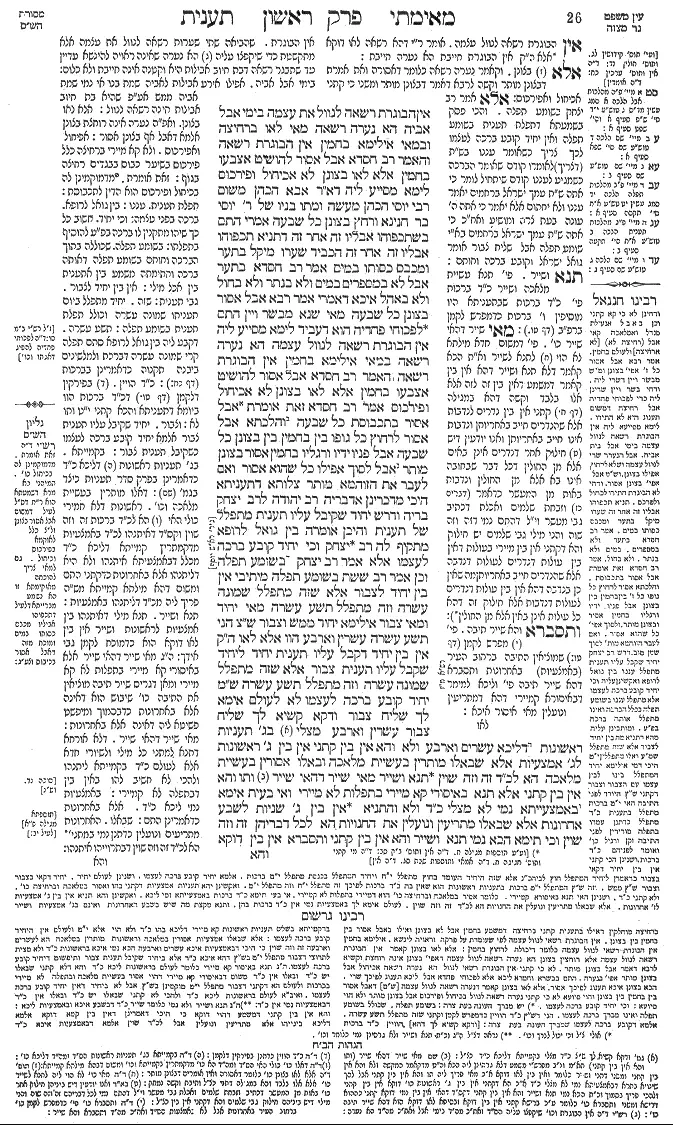
אין הבוגרת רשאה לנוול את עצמה בימי אבל אביה הא נערה רשאה מאי לאו ברחיצה ובמאי אילימא בחמין אין הבוגרת רשאה והאמר רב חסדא אבל אסור להושיט אצבעו בחמין אלא לאו בצונן לא אכיחול ופירכוס לימא מסייע ליה דא"ר אבא הכהן משום רבי יוסי הכהן מעשה ומתו בניו של ר' יוסי בר חנינא ורחץ בצונן כל שבעה אמרי התם בשתכפוהו אבליו זה אחר זה דתניא תכפוהו אבליו זה אחר זה הכביד שערו מיקל בתער ומכבס כסותו במים אמר רב חסדא בתער אבל לא במספרים במים ולא בנתר ולא בחול ולא באהל איכא דאמרי אמר רבא אבל אסור בצונן כל שבעה מאי שנא מבשר ויין התם לפכוחי פחדיה הוא דעביד לימא מסייע ליה אין הבוגרת רשאה לנוול עצמה הא נערה רשאה במאי אילימא בחמין אין הבוגרת רשאה והאמר רב חסדא אבל אסור להושיט אצבעו בחמין אלא לאו בצונן לא אכיחול ופירכוס אמר רב חסדא זאת אומרת אבל אסור בתכבוסת כל שבעה והלכתא אבל אסור לרחוץ כל גופו בין בחמין בין בצונן כל שבעה אבל פניו ידיו ורגליו בחמין אסור בצונן מותר אבל לסוך אפילו כל שהוא אסור ואם לעבר את הזוהמא מותר צלותא דתעניתא היכי מדכרינן אדבריה רב יהודה לרב יצחק בריה ודרש יחיד שקיבל עליו תענית מתפלל של תענית והיכן אומרה בין גואל לרופא מתקיף לה רב יצחק וכי יחיד קובע ברכה לעצמו אלא אמר רב יצחק בשומע תפלה וכן אמר רב ששת בשומע תפלה מיתיבי אין בין יחיד לצבור אלא שזה מתפלל שמונה עשרה וזה מתפלל תשע עשרה מאי יחיד ומאי צבור אילימא יחיד ממש וצבור ש"צ הני תשע עשרה עשרין וארבע הוו אלא לאו ה"ק אין בין יחיד דקבל עליו תענית יחיד ליחיד שקבל עליו תענית צבור אלא שזה מתפלל שמונה עשרה וזה מתפלל תשע עשרה ש"מ יחיד קובע ברכה לעצמו לא לעולם אימא לך שליח צבור ודקא קשיא לך שליח צבור עשרין וארבע מצלי בג' תעניות ראשונות דליכא עשרים וארבע ולא והא אין בין קתני אין בין ג' ראשונות לג' אמצעיות אלא שבאלו מותרין בעשיית מלאכה ובאלו אסורין בעשיית מלאכה הא לכ"ד זה וזה שוין תנא ושייר מאי שייר דהאי שייר ותו והא אין בין קתני אלא תנא באיסורי קא מיירי בתפלות לא מיירי ואי בעית אימא באמצעייתא נמי לא מצלי כ"ד ולא והתניא אין בין ג' שניות לשבע אחרונות אלא שבאלו מתריעין ונועלין את החנויות הא לכל דבריהן זה וזה שוין וכי תימא הכא נמי תנא ושייר והא אין בין קתני ותסברא אין בין דוקא
Comments from Rashi on Masechet Ta'anit Page 13b
אין הבוגרת . שהביאה שתי שערות רשאה לנוול את עצמה אלא מתקשטת כדי שיקפצו עליה הא נערה שאינה ראויה להינשא עדיין עד שתבגר רשאה דבת חיוב אבילות היא וקטנה אינה חייבת ולא כלום: בימי אבל אביה . אפילו אירע אבילות לאביה שמת בנו אי נמי שמת אביה ממש אע"פ שהיא בת חיוב אבילות אינה רשאה לנוול: אלא בצונן. וקאמר נערה רשאה כלומר דאסורה ואת אמרת דבצונן מותר וקשה לרבא דאמר דבצונן מותר ומשני כי קתני אכיחול ואפירכוס: אלא לאו בצונן . ואפ"ה נערה אינה רוחצת בצונן אלמא דאבל אף בצונן אסור: אכיחול ואפירכוס . ולא קא מיירי ברחיצה כלל פירכוס בשיער כבוס בבגדים רחיצה בגוף: זאת אומרת . מדמוקמינן לה בכיחול ופירכוס הוא הדין לתכבוסת: תפלת תענית . עננו: בין גואל לרופא . ברכה בפני עצמה: וכי יחיד . חשוב כל כך שיהו מתקנין לו ברכה בפ"ע להוסיף בתפלתו: בשומע תפלה . שכוללה בתוך הברכה וחותם בשומע תפלה דאותה ברכה וחתימתה משמע בין אתענית בין אכל מילי: אין בין יחיד לצבור . גבי תענית: שזה . יחיד מתפלל ביום תעניתו שמונה עשרה וכולל תפלת תענית בשומע תפלה: תשע עשרה . דקבע ליה בין גואל לרופא סתם תפלה קרי שמונה עשרה דברכת ולמלשינים ביבנה תקנוה כדאמרינן בברכות (דף כח:): וצבור . יחיד שקיבל עליו תענית צבור אלמא יחיד קובע ברכה לעצמו כשקיבל תענית צבור: כ"ד הויין . בפירקין דלקמן (תענית דף טו.) דכ"ד ברכות הוו ביומא דתעניתא והכא קתני י"ט ותו לא: וצבור . יחיד שקיבל עליו תענית צבור אלמא יחיד קובע ברכה לעצמו כשקיבל תענית צבור: בקמייתא . בג' תעניות ראשונות דליכא כ"ד כדאמרינן בפרק סדר תעניות כיצד בגמ' (שם): דאלו מותרין בעשיית מלאכה וכו' . ראשונות דלא חמירי כולי האי הא לכ"ד ברכות זה וזה שוין וקס"ד דאיתנהו לכ"ד באמצעיות מדקמתריץ קמייתא דליכא כ"ד מכלל דבאמצעיתא איתנהו ולא היא דליתנהו אלא באחרונות כדקתני התם ומשום דהא מילתא קמייתא מש"ה פריך ליה מכ"ד דליתנהו באמצעיות: תנא ושייר . תנא מילי דאיתנהו בין אמצעיות לראשונות ושייר אין בין לאו דוקא הוא כדמוכח לקמן גבי אידך: ה"ג מאי שייר דהאי שייר אלא באיסורי קא מיירי בתפלות לא קא מיירי ומאן דגריס שייר תיבה מוציאין את התיבה כו' שיבוש הוא דאינה אלא באחרונות כדבסמוך ומיפשט פשיטא ליה דאינה אלא באחרונות: מאי שייר דהאי שייר . דלא אורחא דתנא למתני כל מילי ולשיורי חדא אלא לעולם כ"ד בקמייתא ליתנהו ולהכי לא חשיב להו באין בין דבתפלה לא קמיירי: באמצעיות נמי ליכא כ"ד . אלא באחרונות כדאמרינן התם: שבאלו . האחרונות מתריעים ונועלין כדתנן נמי במתני' הא לכ"ד זה וזה שוין דבתרוייהו איתנהו: ותסברא והא שייר תיבה. פי' ... מפרש לקמן (תענית דף טו:) שמוציאין התיבה ברחוב העיר (באמצעיות) באחרונות ותסברא דהא שייר תיבה פי' וליכא למימר דבאיסורא קמיירי דהא דמתריעין ונועלין מאי איסור איכא:
Comments from Tosafot - Ta'anit 13b
אין הבוגרת רשאה לטול עצמה. אומר ר"י דהא רשאה לאו דוקא אלא ה"ק אין הבוגרת חייבת הא נערה חייבת: אלא בצונן. וקאמר נערה רשאה כלומר דאסורה ואת אמרת דבצונן מותר וקשה לרבא דאמר דבצונן מותר ומשני כי קתני אכיחול ואפירכוס: אלא אמר רב יצחק בשומע תפלה. והכי פסק בשמעתא דתפלת תענית בשומע תפלה ואין יחיד קובע ברכה לעצמו לכך צריך כשאומר עננו בש"ת (דצריך) לאומרו קודם שאומר הברכה כשמגיע לעננו קודם שיתחיל לומר כי אתה ש"ת עמך ישראל ברחמים יאמר עננו ולא יחתום אלא יאמר כי אתה ה' עונה בעת צרה ומושיע ואח"כ כי אתה ש"ת עמך ישראל ברחמים בא"י שומע תפלה אבל שליח צבור אומר גואל ישראל וקובע ברכה וחותם: תנא ושייר. פי' תנא עשיית מלאכה ושייר כ"ד ברכות פי' כ"ד ברכות שבתעניתא היו מוסיפין ו' ברכות כדמפרש לקמן ברפ"ב (תענית דף טו.): מאי שייר דהאי שייר כו'. פי' דמשום חדא מילתא לא הוי לתנא לשייר וא"ת הכא קאמר דלא תנא ושייר דהא אין בין קאמר דמשמע דאין בין זה לזה אלא אלו בלבד וקשה דהא במגילה (דף ח.) קתני אין בין נדרים לנדבות אלא שהנדרים חייב באחריותן ונדבות אינו חייב באחריותן ואנו יודעין דיש חילוק אחר דנדרים אינן באים אלא מן החולין דכל דבר שבחובה אינו בא אלא מן החולין ונדבות באות מן המעשר כדאמר (דברים כז) וזבחת שלמים ואכלת דכתיב גבי מעשר וי"ל דהתם נמי דזה וזה שוה והני מילי גבי שלמים יש חילוק והא דקתני אין בין מיירי בעולות דאין בין עולות דנדרים לעולות דנדבה אלא שהנדרים חייב באחריותן מה שאין כן בנדבה דהא אין בין עולות דנדרים לעולות דנדבות אלא חילוק זה דהא כל עולות אינן באין אלא מן החולין: ותסברא והא שייר תיבה. פי' מפרש לקמן (תענית דף טו:) שמוציאין התיבה ברחוב העיר (באמצעיות) באחרונות ותסברא דהא שייר תיבה פי' וליכא למימר דבאיסורא קמיירי דהא דמתריעין ונועלין מאי איסור איכא:
Ta'anit 13b - Mishnah translated into english
A grown woman, i.e., a girl over twelve and a half, who is old enough to be married, is not permitted to render herself unattractive during the days of mourning for her father, as this would adversely affect her chances of marriage. The Gemara infers that this halakha applies only to a grown woman, whereas a young woman, a girl between the ages of twelve and twelve and a half, who is not yet old enough to be married, is permitted to render herself unattractive.
The Gemara analyzes this halakha: What, is it not referring to the prohibition against bathing? And in what kind of water may a grown woman bathe? If we say that the baraita is referring to hot water, is a grown woman not permitted to render herself unattractive by refraining from washing in hot water? But didn’t Rav Ḥisda say: It is prohibited for a mourner to insert even his finger into hot water for the purpose of washing. Rather, is it not the case that it is permitted for a grown woman to bathe in cold water, from which it may be inferred that it is not permitted for a young woman to bathe even in cold water. The Gemara answers: No, the baraita is not speaking of bathing at all. Rather it is referring to painting the eyes and dyeing [pirkus] one’s hair, which it is permitted for a grown woman to do during mourning.
The Gemara proposes: Let us say that the aforementioned baraita supports Rava’s ruling. As Rabbi Abba the priest said in the name of Rabbi Yosei the priest: An incident occurred in which the sons of Rabbi Yosei, son of Rabbi Ḥanina, died, and he bathed in cold water all seven days of mourning. This ruling apparently indicates that a mourner is permitted to bathe in cold water.
The Gemara responds: This is not a proof, as they say: There it is referring to a case where his mourning periods came immediately one after the other, as it is taught in a baraita: If one’s mourning periods came immediately one after the other and his hair grew heavy, he may lighten it with a razor, and he may wash his garment in water. And Rav Ḥisda said: He may trim his hair with a razor, but not with scissors. Likewise, he may wash his garment in water, but not with natron, nor with sand, and nor with iceplant.
The foregoing is one version of Rava’s opinion and the ensuing discussion. Some say a different version of this debate. Rava said: It is prohibited for a mourner to bathe in cold water all seven days of mourning. The Gemara asks: In what way is this case different from eating meat and drinking wine, which a mourner is permitted to do? The Gemara responds: There, he acts to relieve his anxieties. Since a mourner is typically distressed over the death of a close relative, the Sages permitted him to fortify himself with strong food and drink.
The Gemara proposes: Let us say that the following baraita supports Rava’s ruling. A grown woman is not permitted to render herself unattractive during the days of mourning for her father. As above, the Gemara infers that this halakha applies only to a grown woman, but a young woman is permitted to render herself unattractive. In what kind of water may a grown woman bathe? If we say that this is referring to hot water, is a grown woman not permitted to refrain from washing in hot water? But didn’t Rav Ḥisda say: It is prohibited for a mourner to insert his finger into hot water for the purpose of washing. Rather, is it not the case that the baraita is referring to bathing in cold water? The Gemara answers: No; the baraita is speaking of painting the eyes and dyeing the hair.
Rav Ḥisda said: That is to say, i.e., as the baraita states that it is permitted for a grown woman who observes successive periods of mourning to paint and dye her hair, the same halakha evidently applies to laundry, from which it may be inferred that in an unexceptional case it is prohibited for a mourner to wash laundry all seven days of mourning. The Gemara concludes: And the practical halakha is: It is prohibited for a mourner to bathe his entire body both in hot water and in cold water all seven days of mourning. However, with regard to his face, his hands, and his feet, although it is prohibited to bathe them in hot water, in cold water it is permitted. However, with regard to smearing with oil, even any minimal amount of smearing is prohibited. But if one does so to remove the dirt, it is permitted.
§ The Gemara returns to the discussion of the Aneinu prayer, recited on fast days. The prayer of a fast, how does one mention it? Rav Yehuda granted his son Rav Yitzḥak general permission to expound publicly, while instructing him in the substance of what he should say, and Rav Yitzḥak taught: An individual who took a fast upon himself prays the prayer of a fast. And where in the Amida does he recite this additional prayer? Between the seventh blessing of the Amida: Who redeems, and the eighth blessing: Who heals.
Rav Yitzḥak strongly objects to this: But may an individual establish a blessing for himself, in addition to the fixed blessings of the Amida? Rather, Rav Yitzḥak said: One mentions his fast in the blessing: Who listens to prayer, in accordance with the general principle that an individual may insert private requests into this general plea for the acceptance of prayers, including matters outside the scope of the established blessings. And similarly, Rav Sheshet said: One recites the prayer for a fast day in the blessing: Who listens to prayer.
The Gemara raises an objection from a baraita: The only halakhic difference between an individual and a community is that this one, an individual, prays eighteen blessings in his Amida, and that one, a community, prays nineteen blessings. The Gemara analyzes this statement: What is an individual and what is a community in this context? If we say that an individual means an actual individual, and community is referring to the communal prayer leader, are there really only nineteen blessings in the communal Amida of a fast? There are twenty-four blessings. As will be explained, six additional blessings are added on communal fast days.
Rather, is it not the case that this is what the baraita is saying: The only halakhic difference between an individual who took an individual fast upon himself and an individual who took a communal fast upon himself, is only that this one prays eighteen blessings, as he mentions his fast in the blessing: Who listens to prayer, and that one prays nineteen blessings. Learn from this statement that an individual may establish an individual blessing for himself.
The Gemara rejects this contention: No, actually I could say to you that this mention of a community is referring to the prayer leader. And with regard to what poses a difficulty for you, that the prayer leader prays twenty-four blessings, the baraita is referring to the first three fasts, in which there are not twenty-four blessings, but only the usual eighteen blessings, plus one additional blessing for fast days.
The Gemara questions this resolution: And are the six additional blessings not recited on the first series of communal fasts? But with regard to this issue, a baraita taught the instructive phrase: The only difference between them, as follows: The difference between the first three fasts and the middle three fasts is only that on these first fasts it is permitted to perform work, and on these middle fasts it is prohibited to perform work. This indicates that with regard to reciting all twenty-four blessings, both this and that are identical.
The Gemara rejects this argument: The tanna taught some of the differences between the fasts, and omitted some of them. The Gemara asks: What else did the tanna omit that you can justifiably claim that he omitted this case? In other words, it is possible for the tanna to have omitted a few examples, but he would not have omitted a single case. And furthermore, the baraita does not merely offer a list of differences, as it teaches: The difference between them is only. This phrase indicates that this is the only difference. Rather, the tanna is speaking of the various prohibitions of fast days, but he is not speaking of other differences, such as those that involve the details of prayers. And if you wish, say instead that on the middle three fasts too, the prayer leader does not pray twenty-four blessings, as the six additional blessings are recited only during the last series of fasts.
The Gemara expresses surprise at this: And does the prayer leader not recite all twenty-four blessings during the middle three fasts? But isn’t it taught in a baraita: The difference between the second set of three fasts and the last seven fasts is only that in these they sound the alarm and lock the stores. This indicates that with regard to all their other matters, both this and that are identical. And if you say that here, too, he taught and omitted, but it teaches: The difference between them is only indicating that there is no other difference.
The Gemara asks: And how can you understand it that way? Does the phrase: The difference between them is only, specifically mean that there is only a single difference between the cases?
Traduction : The William Davidson digital edition of the Koren Noé Talmud, with commentary by Rabbi Adin Even-Israel Steinsaltz.