 Talmud Bavli
The learning on the whole site is dedicated : L'ilui Nishmat Jacques Isaac Ben Amram Loubaton
The learning on the whole site is dedicated : L'ilui Nishmat Yechayahou ben Moche
The learning on the whole site is dedicated : L'ilui Nishmat Yaakov ben Myriam
Beitza 28a : Youtube
Daf TubeYoutube
2 video classes :
Beitza Page 28a
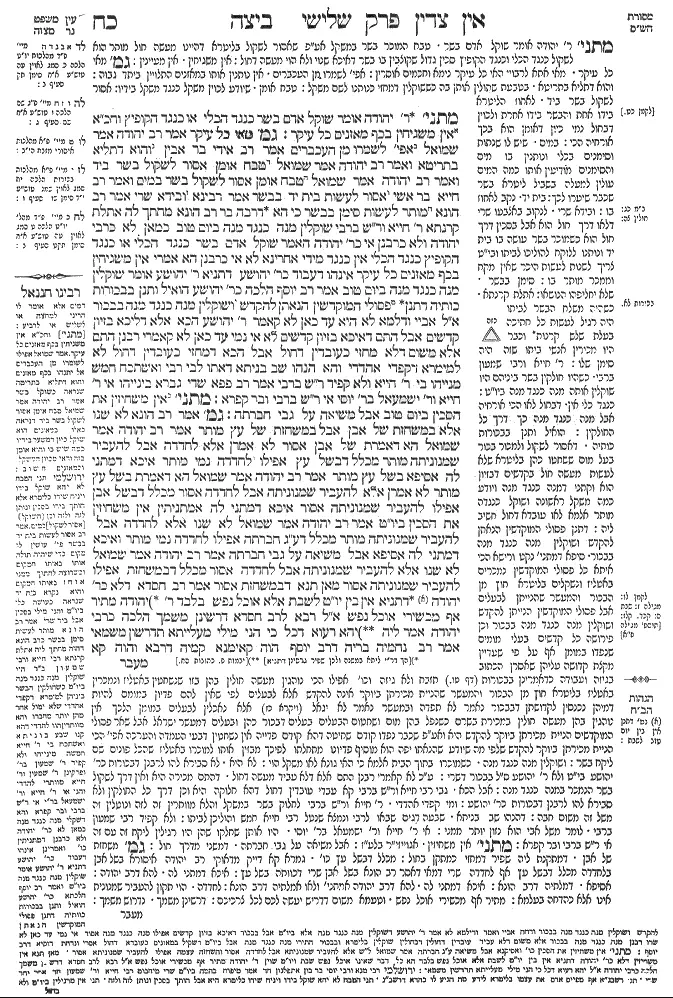
Beitza 28a - Guemara
מתני׳ ר' יהודה אומר שוקל אדם בשר כנגד הכלי או כנגד הקופיץ וחכ"א אין משגיחין בכף מאזנים כל עיקר:
גמ׳ מאי כל עיקר אמר רב יהודה אמר שמואל אפי' לשמרו מן העכברים אמר רב אידי בר אבין והוא דתליא בתריטא ואמר רב יהודה אמר שמואל טבח אומן אסור לשקול בשר ביד ואמר רב יהודה אמר שמואל טבח אומן אסור לשקול בשר במים ואמר רב חייא בר אשי אסור לעשות בית יד בבשר אמר רבינא ובידא שרי אמר רב הונא מותר לעשות סימן בבשר כי הא דרבה בר רב הונא מחתך לה אתלת קרנתא ר' חייא ור"ש ברבי שוקלין מנה כנגד מנה ביום טוב כמאן לא כרבי יהודה ולא כרבנן אי כר' יהודה האמר שוקל אדם בשר כנגד הכלי או כנגד הקופיץ כנגד הכלי אין כנגד מידי אחרינא לא אי כרבנן הא אמרי אין משגיחין בכף מאזנים כל עיקר אינהו דעבוד כר' יהושע דתניא ר' יהושע אומר שוקלין מנה כנגד מנה ביום טוב אמר רב יוסף הלכה כר' יהושע הואיל ותנן בבכורות כותיה דתנן פסולי המוקדשין הנאתן להקדש ושוקלין מנה כנגד מנה בבכור א"ל אביי ודלמא לא היא עד כאן לא קאמר ר' יהושע הכא אלא דליכא בזיון קדשים אבל התם דאיכא בזיון קדשים לא אי נמי עד כאן לא קאמרי רבנן התם אלא משום דלא מחזי כעובדין דחול אבל הכא דמחזי כעובדין דחול לא למימרא דקפדי אהדדי והא הנהו שב בניתא דאתו לבי רבי ואשתכח חמש מנייהו בי ר' חייא ולא קפיד ר"ש ברבי אמר רב פפא שדי גברא בינייהו אי ר' חייא ור' ישמעאל בר' יוסי אי ר"ש ברבי ובר קפרא:
מתני׳ אין משחיזין את הסכין ביום טוב אבל משיאה על גבי חברתה:
גמ׳ אמר רב הונא לא שנו אלא במשחזת של אבן אבל במשחזת של עץ מותר אמר רב יהודה אמר שמואל הא דאמרת של אבן אסור לא אמרן אלא לחדדה אבל להעביר שמנוניתה מותר מכלל דבשל עץ אפילו לחדדה נמי מותר איכא דמתני לה אסיפא בשל עץ מותר אמר רב יהודה אמר שמואל הא דאמרת בשל עץ מותר לא אמרן אלא להעביר שמנוניתה אבל לחדדה אסור מכלל דבשל אבן אפילו להעביר שמנוניתה אסור איכא דמתני לה אמתניתין אין משחיזין את הסכין ביו"ט אמר רב יהודה אמר שמואל לא שנו אלא לחדדה אבל להעביר שמנוניתה מותר מכלל דע"ג חברתה אפילו לחדדה נמי מותר ואיכא דמתני לה אסיפא אבל משיאה על גבי חברתה אמר רב יהודה אמר שמואל לא שנו אלא להעביר שמנוניתה אבל לחדדה אסור מכלל דבמשחזת אפילו להעביר שמנוניתה אסור מאן תנא דבמשחזת אסור אמר רב חסדא דלא כר' יהודה דתניא אין בין יו"ט לשבת אלא אוכל נפש בלבד ר' יהודה מתיר אף מכשירי אוכל נפש א"ל רבא לרב חסדא דרשינן משמך הלכה כרבי יהודה אמר ליה יהא רעוא דכל כי הני מילי מעלייתא תדרשון משמאי אמר רב נחמיה בריה דרב יוסף הוה קאימנא קמיה דרבא והוה קא
Comments from Rashi on Masechet Beitza Page 28a
מתני' ר' יהודה אומר שוקל אדם בשר . טבח המוכר בשר במשקל אע"פ שאסור לשקול בליטרא דהיינו מעשה חול מותר הוא לשקול כנגד הכלי וכנגד הקופיץ סכין גדול שקוצבין בו בשר דאיכא שנוי ולא הוי מעשה דחול: אין משגיחין . אין מעיינין: גמ' מאי כל עיקר . מאי אתא לרבויי האי כל עיקר נימא וחכמים אוסרין: אפי' לשמרו מן העכברים . אין נותנין אותו במאזנים התלויין ביתד גבוה: והוא דתליא בתריטא . בטבעת שתולין אותן בה כששוקלין דמחזי כנותנו לשם משקל: טבח אומן . שיודע לכוין משקל כנגד משקל בידיו: אסור לשקול בשר ביד . לאחוז הליטרא בידו אחת והבשר בידו אחרת ולכוין דבחול נמי כיון דאומן הוא בכך אורחיה הכי: במים . שיש לו שנתות וסימנים בכלי ונותנין בו מים והסימנים מודיעין אותו כמה המים עולין למעלה בשביל ליטרא בשר שכבר שיערו לכך: בית יד . נקב לאחוז בו: ובידא שרי . לנקוב באצבעו שרי דלאו דרך חול הוא אבל בסכין דרך חול הוא כשמוכר בשר עושה בו בית יד ונותנו ללוקח להוליכו לביתו ובי"ט צריך לשנות לעשות היכר שאין מקח וממכר מותר בו: סימן בבשר . שלא יחליפהו הנושאו: אתלת קרנתא . כשהיה משלח הבשר לביתו היה רגיל לעשות כל חתיכה בעלת שלש קרנות וכבר היו מכירין אנשי ביתו שזה היה סימן שלו: ר' חייא ורבי שמעון ברבי . כשהיו חולקין בשר ביניהם היו שוקלין אותה מנה כנגד מנה ביו"ט: כנגד כלי אין . דבחול לאו הכי אורחיה אבל מנה כנגד מנה כך דרך כל החולקין: הואיל ותנן בבכורות כותיה . דאסור לשקול ולמכור בכור בעל מום ששחטו כהן בליטרא שלא לעשות מעשה חול בקדשים דבזיון הוא וקתני דמנה כנגד מנה ויודע כמה משקל ראשונה ושוקל כנגדה מותר אלמא לאו עובדא דחול חשיב ליה: דתנן פסולי המוקדשין הנאתן להקדש ושוקלין מנה כנגד מנה בבכור . סיפא דמתני' נקט ורישא הכי איתא כל פסולי המוקדשין נמכרים באטליז ונשקלים בליטרא חוץ מן הבכור והמעשר שהנייתן לבעלים אבל פסולי המוקדשין הנייתן להקדש ושוקלין מנה כנגד מנה בבכור וכן פירושה כל קדשים בעלי מומים שנפדו במומן אף על פי שעדיין מקצת קדושה עליהן שאסרן הכתוב בגיזה ועבודה כדאמרינן בבכורות (דף טו.) תזבח ולא גיזה וכו' אפילו הכי נוהגין מעשה חולין בהן בזו שנשחטין באטליז ונמכרין באטליז בליטרא חוץ מן הבכור והמעשר שהניית מכירתן ביוקר אינה להקדש אלא לבעלים לפי שאין להם פדיון במומם להיות דמיהן נכנסין לקדושתן דבבכור נאמר לא תפדה ובמעשר נאמר לא יגאל (ויקרא כז) אלא נאכלין לבעלים במומן הלכך אין נוהגין בהן מעשה חולין במכירת בשרם כשנפל בהן מום ושחטום הבעלים בעלים דבכור כהן ובעלים דמעשר ישראל אבל שאר פסולי המוקדשים הניית מכירתן ביוקר להקדש היא ואע"פ שכבר נפדו קודם שחיטה דהא קודם פדייה אין נשחטין דבעי העמדה והערכה אפילו הכי הניית מכירתן ביוקר להקדש שלפי מה שיודע שהנאתו יפה הוא מוסיף פדיונו מתחלתו לפיכך מבזין אותו למוכרו באטליז שהכל פונים שם ליקח בשר: ושוקלין מנה כנגד מנה . כשמוכרו בתוך הבית אלמא כי האי גונא לאו משקל הוי: לא היא . לא סבירא להו לרבנן דבכורות כר' יהושע בי"ט ולא ר' יהושע ס"ל בבכור דשרי: ע"כ לא קאמרי רבנן התם אלא דלא עביד מעשה דחול . דהתם מכירה היא ואין דרך לשקול בשר הנמכר במנה כנגד מנה: אבל הכא . גבי רבי חייא ור"ש ברבי קא עבדי עובדין דחול דהא חלוקה היא וכן דרך כל החולקין ולא סבירא להו לרבנן דבכורות כר' יהושע: ומי קפדי אהדדי . ר' חייא ור"ש ברבי לחלוק בשר במשקל והלא מוותרין זה לזה ונוטלין זה משל זה משום חבה: דהנהו שב בניתא . שבעה דגים שבאו לרבי ונמצא שנטל רבי חייא חמש והוליכן לביתו: ולא קפיד רבי שמעון ברבי . לומר משל אבי הוא נזון יותר ממני: אי ר' חייא ור' ישמעאל בר' יוסי . היו אותן שחלקו שהן היו רגילין ליקח זה עם זה אי ר"ש ברבי ובר קפרא: מתני' אין משחיזין . אגוייזי"ר בלע"ז: אבל משיאה על גבי חברתה . דמשני כדרך חול: גמ' משחזת של אבן . דמתקנת ליה שפיר דמחזי כמתקן בחול: מכלל דבשל עץ כו' . גמרא קא דייק מדאוקי רב יהודה איסורא בשל אבן בלחדדה מכלל דבשל עץ אף לחדדה שרי דמאי דאסר רב הונא בשל אבן שרי דכוותה בשל עץ: איכא דמתני לה . להא דרב יהודה: אסיפא . דמלתיה דרב הונא: איכא דמתני לה . להא דרב יהודה אמתני' ולאו אמלתיה דרב הונא: לחדדה . הוי תקון להעביר שמנונית אינו אלא כהדחה בעלמא: מתיר אף מכשירי אוכל נפש . וטעמא משום דדריש יעשה לכם לכל צרכיכם: דרשינן משמך . נדרוש משמך:
Beitza 28a - Mishnah translated into english
MISHNA: Rabbi Yehuda says: A person selling meat on a Festival who wishes to know its weight in order to determine its price may not weigh it against regular weights in the ordinary weekday manner, but he may weigh the meat against a vessel or against a cleaver [kofitz] and then calculate the weight of the meat by weighing the vessel or cleaver later. And the Rabbis say: One may not look at the pans of a balance scale at all, meaning that they may not be used for weighing in any manner or for any other purpose.
GEMARA: The Gemara asks: What is the meaning of: One may not look at the pans of a scale at all? Rav Yehuda said that Shmuel said: Even if one has meat and he wishes to protect it from mice, he may not put it on a scale, since it would look as if he were weighing it. Rav Idi bar Avin said: And this ruling applies only where the scale is hanging on the ring used for balancing it. However, if the scale is hanging in such a manner that it is not fit for weighing, one may use it as he would use any other vessel.
And Rav Yehuda said that Shmuel said: It is prohibited for an expert butcher to weigh meat on a Festival even by hand because he can arrive at its precise weight using this method, and so it is prohibited like weighing with a scale. And likewise, Rav Yehuda said that Shmuel said: It is prohibited for an expert butcher to weigh meat on a Festival even in water. Butchers would calculate the weight of a slab of meat by placing it into a tub of water and measuring the amount of water that it displaces with the help of markings on the container. Since this procedure enables the butcher to determine the precise weight of the meat, it may not be performed on a Festival.
And Rav Ḥiyya bar Ashi said: It is prohibited to make a hole to serve as a handle in meat on a Festival, since this is a weekday act. Ravina said: But it is permitted to make such a handle by hand, rather than with a knife or some other implement, since this is an atypical manner of making a hole.
Rav Huna said: It is permitted to make a sign on meat even on a Festival, so that it not be mistaken for the meat of another person. This is like that which Rabba bar Rav Huna would do when he sent meat by means of a messenger to his house; he would cut it into triangles as a sign that the meat was his and it was fit to be eaten.
The Gemara relates an incident in connection to the basic halakha of the mishna: Rabbi Ḥiyya and Rabbi Shimon, son of Rabbi Yehuda HaNasi, would weigh one portion against another portion on a Festival in order to divide the meat between them. The Gemara asks: In accordance with whose opinion did they do so? This seems to be neither in accordance with the opinion of Rabbi Yehuda nor in accordance with the opinion of the Rabbis in the mishna. As, if it is in accordance with the opinion of Rabbi Yehuda, didn’t he say: A person may weigh meat against a vessel or against a cleaver, from which it may be inferred: Against a vessel or a cleaver, yes, one may do so; but against anything else, no, he may not. And if it is in accordance with the opinion of the Rabbis, didn’t they say: One may not look at the pans of a scale at all?
The Gemara explains: Rabbi Ḥiyya and Rabbi Shimon, son of Rabbi Yehuda HaNasi, acted in accordance with the opinion of Rabbi Yehoshua. As it is taught in a baraita that Rabbi Yehoshua says: One may weigh one portion against another portion on a Festival. Rav Yosef said: The halakha is in accordance with the opinion of Rabbi Yehoshua, since we learned in a mishna in tractate Bekhorot (31a) in accordance with his opinion.
As we learned there: With regard to consecrated animals that have become disqualified because of a blemish, all the benefit that accrues from their sale belongs to the Temple treasury of consecrated property. And one may weigh one portion of meat against another portion of meat in the case of a firstborn that developed a blemish. Although the meat of a firstborn may not be sold by weight in the manner of non-sacred meat, one may weigh one portion against another portion in order to determine its price. This indicates that even in a case where it is prohibited to weigh an item in the ordinary manner, one may still weigh one portion of it against another portion.
Abaye said to him: Perhaps that is not so, and the two cases are not similar. It is possible that Rabbi Yehoshua stated his opinion that one may weigh one portion against another only here, on a Festival, where the action does not involve a show of degradation of sacred items; but there, in the case of a firstborn, where the weighing involves a display of degradation of sacred items, perhaps he did not permit weighing of any kind.
Alternatively, it is possible that the Rabbis stated their opinion that one may weigh one portion against another only there, in the case of a firstborn, because it does not look like a weekday activity; but here, on a Festival, where it looks like a weekday activity, perhaps they would not have permitted it. It is therefore possible that even the Rabbis would prohibit this action on a Festival.
With regard to the incident involving Rabbi Ḥiyya and Rabbi Shimon, son of Rabbi Yehuda HaNasi, the Gemara asks: Is this to say that they were particular with each other with regard to such matters, to the extent that they had to weigh one portion against another so that their portions would be exactly equal? But wasn’t there the incident of the seven fish that were brought to the house of Rabbi Yehuda HaNasi, and five of them were later found in the house of Rabbi Ḥiyya, who had taken them from Rabbi Yehuda HaNasi; and Rabbi Shimon, son of Rabbi Yehuda HaNasi, was not particular about this, as they treated each other like family?
Rav Pappa said: Cast a person between them. In other words, a third party must have been involved in the incident. How so? Either the two who divided the meat between themselves were Rabbi Ḥiyya and Rabbi Yishmael, son of Rabbi Yosei, or else they were Rabbi Shimon, son of Rabbi Yehuda HaNasi and bar Kappara. Although these pairs of scholars were colleagues, they were exacting with each other in monetary matters. Consequently, they weighed one portion of meat against the other to ensure that they would each receive the same amount.
MISHNA: One may not sharpen a knife on a Festival in the ordinary weekday manner. However, one may do so in an unusual fashion, e.g., to run one knife over another, thereby sharpening the blade.
GEMARA: Rav Huna said: They taught that one may not sharpen a knife on a Festival only if he does so in the typical manner, with a stone knife sharpener, but if he does so with a wooden knife sharpener, it is permitted, as this is an unusual way of sharpening knives. Rav Yehuda said that Shmuel said: With regard to that which you said, that a stone sharpener is prohibited, we said this only where one’s intention is to sharpen the knife, but if he merely means to remove the accumulated fat by scraping it off with the stone, it is permitted. This proves by inference that with a sharpener made of wood, even if his intention is to sharpen the knife, it is permitted.
Some teach the statement of Rav Yehuda as referring to the latter clause of Rav Huna’s statement, where he says: But if he uses a sharpener made of wood, it is permitted. Rav Yehuda said that Shmuel said: With regard to that which you said, that with a wooden sharpener it is permitted, we said this only where one’s intention is to remove its fat, but if he does so in order to sharpen it, it is prohibited. This proves by inference that with a sharpener made of stone, even if he intended merely to remove its fat, it is prohibited.
Some teach the statement of Rav Yehuda as referring to the mishna itself, which teaches: One may not sharpen a knife on a Festival. Rav Yehuda said that Shmuel said: They taught that this is prohibited only where one’s intention is to sharpen the knife, but if his aim is merely to remove its fat, it is permitted. This proves by inference that running one knife over another is permitted even if his intention is to sharpen the knife.
And some teach the statement of Rav Yehuda as referring to the latter clause of the mishna, which teaches: However, one may run one knife over another. Rav Yehuda said that Shmuel said: They taught this only where one’s intention is to remove its fat, but if he does so to sharpen it, it is prohibited. This proves by inference that with a sharpener, it is prohibited even to remove its fat.
The Gemara asks: Who is the tanna who holds that with a sharpener it is entirely prohibited? Rav Ḥisda said: This tanna does not hold in accordance with the opinion of Rabbi Yehuda, as it is taught in a baraita: The difference between a Festival and Shabbat is only with regard to the preparation of food, as it is permitted to perform labor for the purpose of food preparation on a Festival, but not on Shabbat; Rabbi Yehuda permits even actions that facilitate preparation of food on a Festival, e.g., repairing utensils with which food is prepared on the Festival.
Rava said to Rav Ḥisda: We teach in your name that the halakha is in accordance with the opinion of Rabbi Yehuda. He said to him: May it be God’s will that you teach in my name all outstanding matters like this. In other words, Rav Ḥisda was pleased that this teaching was attributed to him, as he too agreed with it.
The Gemara relates that Rav Neḥemya, son of Rav Yosef, said: I was once standing before Rava, and he was
Traduction : The William Davidson digital edition of the Koren Noé Talmud, with commentary by Rabbi Adin Even-Israel Steinsaltz.