 Talmud Bavli
Temurah 6b : Youtube
Rabbi Dr. Moshe WeisblumYoutube
1 video class :
Temurah Page 6b
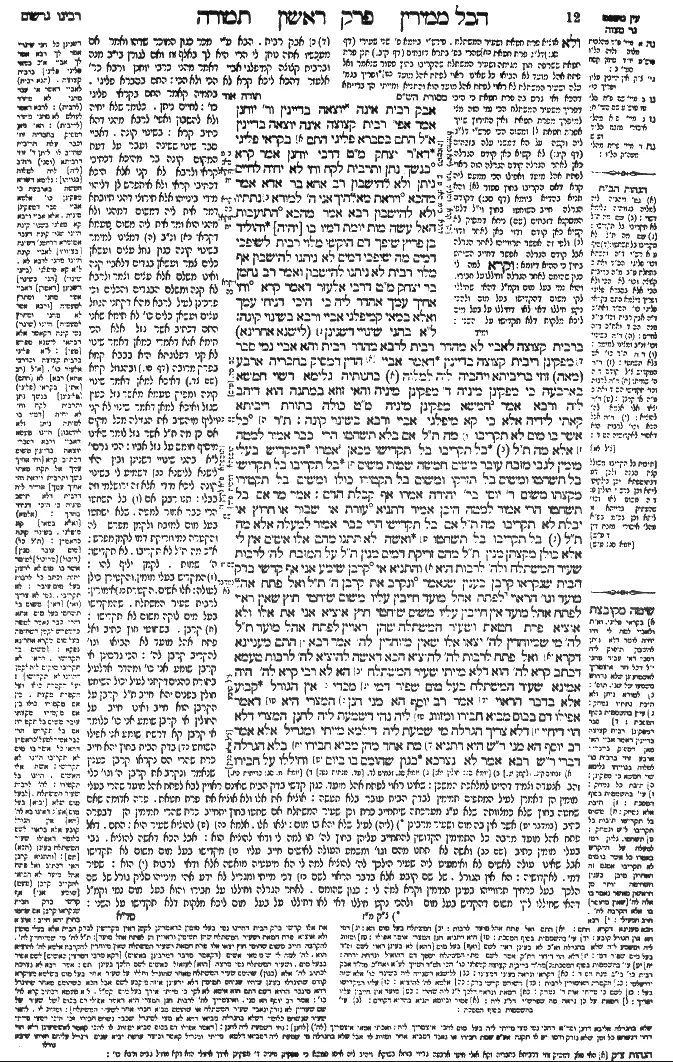
Temurah 6b - Guemara
אבק רבית אינה יוצאה בדיינין ור' יוחנן אמר אפי' רבית קצוצה אינה יוצאה בדיינין א"ל התם בסברא פליגי התם בקראי פליגי דא"ר יצחק מ"ט דרבי יוחנן אמר קרא (יחזקאל יח, יג) בנשך נתן ותרבית לקח וחי לא יחיה לחיים ניתן ולא להישבון רב אחא בר אדא אמר מהכא (ויקרא כה, יז) ויראת מאלהיך אני ה' למורא נתתיו ולא להישבון רבא אמר מהכא (יחזקאל יח, יג) התועבות האל עשה מות יומת דמיו בו [יהיה] והוליד בן פריץ שופך דם הוקשו מלוי רבית לשופכי דמים מה שופכי דמים לא ניתנו להישבון אף מלוי רבית לא ניתנו להישבון ואמר רב נחמן בר יצחק מ"ט דרבי אלעזר דאמר קרא (ויקרא כה, לו) וחי אחיך עמך אהדר ליה כי היכי דניחי עמך ואלא במאי קמיפלגי אביי ורבא בשינוי קונה ל"א בהני שינויי דשנינן ברבית קצוצה לאביי לא מהדר רבית לרבא מהדר רבית והא אביי נמי סבר מפקינן ריבית קצוצה בדיינין דאמר אביי הדין דמסיק בחבריה ארבע (מאה) זוזי בריביתא ויהביה ליה למלוה בחנותיה גלימא דשוי חמשא בארבעה כי מפקינן מיניה ד' מפקינן מיניה והאי זוזא במתנה הוא דיהב ליה ורבא אמר חמשא מפקינן מיניה מ"ט כולה בתורת ריביתא קאתי לידיה אלא כי קא מיפלגי אביי ורבא בשינוי קונה ת"ר (ויקרא כב, כ) כל אשר בו מום לא תקריבו מה ת"ל אם בלא תשחטו הרי כבר אמור למטה אלא מה ת"ל בל תקריבו בל תקדישו מכאן אמרו המקדיש בעלי מומין לגבי מזבח עובר משום חמשה שמות משום בל תקריבו בל תקדישו בל תשחטו ומשום בל תזרקו ומשום בל תקטירו כולו ומשום בל תקטירו מקצתו משום ר' יוסי בר' יהודה אמרו אף קבלת הדם אמר מר אם בל תשחטו הרי אמור למטה היכן אמור דתניא (ויקרא כב, כב) עורת או שבור או חרוץ או יבלת לא תקריבו מה ת"ל אם בל תקדישו הרי כבר אמור למעלה אלא מה ת"ל בל תקריבו בל תשחטו ואשה לא תתנו מהם אלו אשים אין לי אלא כולן מקצתן מנין ת"ל מהם זריקת דמים מנין ת"ל על המזבח לה' לרבות שעיר המשתלח ולה' לרבות הוא והתניא אי (ויקרא יז, ד) קרבן שומע אני אף קדשי בדק הבית שנקראו קרבן כענין שנאמר (במדבר לא, נ) ונקרב את קרבן ה' ת"ל ואל פתח אהל מועד וגו' הראוי לפתח אהל מועד חייבין עליו משום שוחטי חוץ שאין ראוי לפתח אהל מועד אין חייבין עליו משום שוחטי חוץ אוציא אני את אלו ולא אוציא פרת חטאת ושעיר המשתלח שהן ראויין לפתח אהל מועד ת"ל לה' מי שמיוחדין לה' יצאו אלו שאין מיוחדין לה' אמר רבא התם מעניינא דקרא ואל פתח לרבות לה' להוציא הכא דאשה להוציא לה' לרבות טעמא דכתב קרא לה' הוא דלא מייתי שעיר המשתלח הא לא רבי קרא לה' הוה אמינא שעיר המשתלח בעל מום שפיר דמי מכדי אין הגורל קבוע אלא בדבר הראוי אמר רב יוסף הא מני חנן המצרי היא דאמר אפילו דם בכוס מביא חבירו ומזווג ליה נהי דשמעת ליה לחנן המצרי דלא הוי דיחוי דלא צריך הגרלה מי שמעת ליה דילמא מייתי ומגריל אלא אמר רב יוסף הא מני ר"ש היא דתניא מת אחד מהן מביא חבירו בלא הגרלה דברי ר"ש רבא אמר לא נצרכא כגון שהומם בו ביום וחיללו על חבירו
Comments from Rashi on Masechet Temurah Page 6b
אבק רבית . הבא ע"י מכר כגון המוכר שדהו ואמר אם מעכשיו אתה נותן לי הרי היא לך באלף זוז ואם לגורן בי"ב מנה וברבית קצוצה קמיפלגי אביי דאמר מהני כרבי יוחנן ורבא כר' אלעזר דהכא ליכא קרא לא הכי ולא הכי: התם בסברא פליגי . בתמיה קאמר. התם בקראי פליגי כו': לחיים ניתן . כלומר שלא יחיה ולא להשבון ואפי' לרבא מהני דהא כתיב קרא: בשינוי קונה . דאביי סבר שינוי ששינה ועבר על דעת המקום קונה בר מהיכא דכתיבי קראי ולרבא לא קני אלא היכא דכתיבי קראי. ולא איתפרש לן דליהוי מידי בינייהו אלא תירוצי דהני תיובתא דמר אית ליה דמשום דמהני ולא מהני הוא ומר אית ליה משום טעמא דקראי. ונ"ב דמצינו למימר בשינוי קונה כגון גוזל עצים ועשאן כלים צמר ועשאן בגדים דלאביי קנה ואינו משלם אלא עצים וצמר ולרבא לא קנה ומשלם הבגדים והכלים וכי פרכינן לעיל לרבא מהא דקתני הגוזל עצים ועשאן כלים כו' לא תימא שאני התם דכתיב אשר גזל אלא הכי תימא אנא דאמרי כמאן דאמר שינוי לא קני דפלוגתא היא בבבא קמא בפרק מרובה (דף סו.) ובהגוזל קמא (שם צד.) דאיכא למאן דאמר שינוי קונה ומפיק טעמא מאשר גזל כעין שגזל ואיכא למאן דאמר שינוי לא קני ויליף מוהשיב את הגזילה מכל מקום אם כן מה ת"ל אשר גזל לומר שאינו מוסיף חומש על גזל אביו: הכי גרסי' ל"א בהני שינויי דשנינן . ובין האי לישנא ללישנא דשמיע לי בשינוי קונה ליכא מידי אלא זה ירושלמי וזה בבלי: תנו רבנן אם בל תשחטו הרי כבר אמור למטה . שלא ישחטו בעל מום למזבח. ולקמן מפרש לה והקטרה נמי וזריקת דמו לקמן מפרש: א"כ מה ת"ל לא תקריבו לא תקדישו: ה' שמות . לקמן יליף להו: המקדיש בעלי מומין . והקטירן כולן לעולה: אלו אשים . הקטרת אימורין: לרבות שעיר המשתלח . שהמקדישו בעל מום לוקה משום לא תקדישו: קרבן . בשחוטי חוץ כתיב ואל פתח אהל מועד לא הביאו וגו' להקריב קרבן לה': הכי גרסינן אי קרבן שומע אני כו' . ומהדר אדלעיל בתורת כהנים דקתני לעיל יכול השוחט חולין בפנים יהא חייב ת"ל קרבן על הקרבן הוא חייב ואינו חייב על החולין אי קרבן שומע אני כו' כלומר אי קרבן קא דרשת שומע אני אפילו השוחט בדק הבית בחוץ יהא חייב כרת שהרי הם נקראו קרבן כענין שנאמר ונקרב את קרבן ה' וגו' כלי זהב אצעדה וצמיד דהיינו למלאכת המשכן: שאינו ראוי לפתח אהל מועד . כגון קדשי בדק הבית שאינם ראויין לבא לפתח אהל מועד שהרי בעלי מומין הן דאמרן לעיל המתפיס תמימין לבדק הבית עובר בלא תעשה: אוציא את אלו ולא אוציא את פרת חטאת . פרה אדומה שאם שחטה בחוץ שלא כמצוותה שלא ע"ג מערכתה שיתחייב כרת וכן שעיר המשתלח אם שחטו בחוץ יתחייב כרת שהרי תמימין הן דבפרה כתיב (במדבר יט) אשר אין בה מום ושעיר מרבינן (ליה) לעיל שלא יהא בו מום: יצאו אלו . אלמא להוציא שעיר הוא: התם . דאל פתח אהל מועד מרבה כל התמימין הקדושין להתחייב עליהן בחוץ לה' תו למה לי ודאי להוציא הוא: אבל הכא דאשה להוציא . גבי בעלי מומין כתיב (שם כב) ואשה לא תתנו מהם וגו' ומשמע העולה לאישים חייב עליו מקדישו בעל מום משום לא תקדישו אבל שאינו עולה לאשים לא ואימעיט ליה שעיר הילכך לה' להוציא למה לי הא מיעטיה מואשה אלא ודאי לרבות הוא: שפיר דמי . לאקדושיה: הא אין הגורל . של שם קובע אלא בדבר הראוי לשם דכי מייתי ומגריל לא ידע אהי מינייהו סליק גורל של שם הלכך בעל כרחיך תרוייהו בעינן תמימין וקרא למה לי: כגון שהומם . לאחר הגרלה וחיללו על חבירו והוא בעל מום נמי וקמ"ל דהאי שחיללו לקי משום דהקדיש בעל מום ולהכי נקט חיללו דאי לאו דחיללו על בעל מום ליכא מלקות דלא תקדישו על השני:
Comments from Tosafot - Temurah 6b
ולא אוציא פרת חטאת ושעיר המשתלח . פירש"י ביומא פ' שני שעירי (דף סג:) דל"ג פרת חטאת שהרי בפ' בתרא דזבחים (דף קיב.) תנן פרת חטאת ששרפה חוץ מגיתה ושעיר המשתלח שהקריבו בחוץ פטור שנאמר ואל פתח אהל מועד לא הביאו כל שאינו ראוי לפתח אהל מועד ופריך בגמ' עלה ושעיר המשתלח לא ראוי לפתח אהל מועד הוא והתניא ומייתי הך ברייתא דהכא ואי גרס בה פרת חטאת כי היכי דפריך משעיר המשתלח הכי נמי הוה מצי למיפרך מפרת חטאת ואין התירוץ שייך אפרת חטאת ומשום הכי פרש"י דל"ג ליה וקשה על הא דמשני עלה בזבחים (דף קיג:) לא קשיא כאן קודם הגרלה כאן לאחר הגרלה קודם הגרלה הוה ראוי לפתח אהל מועד ואפילו הכי ממעט ליה קרא דאם הקריבו בחוץ פטור והא תניא בהדיא ביומא (דף סב:) דקודם הגרלה חייב השוחטו בחוץ וי"ל דלפי המסקנא דזבחים (שם) ניחא דמסיק לא קשיא כאן קודם ודוי כאן לאחר ודוי ולפי זה אפשר תרווייהו לאחר הגרלה אבל קודם הגרלה אפשר דחייב השוחט בחוץ כי ההיא דיומא: וקרא למה לי כגון שהומם לאחר הגרלה וחיללו על חבירו . והוא נמי בעל מום וקמ"ל דהאי שחיללו לקי משום דהקדישו בעל מום ולהכי נקט חיללו דאי לאו דחיללו על בעל מום ליכא מלקות דלא תקדישו על השני:
Temurah 6b - Mishnah translated into english
If a debtor paid a hint of interest and petitions the court to have it returned to him, it is not repossessed from the creditor by the judges of the court. And Rabbi Yoḥanan says: Even fixed interest is not repossessed by the judges. Abaye holds that transgressions are effective, and the interest now belongs to the creditor and cannot be repossessed, in accordance with the opinion of Rabbi Yoḥanan. Therefore, the judges do not appropriate it. Rava holds that transgressions are not effective, and the creditor is in unlawful possession of the interest. Therefore, the judges repossess it, in accordance with the opinion of Rabbi Elazar.
Rav Aḥa said to Rav Ashi: There, in the dispute concerning fixed interest, do Rabbi Elazar and Rabbi Yoḥanan disagree with regard to logical reasoning, i.e., the principle of whether transgressions are effective? Not so; rather, they disagree there with regard to the interpretation of the verses, as Rabbi Yitzḥak said: What is the reasoning of Rabbi Yoḥanan? The verse states: “[He] has given forth upon interest, and has taken increase; shall he then live? He shall not live; he has done all these abominations; he shall be put to death; his blood shall be upon him” (Ezekiel 18:13). Apparently, a usurer is subject to divine punishment for his life, but the interest is not subject to returning. This is the source for the opinion of Rabbi Yoḥanan.
Rav Aḥa bar Adda said that the source for the opinion of Rabbi Yoḥanan is from here: “Take no interest of him or increase, but fear your God, that your brother may live with you. You shall not give him your money upon interest, nor give him your provisions for increase; I am the Lord” (Leviticus 25:36–38). In effect, God is saying: I have made a usurer subject to punishment for insufficient fear of Me, but the interest is not subject to returning.
Rava said that the source for the opinion of Rabbi Yoḥanan is from here: “Has lent at advance interest, or exacted accrued interest; shall he live? He shall not live! He has done all these abominations; he shall be put to death; his blood shall be upon him” (Ezekiel 18:13). And an earlier verse states: “If he fathers a son that is a robber, a shedder of blood” (Ezekiel 18:10). Usurers are thereby juxtaposed to shedders of blood, i.e., murderers: Just as the sins of shedders of blood cannot be undone, so too, the sins of usurers cannot be undone.
And Rav Naḥman bar Yitzḥak said: What is the reasoning of Rabbi Elazar? As the verse states: “Take no interest of him or increase; but fear your God, that your brother may live with you” (Leviticus 25:36). The verse teaches that one must return the interest to the debtor so that he will be able to live together with you.
The Gemara asks: But if this matter is not a consequence of the dispute of Abaye and Rava, with regard to what case do Abaye and Rava disagree? The Gemara answers: There is perhaps no practical dispute between them, and they disagree only with regard to the theoretical question of whether deviation from what is stated in the Torah is effective. According to the opinion of Abaye, if there is no verse teaching otherwise, a transgression is presumed to be effective. According to the opinion of Rava, it is presumed to be not effective. They, therefore, disagree as to which halakhot reflect the rule and which are exceptions.
§ The Gemara presents an alternative version of the answer to this question: In accordance with the answers we answered above, Abaye and Rava disagree with regard to fixed interest. According to the opinion of Abaye that transgressions are effective, the creditor does not need to return the interest, as he has acquired it. But according to the opinion of Rava that transgressions are not effective, the creditor must return the interest, as it still belongs to the debtor.
The Gemara objects: But Abaye also holds that we repossess fixed interest by the authority of the judges, as Abaye said: In the event that this one, who was collecting a debt from another, demanded that he pay four dinars as interest, and the debtor gave to the creditor, in his store, a cloak that was worth five dinars in place of the four dinars of interest, the halakha is that when we repossess the interest from the creditor, we repossess only four dinars from him. And as for that additional one dinar, one presumes the debtor gave it to him as a gift. And Rava said: We repossess all five dinars from him. What is the reason? All of it came into his possession by virtue of a payment of interest. In any event, it is clear that Abaye holds that fixed interest is repossessed by the court.
The Gemara concludes as earlier: Rather, there may be no practical dispute between them, as when Abaye and Rava disagree, it is only with regard to the theoretical question of whether deviation from what is stated in the Torah is effective.
§ The Gemara returns to the topic of blemished animals. The Sages taught in a baraita: Why must the verse state: “But whatever has a blemish, you shall not offer; for it shall not be acceptable for you” (Leviticus 22:20)? If it serves to teach that you may not slaughter a blemished animal as a sacrifice even if it has been consecrated, that is already stated below, later on in the passage, as the Gemara will soon explain. Rather, why must the verse state that you may not offer a blemished animal? This serves to teach that you may not consecrate it. From here, the Sages stated (Tosefta 1:10): One who consecrates blemished animals for sacrifice on the altar violates five separate categories of prohibition.
He is liable for violating the prohibitions: You may not offer a blemished animal as an offering, i.e., you may not consecrate it; you may not slaughter it; and for the prohibition: You may not sprinkle its blood; and for the prohibition: You may not burn all of it on the altar; and for the prohibition: You may not burn part of it. The Sages said in the name of Rabbi Yosei, son of Rabbi Yehuda: One also violates a prohibition against the collection of the blood.
The Gemara interjects: The Master said above: If one suggests that the prohibition in Leviticus 22:20 teaches that you may not slaughter a blemished animal as an offering, that is already stated below, later on in the passage. The Gemara asks: Where is it stated? The Gemara answers: As it is taught in a baraita: Why must the verse state: “Blind, or broken, or maimed, or having a cyst, or scabbed, or scurvy, you shall not offer” (Leviticus 22:22)? If this serves to teach that you may not consecrate them, that is already stated above, in verse 20. Rather, why must the verse state that you may not offer these animals? This serves to teach that you may not slaughter them if they have been consecrated.
The baraita continues: The verse states: “Nor make an offering by fire of them upon the altar unto the Lord” (Leviticus 22:22). These words teach that one may not burn a blemished animal in the fires of the altar. I have derived only that it is prohibited to burn all of the animal. From where is it derived that it is prohibited to burn some portions of the animal? The verse states: “Of them,” which prohibits the burning of even part of them.
From where is it derived that sprinkling the blood of a blemished animal is prohibited? The verse states: “Upon the altar,” thereby indicating that one may not sacrifice any part of it, even its blood, on the altar. The verse continues: “Unto the Lord,” which serves to include the scapegoat of Yom Kippur in this prohibition, that it may not be blemished even though it is not sacrificed on the altar.
The Gemara interjects: And does the term: “Unto the Lord,” serve to include the scapegoat? But isn’t it taught in a baraita: The Torah condemns one who slaughters an offering outside the Temple “and has not brought it unto the door of the Tent of Meeting, to present it as an offering unto the Lord” (Leviticus 17:4)? If the verse had stated only “offering,” I would derive that one is liable even for slaughtering animals consecrated for Temple maintenance outside the Temple, for they are also called an offering, as it is stated: “And we have brought the Lord’s offering, what every man has found: Articles of gold” (Numbers 31:50).
Therefore, the verse states: “And has not brought it to the entrance of the Tent of Meeting” (Leviticus 17:4). This teaches that one is liable only for sacrificing an animal fit to be sacrificed within the entrance of the Tent of Meeting or the Temple due to the prohibition of slaughtering offerings outside the Temple. But one is not liable for sacrificing an animal not fit to be sacrificed within the entrance of the Tent of Meeting due to the prohibition of slaughtering offerings outside the Temple.
I might exclude these animals consecrated for Temple maintenance, but not exclude the red heifer of purification, whose ashes are used to purge the impurity imparted by a corpse, and the scapegoat, despite the fact that neither are sacrificed on the altar, as they are unblemished and therefore fit to come to the entrance of the Tent of Meeting. Therefore, the verse states: “Unto the Lord,” to teach that one is liable only for those animals that are exclusively the Lord’s as offerings. These, the red heifer of purification and the scapegoat, are excluded, as they are not exclusively the Lord’s as offerings, but rather they serve unique ritual functions. In any event, the term “unto the Lord” is interpreted as excluding, rather than including, the scapegoat.
Rava said: There, in the baraita discussing offerings slaughtered outside the Temple, the halakha is derived from the context of the verse. The verse states: “And has not brought it to the entrance of the Tent of Meeting” (Leviticus 17:4), which serves to include any unblemished animal. Therefore, the following term: “Unto the Lord,” serves to exclude certain exceptions to the rule. Here, where the verse states “fire” (Leviticus 22:22), which serves to exclude animals not burned on the altar from the prohibition, the term: “Unto the Lord,” serves to include exceptions to that principle.
The Gemara objects: The baraita indicates that the reason why a blemished animal may not be brought as the scapegoat is that the verse writes: “Unto the Lord.” One may infer that had the verse not included the scapegoat by employing the term: “Unto the Lord,” I would say that it is permitted to sacrifice a blemished scapegoat. Now, of the two goats of the Yom Kippur service, one is selected as the scapegoat and one as an offering by lottery. As a rule, the lottery can establish the animals in their respective roles only if each is fit for either role. Given that a blemished animal cannot be sacrificed as an offering, it cannot be designated as the scapegoat either. The term “unto the Lord” therefore seems unnecessary.
Rav Yosef said: In accordance with whose opinion is this baraita? It is in accordance with the opinion of Ḥanan the Egyptian, who said that if the scapegoat dies before being sent to the wilderness, even if the other goat has already been slaughtered and its blood collected in the cup, the slaughtered goat is nevertheless a fit offering, and the priest brings another goat and pairs it with the slaughtered goat to serve as the scapegoat. This new scapegoat is thereby designated without a lottery, and one might therefore suppose it can be blemished. The term “unto the Lord” is therefore needed to teach that it must be unblemished.
The Gemara challenges: Granted that you learn from the statement of Ḥanan the Egyptian that he holds that there is no deferral of the second goat once it has already been slaughtered. But do you learn from him that the new scapegoat need not be designated by a lottery? Perhaps the priest brings two potential scapegoats and performs a lottery to decide between them. Therefore, the question again arises: What need is there for the term “unto the Lord”?
Rather, Rav Yosef said: In accordance with whose opinion is this baraita? It is in accordance with the opinion of Rabbi Shimon, as it is taught in a baraita: If one of the two goats dies, the priest brings another goat without another lottery; this is the statement of Rabbi Shimon. It is this scapegoat that, absent the term “unto the Lord,” could have been blemished.
Rava said: No, the term in the verse is necessary for a case where the scapegoat became blemished on that day of Yom Kippur, after it had been designated, and then the priest desacralized it by transferring its sanctity onto another blemished goat.
Traduction : The William Davidson digital edition of the Koren Noé Talmud, with commentary by Rabbi Adin Even-Israel Steinsaltz.