 Talmud Bavli
The learning on the whole site is dedicated : L'ilui Nishmat Rav Chlomo Ben Jamilla
The learning on the whole site is dedicated : L'ilui Nishmat Yaakov ben Myriam
The learning on the whole site is dedicated : L'ilui Nishmat Jacques Isaac Ben Amram Loubaton
Temurah 9a : Youtube
Rabbi Dr. Moshe WeisblumYoutube
1 video class :
Temurah Page 9a
Temurah 9a - Guemara
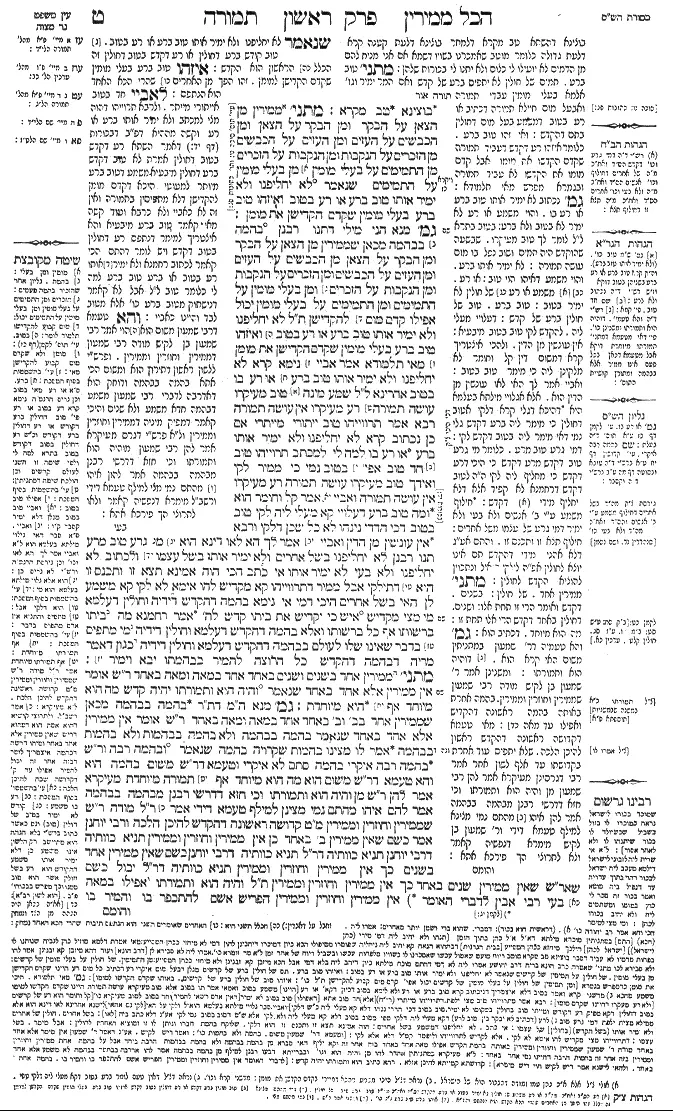
בוצינא טב מקרא מתני׳ ממירין מן הצאן על הבקר ומן הבקר על הצאן ומן הכבשים על העזים ומן העזים על הכבשים מן הזכרים על הנקבות ומן הנקבות על הזכרים מן התמימים על בעלי מומין מן בעלי מומין על התמימים שנאמר (ויקרא כז, י) לא יחליפנו ולא ימיר אותו טוב ברע או רע בטוב ואיזהו טוב ברע בעלי מומין שקדם הקדישן את מומן גמ׳ מנא הני מילי דתנו רבנן (ויקרא כז, י) בהמה בבהמה מכאן שממירין מן הצאן על הבקר ומן הבקר על הצאן מן הכבשים על העזים ומן העזים על הכבשים ומן הזכרים על הנקבות ומן הנקבות על הזכרים ומן בעלי מומין על התמימים ומן התמימים על בעלי מומין יכול אפילו קדם מום להקדישן ת"ל לא יחליפנו ולא ימיר אותו טוב ברע או רע בטוב ואיזהו טוב ברע בעלי מומין שקדם הקדישן את מומן מאי תלמודא אמר אביי נימא קרא לא יחליפנו ולא ימיר אותו טוב ברע או רע בו בטוב אחרינא ל"ל שמע מינה טוב מעיקרו עושה תמורה רע מעיקרו אין עושה תמורה רבא אמר תרווייהו טוב ייתורי מייתרי אם כן נכתוב קרא לא יחליפנו ולא ימיר אותו ברע או רע בו למה לי למכתב תרוייהו טוב חד טוב אפי' בטוב נמי כי ממיר לקי ואידך טוב מעיקרו עושה תמורה רע מעיקרו אין עושה תמורה ואביי אמר קל וחומר הוא ומה טוב ברע דעלויי קא מעלי ליה לקי טוב בטוב דכי הדדי נינהו לא כל שכן דלקי ורבא אין עונשין מן הדין ואביי אמר לך הא לאו דינא הוא מי גרע טוב מרע תנו רבנן לא יחליפנו בשל אחרים ולא ימיר אותו בשל עצמו ולכתוב לא יחליפנו ולא בעי לא ימיר אותו אי כתב הכי הוה אמינא תצא זו ותכנס זו הוא דתילקי אבל ממיר דתרווייהו קא מקדיש להו אימא לא לקי קא משמע לן האי בשל אחרים היכי דמי אי נימא בהמה דהקדש דידיה וחולין דעלמא מי מצי מקדיש (ויקרא כז, יד) איש כי יקדיש את ביתו קדש לה' אמר רחמנא מה ביתו ברשותו אף כל ברשותו ואלא בהמה דהקדש דעלמא וחולין דידיה מי מתפיס בדבר שאינו שלו לעולם בבהמה דהקדש דעלמא וחולין דידיה כגון דאמר מריה דבהמה דהקדש כל הרוצה להמיר בבהמתו יבא וימיר מתני׳ ממירין אחד בשנים ושנים באחד אחד במאה ומאה באחד ר"ש אומר אין ממירין אלא אחד באחד שנאמר (ויקרא כז, י) והיה הוא ותמורתו יהיה קדש מה הוא מיוחד אף היא מיוחדת גמ׳ מנא ה"מ דת"ר בהמה בבהמה מכאן שממירין אחד בב' וב' באחד אחד במאה ומאה באחד ר"ש אומר אין ממירין אלא אחד באחד שנאמר בהמה בבהמה ולא בהמה בבהמות ולא בהמות בבהמה אמר לו מצינו בהמות שקרויה בהמה שנאמר (יונה ד, יא) ובהמה רבה ור"ש בהמה רבה איקרי בהמה סתם לא איקרי וטעמא דר"ש משום בהמה הוא והא טעמא דר"ש משום הוא מה הוא מיוחד אף תמורה מיוחדת מעיקרא אמר להן ר"ש מן והיה הוא ותמורתו וכי חזא דדרשי רבנן מבהמה בבהמה אמר להם איהו מהתם נמי מצינן למילף טעמא דידי אמר ר"ל מודה ר"ש שממירין וחוזרין וממירין מ"ט קדושה ראשונה דהקדש להיכן הלכה ורבי יוחנן אמר כשם שאין ממירין ב' באחד כן אין ממירין וחוזרין וממירין תניא כוותיה דרבי יוחנן תניא כוותיה דר"ל תניא כוותיה דרבי יוחנן כשם שאין ממירין אחד בשנים כך אין ממירין וחוזרין וממירין תניא כוותיה דר"ל יכול כשם שאר"ש שאין ממירין שנים באחד כך אין ממירין וחוזרין וממירין ת"ל והיה הוא ותמורתו אפילו במאה בעי רבי אבין לדברי האומר אין ממירין וחוזרין וממירין הפריש אשם להתכפר בו והמיר בו
Comments from Rashi on Masechet Temurah Page 9a
מתני' טוב ברע . תמים של חולין לא יתפיס ברע של קדש ואם המר ימיר וגו' אלמא בעלי מומין עבדי תמורה. ואבעל מום חיילא תמורה דכתיב או רע בטוב דמשמע בעל מום דחולין בתם דהקדש: ואי זהו טוב ברע . כלומר איזהו רע דקדש דעביד תמורה שקדם הקדשו את מומו אבל קדם מומו את הקדשו לא עביד תמורה. ובגמרא מפרש מאי תלמודא: גמ' נכתוב לא ימיר אותו טוב ברע או רע בו . והוי משמע או רע לא ימיר לא בטוב ולא ברע: בטוב בתרא ל"ל לומר לך טוב מעיקרו . שבשעה שהוקדש היה תמים ושוב נפל בו מום עושה תמורה: לא ימיר אותו ברע . והוי משמע דאיהו הוי טוב: או רע . משמע או רע של חולין לא ימיר בטוב: טוב ברע . טוב של חולין ברע של קדש: דעלויי מעלי ליה . להקדש לקי טוב בטוב מיבעיא: אין עונשין מן הדין . ולהכי איצטריך קרא דמשום דין קל וחומר לא מלקינן ליה כי מימר טוב בטוב: ואביי אמר לך האי לאו עונשין מן הדין הוא אלא אגלויי מילתא בעלמא היא . דהיכא דגלי קרא דלקי אטוב דחולין כי מימר ליה ברע דקדש גלי נמי דאי מימר ליה בטוב דקדש לקי: דמי גרע טוב מרע . כלומר מי גרע טוב דקדש מרע דקדש כי היכי דרע דקדש כי מחליף ליה לקי ה"ה לטוב דקדש דרחמנא לא קפיד אלא דלא יחליף מידי דקדש: חילוף משמע ע"י ב' אנשים ולא בעי ולא ימיר דמי גרע של עצמו משל אחרים: חילוף תצא זו ותכנס זו . והתם אע"ג דלא אהני מידי דהקדש תם אינו יוצא לחולין אפ"ה לילקי הואיל ונתכוין להוציא הקדש לחולין: מתני' ממירין אחד . של חולין: בשנים . דקדש ואומר הרי זו תחת אלו: ושנים . דחולין באחד דקדש הרי אלו תחת זו: מה הוא מיוחד . דכתיב הוא: גמ' והא טעמיה דר' שמעון . במתניתין משום האי קרא הוא דוהיה הוא ותמורתו: ומשנינן אמר ר' שמעון בן לקיש מודה רבי שמעון שממירין וחוזרין וממירין . בהמה אחרת באותה בהמה ראשונה דהקדיש ואפילו עד מאה: מאי טעמא דקדושה ראשונה דהקדש ראשון להיכן הלכה . שלא יתפיס עוד אחרת בקדושתו עד אלף. לשון אחר אמר רבי דגרסינן מעיקרא אמר להן רבי שמעון מן והיה הוא ותמורתו וכי חזא דדרשי רבנן מבהמה בבהמה אמר להן איהו מהתם נמי מצינא למילף טעמא דידי ור' שמעון בן לקיש מימרא דנפשיה קאמר ולא לתרוצי הך פירכא אתא:
Comments from Tosafot - Temurah 9a
שנאמר לא יחליפנו ולא ימיר אותו טוב ברע או רע בטוב . טוב קודש ברע דחולין או רע דקדש בטוב דחולין זה הכלל הראשון הוא הקדש: איזהו טוב ברע בעלי מומין שקדם הקדישן למומן . זהו הפך מן האחרים שהרי הכא האחד הוא הנתפס: לאביי חד בטוב אייתורי מייתר . ולרבא תרוייהו דהוה מצי למכתב ולא ימיר אותו ברע או רע וקשה מההיא דפ"ב דבכורות (דף יד:) דאמר השתא רע דקדש בטוב דחולין אמרת לא טוב דקדש ברע דחולין מיבעיא משמע דטוב ברע מיותר למעוטי היכא דקדם מומן להקדישן דלא מתפיסין בתמורה ואין זה לא כאביי ולא כרבא ועוד קשה מאי קאמר טוב ברע מיבעיא והא איצטריך למימר דנתפס רע דחולין בטוב דקדש ויש לומר דהתם הכי קאמר לכתוב רחמנא ולא ימיר אותו רע בטוב או ברע טוב ברע למה לי כלומר טוב ל"ל אבל לא קאמר דנישתוק מטוב ברע כו' אלא מטוב לבד והיינו כאביי: והא טעמא דרבי שמעון משום הוא הוי אמר רבי שמעון בן לקיש מודה רבי שמעון דממירין וחוזרין וממירין . ופרש"י ללשון ראשון דתירוץ הוא ומשום הכי אתא בהמה בבהמה ודוחק הוא דאדרבה לדברי רבי שמעון משמע דבהמה חדא משמע ולא שנים והיכי קאמר דמפיק מיניה דממירין וחוזרין וממירין ול"א פרש"י דגרס מעיקרא אמר להן רבי שמעון מוהיה הוא ותמורתו וכי חזא דדרשי רבנן מבהמה בבהמה אמר להון איהו מהתם נמי מצי למילף טעמא דידי ורשב"ל מימרא דנפשיה קאמר ולאו לתרוצי הך פירכא אתא:
Temurah 9a - Mishnah translated into english
A zucchini now is better than the possibility of a gourd later. There is no reason to give up an animal now for the hope of receiving another later.
MISHNA: It is written: “He shall neither exchange it, nor substitute it, good for bad, or bad for good; and if he substitutes an animal for an animal, then both it and its substitute shall be sacred” (Leviticus 27:10). The mishna enumerates the consecrated and non-sacred animals this verse applies to. One substitutes for consecrated animals from the flock of sheep or goats, and the sanctity takes effect upon animals from the herd of cattle, and one substitutes from the herd and the sanctity takes effect upon animals from the flock. And one substitutes from the sheep and the sanctity takes effect upon the goats, and from the goats upon the sheep; and from the males upon the females, and from the females upon the males; and from the unblemished animals upon the blemished animals, and from the blemished animals upon the unblemished animals.
The source for this is as it is stated: “He shall neither exchange it, nor substitute it, good for bad, or bad for good” (Leviticus 27:10). And which is the case of good for bad where the substitution takes effect? It is a case where one substitutes for blemished animals whose consecration preceded their blemish. But if an animal was consecrated after it was blemished, substitution for it does not take effect.
GEMARA: From where are these matters derived? They are derived from a verse, as the Sages taught in a baraita: The verse states: “And if he substitutes an animal for an animal, then both it and its substitute shall be sacred” (Leviticus 27:10). When the verse states: “An animal for an animal,” from here it is derived that one substitutes for consecrated animals from the flock and the sanctity takes effect upon animals from the herd, and one likewise substitutes from the herd upon animals from the flock; and one substitutes from the sheep and the sanctity takes effect upon the goats, and from the goats upon the sheep; and from the males upon the females and from the females upon the males; and from the blemished animals upon the unblemished animals and from the unblemished animals upon the blemished animals.
One might have thought that this is the halakha even for animals whose blemish preceded their consecration. Therefore, the verse states: “He shall neither exchange it, nor substitute it, good for bad, or bad for good” (Leviticus 27:10), and which is the case of good for bad where the substitution takes effect? It is a case of blemished animals whose consecration preceded their blemish. If an animal was consecrated after it was blemished, substitution for it does not take effect.
The Gemara discusses the second half of the baraita: What is the biblical derivation that leads to this conclusion? Abaye said that the verse should have stated: He shall neither exchange it, nor substitute it, good for bad, or bad for it. Why do I need another instance of the term “for good”? Learn from this repetition that if the animal is good, i.e., unblemished, from its beginning, before it was consecrated, one can render a substitute for it, but if it is bad from its beginning, one cannot render a substitute for it.
Rava said: Both instances of the word “good” in the verse are superfluous. If so, let the verse write: He shall neither exchange it, nor substitute it for bad, or bad for it. Why do I need the verse to write both instances of the word “good”? One instance of the word “good” teaches that even if one substitutes a good animal for a good animal, when he effects substitution he is flogged. And the other instance teaches that if the animal is good from its beginning one can render a substitute for it, but if it is bad from its beginning one cannot render a substitute for it.
And Abaye said: The first derivation of Rava is unnecessary, as that halakha is already derived by an a fortiori inference, as follows: Just as one who substitutes a good animal for a bad blemished one, where he seeks to improve the standing of the consecrated animal by making it fit for sacrifice, is nevertheless flogged, is it not all the more so the case that one who substitutes a good animal for a good animal, which are equivalent to each other, should be flogged?
And Rava would respond that an a fortiori inference is not sufficient, as one does not administer punishment based on an a fortiori inference. Punishment with lashes can be based only on the explicit wording of a verse. And Abaye could say to you that this is not a mere logical derivation, but it is included in the language of the verse, as, is substituting a good, unblemished, animal less of an act of substitution than substituting a bad one? The prohibition stated in the verse clearly applies in either case.
§ The Sages taught in a baraita that when the verse states: “He shall neither exchange it,” this is referring to substituting one’s animal for that of others. The phrase “nor substitute it” is referring to substituting one’s non-sacred animal for his own sacred one. The Gemara objects: But let the verse write simply: “He shall not exchange it,” and there will be no need to write: “Nor substitute it,” as the prohibition against substituting for one’s own animal can be inferred a fortiori from the prohibition against substituting for another’s animal.
The Gemara explains: If the verse had written the prohibition in that manner, I would say that one is flogged only if he stated: This consecrated animal should leave its consecrated status and this non-sacred animal should enter in its stead. But if one effects substitution by simply stating: This is a substitute for that, as he has consecrated both of the animals, I would say that he is not flogged. The additional phrase in the verse teaches us that he is flogged in this case as well.
The Gemara explains: What are the circumstances of substituting his animal for that of others? If we say that the consecrated animal is his and the non-sacred animal belongs to others, is he able to consecrate an animal in this manner? The Merciful One states in the Torah: “When a man shall consecrate his house to be sacred unto the Lord” (Leviticus 27:14), which teaches that just as his house is in his possession, so too, any item one desires to consecrate must be in his possession. One cannot consecrate another’s animal. But rather, if we say that the consecrated animal belongs to others, and the non-sacred animal is his, can one effect substitution for an item that is not his?
The Gemara explains: Actually, the baraita is referring to a consecrated animal of others and his non-sacred animal, and it is a case where the owner of the consecrated animal said that whoever wants to effect substitution for his animal can come and effect substitution. In this case, one can effect substitution even for a consecrated item that is not his.
MISHNA: One substitutes one non-sacred animal for two consecrated animals and two non-sacred animals for one consecrated animal, and one substitutes one non-sacred animal for one hundred consecrated animals and one hundred non-sacred animals for one consecrated animal. Rabbi Shimon says: One substitutes only one non-sacred animal for one consecrated animal, as it is stated: “Then both it and its substitute shall be sacred” (Leviticus 27:10). Just as “it” indicates one specific animal, so too, its substitute can be only one specific animal.
GEMARA: With regard to the dispute between the first tanna and Rabbi Shimon, the Gemara explains: From where are these matters derived? As the Sages taught in a baraita: The verse states: “An animal for an animal” (Leviticus 27:10). From here it is derived that one substitutes one non-sacred animal for two consecrated animals and two non-sacred animals for one consecrated animal, and one non-sacred animal for one hundred consecrated animals and one hundred non-sacred animals for one consecrated animal. Rabbi Shimon says: One substitutes only one non-sacred animal for one consecrated animal, as it is stated: “An animal [behema] for an animal,” and it is not stated: An animal for animals [bivehemot], nor: Animals for an animal.
The first tanna said to Rabbi Shimon: We have found that a group of animals is called by the singular term behema, as it is stated: “And many animals [uvhema rabba]” (Jonah 4:11). The Gemara notes: And Rabbi Shimon could respond that many animals are indeed called “behema rabba,” but they are not called “behema” without further specification.
The Gemara asks: And is the reason of Rabbi Shimon really due to the verse’s phrase “an animal for an animal”? But isn’t the reason of Rabbi Shimon, as explained in the mishna, due to the word “it” in the verse? Just as “it” indicates one specific animal, so too, its substitute can be only one specific animal.
The Gemara answers: Initially, Rabbi Shimon stated his opinion to the Sages by drawing support from the phrase: “Then both it and its substitute.” But when he saw that the Rabbis taught their opinion drawing support from the phrase “an animal for an animal,” he said to them: You can learn the reason for my opinion from there too.
Reish Lakish says: Although he holds that one cannot substitute two animals for one, Rabbi Shimon concedes that one can effect substitution once and then effect substitution again for the same consecrated animal. What is the reason for this? The reason is that one can ask: Where has the initial consecration of the consecrated animal gone? Even after one effects substitution, it remains consecrated as it was before. And Rabbi Yoḥanan says: Rabbi Shimon maintains that just as one cannot substitute two animals for one, so too, one cannot effect substitution and then effect substitution again using the same consecrated animal.
The Gemara comments: It is taught in a baraita in accordance with the opinion of Rabbi Yoḥanan, and it is taught in a baraita in accordance with the opinion of Reish Lakish. It is taught in a baraita in accordance with the opinion of Rabbi Yoḥanan: Just as one cannot substitute one animal for two, so too, one cannot effect substitution and then effect substitution again. It is taught in a baraita in accordance with the opinion of Reish Lakish: One might have thought that just as Rabbi Shimon said that one cannot substitute two animals for one, so too, one cannot effect substitution and then effect substitution again. Therefore, the verse states: “Then both it and its substitute” (Leviticus 27:10), which teaches that one can effect substitution with even one hundred non-sacred animals.
Rabbi Avin raises a dilemma: According to the statement of the one who says that one cannot effect substitution once and then effect substitution again, if one designated an animal as a guilt offering with which to atone and effected substitution for it,
Traduction : The William Davidson digital edition of the Koren Noé Talmud, with commentary by Rabbi Adin Even-Israel Steinsaltz.