 Talmud Bavli
Temurah 33a : Youtube
Rabbi Dr. Moshe WeisblumYoutube
1 video class :
Temurah Page 33a
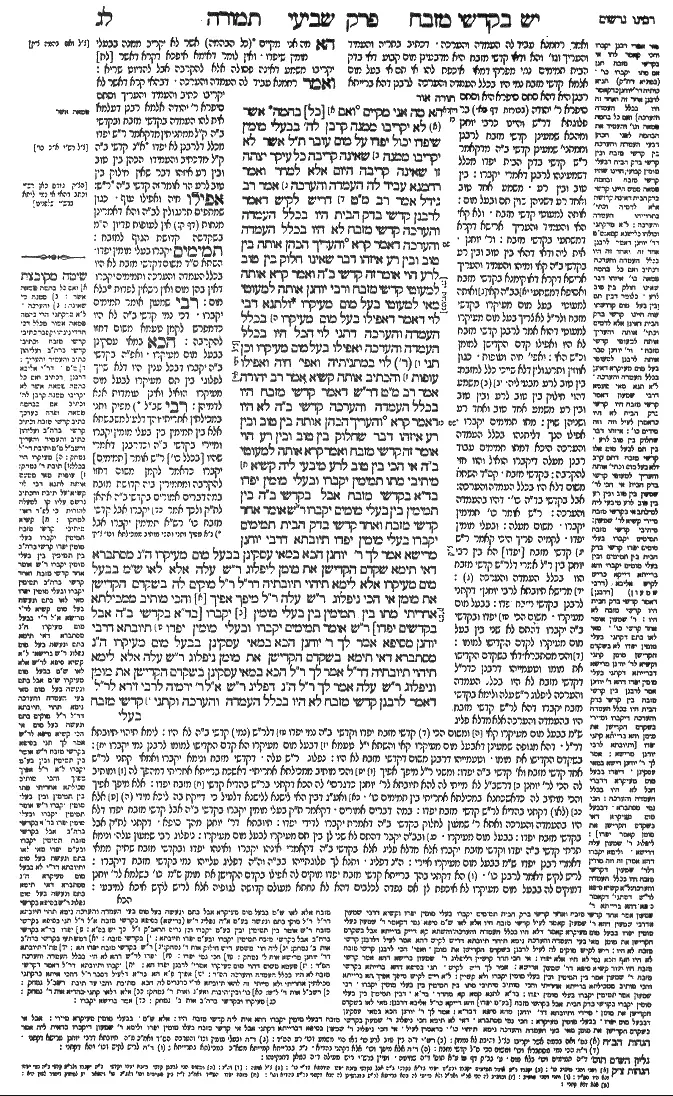
Temurah 33a - Guemara
הא מה אני מקיים (ויקרא כז, יא) ואם [כל] בהמה אשר לא יקריבו ממנה קרבן לה' בבעלי מומין שיפדו יכול יפדו על מום עובר ת"ל אשר לא יקריבו ממנה שאינה קריבה כל עיקר יצתה זו שאינה קריבה היום אלא למחר ואמר רחמנא עביד לה העמדה והערכה אמר רב גידל אמר רב מ"ט דריש לקיש דאמר לרבנן קדשי בדק הבית היו בכלל העמדה והערכה קדשי מזבח לא היו בכלל העמדה והערכה דאמר קרא (ויקרא כז, יב) והעריך הכהן אותה בין טוב ובין רע איזהו דבר שאינו חלוק בין טוב לרע הוי אומר זה קדשי ב"ה ואמר קרא אותה למעוטי קדשי מזבח ורבי יוחנן אותה למעוטי מאי למעוטי בעל מום מעיקרו ולתנא דבי לוי דאמר דאפילו בעל מום מעיקרו בכלל העמדה והערכה דתני לוי הכל היו בכלל העמדה והערכה ואפילו בעל מום מעיקרו וכן תני (ר') לוי במתניתיה ואפי' חיה ואפילו עופות והכתיב אותה קשיא אמר רב יהודה אמר רב מ"ט דר"ש דאמר קדשי מזבח היו בכלל העמדה והערכה קדשי ב"ה לא היו דאמר קרא (ויקרא כז, יב) והעריך הכהן אותה בין טוב ובין רע איזהו דבר שחלוק בין טוב ובין רע הוי אומר זה קדשי מזבח ואמר קרא אותה למעוטי ב"ה אי הכי בין טוב לרע מיבעי ליה קשיא מיתיבי מתו תמימין יקברו ובעלי מומין יפדו בד"א בקדשי מזבח אבל בקדשי ב"ה בין תמימין בין בעלי מומים יקברו ר"ש אומר אחד קדשי מזבח ואחד קדשי בדק הבית תמימים יקברו בעלי מומין יפדו תיובתא דרבי יוחנן מרישא אמר לך ר' יוחנן הכא במאי עסקינן בבעל מום מעיקרו ה"נ מסתברא דאי תימא שקדם הקדישן את מומן ליפלוג ר"ש עלה אלא לאו ש"מ בבעל מום מעיקרו אלא לימא תיהוי תיובתיה דר"ל ר"ל מוקים לה בשקדם הקדישן את מומן אי הכי ניפלוג ר"ש עלה ר"ל מיפך אפיך והכי מותיב ממכילתא אחריתי מתו בין תמימין בין בעלי מומין יקברו ר"ש אומר תמימים יקברו ובעלי מומין יפדו תיובתא דרבי יוחנן מסיפא אמר לך ר' יוחנן הכא במאי עסקינן בבעל מום מעיקרו ה"נ מסתברא דאי תימא בשקדם הקדישן את מומן ניפלוג ר"ש עלה אלא לימא תיהוי תיובתיה דר"ל אמר לך ר"ל הכא במאי עסקינן בשקדם הקדישן את מומן וניפלוג ר"ש עלה אמר לך ר"ל ה"נ דפליג ר"ש א"ל ר' ירמיה לרבי זירא לר"ל דאמר לרבנן קדשי מזבח לא היו בכלל העמדה והערכה וקתני קדשי מזבח
Comments from Rashi on Masechet Temurah Page 33a
ואמר רחמנא עביד לה העמדה והערכה . דכתיב בתריה והעמיד והעריך וגו' והא ודאי קדשי מזבח היא מדבעינן מום קבוע דאי בדק הבית תמימים נמי מפרקי דמאי איכפת להו אי תם אי בעל מום. אלמא קדשי מזבח נמי היו בכלל העמדה והערכה לרבנן דהא ברייתא רבנן היא דהא סתם סיפרא היא וסתם סיפרא ר' יהודה (בכורות דף סא.) בר פלוגתא דר"ש והיינו כרבי יוחנן. ומהכא שמעינן קדשי מזבח לרבנן וממתני' שמעינן קדשי ב"ה מדקאמר ר"ש קדשי בדק הבית יפדו מכלל דשמעינהו לרבנן דאמרי יקברו: בין טוב ובין רע . משמע אחד טוב ואחד רע דשניהן שוין תם ובעל מום: אותה למעוטי קדשי מזבח . ולא קאי האי והעמיד והעריך ארישא דקרא דמשתעי בקדשי מזבח: ור' יוחנן . אית ליה ודאי דהאי בין טוב ובין רע בקדשי ב"ה קאי ומיהו והעמיד והעריך ארישא דקרא דאוקימנא בקדשי מזבח ואסיפא דמשתעי בב"ה קאי ואותה למעוטי בעל מום מעיקרו בקדשי מזבח. ולר"ל לא צריך בעל מום מעיקרו למעוטי דהוא אמר לרבנן קדשי מזבח לא היו ואפילו קדם הקדישן למומן וכ"ש האי: ואפי' חיה ועופות . כגון אווזין ותרנגולין דלא שייכי כלל למזבח: בין טוב לרע מבעי ליה . משמע דהוי חילוק בין טוב לרע ובין טוב ובין רע משמע אחד טוב ואחד רע ושניהן שוין: מתו תמימים יקברו . אפילו הנך דליתנהו בכלל העמדה והערכה היכא דמתו תמימים עבוד רבנן מעלה דיקברו הואיל והוו חזי להקרבה: בקדשי מזבח . קס"ד השתא משום דלא היו בכלל העמדה והערכה: אבל בקדשי בד"ה כו' . דהיו בהעמדה והערכה: ר"ש אומר כו' תמימין יקברו . משום מעלה: ובעלי מומין יפדו . לקמיה פריך היכי קאמר ר"ש קדשי מזבח [יפדו] הא בין רבי יוחנן בין ר"ל אמרי דלר"ש קדשי מזבח הוו בכלל העמדה והערכה: מרישא תיובתא לרבי יוחנן . דקתני לרבנן בקדשי מזבח יפדו: בבעל מום מעיקרו . משום הכי יפדו ובקדשי ב"ה יקברו דהתם לא שני בין בעל מום מעיקרו לקדם הקדישו למומו: והכי מסתברא דאי בשקדם הקדישו את מומו . וטעמייהו דרבנן כדר"ל דקדשי מזבח לא היו בכלל העמדה והערכה ליפלוג ר"ש עלה ולימא בקדשי מזבח יקברו דהא לר"ש קדשי מזבח היו בהעמדה והערכה אלא מדלא פליג ש"מ בבעל מום מעיקרו קאי ומשום הכי קדשי מזבח יפדו וקדשי ב"ה נמי יפדו דלר"ש (נמי) קדשי ב"ה לא היו: לימא תיהוי תיובתא דר"ל . דהא מגופה שמעינן דאבעל מום מעיקרו קאי והשתא י"ל טעמא דבעל מום מעיקרו הא קדם הקדישו למומו לרבנן נמי יקברו: בשקדם הקדישו את מומו . וטעמייהו דרבנן משום דקדשי מזבח לא היו: נפלוג ר"ש עלה . דקדשי מזבח ונימא יקברו ואמאי קתני לר"ש אחד קדשי מזבח וא' קדשי ב"ה יפדו: ומשני ר"ל מיפך אפיך והכי מותיב ממכילתא אחריתי . דאשכח ברייתא אחריתי דמהפך לה ומותיב לה הכי לר' יוחנן דרשב"ל לא מייתי לה להא תיובתא לר' יוחנן כדגרסי' לה הכא דקתני בר"ש בהדיא קדשי מזבח יפדו: אלא מיפך אפיך והכי מותיב לה כדאשכחנא במכילתא אחריתי בין תמימים כו' . ואע"ג דבין האי לישנא ללישנא דלעיל כי דייקת בה ליכא מידי אלא (לאו) דקתני בהדיא לר"ש קדשי מזבח יפדו: במה דברים אמורים . דקאמר ת"ק בעלי מומין יקברו בקדשי ב"ה אבל קדשי מזבח יפדו דלא היו בהעמדה והערכה ואתא ר' שמעון לחלוק בקדשי ב"ה דאמרת יקברו לדידי יפדו: תיובתא דר' יוחנן מהך סיפא . דקתני לת"ק אבל בקדשי מזבח יפדו: בבעל מום מעיקרו . ובב"ה יקבר דהתם לא שני לן בין תם מעיקרו לבעל מום מעיקרו: ניפלוג רבי שמעון עלה . ונימא תרתי קדשי ב"ה יפדו וקדשי מזבח יקברו אלא מדלא פליג אלא בקדשי ב"ה דקאמרי אינהו יקברו ואינהו יפדו ובקדשי מזבח שתיק ממאי דאמרי רבנן יפדו ש"מ בבעל מום מעיקרו איירי: ה"נ דפליג . ותנא לך פלוגתייהו בב"ה וה"ה דפליג עלייהו נמי בקדשי מזבח דיקברו: לריש לקיש דאמר לרבנן כו' . הא דקתני בהך ברייתא קדשי מזבח יפדו מוקים לה אפילו בקדם הקדישן את מומן ש"מ כו' בשלמא לר' יוחנן דמוקים לה בבעל מום מעיקרו לא איכפת לן אם נפדה לכלבים דהא לא נחתא מעולם קדושה לגופיה אלא לריש לקיש איכא למיבעי:
Comments from Tosafot - Temurah 33a
הא מה אני מקיים (כל הבהמה) אשר לא יקריב ממנה בבעלי מומין שיפדו . ואין לומר דאימא איפכא דקרא דאשר [לא] יקריבו משמע דאינה פסולה אלא להקרבה אבל להדיוט שריא: ואמר רחמנא עביד לה העמדה והערכה . דבהאי קרא דאשר לא יקריבו כתיב והעמיד והעריך וסתם סיפרא ר' יהודה אלמא רבנן דעלמא אית להו העמדה בקדשי מזבח ובקדשי ב"ה ק"ל ממתניתין מדקאמר ר"ש יפדו מכלל דלרבנן לא יפדו א"נ קדשי ב"ה ק"ל מדכתיב והעמידו הכהן בין טוב ובין רע איזהו דבר שאין חילוק בין טוב לרע הוי אומר זה קדשי ב"ה ר"ש: אפילו חיה ואפילו עוף . כגון שמתפיס תרנגולין לב"ה והא דאמרינן מנחות (דף ק:) אין לעופות פדיון ה"מ בשקדשה קדושת הגוף למזבח: תמימים יקברו בעלי מומין יפדו . השתא ס"ד משום דקדשי מזבח לא היו בכלל העמדה והערכה ותמימים יקברו דאין בהן מום ואין רשאין לפדות בלא מום: רבי שמעון אומר תמימים יקברו . דכי נמי קדשי ב"ה לא היו כדמפרש לקמן טעמא משום דחזו להקרבה: הכא במאי עסקינן בבעל מום מעיקרו . ואפ"ה בקדשי ב"ה יקברו דבכל ענין היו דלא שייך לפלוגי בין תם מעיקרו לבעל מום מעיקרו הואיל ואינן עומדות אלא לדמיהן: רבי שב"ל מפיק ותני במכילתין אחריתי . והך דלעיל משבשתא אלא בין תמימין בין בעלי מומין יקברו ומיירי בקדשי ב"ה וכדרבנן דאמרי שהיו [בכלל כו'] ר"ש אומר [תמימים] יקברו כדאמר לקמן משום דחזו להקרבה ומחמירין ביה קדושת מזבח במה דברים אמורים בקדשי ב"ה אתאן לת"ק ולכך אמר יקברו אבל קדשי מזבח כו' רש"א תמימין יקברו אבל בעלי מומין יפדו דלא היו בכלל העמדה תיובתא דרבי יוחנן אמר לך רבי יוחנן כו' תיובתא דרשב"ל ה"נ דפליג ר"ש ודקדק רש"י דברייתא קמייתא נמי נימא הכי ומאי אולמיה דהאי בתרייתא וי"ל דלא דמי דהא אקמייתא ליכא למימר הכי דאם בעלי מומין דת"ק מיירי שהוממו אחר הקדשן ובקדשי מזבח סברא הוא לומר דר' שמעון דקאמר במילתיה אחד קדשי מזבח יפדו בבעלי מומין דתנא קמא מיירי שהוממו אחר שהוקדשו אבל בהך בתרייתא דר"ש לא איירי במילתיה כלל בקדשי מזבח ובחד מילתיה הוא דרבנן דאמר אבל בקדשי מזבח בעלי מומין יפדו מיירי שפיר בשקדם הקדשן ור"ש פליג עלייהו אבל לכך שנה התנא למילתיה משום דבמילתיה לא הזכיר כלל קדשי מזבח ולא גילה בדעתו כלל מה אומר בקדשי מזבח:
Temurah 33a - Mishnah translated into english
But if the halakha of standing and valuation is already mentioned with regard to a non-kosher animal, how do I realize the meaning of the verse: “And if it be any non-kosher animal, of which they may not bring an offering unto the Lord, then he shall set the animal before the priest. And the priest shall value it.” The verse is referring to blemished animals, which are unfit for sacrifice just like non-kosher animals, and it teaches that they can be redeemed.
The baraita continues: One might have thought that any blemished animal can be redeemed, even for a temporary blemish. Therefore, the verse states: “Non-kosher animal, of which they may not bring an offering,” which indicates that only a blemished animal that may not be sacrificed at all, i.e., one with a permanent blemish, is redeemed. This animal with a temporary blemish is thereby excluded, as it may not be sacrificed today, but it may be sacrificed tomorrow.
The Gemara concludes its reasoning: And the Merciful One states that one should perform standing and valuation for a blemished animal, in accordance with the verse “Then he shall set the animal before the priest. And the priest shall value it.” Since the verse requires that the animal have a permanent blemish to be redeemed, it must be referring to an animal consecrated for the altar, as all animals consecrated for Temple maintenance may be redeemed, even unblemished ones. Furthermore, as this is an unattributed baraita that appears in the Sifra, it is in accordance with the opinion of Rabbi Yehuda, the disputant of Rabbi Shimon, and therefore it follows the opinion of the Rabbis of the mishna. It may therefore be concluded from the baraita that the Rabbis hold that one redeems an animal consecrated for the altar with standing and valuation, as maintained by Rabbi Yoḥanan.
§ The Gemara analyzes the opinion of Reish Lakish. Rav Giddel said that Rav said: What is the reasoning of Reish Lakish, who said that according to the Rabbis, animals consecrated for Temple maintenance were included in the halakha of standing and valuation, whereas animals consecrated for the altar were not included in the halakha of standing and valuation? The reasoning is that the verse states: “Then he shall set the animal before the priest. And the priest shall value it, whether it be good or bad” (Leviticus 27:12).
Rav explained: What is an item for which the halakha is not divided between good and bad, i.e., where there is no difference between unblemished and blemished animals? You must say that this is an item consecrated for Temple maintenance, which has the same sanctity whether blemished or unblemished. And the verse states: “And the priest shall value it.” The restrictive term “it” serves to exclude animals consecrated for the altar from the halakha of standing and valuation.
The Gemara asks: And according to Rabbi Yoḥanan, who says that according to the Rabbis, animals consecrated for the altar are also included in the obligation of standing and valuation, the term “it” serves to exclude what? The Gemara responds: It serves to exclude from the halakha of standing and valuation an animal that was blemished from the outset and was consecrated for the altar.
The Gemara raises a difficulty: But this is problematic according to the tanna of the school of Levi, who said that even an animal that was blemished from the outset is included in the halakha of standing and valuation. As Levi taught: Everything was included in the halakha of standing and valuation, even an animal blemished from the outset. And Levi taught likewise in his baraita: Even an undomesticated animal, and even birds that are not brought as offerings, e.g., geese, are included in the halakha of standing and valuation. But isn’t it written “it,” which must serve to exclude some animal from the obligation of standing and valuation? If so, how can Levi teach that everything is included? The Gemara concludes: Indeed, this poses a difficulty.
The Gemara discusses the opinion of Rabbi Shimon in the mishna. Rav Yehuda said that Rav said: What is the reasoning of Rabbi Shimon, who said that animals consecrated for the altar were included in the halakha of standing and valuation, and therefore if they died without redemption they are buried, but animals consecrated for Temple maintenance were not included in this halakha? As the verse states: “Then he shall set the animal before the priest. And the priest shall value it, whether it be good or bad” (Leviticus 27:11–12). What is an item for which the halakha is divided between good and bad, i.e., between an unblemished and blemished animal? You must say that this is an animal consecrated for the altar, and the verse states: “And the priest shall value it,” which serves to exclude animals consecrated for Temple maintenance from the halakha of standing and valuation.
The Gemara asks: If so, that the verse is referring to a consecration for which there is a distinction between good and bad, then it should have stated: And the priest shall value it between good and bad, to indicate that this distinction is made. The term “whether it be good or bad” indicates that the two types have the same halakha, as claimed by the Rabbis. The Gemara concludes: This poses a difficulty for the opinion of Rabbi Shimon.
§ The Gemara raises an objection to the opinions of Rabbi Yoḥanan and Reish Lakish from a baraita: With regard to consecrated animals that died, if they were unblemished they are not redeemed and shall be buried, and if they were blemished they can be redeemed. In what case is this statement said? It is said with regard to animals consecrated for the altar. But with regard to animals consecrated for Temple maintenance, both unblemished and blemished animals shall be buried. This is the statement of the Rabbis.
Rabbi Shimon says: Both in a case where the animals that died were consecrated for the altar and in a case where they were consecrated for Temple maintenance, if they were unblemished they can be buried, and if they were blemished they can be redeemed. This is apparently a conclusive refutation of the statement of Rabbi Yoḥanan, from the first clause of the baraita, as Rabbi Yoḥanan holds that according to the Rabbis, both animals consecrated for the altar and those consecrated for Temple maintenance are included in the halakha of standing and valuation and are buried if they died.
The Gemara answers that Rabbi Yoḥanan could say to you: What are we dealing with here? We are dealing with an animal that was blemished from the outset. In such a case, the Rabbis rule that the animal was not included in the halakha of standing and valuation and is therefore redeemed if it dies. But a consecrated animal that subsequently developed a blemish and died must be buried.
The Gemara adds: So too, it is reasonable that the baraita is discussing animals blemished from the outset, as, if you say that it is referring to animals whose consecrations preceded their blemishes, then Rabbi Shimon should disagree with the Rabbis on this point and maintain that such blemished animals consecrated for the altar should be buried, not redeemed. After all, Rabbi Shimon holds that animals consecrated for the altar are included in the halakha of standing and valuation. Rather, must one not conclude from this that the baraita is dealing with an animal that is blemished from the outset?
The Gemara raises a difficulty: But if the baraita is referring to animals blemished from the outset, and for this reason the Rabbis hold that the animal is redeemed, then it may be inferred that the Rabbis maintain that if the animal developed a blemish after its consecration and died, it must be buried. If so, let us say that the baraita is a conclusive refutation of the opinion of Reish Lakish, who maintains that according to the Rabbis, animals consecrated for the altar were not included in the halakha of standing and valuation and are redeemed if they died.
The Gemara responds: Reish Lakish interprets the baraita as referring to animals whose consecrations preceded their blemishes. Consequently, the statement of the Rabbis is in accordance with his opinion that animals consecrated for the altar were not included in the halakha of standing and valuation and are therefore redeemed if they died. The Gemara asks: If so, then the earlier question recurs, as Rabbi Shimon should disagree with the statement of the Rabbis and say that such blemished animals consecrated for the altar are buried.
The Gemara answers: Reish Lakish reverses the text of that baraita, i.e., he maintains that in that baraita, Rabbi Shimon explicitly states that animals consecrated for the altar are buried, whether they are unblemished or blemished. And he raises his objection to the opinion of Rabbi Yoḥanan from another baraita, like this: With regard to consecrated animals that died, whether they were unblemished or blemished, they shall be buried. With regard to what case is this ruling stated? It is stated with regard to animals consecrated for the altar, but in the case of animals consecrated for Temple maintenance, they can be redeemed. This is the statement of the Rabbis.
The baraita continues: Rabbi Shimon says: With regard to animals consecrated for Temple maintenance that died, if they were unblemished they shall be buried, and if they were blemished they can be redeemed. This is apparently a conclusive refutation of the opinion of Rabbi Yoḥanan, from the latter clause of the statement of the Rabbis in this baraita. According to the baraita, the Rabbis rule that animals consecrated for the altar are redeemed, whereas according to Rabbi Yoḥanan, the Rabbis maintain that animals consecrated for the altar are buried.
The Gemara answers that Rabbi Yoḥanan could say to you: What are we dealing with here? We are dealing with an animal that was blemished from the outset. The Gemara notes: So, too, it is reasonable that the baraita is referring to animals blemished from the outset, as, if you say that it is dealing with animals whose consecrations preceded their blemishes, and the Rabbis hold that animals consecrated for Temple maintenance are buried whereas those consecrated for the altar are redeemed, then Rabbi Shimon should disagree with the statement of the Rabbis on both accounts, rather than disagreeing merely in the case of animals consecrated for Temple maintenance.
The Gemara asks: But if so, let us say that the baraita is a conclusive refutation of the opinion of Reish Lakish, as Rabbi Shimon does not disagree with the Rabbis in the case of animals consecrated for the altar. The Gemara answers that Reish Lakish could say to you: What are we dealing with here? We are dealing with animals whose consecrations preceded their blemishes. The Gemara reiterates: But in that case, Rabbi Shimon should disagree with the Rabbis. The Gemara responds: Reish Lakish could say to you: Indeed, Rabbi Shimon disagrees with the Rabbis even with regard to animals consecrated for the altar. The baraita mentions Rabbi Shimon’s opinion only with regard to consecrations for Temple maintenance, but he also disagrees with regard to consecrations for the altar.
§ The Gemara further discusses the dispute between Rabbi Yoḥanan and Reish Lakish. Rabbi Yirmeya said to Rabbi Zeira: According to Reish Lakish, who says that according to the Rabbis, animals consecrated for the altar were not included in the halakha of standing and valuation, and it is taught with regard to animals consecrated for the altar
Traduction : The William Davidson digital edition of the Koren Noé Talmud, with commentary by Rabbi Adin Even-Israel Steinsaltz.
Temurah 33a : Significance
Next step
Finished studying Temurah 33a? Carry on with the rest of the tractate.
Study Temurah 33bFrequently asked questions: Temurah 33a
Where is Temurah 33a in tractate Temurah?
Temurah 33a is page 63 of 65 in tractate Temurah (Seder Kodashim).
When is daf 33 of Temurah studied in Daf Yomi?
Daf Yomi covers one daf a day, both sides. Daf 33 of Temurah will be studied on January 22, 2027.
Is there a video class on Temurah 33a?
Yes, by Rabbi Dr. Moshe Weisblum. These classes were published on YouTube by their authors and are gathered on this site.
What is tractate Temurah about?
The Masechet Temura is the sixth tractate of the Seder Kodashim. The Temoura gemara is the study of the prohibition to change the sanctity of an animal with another, unsanctified. The Temoura tractate has 7 chapters.
Your study is also dedicated to them
- L'ilui Nishmat Amram ben Itshak Loubaton
- L'ilui Nishmat Nissim ben Barukh Malka
- L'ilui Nishmat Yechayahou ben Moche