 Talmud Bavli
The learning on the whole site is dedicated : For the success of Elyahou ben H'anna & family
The learning on the whole site is dedicated : L'ilui Nishmat Ledicia bat David Banoun
The learning on the whole site is dedicated : L'ilui Nishmat Margalit bat Ledicia
Temurah 32b : Youtube
Rabbi Dr. Moshe WeisblumYoutube
1 video class :
Temurah Page 32b
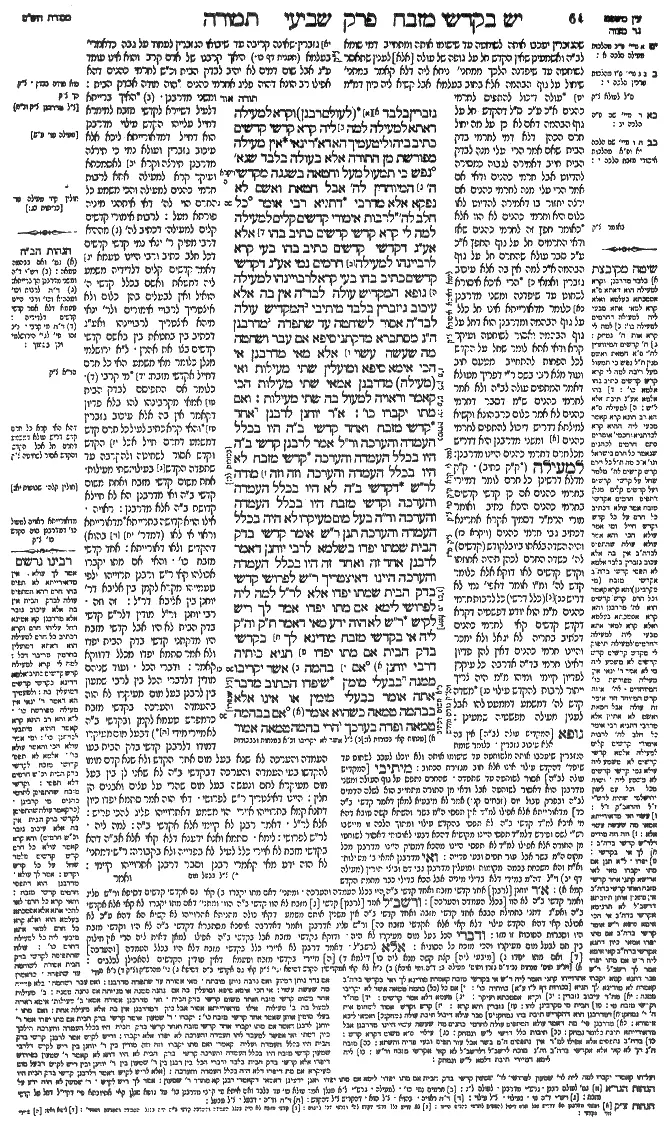
Temurah 32b - Guemara
גזברין בלבד (לעולם רבנן) וקרא למעילה דאתא למעילה למה ליה קרא קדשי קדשים כתיב ביה וליטעמיך הא דא"ר ינאי אין מעילה מפורשת מן התורה אלא בעולה בלבד שנא' (ויקרא ה, טו) נפש כי תמעול מעל וחטאה בשגגה מקדשי ה' המיוחדין לה' אבל חטאת ואשם לא נפקא אלא מדרבי דתניא רבי אומר (ויקרא ג, טז) כל חלב לה' לרבות אימורי קדשים קלים למעילה למה לי קרא קדשי קדשים כתיב בהו אלא אע"ג דקדשי קדשים כתיב בהו בעי קרא לרביינהו למעילה חרמים נמי אע"ג דקדשי קדשים כתיב בהו בעי קרא לרבויינהו למעילה גופא המקדיש עולה לבד"ה אין בה אלא עיכוב גיזברין בלבד מיתיבי המקדיש עולה לבד"ה אסור לשוחטה עד שתפדה מדרבנן ה"נ מסתברא מדקתני סיפא אם עבר ושחטה מה שעשה עשוי אלא מאי מדרבנן אי הכי אימא סיפא ומועלין שתי מעילות ואי (מעילה) מדרבנן אמאי שתי מעילות הכי קאמר וראויה למעול בה שתי מעילות ואם מתו יקברו כו' א"ר יוחנן לרבנן אחד קדשי מזבח ואחד קדשי ב"ה היו בכלל העמדה והערכה ור"ל אמר לרבנן קדשי ב"ה היו בכלל העמדה והערכה קדשי מזבח לא היו בכלל העמדה והערכה וזה וזה מודה לר"ש דקדשי ב"ה לא היו בכלל העמדה והערכה וקדשי מזבח היו בכלל העמדה והערכה וד"ה בעל מום מעיקרו לא היה בכלל העמדה והערכה תנן ר"ש אומר קדשי בדק הבית שמתו יפדו בשלמא לרבי יוחנן דאמר לרבנן אחד זה ואחד זה היו בכלל העמדה והערכה היינו דאיצטריך ר"ש לפרושי קדשי בדק הבית שמתו יפדו אלא לר"ל למה ליה לפרושי לימא אם מתו יפדו אמר לך ריש לקיש ר"ש לא הוה ידע מאי דאמר ת"ק וה"ק ליה אי בקדשי מזבח מודינא לך בקדשי בדק הבית אם מתו יפדו תניא כותיה דרבי יוחנן (ויקרא כז, ט) אם בהמה אשר יקריבו ממנה בבעלי מומין שיפדו הכתוב מדבר אתה אומר בבעלי מומין או אינו אלא בבהמה טמאה כשהוא אומר (ויקרא כז, כז) אם בבהמה טמאה ופדה בערכך הרי בהמה טמאה אמור
Comments from Rashi on Masechet Temurah Page 32b
גזברין . שאינה קריבה עד שיבואו הגזברין לעמוד על גבה כדאמרי' בעלמא (תענית דף כו.) היאך קרבנו של אדם קרב והוא אינו עומד ע"ג אבל שום דמים לא יהיב לבדק הבית וכ"ש לחרמי כהנים דהא אפילו רב הונא דהוה פליג אחרמי כהנים הוה מודה אבדק הבית: ומשני מדרבנן . האיך ברייתא דלעיל דשיירא לקדשי מזבח למימרא דחייל עלייהו הקדש עילוי מדרבנן הוא דחייל דמדאורייתא ליכא אלא עיכוב גזברין ועולא נמי כי תירצה מדרבנן תירצה וקרא לאסמכתא ועיקר קרא למעילה אתא לרבות חרמי כהנים למעילה והכי משמע כל החרם הוי לה' דאי איתהני מיניה פורתא מעל:
לרבות אימורי קדשים קלים למעילה . דכתיב לה'. מההיא דרבי מפיק ר' ינאי נמי קדשי קדשים דכל חלב כתיב ורבי היינו טעמא דאמר קדשים קלים דלדידיה משמע ליה דחטאת ואשם בכלל קדשי ה' הואיל ואין לבעלים בהן כלום ולא איצטריך לרבויי אימורים ולר' ינאי מיהא איצטריך לרבויינהו ואע"ג דכתיב בין בחטאת בין באשם קדשי קדשים בצו את אהרן.
ל"א ירושלמי מנלן כלומר מאי משמע האי כל חרם דחייל אקדשי מזבח: מי קרבי . כלומר אם התפיסם לבדק הבית אמאי מקרבינהו להו בלא פדיון דקאמר אין בה אלא עיכוב גזברין והאי קרא כתיב לעיל כל חרם קדש דמשמע דחרם חייל אכל הקדש וקדש אסור לשחיטה ולהקרבה עד שתפדה הקדש בעילוי: שתי מעילות . אחת משום קדשי מזבח ואחת משום קדשי ב"ה ואי מדרבנן הא לא חיילא קדושת ב"ה אלא מדרבנן: ראויה . אילו הויא קדושה בתרייתא מדאורייתא וראוי אי לאו (דמדר' בהוא) דהקדיש ולאו דאורייתא: אחד קדשי מזבח כו' . והאי אם מתו יקברו אכולהו קאי. ר"ש ורבנן תרוייהו ילפי טעמייהו מקרא לקמן בין אליבא דר' יוחנן בין אליבא דר"ל: זה וזה . רבי יוחנן ור"ל מודין דלר"ש קדשי בדק הבית לא היו אבל קדשי מזבח היו מדקתני קדשי בדק הבית יפדו ולא אמר סתמא יפדו מכלל דדווקא קאמר: ודברי הכל . ועוד שניהם מודין דלדברי הכל בין לרבי שמעון בין לרבנן בעל מום מעיקרו לא הוה בהעמדה והערכה בקדשי מזבח כדמפרש טעמא לקמן ובקדשי ב"ה לא מיירי מידי דבעל מום מעיקרו דמודו דלרבנן קדשי בדק הבית בעו העמדה והערכה לא שנא בעל מום אחר הקדש ולא שנא קדם מומו להקדשו בעי העמדה והערכה דבקדשי ב"ה לא שאני לן בין בעל מום מעיקרא לתם ונעשה בעל מום שהרי על עצים ואבנים הן חלין:
היינו דאיצטריך ר"ש לפרושי . דאי הוה אמר סתמא יפדו כיון דתנא קמא בתרוייהו איירי הוי משמע דאתרוייהו פליג להכי פריש: אלא לר"ל . דאמר רבנן לא קיימי אלא אקדשי ב"ה: למה ליה . לר"ש לפרושי: לימא . סתמא ואנא ידענא דלא קאי אלא אב"ה דהא בקדשי מזבח לא איירי כלל לעיל לא בפדייה ולא בקבורה: ר"ש . דמתני' לא הוה ידע מאי קאמרי רבנן וסבר דרבנן אתרוייהו קיימי:
Comments from Tosafot - Temurah 32b
למעילה (ק"ק כתיב) . ק"ק מדלא דרשינן כל חרם לומר דמיירי בחרמי כהנים אם כן קדשי קדשים בחרמי כהנים היכא כתיב ואומר מורי הרמ"ר דסמיך אקרא אחרינא דכתיב גבי חרמי כהנים (ויקרא כז) והיה השדה בצאתו ביובל קודש (קדשים) לה' כשדה החרם לכהן תהיה אחוזתו וקדש קדשים לאו דוקא אלא כלומר קדש לה' ומ"ו אומר דאפי' נמי לא דריש (כלל דרשי) כל לרבות חרמי כהנים מ"מ הוא יודע דפשטיה דקרא דקדש קדשים קאי לחרמי כהנים דכתיב בתריה לא יגאל ולא ימכר והיינו חרמי כהנים דאין להן פדיון דאילו חרמי בד"ה אדרבה כל עיקרן לפדיון קיימי ומיהו מ"מ היה צריך ייתור לרבות להקדש עילוי משדה קדש לה' דמשמע דממעט להו אבל לענין מעילה מפשטיה שמעינן: גופא [המקדיש עולה לב"ה] אין בה אלא עיכוב גזברין . כלומר שומת הגזברין שיעכבו אותה מלשוחטה עד שישומו אותה ולא יוכלו לעכב לשחוט עד שיפד' דהקדש עילוי אינו אלא חוב מגזירת הכתוב: מיתיבי [המקדיש עולה לב"ה] אסור לשוחטה עד שתפדה . שהחרם נתפס על גוף העולה ומשני מדרבנן הוא דאסור לשוחטה אבל ודאי מן התורה מתחייב הוא לשלם הדמים לב"ה ובפרק טבול יום (זבחים קג.) אמר לא מיבעיא למאן דאמר קדשי ב"ה מדאורייתא אלא אפילו למ"ד אין תפסי ה"מ בשר והשתא קשה טובא דהא מי איכא למ"ד קדשי ב"ה לא תפסי בהקדש עילוי ומתוך הלכה זו מיישבו רש"י לשם ופירש דלמ"ד תפסי היינו מקושיא דהכא דבעי לאוכוחי דאסור לשוחטו מן התורה אלא אפילו למ"ד לא תפסי היינו מהכא דמסיק היינו מדרבנן מכל מקום ה"מ בשר אבל עור תפיס ובעי פדייה: ואי מדרבנן אמאי ב' מעילות . וא"ת והא משכחת בכמה מקומות ומועלין מדרבנן גבי דם וביצי תורין (מעילה דף יב) וי"ל דה"מ במידי דלא בדילי מיניה אבל הכא בדילי כבר מחמת הקדש קמא: א"ר יוחנן [לרבנן] אחד קדשי מזבח ואחד קדשי ב"ה היו בכלל העמדה והערכה . ומתני' דאם מתו יקברו קאי גם אקדשי קדשים דסיפא ור"ש פליג ואמר קדשי ב"ה לא הוו [בכלל העמדה והערכה]: ורשב"ל אמר [לרבנן] קדשי מזבח לא הוו קדשי ב"ה הוו . ומתני' דאם מתו יקברו לא קאי אלא אקדשי ב"ה ואע"ג דתני בתחילת הבבא אחד קדשי מזבח ואחד קדשי ב"ה אין משנין אותם משמע דקאי כולה מתניתא אתרוייהו לא קשיא הא דהא ע"כ לא אכולה קאי דהא הקדש עילוי דלא קאי אלא אקדשי מזבח ור"ש פליג אדרבנן ואמר דאדרבה איפכא מסתברא דקדשי ב"ה לא היו וקדשי מזבח היו וסברות הפוכות זו מזו: ודברי הכל בעל מום מעיקרו לא היה . ודוקא בקדשי מזבח אבל בקדשי ב"ה אפילו למאן דאית ליה הרי אין חילוק בין תם לבעל מום מעיקרו והכי מוכח כל הסוגיא: אלא לרשב"ל . דאמר דרבנן לא איירי כלל בקדשי מזבח דלא היו בכלל העמדה [והערכה] ואם מתו יפדו [מיבעי ליה] קצת קשה מנא ליה דילמא מיירי בקדשי מזבח וטעמא דאין פודין הקדשים להאכילן לכלבים:
Temurah 32b - Mishnah translated into english
the treasurers alone preventing the offering from being sacrificed. In other words, the owner of an offering must stand over the animal when it is sacrificed, and in the case of a burnt offering that was associated with a consecration for Temple maintenance, the Temple treasurer is the owner. Evidently, Ulla maintains that the offering does not require an appraisal for a consecration of its value before it may be sacrificed, despite the fact that it was associated with a consecration for Temple maintenance.
The Gemara responds: Actually, this halakha, that one who associates an animal consecrated for the altar with a consecration for Temple maintenance must give the value of the animal for Temple maintenance, was instituted by the Sages; by Torah law, there is only the delay attributed to the treasurers. This is also the opinion of Ulla. And as for the verse that Ulla cites as a source for the halakha that an animal consecrated for the altar can be associated with dedications to priests (Leviticus 27:28), it is mere support for this rabbinic law. The verse actually comes to teach that one is subject to the halakhot of misuse in the case of dedications to priests.
The Gemara asks: If the term in the verse “every dedicated item” serves to teach only that one is subject to the halakhot of misuse in the case of dedications to priests, why does one need this verse at all? After all, an expression of most holy is written in the verse, as it states: “Is most holy unto the Lord,” and the halakhot of misuse apply to all sanctified items.
The Gemara rejects this claim: And according to your reasoning, that liability for misuse in the case of dedications to priests is derived from the term “is most holy,” then consider that which Rabbi Yannai said: The halakhot of misuse are written explicitly in the Torah only in the case of one who misuses a burnt offering, as it is stated with regard to the guilt offering brought for misuse: “If anyone commit a trespass, and sin through error, in the holy items of the Lord” (Leviticus 5:15). The verse indicates only that one is liable for misuse of burnt offerings, which are exclusively for the Lord. But the fact that the halakhot of misuse apply to a sin offering or a guilt offering, from which the priests or owners partake, is derived only from that which Rabbi Yehuda HaNasi taught.
This is as it is taught in a baraita, that Rabbi Yehuda HaNasi says: The verse states at the conclusion of the passage discussing the sacrifice of a peace offering: “And the priest shall make them smoke upon the altar…all the fat is the Lord’s” (Leviticus 3:16). The word “all” serves to include the portions of offerings of lesser sanctity in the halakhot of misuse; all the more so is it the case that offerings of the most sacred order, e.g., a sin offering or guilt offering, are included.
The Gemara concludes its reasoning: Why, then, do I need a verse to include these offerings? After all, an expression of “most holy,” is written with regard to a sin offering and guilt offering. Rather, it must be that even though “most holy” is written with regard to them, nevertheless, a verse is required to include them in the halakhot of misuse. With regard to dedications as well, even though “most holy” is written with regard to them, a verse is required to include them in the halakhot of misuse.
§ The Gemara earlier cited a statement of Ulla with regard to one who associates a burnt offering with a consecration for Temple maintenance. The Gemara discusses the matter itself: One who consecrates a burnt offering for Temple maintenance has only the delay attributed to the treasurers alone preventing the offering from being sacrificed. The Gemara raises an objection to this opinion from a baraita: In the case of one who consecrates a burnt offering for Temple maintenance, it is prohibited to slaughter it until it is redeemed.
The Gemara explains that this baraita is referring to the halakha by rabbinic law; by Torah law, a burnt offering cannot be consecrated by means of a consecration of value, and only the presence of the treasurers is required for it to be sacrificed. The Gemara adds: This too stands to reason, from the fact that the latter clause of the baraita teaches: If he transgressed and slaughtered it before redeeming it what he did is done and he is not required to redeem it. But if the burnt offering must be redeemed by Torah law, how can the baraita state that what he did is done? Evidently, the burnt offering is redeemed by rabbinic law.
The Gemara asks: Rather, what will you say? Will you say that the baraita is referring to the halakha by rabbinic law? If so, say the last clause of the baraita: And anyone who derives benefit from this burnt offering misuses consecrated property on two counts of misuse, one for deriving benefit from an animal consecrated for the altar and one for deriving benefit from an item consecrated for Temple maintenance. But if the burnt offering is consecrated with a consecration of value by rabbinic law, why does one who derives benefit from this burnt offering misuse consecrated property on two counts of misuse? The Gemara explains that this is what the baraita is saying: And if the consecration of value of this burnt offering was by Torah law, it is fit to be liable for misuse on two counts of misuse.
§ The mishna cites a dispute between Rabbi Shimon and the Rabbis with regard to animals consecrated for the altar and animals consecrated for Temple maintenance. The Rabbis hold that if they died and were not redeemed, they cannot be redeemed and they must be buried, whereas Rabbi Shimon maintains that this is the halakha only with regard to animals consecrated for the altar; animals consecrated for Temple maintenance can be redeemed.
With regard to this dispute, Rabbi Yoḥanan says: According to the Rabbis, both animals consecrated for the altar and animals consecrated for Temple maintenance were included in the halakha of standing and valuation, as it states in the Torah with regard to the redemption of consecrated animals: “And if it be any unclean animal, of which they may not bring an offering unto the Lord, then he shall set the animal before the priest. And the priest shall value it, whether it be good or bad; as you the priest values it, so shall it be” (Leviticus 27:11–12). Any consecrated animal that cannot be stood before the priest, e.g., one that died, is not included in the halakha of standing and valuation and must be buried.
And Reish Lakish says: According to the Rabbis, animals consecrated for Temple maintenance were included in the halakha of standing and valuation, as that verse is discussing animals consecrated for Temple maintenance. Accordingly, if an animal consecrated for Temple maintenance died and was not redeemed, it must be buried without redemption. But animals consecrated for the altar were not included in the halakha of standing and valuation, as the verse is not referring to such animals. Accordingly, if they died they are redeemed.
The Gemara adds: And both this one and that one, Rabbi Yoḥanan and Reish Lakish, agree that according to Rabbi Shimon, animals consecrated for Temple maintenance were not included in the halakha of standing and valuation, and therefore if they died they are redeemed; and animals consecrated for the altar were included in the halakha of standing and valuation, and if they died they are not redeemed. And according to both Rabbi Yoḥanan and Reish Lakish, everyone agrees, both the Rabbis and Rabbi Shimon, that if one consecrated for the altar an animal that was blemished from the outset, the animal was not included in the halakha of standing and valuation and it may be redeemed if it died.
The Gemara raises an objection to the explanation of Reish Lakish: We learned in the mishna: Rabbi Shimon says that animals consecrated for Temple maintenance that died can be redeemed. The Gemara analyzes this statement of Rabbi Shimon: Granted, according to the explanation of Rabbi Yoḥanan, who said that according to the Rabbis, both this and that, i.e., animals consecrated for the altar and for Temple maintenance, were included in the halakha of standing and valuation and if they died they are not redeemed; this is why it was necessary for Rabbi Shimon to explain that specifically in the case of animals consecrated for Temple maintenance that died, they can be redeemed. This serves to emphasize that Rabbi Shimon disagrees with the Rabbis only with regard to animals consecrated for Temple maintenance, not those consecrated for the altar.
But according to the explanation of Reish Lakish, that the Rabbis hold that only animals consecrated for Temple maintenance may not be redeemed if they died, why must Rabbi Shimon explain that he is referring to animals consecrated for Temple maintenance? Let him say simply: If they died they can be redeemed, and it would be obvious that he is speaking of animals consecrated for Temple maintenance, for if he were referring to animals consecrated for the altar, even the Rabbis agree that they may be redeemed.
The Gemara answers: Reish Lakish could have said to you that Rabbi Shimon did not know what the first tanna said, i.e., he was unsure whether the statement of the first tanna, the Rabbis, that the animal must be buried without redemption, is referring to animals consecrated for Temple maintenance or to animals consecrated for the altar. And therefore, this is what Rabbi Shimon is saying to the first tanna: If your statement is referring to animals consecrated for the altar, that they are included in the halakha of standing and valuation and must be buried if they died without redemption, then I concede to you. By contrast, if your statement is referring to animals consecrated for Temple maintenance, then I disagree with you and rule that if they died they can be redeemed.
The Gemara notes that it is taught in a baraita in accordance with the opinion of Rabbi Yoḥanan: The verse states: “And if it be any non-kosher animal, of which they may not bring an offering unto the Lord, then he shall set the animal before the priest. And the priest shall value it” (Leviticus 27:11–12). The Sages teach that the verse is speaking of blemished animals, that they can be redeemed. The verse indicates that one redeems a blemished animal by means of standing and valuation.
The baraita continues: Do you say that the verse is speaking of blemished animals; or perhaps it is referring only to a non-kosher animal, and it is teaching that a non-kosher animal that was consecrated for Temple maintenance is redeemed through standing and valuation. The baraita answers: When it says later in that passage: “And if it be of a non-kosher animal, then he shall redeem it according to your valuation” (Leviticus 27:27), a non-kosher animal is thereby stated as subject to redemption.
Traduction : The William Davidson digital edition of the Koren Noé Talmud, with commentary by Rabbi Adin Even-Israel Steinsaltz.