 Talmud Bavli
The learning on the whole site is dedicated : L'ilui Nishmat Jacques Isaac Ben Amram Loubaton
The learning on the whole site is dedicated : L'ilui Nishmat Chemouel Eliezer ben Batcheva
The learning on the whole site is dedicated : L'ilui Nishmat יוסף בן מושה
Makkot 20a : Youtube
Daf TubeYoutube
2 video classes :
Makkot Page 20a
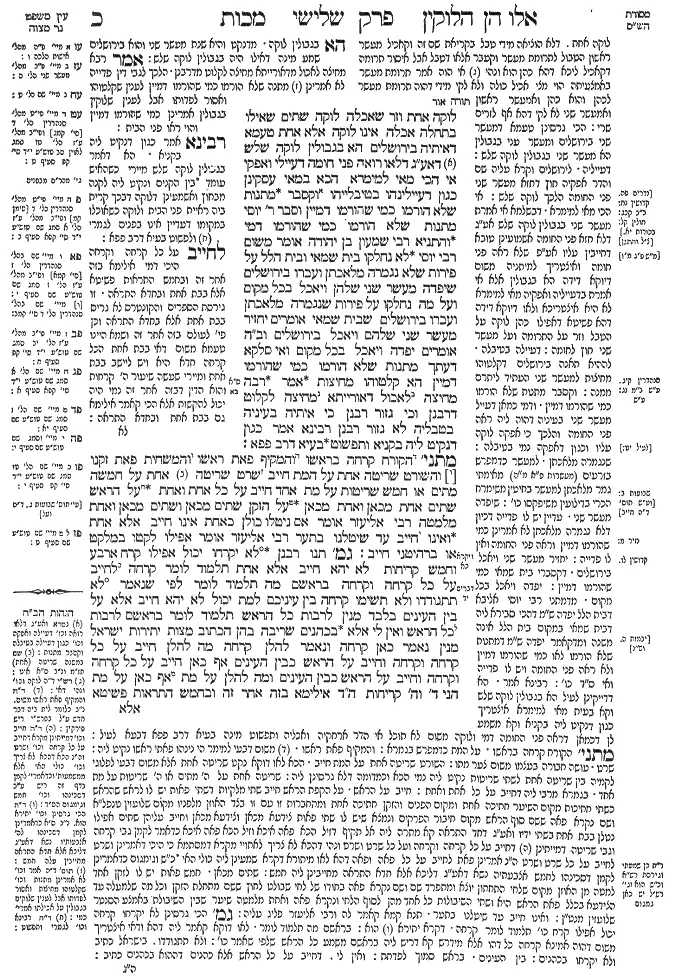
Makkot 20a - Guemara
לוקה אחת וזר שאכלה לוקה שתים שאילו בתחלה אכלה אינו לוקה אלא אחת טעמא דאיתיה בירושלים הא בגבולין לוקה שלש דאע"ג דלאו רואה פני חומה דעיילי ואפקי אי הכי מאי למימרא הכא במאי עסקינן כגון דעיילינהו בטיבלייהו וקסבר מתנות שלא הורמו כמי שהורמו דמיין וסבר ר' יוסי מתנות שלא הורמו כמי שהורמו דמי והתניא רבי שמעון בן יהודה אומר משום רבי יוסי לא נחלקו בית שמאי ובית הלל על פירות שלא נגמרה מלאכתן ועברו בירושלים שיפדה מעשר שני שלהן ויאכל בכל מקום ועל מה נחלקו על פירות שנגמרה מלאכתן ועברו בירושלים שבית שמאי אומרים יחזיר מעשר שני שלהם ויאכל בירושלים וב"ה אומרים יפדה ויאכל בכל מקום ואי סלקא דעתך מתנות שלא הורמו כמי שהורמו דמיין הא קלטוהו מחיצות אמר רבה מחיצה לאכול דאורייתא מחיצה לקלוט דרבנן וכי גזור רבנן כי איתיה בעיניה בטבליה לא גזור רבנן רבינא אמר כגון דנקיט ליה בקניא ותפשוט בעיא דרב פפא:
מתני׳ הקורח קרחה בראשו והמקיף פאת ראשו והמשחית פאת זקנו והשורט שריטה אחת על המת חייב שרט שריטה אחת על חמשה מתים או חמש שריטות על מת אחד חייב על כל אחת ואחת על הראש שתים אחת מכאן ואחת מכאן על הזקן שתים מכאן ושתים מכאן ואחת מלמטה רבי אליעזר אומר אם ניטלו כולן כאחת אינו חייב אלא אחת ואינו חייב עד שיטלנו בתער רבי אליעזר אומר אפילו לקטו במלקט או ברהיטני חייב:
גמ׳ תנו רבנן (ויקרא כא, ה) לא יקרחו יכול אפילו קרח ארבע וחמש קריחות לא יהא חייב אלא אחת תלמוד לומר קרחה לחייב על כל קרחה וקרחה בראשם מה תלמוד לומר לפי שנאמר (דברים יד, א) לא תתגודדו ולא תשימו קרחה בין עיניכם למת יכול לא יהא חייב אלא על בין העינים בלבד מנין לרבות כל הראש תלמוד לומר בראשם לרבות כל הראש ואין לי אלא בכהנים שריבה בהן הכתוב מצות יתירות ישראל מנין נאמר כאן קרחה ונאמר להלן קרחה מה להלן חייב על כל קרחה וקרחה וחייב על הראש כבין העינים אף כאן חייב על כל קרחה וקרחה וחייב על הראש כבין העינים ומה להלן על מת אף כאן על מת הני ד' וה' קריחות ה"ד אילימא בזה אחר זה ובחמש התראות פשיטא
Comments from Rashi on Masechet Makkot Page 20a
לוקה אחת . דלא הוציאה מידי טבל בקריאת שם זה וקאכיל מעשר ראשון הטבול לתרומת מעשר וקעבר אלאו דטבל אבל איסור תרומה דקאכיל ליכא דהא כהן הוא ונהי אי הוה אמר תרומת מעשר באמצעיתה הוי מצי אכיל כולה ולא לקי מידי דהוה תרומת מעשר לכהן והוא כהן ואמעשר ראשון ואמעשר שני לא לקי דהא אף לזרים שרי: הכי גרסינן טעמא דמעשר שני בירושלים ומעשר עני בגבולין הא מעשר שני בגבולין לוקה שלש: דעייליה . לירושלים וקרא עליה שם והדר אפקיה חוץ דחזא מעשר שני פני החומה הלכך לוקה שלש: אי הני מאי למימרא . דבשלמא אי אמרת מעשר שני בגבולין לוקה שלש אע"ג דלא חזא פני החומה אשמועינן טובא דחייבין עליו אע"פ שלא ראה פני חומה ואיצטריך למיתניה משום דיוקא דידה הא בגבולין אלא אי אמרת בדעייליה ואפקיה מאי למימרא לא היא איצטריכא ולאו דיוקא דידה דהא פשיטא דאפילו כהן לוקה על הטבל וזר. על התרומה ועל מעשר שני חוץ לחומה: דעיילה בטיבלה . לההיא תאנה בירושלים דקלטוהו מחיצות למעשר שני העתיד ליתרם ממנה: וקסבר מתנות שלא הורמו כמי שהורמו דמיין . ודמי כמאן דעייל מעשר שני בעיניה דהוה ליה ראה פני החומה והלכך כי אפקה לוקה עליו וכגון דאפקה נמי בטיבלה: שנגמרה מלאכתן . למעשר כדמפרש בזרעים (מעשרות פ"א מ"ה) מאימתי גמר מלאכתן למעשר בחיטין משימרח הכרי בדילועין משיפקסו כו': יחזיר מעשר שני ויאכל בירושלים . דקסברי בית שמאי כמי שהורמו דמיין: יפדה ויאכל בכל מקום . מדמתני רבי יוסי אליבא דבית הלל יפדה ש"מ דהכי סבירא ליה דבית שמאי במקום בית הלל אינה משנה ומדקאמר יפדה ש"מ דמתנות שלא הורמו לאו כמי שהורמו דמיין ולא ראה פני החומה ויש לו פדייה ואי ס"ד כו': רבינא אמר . הא דדייקינן לעיל הא בגבולין לוקה שלש וקא בעית מאי למימרא איצטריך כגון דנקיט ליה בקניא וקא משמע לן דכמאן דראה פני החומה דמי ולוקה משום לא תוכל אי הדר ארחקיה ואכליה ותפשוט מינה בעיא דרב פפא דבעא לעיל: מתני' הקורח קרחה בראשו . על המת כדמפרש בגמרא: והמקיף פאת ראשו . משום דבעי למימר הי נינהו פאתי ראשו נקיט ליה: שרט . עושה חבורה בעצמו משום צער מתו: שריטה אחת על ה' מתים או ה' שריטות על מת אחד . בגמרא מרבי ליה דחייב על כל אחת ואחת: שריטה אחת על ה' מתים או ה' שריטות על מת אחד . בגמרא מרבי ליה דחייב על כל אחת ואחת: חייב על הראש . על הקפת הראש חייב שתי מלקיות דשתי פאות יש לו לראש שהראש כשתי חתיכות מקום השיער חתיכה אחת ומקום הפנים והזקן חתיכה אחת ומתחברות זו עם זו בצד האוזן מלפניו מקום שלועזין טנפל"א ושם נקרא פאה ששם סוף הראש מקום חיבור הפרקים ונמצא שיש לו שתי פאות צידעא מכאן וצידעא מכאן וחייב עליהן שתים אפילו נטלן בבת אחת בשתי ידיו ואע"ג דחד התראה קא מתרה ליה אל תקיף דזיל הכא פאה איכא וזיל הכא פאה איכא כדאמר לקמן גבי קרחה וגבי שריטה דמייתינן דחייב על כל קרחה וקרחה ועל כל שרט ושרט ונהי דהכא לא צריך לאתויי מקרא דמסתמא כי היכי דאמרינן ושרט לחייב על כל שרט ושרט ה"נ אמרינן פאת לחייב על כל פאה ופאה דהא לאו מיתורא דקרא שמעינן ליה כולי האי. כ"ש וגימגום כדאמרינן לקמן דסכינהו לחמש אצבעתיה נשא דאע"ג דליכא אלא חדא התראה מחייבינן ליה חמש: שתים מכאן . חמש פאות יש לו לזקן אחד למטה מן האוזן מקום שלחי התחתון יוצא ומתפרד שם ושם נקרא פאה בחודו של לחי שבולט לחוץ ששם מתחלת הזקן וכל מה שלמעלה עד הצידעא בכלל פאת הראש היא ושתי השיבולות כל אחד מהן לסוף הלחי ונקרא פאה ואחת מלמטה שיער שבין השיבולת באמצע הסנטר שלועזין מנט"ן: ואינו חייב עד שיטלנו בתער . תנא קמא קאמר לה ורבי אליעזר פליג עליה: גמ' הכי גרסינן לא יקרחו קרחה יכול אפילו קרח כו' תלמוד לומר קרחה. דקרא יתירא הוא: בראשם מה תלמוד לומר . לאו דוקא קאמר ליה דהא ודאי איצטריך משום דהוה אמינא קרחה כל דהו אלא מידרש קא דריש ליה בראשם משמע כל הראש שלפי שאמר כו': ולא תתגודדו . בישראל כתיב ולא יקרחו בכהנים: בין העינים . בראש סמוך לפדחת: ואין לי . דחייב על כל הראש אלא כהנים דההוא בכהנים כתיב:
Makkot 20a - Mishnah translated into english
he is flogged with one set of lashes, because he ate it without separating teruma of the tithe from the first tithe and is consequently liable for eating untithed produce. Had he separated teruma of the tithe, it would have been permitted for him to eat the entire fig, as it is permitted for a priest to partake of both teruma gedola and teruma of the tithe.
And a non-priest who eats the fig is flogged with two sets of lashes, for both eating untithed produce and eating the teruma therein, which is forbidden for all non-priests. The baraita notes: As if the non-priest ate the fig initially, before separating teruma and tithes, he is flogged with only one set of lashes, for eating untithed produce. Once he separated the teruma and tithes, he is flogged for eating teruma as well.
The Gemara infers from the statement in the baraita: And it is a year when second tithe is separated and he is in Jerusalem, that the reason he is flogged with two sets of lashes is that he is currently in Jerusalem, where it is permitted to partake of second-tithe produce. But if he ate the fig in the outlying areas, outside of Jerusalem, and he designated second tithe in the fig, he is flogged with three sets of lashes. It is apparent that even if this second-tithe produce has not entered within the wall of Jerusalem, one is liable to receive lashes for its consumption. This contradicts Rabbi Yoḥanan’s opinion, as he holds that one is liable to receive lashes for eating second-tithe produce only if it entered Jerusalem. The Gemara answers: The case in the baraita is one where they took the fig into Jerusalem and then took it out of Jerusalem. That is why he is liable to receive a third set of lashes.
The Gemara asks: If so, what is the purpose of stating this halakha? If the fig entered and exited Jerusalem there is no novel element in the fact that one is liable to receive lashes. The Gemara answers: There is a novel element in this halakha, as what are we dealing with here? We are dealing with a case where one took figs into the city while they had the status of untithed produce, before terumot and tithes were separated, and Rabbi Yosei holds that the status of gifts that were not yet separated from the produce is like that of gifts that were already separated. The novel element is that although second tithe was not separated in practice, all the halakhot of second tithe are in effect with regard to the portion that he intends to separate as second tithe. Therefore, if after taking the untithed produce into Jerusalem he took it outside of Jerusalem, and ate it, he is liable to receive lashes.
The Gemara asks: And does Rabbi Yosei hold that the status of gifts that were not yet separated from the produce is like that of gifts that were already separated? But isn’t it taught in a baraita that Rabbi Shimon ben Yehuda says in the name of Rabbi Yosei: Beit Shammai and Beit Hillel did not disagree with regard to produce whose labor was not completed and the obligation to tithe had consequently not yet taken effect, and which at that stage passed through Jerusalem, that its second-tithe produce may be redeemed and may be eaten anywhere. As long as the obligation to tithe has not taken effect, the sanctity of Jerusalem does not affect the produce.
With regard to what case did they disagree? It is with regard to produce whose labor was already completed and it passed through Jerusalem before terumot and tithes were separated from it, as Beit Shammai say: Since one is obligated to separate second tithe from this produce, and the produce was in Jerusalem, he must bring its second-tithe produce back to Jerusalem, and it shall be eaten it in Jerusalem; and Beit Hillel say: The produce may be redeemed and eaten anywhere. And if it enters your mind to say the status of gifts that were not yet separated from the produce is like that of gifts that were already separated, how can Beit Hillel hold that the second-tithe produce may be redeemed; wasn’t the produce admitted by the walls of Jerusalem? Therefore, even though second tithe was not yet separated, it can no longer be redeemed. Apparently, Rabbi Yosei, who certainly holds in accordance with the opinion of Beit Hillel, holds that the status of gifts that were not yet separated from the produce is not like that of gifts that were already separated.
Rabba said: The halakha of the wall with regard to eating second-tithe produce, i.e., that second-tithe produce may not be eaten outside the wall of Jerusalem, is by Torah law; the halakha of the wall with regard to the admitting of second-tithe produce, i.e., that once the produce enters within the wall of Jerusalem, it may not be redeemed or taken beyond the wall, is by rabbinic law. And when the Sages issued the decree that one may not remove from Jerusalem second-tithe produce that entered within the walls, they did so when the tithe is in its unadulterated form after it was separated; but in a case where it is in its status of untithed produce, the Sages did not issue a decree.
Ravina said: Rabbi Yosei is referring to the case of second-tithe produce that was already separated and brought into Jerusalem, and the novel element of his statement is that he is referring to a fig that was not physically taken into Jerusalem; rather, it is a case where one is holding the fig on a reed outside Jerusalem, while he is standing inside Jerusalem. And resolve the dilemma of Rav Pappa (19b) and conclude that if one is standing inside Jerusalem and holding second tithe outside the city on a reed, it is as though the produce entered the city.
MISHNA: One who creates a bald spot upon his head, and one who rounds the edge of his head by shaving the hair adjacent to the ear, and one who mars the edge of his beard, and one who cuts one incision in a display of mourning over the dead, are all liable to receive lashes. If he cut one incision over five dead people, or five incisions over one dead person, he is liable to receive lashes for each and every one.
For rounding the edges of his head, one is liable to receive two sets of lashes, one from here, the hair adjacent to one ear, and one from there, the hair adjacent to the other ear. For marring the edges of his beard there are two edges from here, on one side of his face, and two from there, on the other side, and one from below, on his chin. Rabbi Eliezer says: If he removed the hair on all the edges of his beard in one action, he is liable to receive only one set of lashes for all of them.
And one is liable for marring the edges of his beard only if he removes the hair with a razor. Rabbi Eliezer says: Even if he removed the hair with tweezers [malket] or with a plane [rehitni], he is liable to receive lashes.
GEMARA: The Sages taught: From the verse concerning priests: “They shall not create a bald spot upon their heads” (Leviticus 21:5), one might have thought that even if he created four or five bald spots in one action, he will be liable to receive only one set of lashes. Therefore, the verse states: “Bald spot,” in the singular, to render one liable to receive lashes for each and every bald spot. The verse continues: “Upon their heads”; what is the meaning when the verse states that term? Since it is stated: “You shall neither lacerate yourselves, nor place a bald spot between your eyes for the dead” (Deuteronomy 14:1), one might have thought that one would be liable only for placing a bald spot between the eyes. From where is it derived that the prohibition includes placing a bald spot on the entire head? The verse states: “Upon their heads,” to include the entire head.
And I have derived this prohibition only with regard to priests, for whom the Torah established numerous additional mitzvot, since the verse “They shall not create a bald spot” is written in the context of the halakhot of priests. From where do I derive that a non-priest is also liable for violating that prohibition?
“Bald spot” is stated here (Deuteronomy 14:1) with regard to non-priests, and “bald spot” is stated there, with regard to priests; just as there, with regard to priests, one is liable for each and every bald spot that he creates, and is liable for a bald spot created anywhere on his head as he is for a bald spot created between the eyes, so too here, with regard to a non-priest, one is liable for each and every bald spot that he creates, and is liable for a bald spot created anywhere on his head as he is for a bald spot created between the eyes. And just as there, with regard to non-priests, the prohibition is stated with regard to creating a bald spot as an expression of mourning over the dead; so too here, with regard to priests, the prohibition is stated with regard to creating a bald spot as an expression of mourning over the dead.
The Gemara asks: With regard to these four or five bald spots created over one dead person, for which one is liable to receive lashes for each and every spot, what are the circumstances? If we say that he created those bald spots one after the other and with five separate forewarnings, one preceding each action, it is obvious that he is liable for each and every bald spot; in that case he is one who violates the same prohibition several times and is punished for each violation for which he was forewarned.
Traduction : The William Davidson digital edition of the Koren Noé Talmud, with commentary by Rabbi Adin Even-Israel Steinsaltz.