 Talmud Bavli
Arachin 14a : Youtube
Rabbi Dr. Moshe WeisblumYoutube
1 video class :
Arachin Page 14a
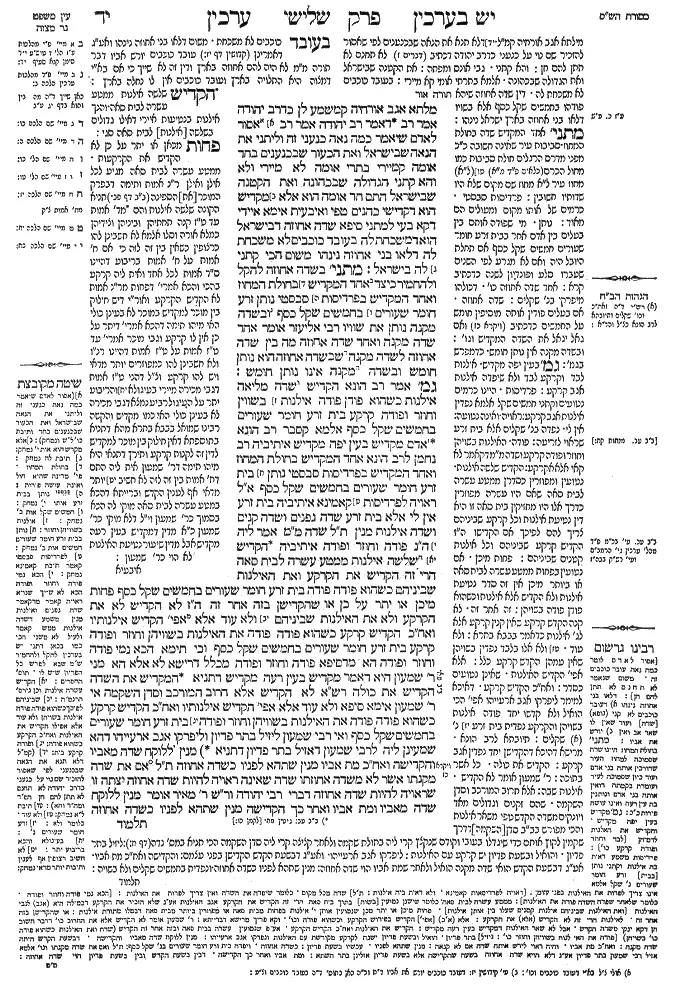
Arachin 14a - Guemara
מלתא אגב אורחיה קמשמע לן כדרב יהודה אמר רב דאמר רב יהודה אמר רב אסור לאדם שיאמר כמה נאה כנעני זה וליתני את הנאה שבישראל ואת הכעור שבכנענים בחד אומה קמיירי בתרי אומה לא מיירי ולא והא קתני הגדולה שבכהונה ואת הקטנה שבישראל התם חד אומה הוא אלא מקדיש הוא דקדישי כהנים טפי ואיבעית אימא איידי דקא בעי למתני סיפא שדה אחוזה דבישראל הוא דמשכחת לה בעובד כוכבים לא משכחת לה דלאו בני אחוזה נינהו משום הכי קתני לה בישראל:
מתני׳ בשדה אחוזה להקל ולהחמיר כיצד אחד המקדיש בחולת המחוז ואחד המקדיש בפרדיסות סבסטי נותן זרע חומר שעורים בחמשים שקל כסף ובשדה מקנה נותן את שוויו רבי אליעזר אומר אחד שדה מקנה ואחד שדה אחוזה מה בין שדה אחוזה לשדה מקנה שבשדה אחוזה הוא נותן חומש ובשדה מקנה אינו נותן חומש:
גמ׳ אמר רב הונא הקדיש שדה מליאה אילנות כשהוא פודן פודה אילנות בשווין וחוזר ופודה קרקע בית זרע חומר שעורים בחמשים שקל כסף אלמא קסבר רב הונא אדם מקדיש בעין יפה מקדיש איתיביה רב נחמן לרב הונא אחד המקדיש בחולת המחוז ואחד המקדיש בפרדיסות סבסטי נותן בית זרע חומר שעורים בחמשים שקל כסף א"ל ראויה לפרדיסות קאמינא איתיביה בית זרע אין לי אלא בית זרע שדה גפנים ושדה קנים ושדה אילנות מנין ת"ל שדה מ"מ אמר ליה ה"נ פודה וחוזר ופודה איתיביה הקדיש שלשה אילנות ממטע עשרה לבית סאה הרי זה הקדיש את הקרקע ואת האילנות שביניהם כשהוא פודה פודה בית זרע חומר שעורים בחמשים שקל כסף פחות מיכן או יתר על כן או שהקדישן בזה אחר זה ה"ז לא הקדיש לא את הקרקע ולא את האילנות שביניהם ולא עוד אלא אפי' הקדיש אילנותיו ואח"כ הקדיש קרקע כשהוא פודה פודה את האילנות בשוויהן וחוזר ופודה קרקע בית זרע חומר שעורים בחמשים שקל כסף וכי תימא הכא נמי פודה וחוזר ופודה הא מדסיפא פודה וחוזר ופודה מכלל דרישא לא אלא הא מני ר' שמעון היא דאמר מקדיש בעין רעה מקדיש דתניא המקדיש את השדה הקדיש את כולה רש"א לא הקדיש אלא חרוב המורכב וסדן השקמה אי ר' שמעון אימא סיפא ולא עוד אלא אפי' הקדיש אילנותיו ואח"כ הקדיש קרקע כשהוא פודה פודה את האילנות בשוויהן וחוזר ופודה בית זרע חומר שעורים בחמשים שקל כסף ואי רבי שמעון ליזיל בתר פדיון וליפרקו אגב ארעייהו דהא שמעינן ליה לרבי שמעון דאזיל בתר פדיון דתניא מנין ללוקח שדה מאביו והקדישה ואח"כ מת אביו מנין שתהא לפניו כשדה אחוזה ת"ל (ויקרא כז, כב) אם את שדה מקנתו אשר לא משדה אחוזתו שדה שאינה ראויה להיות שדה אחוזה יצתה זו שראויה להיות שדה אחוזה דברי רבי יהודה ור"ש ר' מאיר אומר מנין ללוקח שדה מאביו ומת אביו ואחר כך הקדישה מנין שתהא לפניו כשדה אחוזה
Comments from Rashi on Masechet Arachin Page 14a
מילתא אגב אורחיה קמ"ל . דלא תנא את הנאה שבכנענים לפי שאסור להזכיר שם נוי על כנעני כדרב יהודה דכתיב (דברים ז) לא תחנם לא תתן להם חן: והא קתני . גבי אונס ומפתה: את הקטנה שבישראל ואת הגדולה שבכהונה . אלמא בתרתי אומי קא מיירי: בעובד כוכבים לא משכחת לה . דין שדה אחוזה שיהא פודהו בחמשים שקל כסף אלא בשויו דלאו בני אחוזה בארץ ישראל נינהו: מתני' אחד המקדיש . שדה בחולת המחוז סביבות עיר שאינה חשובה כ"כ מפני מדרס הרגלים. חולת סביבות כמו מחול הכרם (כלאים פ"ד מ"א). (ל"א) מחוז עיר. ל"א מחוז שם מקום שלא היו שדותיו חשובין: פרדיסות סבסטי . כרמים של אותו מקום ומעולים הם מאוד: נותן . מי שפודה אותם בין בעלים בין אדם אחר בבית זרע חומר שעורים חמשים שקל כסף אם תחלת היובל היה ואם לא מגרע לפי השנים שעברו סלע ופונדיון לשנה כדכתיב קרא: אחד שדה אחוזה כו' . דכולהו מיפרקי בנ' שקלים: שדה אחוזה . אם בעלים פודין אותה מוסיפין חומש על החמישים כדכתיב (ויקרא כז) ואם גאל יגאל את השדה המקדיש וגו': ובשדה מקנה אין נותן חומש . כדמפרש בגמ': גמ' בעין יפה מקדיש . אילנות לבד וקרקע לבד ולא שיפדה אילנות אגב קרקע: פרדיסות . היינו כרמים נטועים וקתני חמשים שקל אלמא נפדין אילנות אגב קרקע: ראויה . ואינה נטועה: אין לי . נפדה בנ' שקלים אלא בית זרע שראוי לזריעה: פודה . האילנות בשויהן וחוזר ופודה קרקע. ושדה מ"מ דקאמר לא קאי אלא אקרקע: הקדיש שלשה אילנות . נטועין ומפוזרין כסדרן ממטע עשרה לבית סאה שאם היו עשרה מפוזרין כדרך אלו היו מחזיקין בית סאה זו היא דין נטיעת אילנות וכל קרקע שביניהם צריך להם לפיכך אם הקדישו ה"ז הקדיש קרקע שבניהם וכל אילנות קטנים שביניהם: פחות מיכן . אם נטועין בפחות ממטע עשרה לבית סאה או ביותר מיכן אין זה סדר נטיעת אילנות ולא הקדיש אלא אילנות וכשהוא פודן פודה בשויהן: זה אחר זה . לא קנה הקדש קרקע שאין קנין קרקע אלא לג' אילנות כדאמר בבבא בתרא: ולא עוד . ולא אלו בלבד נפדין בשויהן שאין עמהן הקדש קרקע כלל: אלא אפי' הקדיש האילנות . שאינן נטועים כסדר: ואח"כ הקדיש קרקע . דאיכא למימר ליפרקו אגב ארעייהו אפי' הכי הואיל ולא קדשו יחד פודה אילנות בשויהן והקרקע נפדית בית זרע נ' שקלים: תיובתא לרב הונא . מרישא דהיכא דהקדישן יחד נפדין אגב קרקע: הקדיש את כולה . כל אשר בתוכה: ר' שמעון אומר לא הקדיש . אילנות שבה: אלא חרוב המורכב וסדן השקמה . שהם זקנים וגדולים מאד ויונקים משדה הקדש טפי משאר אילנות והכי מפורש בב"ב. סדן [השקמה] דדרך שקמין לקוץ אותם כדי שיגדלו בעובי וקודם שנקצץ קרי ליה בתולת שקמה ולאחר קציצה קרי ליה סדן השקמה הכי תניא במס' נדה (דף ח:): ליזיל בתר פדיון . והואיל ובשעת פדיון יש קרקע עם האילנות: ליפרקו אגב ארעייהו . ואע"ג דבשעת הקדש הקדישן בפני עצמם: והקדישה ואח"כ מת אביו . אע"ג דבשעת הקדש הואי שדה מקנה הואיל ולאחר שמת אביו הוי שדה אחוזה: מנין שתהא לפניו כשדה אחוזה . ונפדית בחמשים שקלים ולא בשויה: תלמוד לומר וכו' שדה שאינה ראויה להיות שדה אחוזה . יש לה דין שדה מקנה לפדות בשוויה יצתה זו כו': ואח"כ הקדישה . דבשעת הקדש הויא שדה אחוזה אבל הקדישה ואח"כ מת אביו אינה אלא כשדה מקנה:
Comments from Tosafot - Arachin 14a
בעובד כוכבים לא משכחת . משום דלאו בני אחוזה נינהו ואע"ג דאמרינן (קדושין דף יז:) עובד כוכבים יורש אביו דבר תורה מ"מ לא היה להם אחוזה בארץ ודין זה לא שייך כי אם בא"י דמצוה היא התלויה בארץ ועובד כוכבים אין לו נחלה בארץ: הקדיש שלשה אילנות ממטע עשרה לבית סאה . והנך אילנות בנטיעות איירי דאילו גדולים בשלשה [אילנות] לבית סאה סגי: פחות מכאן או יתר על כן לא הקדיש את הקרקעות . ממטע עשרה לבית סאה מגיע לכל אילן ואילן ר"נ אמות ותימה דבפרק המוכר [את] הספינה (ב"ב דף פב.) תניא הקונה שלשה אילנות והם מד' אמות עד ט"ז קנה תחתיהן וביניהן וצידיהן כמלא אורה וסלו אלמא לא חשבינן להו כרצופין כשאין בין זה לזה כי אם ח' אמות על ח' אמות בריבוע דהיינו ס"ד אמות לכל אחד ואית ליה קרקע בהכי והכא אמרי' דפחות מר"נ אמות לא הקדיש הקרקע ואור"י דיש חילוק בין מוכר למקדיש במוכר לא בעינן כולי האי מיהו תימה דהכא אמרי' דיתר על כן אין לו קרקע וגבי מוכר אמרי' עד ט"ז אמות על ט"ז אמות דהיינו רנ"ו ולא חשבינן להו כמפוזרים יותר מדאי ויש להו קרקע וצ"ל דהני ט"ז אמות דגבי מכירה מיירי בעיגולא והריבוע יתר על העיגול רביע נמצא דגבי מכירה לא בעינן כולי האי כמו מקדיש והקשה רבינו שמואל בבבא בתרא מהא דתניא בתוספתא דאין חילוק בין מוכר למקדיש לדין זה לקנות קרקע ותירץ דתנאי היא מיהו תימה דר' שמעון אית ליה התם דח' אמות בין זה לזה לא חשיב יותר מדאי אף לענין הקדש וברייתא דהכא במטע עשרה לבית סאה מוקי לה הכא בסמוך כר' שמעון וי"ל דלא מוקי כר' שמעון כ"א מדין דמקדיש בעין רעה מקדיש אבל מדין שיעור נטיעת האילנות לא הוי כר' שמעון:
Arachin 14a - Mishnah translated into english
by not mentioning gentiles, the mishna teaches us another matter in passing, in accordance with the statement that Rav Yehuda says that Rav says. As Rav Yehuda says that Rav says: It is prohibited for a person to say: How beautiful is this gentile.
The Gemara asks: But if this is the only reason that a gentile is not mentioned, let the mishna teach: In the case of one who took a vow of valuation to donate the fixed value of the most attractive among the Jewish people and the most unsightly among the gentiles, he gives the fixed payment of fifty sela to the Temple treasury. The Gemara answers: The tanna prefers to deal with one nation, i.e., Jews, and does not wish to deal with two nations, Jews and gentiles.
The Gemara challenges this answer: And does the mishna not deal with two nations? But isn’t it taught in a mishna (14b): One who raped or seduced a young woman, whether she is the most prominent in the priesthood or the lowliest among the Israelites, gives the payment of fifty sela, the fine stated in the Torah. Priests and Israelites are two distinct groups of people, analogous to Jews and gentiles. The Gemara answers: In that mishna there it is one nation, as although there are two groups they are both part of the Jewish people. It is only that the priests have greater sanctity than Israelites.
And if you wish, say instead that since the mishna wants to teach the case of an ancestral field in the latter clause, which you find in the case of Jews, but you do not find with regard to gentiles, as they are unfit to have ancestral land in Eretz Yisrael, it is due to this reason that the mishna teaches only cases that involve the Jewish people.
MISHNA: There are halakhot with regard to an ancestral field that are lenient and others that are stringent. How so? Both one who consecrates an ancestral field in the low-quality sands of the areas surrounding the city and one who consecrates the high-quality orchards of Sebastia gives a redemption payment of fifty silver shekels for every area that he consecrated that is fit for sowing a kor of barley (Leviticus 27:16). And with regard to a purchased field that one consecrates, he gives its value as redemption, a sum that can be more or less than fifty shekels for every area required for sowing one kor of barley.
Rabbi Eliezer says: With regard to both a purchased field and an ancestral field, one gives a redemption payment of fifty silver shekels for every area required for sowing a kor of barley that he consecrated. What, then, is the difference between an ancestral field and a purchased field? The difference is that in the case of an ancestral field one gives an additional payment of one-fifth, but in the case of a purchased field one does not give an additional payment of one-fifth.
GEMARA: Rav Huna says: In a case where one consecrated a field full of trees, when he redeems the trees and field, he redeems the trees according to their value, and then redeems the land according to the fixed formula, by which an area required for the sowing of a kor of barley seed is redeemed for fifty silver shekels. The Gemara notes that evidently Rav Huna holds that when a person consecrates, he consecrates generously. In this case he consecrated the trees and the land separately, so that he would have to redeem them each separately, rather than the trees being redeemed as part of the land.
Rav Naḥman raised an objection to Rav Huna from the mishna: Both one who consecrates an ancestral field in the low-quality sands of the areas surrounding the city and one who consecrates the high-quality orchards of Sebastia gives a redemption payment of fifty silver shekels for every area required for sowing a kor of barley that he consecrated. This indicates that when one consecrates orchards he does not redeem the land and the trees separately. Rav Huna said to Rav Naḥman: The mishna is speaking of land that is suitable for orchards but does not actually have trees planted on it.
Rav Naḥman raised another objection to Rav Huna from a baraita: When discussing a consecrated ancestral field the Torah states: “An area fit for sowing” (Leviticus 27:16). I have derived only an area fit for sowing; from where do I derive that the same is true for a field of vines and a field of reeds and a field of trees?
The verse states: “And if a man shall consecrate to the Lord part of the field of his possession, then your valuation shall be according to an area fit for sowing; the sowing of a ḥomer of barley shall be valued at fifty silver shekels” (Leviticus 27:16). The word “field” teaches that this halakha applies in any case, regardless of the type of field. It can be inferred from here that if one consecrates an orchard, the redemption of the trees is not valued separately from the land. Rav Huna said to Rav Naḥman: Here too, the baraita means that he first redeems the trees and afterward redeems the field, according to the formula of the Torah.
Rav Naḥman again raised an objection to Rav Huna from a baraita: If one consecrated three trees in a field where ten trees are planted in an area required for sowing one se’a of seed [beit se’a], he has consecrated not only those trees, but also the land and the young trees between them. Therefore, if this is his ancestral field, when he redeems it, he redeems the land and everything contained within it according to the standard rate established by the Torah, where an area required for the sowing of a kor of barley seed is redeemed for fifty silver shekels.
But if the ratio of land to trees was less than that, i.e., the trees were planted more densely, or if the ratio of land to trees was more than that, i.e., the trees were planted less densely, or if he consecrated each of the trees separately, one after the other, this person has consecrated neither the land nor the young trees between them. Therefore, when he redeems, he redeems the trees in accordance with their worth.
And moreover, even if one consecrated its trees when they are planted more densely, or less densely, or one after the other, and then afterward he consecrated the land, so that at this point everything belongs to the Temple treasury, when he redeems them, he redeems the trees separately in accordance with their worth, and afterward he redeems the land according to the standard rate, where an area required for the sowing of a ḥomer, i.e., a kor, of barley seed is redeemed for fifty silver shekels.
The Gemara explains the objection: And if you would say that here too, in the first part of the baraita, it means that he redeems the field and afterward redeems the trees, from the fact that the latter clause of the baraita states that he redeems and afterward redeems, by inference the first clause is not referring to a case where he redeems the field and afterward redeems the trees.
Rather, in accordance with whose opinion is this baraita? It is in accordance with the opinion of Rabbi Shimon, who says that when one consecrates, he consecrates sparingly. As it is taught in a baraita: One who consecrates a field has consecrated all of it. Rabbi Shimon says: He only consecrated a grafted carob tree and a sycamore stump.
The Gemara raises a difficulty: If the baraita is in accordance with the opinion of Rabbi Shimon, say the latter clause: And moreover, even if one consecrates its trees and then afterward he consecrated the land, when he redeems them he redeems the trees separately in accordance with their worth, and afterward he redeems the land according to the standard rate, where an area required for the sowing of a ḥomer of barley seed is redeemed for fifty silver shekels.
And if the baraita is according to the opinion of Rabbi Shimon, let one follow the status of the field at the time of its redemption, and let the trees be redeemed along with their land, as at the time of its redemption both the trees and the land are consecrated. As we have heard that Rabbi Shimon follows the time of the redemption, i.e., he determines the price at which a field is redeemed based on the time it is being redeemed.
As it is taught in a baraita: From where is it derived with regard to one who purchases a field from his father and consecrated it, and afterward his father dies, which means that the field would now be his as an inheritance, from where is it derived that it should be considered before him as an ancestral field, rather than a field that he purchased, with respect to its redemption? The verse states with regard to a field that was purchased: “And if he sanctifies to the Lord a field that he has bought, which is not of his ancestral fields” (Leviticus 27:22).
The verse speaks specifically of a field that is not fit at the time of its consecration to be an ancestral field, i.e., one that he could never have inherited in the future. This specification excludes this field that was fit to be an ancestral field from this halakha, since eventually it would have become his through inheritance, even had he not purchased it. This is the statement of Rabbi Yehuda and Rabbi Shimon.
The baraita continues: Rabbi Meir learns a different halakha from this verse and says: From where is it derived that in a case of one who purchases a field from his father and his father dies, and only afterward he consecrated the field, from where is it derived that it should be considered before him like an ancestral field?
Traduction : The William Davidson digital edition of the Koren Noé Talmud, with commentary by Rabbi Adin Even-Israel Steinsaltz.