 Talmud Bavli
The learning on the whole site is dedicated : L'ilui Nishmat יוסף בן מושה
The learning on the whole site is dedicated : For the success of Elyahou ben H'anna & family
The learning on the whole site is dedicated : L'ilui Nishmat רינה בת לדיסיה
Arachin 3a : Youtube
Rabbi Dr. Moshe WeisblumYoutube
1 video class :
Arachin Page 3a
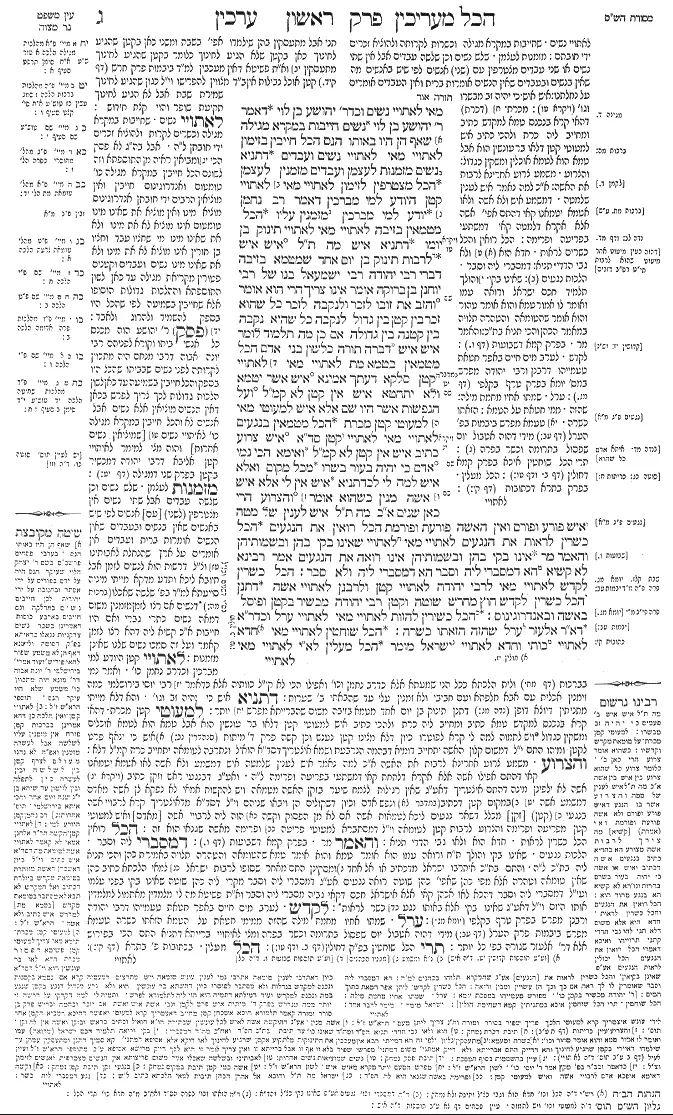
Arachin 3a - Guemara
מאי לאתויי נשים וכדר' יהושע בן לוי דאמר ר' יהושע בן לוי נשים חייבות במקרא מגילה שאף הן היו באותו הנס הכל חייבין בזימון לאתויי מאי לאתויי נשים ועבדים דתניא נשים מזמנות לעצמן ועבדים מזמנין לעצמן הכל מצטרפין לזימון לאתויי מאי לאתויי קטן היודע למי מברכין דאמר רב נחמן יודע למי מברכין מזמנין עליו הכל מטמאין בזיבה לאתויי מאי לאתויי תינוק בן יומו דתניא איש מה ת"ל (ויקרא טו, ב) איש איש לרבות תינוק בן יום אחד שמטמא בזיבה דברי רבי יהודה רבי ישמעאל בנו של רבי יוחנן בן ברוקה אומר אינו צריך הרי הוא אומר (ויקרא טו, לג) והזב את זובו לזכר ולנקבה לזכר כל שהוא זכר בין קטן בין גדול לנקבה כל שהיא נקבה בין קטנה בין גדולה אם כן מה תלמוד לומר איש איש דברה תורה כלשון בני אדם הכל מטמאין בטמא מת לאתויי מאי לאתויי קטן סלקא דעתך אמינא (במדבר יט, כ) איש אשר יטמא ולא יתחטא איש אין קטן לא קמ"ל (במדבר יט, יח) ועל הנפשות אשר היו שם אלא איש למעוטי מאי למעוטי קטן מכרת הכל מטמאין בנגעים לאתויי מאי לאתויי קטן סד"א (ויקרא יג, מד) איש צרוע כתיב איש אין קטן לא קמ"ל ואימא הכי נמי (ויקרא יג, ב) אדם כי יהיה בעור בשרו מכל מקום ואלא איש למה לי לכדתניא איש אין לי אלא איש אשה מנין כשהוא אומר (ויקרא יג, מה) והצרוע הרי כאן שנים א"כ מה ת"ל איש לענין של מטה איש פורע ופורם ואין האשה פורעת ופורמת הכל רואין את הנגעים הכל כשרין לראות את הנגעים לאתויי מאי לאתויי שאינו בקי בהן ובשמותיהן והאמר מר אינו בקי בהן ובשמותיהן אינו רואה את הנגעים אמר רבינא לא קשיא הא דמסברי ליה וסבר הא דמסברי ליה ולא סבר:
הכל כשרין לקדש לאתויי מאי לרבי יהודה לאתויי קטן ולרבנן לאתויי אשה דתנן הכל כשרין לקדש חוץ מחרש שוטה וקטן רבי יהודה מכשיר בקטן ופוסל באשה ובאנדרוגינוס:
הכל כשירין להזות לאתויי מאי לאתויי ערל וכדר"א דא"ר אלעזר ערל שהזה הזאתו כשרה:
הכל שוחטין לאתויי מאי חדא לאתויי כותי וחדא לאתויי ישראל מומר הכל מעלין לא"י לאתויי מאי
Comments from Rashi on Masechet Arachin Page 3a
לאתויי נשים . שחייבות במקרא מגילה וכשרות לקרותה ולהוציא זכרים ידי חובתם: מזמנות לעצמן . שלש נשים וכן שלשה עבדים אבל אין שתי נשים או שני עבדים מצטרפין עם (שני) אנשים לפי שיש באנשים מה שאין בנשים ובעבדים שאין הנשים אומרות ברית ואין העבדים אומרים על נחלתנו: איש איש . כי יהיה זב מבשרו וגו' (ויקרא טו): מכרת . (דכרת) דהאי קרא בנכנס טמא למקדש כתיב ומחייב ליה כרת ולהכי כתיב איש למעוטי קטן דלאו בר עונשין הוא אבל טמא הוא לטמא אוכלין ומשקין כגדול: והצרוע . משמע צרוע אחרינא לרבות את האשה: א"כ למה נאמר איש לענין שלמטה . דמשמע איש ולא אשה ולאו אטמא יטמאנו קאי דהתם אפי' אשה אלא אקרא דלמטה קאי דמשתעי בפריעה ופרימה: הכל רואין והכל כשרים לראות חדא הוא ולא גבי הדדי תניא: שאינו בקי . והולך תלמיד חכם ישראל ורואה עמו ואומר לו אמור טמא והוא אומר טהור והוא אומר שהטומאה והטהרה תלויה במאמר הכהן והכי תניא בת"כ: והאמר מר . בפרק קמא דשבועות (דף ו.): דמסברי ליה וסבר . הלכות נגעים: לקדש . לערב מים חיים באפר חטאת. טעמייהו דרבנן ורבי יהודה מפרש במס' יומא בפרק טרף בקלפי (דף מג.): ערל . שמתו אחיו מחמת מילה: שהזה . ממי חטאת על הטמא: הזאתו כשרה . טעמא מפרש ביבמות בפ' הערל (דף עב:) מידי דהוה אטבול יום שפסול בתרומה וכשר בפרה: תרי הכל שוחטין איכא בפרק קמא דחולין (דף ב. ודף טו:): הכל מעלין . בפרק בתרא דכתובות (דף קי:):
Comments from Tosafot - Arachin 3a
לאתויי נשים . שחייבות במקרא מגילה וכשרות לקרות ולהוציא זכרים ידי חובתן ל"ה. אבל בה"ג לא פסק הכי ומביאין ראיה מן התוספתא וזה לשונם הכל חייבין בקריאת מגלה כו' טומטום ואנדרוגינוס חייבין ואין מוציאין הרבים ידי חובתן אנדרגינוס מוציא מינו ואינו מוציא את שאינו מינו טומטום אינו מוציא לא את מינו ולא את שאינו מינו מי שחציו עבד וחציו בן חורין אינו מוציא לא את מינו ולא שאינו מינו נשים ועבדים וקטנים פטורין מקריאת מגילה עד כאן לשון התוספתא וההלכות גדולות הוסיפו אלא שחייבין בשמיעה לפי שהכל היו בספק להשמיד להרוג ולאבד: (פסק) ר' יהושע הוה מכנס כל אנשי ביתו וקורא לפניהם רבי יונה אבוה דרבי מנחם היה מתכוין לקרותה לפני נשים שבביתו שהכל היו בספק והכל חייבין בשמיעה עד כאן לשון הלכות גדולות לכך צריך לפרש בכאן דאין הנשים מוציאין אלא נשים אבל אנשים לא והכל חייבין במקרא מגילה כו' לאיתויי נשים [שמוציאין נשים אחרות] והוה מצי למימר לאיתויי קטן אליבא דרבי יהודה דמכשיר בקטן בפרק שני דמגילה (דף יט:): מזמנות לעצמן . שלש נשים וכן שלשה עבדים אבל שתי נשים אין מצטרפין (לשני) [עם] אנשים לפי שיש באנשים שאין בנשים ובעבדים שאין הנשים אומרות ברית ועבדים אין אומרים על ארץ שהנחלת לאבותינו וצ"ל דרשות הוא לנשים לזמן אבל חיובא ליכא ותדע מדקא מייתי מיניה סייעתא למ"ד בפ' שלשה שאכלו (ברכות מה:) דנשים אם רצו לזמן מזמנין משום דמאה נשים כתרי גברי ואם היו חייבות א"כ קשיא ליה דהא רצו לזמן קאמר ועל זה סמכו נשים שלנו שאינן מזמנות: לאתויי קטן היודע למי מברכין וכדרב נחמן כו' . ואמר נמי בברכות (דף מח.) ולית הלכתא ככל הני שמעתא אלא כדרב נחמן וכו' ואפילו הכי לא קי"ל כוותיה אלא כדאמר רבי יוסי בירושלמי כמה זימנין אכלית עם אבא חלפתא ועם חביבי ולא זמנין עלי עד שהבאתי ב' שערות: דתניא איש כי יהיה זב וגו' . והא דלא מייתי מתניתין דיוצא דופן (נדה מג:) דתנן תינוק בן יום אחד מטמא בזיבה משום שהברייתא מפרש יותר: למעוטי קטן מכרת . דהאי קרא בנכנס למקדש טמא כתיב ומחייב ליה כרת ולהכי כתיב איש למעוטי קטן דלאו בר עונשין הוא אבל טמא הוא לטמא אוכלים ומשקין כגדול ויש לתמוה למה לי קרא לפוטרו כיון דלא מצינו קטן נענש וכן קשה פרק ד' מיתות (סנהדרין נב:) איש כי ינאף פרט לקטן ומיהו התם י"ל דמשום קלון האשה יתחייב דומיא דבהמה הנרבעת ושמא איצטריך דסד"א הואיל ונתרבה לטומאה יתחייב כרת קמ"ל דלא: והצרוע . משמע צרוע אחרינא לרבות את האשה א"כ למה נאמר איש לענין שלמטה איש דמשמע ולא אשה לאו אטמא יטמאנו קאי דהתם אפילו אשה אלא אקרא דלתחת קאי דמשתעי בפריעה ופרימה ל"ה. ואע"ג דבנגעי ראש וזקן כתיב (ויקרא יג) אשה לא ילפינן מינה דהתם איצטריך דאע"ג שאין רגילות לצמח שיער בזקן האשה מטמאה ויש להקשות אמאי לא נפקא לן אשה מאדם דמשמע אשה במקום קטן דכתיב (במדבר לא) ונפש אדם וכיון דשקולים הן ויבאו שניהם וי"ל דסד"א מדאיצטריך קרא לרבויי אשה בנגעי (קטן) [זקן] מכלל דשאר נגעים ליכא לטמאות אשה אם לא מן הפסוק וקשה הוה ליה לרבויי אשה [מאדם] ואיש למעוטי קטן מפריעה ופרימה והצרוע לרבות קטן לטומאה וי"ל דמסתברא למעוטי פריעה ופרימה מאשה שגנאי הוא זה: הכל רואין הכל כשרין לראות . חדא הוא ולאו גבי הדדי תניא: והאמר מר . בפרק קמא דשבועות (דף ו.): דמסברי ליה וסבר . הלכות נגעים. שאינו בקי והולך ת"ח ורואה עמו הוא אומר טמא והוא אומר טמא שהטומאה והטהרה תלויה באמירת כהן והכי תניא ליה בת"כ ל"ה. והתם בת"כ איתרבו ישראל מדכתיב או אל אחד ומסקינן התם מאחר שסופו לרבות ישראל למאי הלכתא כתיב כהן שאין טומאה וטהרה אלא מפי כהן שאפי' כהן שוטה רואה נגעים אע"ג דמסברי ליה וסבר מקרי ליה כהן שוטה שאינו בקי בפני עצמו ועי"ל דמסברי ליה וסבר דהכא לאו אכהן קאי אלא אישראל חכם דקאי גביה מסברי ליה וסבר וא"ת פשיטא מה לי מלמדין מאתמול למלמדין אותו היום וי"ל דאע"ג שאינו בקי אלא באותו נגע כשר לראות: לקדש . לערב מים חיים באפר חטאת טעמייהו דרבי יהודה ורבנן מפרש בפרק טרף בקלפי (יומא מג.): ערל . שמתו אחיו מחמת מילה שהזה ממימי חטאת על הטמא הזאתו כשרה טעמא מפרש ביבמות פרק הערל (דף עב:) מידי דהוה אטבול יום שפסול בתרומה וכשר בפרה ומצי לאיתויי ברייתא דתניא התם הכי בפירוש אלא דר' אלעזר שגורה בפי כל יותר: תרי הכל שוחטין בפ"ק דחולין (דף ב. ודף טו:): הכל מעלין . בכתובות פ' בתרא (דף קי:):
Arachin 3a - Mishnah translated into english
what? The Gemara answers: They serve to add women, and this is in accordance with the opinion of Rabbi Yehoshua ben Levi. As Rabbi Yehoshua ben Levi says: Women are obligated in the mitzva of reading the Megilla, as they too were participants in that miracle.
The Gemara asks: What is added by the ruling of the baraita: Everyone is obligated to form a zimmun and recite Grace after Meals as a group? The Gemara answers: The baraita serves to add women and slaves. As it is taught in a baraita: Women form a zimmun for themselves and slaves form a zimmun for themselves.
The Gemara further inquires: What is added by the baraita: Everyone is included in a zimmun? This serves to add a minor who knows to Whom one recites a blessing. As Rav Naḥman says: A minor who knows to Whom one recites a blessing is included in a zimmun.
§ The Gemara asks: What is added by the clause in the mishna (Zavim 2:1): Everyone becomes impure by means of a gonorrhea-like discharge [ziva]? This serves to add that even a day-old baby who has such a discharge becomes impure. As it is taught in a baraita: It would have been sufficient for the verse to state: A man. Why does the verse state: “When any man has an issue out of his flesh, his issue is impure” (Leviticus 15:2)? This serves to include a day-old baby who has such a discharge, to teach that even he becomes impure as one who experiences ziva. This is the statement of Rabbi Yehuda.
Rabbi Yishmael, son of Rabbi Yoḥanan ben Beroka, says that this amplification is not necessary, as the verse states: “And of them that have an issue, whether it be a male or a female” (Leviticus 15:33). “A male” includes anyone who is male, whether a small child or an adult; “a female” includes anyone who is female, whether a small child or an adult. If so, why does the verse state: “Any man”? The Torah spoke in the language of men, i.e., this is a normal way to phrase the sentence, and therefore one should not derive a halakha from the extra word.
The Gemara asks: What is added by the baraita: Everyone becomes impure with impurity imparted by a corpse? The baraita teaches it to add a minor. The Gemara elaborates: It might enter your mind to say that since the verse states: “But the man that shall be impure and shall not purify himself” (Numbers 19:20), one should derive from here that a man, i.e., an adult, yes, he becomes impure, but a minor does not. Therefore, the verse teaches us in the context of purification with purification water from impurity imparted by a corpse: “And sprinkle it upon the tent, and upon all the vessels, and upon the persons that were there” (Numbers 19:18). This indicates that all persons who were there became impure, regardless of age.
The Gemara asks: But if so, what does the term “the man” serve to exclude? The Gemara answers: It serves to exclude a minor from excision from the World-to-Come [karet], which is mentioned in that verse: “That soul shall be cut off from the midst of the assembly, because he has defiled the Sanctuary of the Lord” (Numbers 19:20). In other words, the term “the man” serves to teach that if a minor becomes impure and then enters the Temple, he is not liable to receive karet.
The Gemara further asks: What is added by the ruling of the mishna (Nega’im 3:1): Everyone becomes impure by means of leprous marks? The Gemara answers: This serves to add a minor. As it might enter your mind to say that since it is written in the verse: “He is a leprous man, he is impure” (Leviticus 13:44), this is teaching that a man, i.e., an adult, yes, he does become impure, but a minor does not. Therefore, the tanna teaches us that a minor becomes impure by means of leprous marks.
The Gemara asks: But why not say that the halakha is indeed so, that a minor does not become impure by means of leprous marks? The Gemara answers that the verse states: “When a person shall have in the skin of his flesh” (Leviticus 13:2), to include all people, in any case, irrespective of age.
The Gemara asks: But in that case, why do I need the term: “He is a leprous man” (Leviticus 13:44)? The Gemara answers: It comes for that which is taught in a baraita: From the phrase “he is a leprous man” I have derived only a leprous man. From where is it derived that leprous marks also render a woman impure? When the subsequent verse states: “And the leper in whom the affliction is” (Leviticus 13:45), there are two individuals indicated here, male and female, as this verse did not need to restate: “And the leper,” since the subject of this clause was clear from the previous verse.
If so, what is the meaning when the verse states: “A leprous man”? This is referring to the matter of the leper rending his clothes and letting his hair grow wild, which is stated in the verse below: “His clothes shall be rent, and the hair of his head shall go loose” (Leviticus 13:45). The verse therefore teaches that a man who is a leper lets his hair grow and rends his garments, but a woman who is a leper does not let her hair grow and does not rend her garments.
The Gemara asks: What is added by the ruling of the baraita: Everyone may inspect leprous marks in order to declare them pure or impure, and the clause of another baraita: Everyone is fit to inspect leprous marks in order to declare them pure or impure. The Gemara answers: These statements serve to add a priest who is not expert in distinguishing between them, the different types of leprous marks, and in identifying their names.
The Gemara asks: But didn’t the Master say that any priest who is not expert in distinguishing between them and in identifying their names is not authorized to inspect the leprous marks and make a decision with regard to them? Ravina said: This is not difficult. This statement, that the priest is fit, is referring to a situation where if they explain to him he understands; whereas that statement, that he is not fit, is referring to a case where even if they explain to him he still does not understand.
§ The Gemara asks: What is added by the statement of the mishna (Para 5:4): Everyone is fit to sanctify the ashes of the red heifer, i.e., to pour the water over them? The Gemara answers that according to Rabbi Yehuda the statement serves to add a minor, and according to the Rabbis, who disqualify a minor, it serves to add a woman. As we learned in a mishna (Para 5:4): Everyone is fit to sanctify the ashes of the red heifer except for a deaf-mute, an imbecile, and a minor. Rabbi Yehuda deems a minor fit, but deems a woman and a hermaphrodite, who has both male and female characteristics, unfit.
The Gemara asks: What is added by the statement of the mishna (Para 12:10): Everyone is qualified to sprinkle the purification waters on one who is ritually impure with impurity imparted by a corpse? The Gemara answers that this serves to add one who is uncircumcised. And this is in accordance with the opinion of Rabbi Elazar, as Rabbi Elazar says: If one who is uncircumcised sprinkled the purification water, his sprinkling is valid.
The Gemara asks: What is added by the ruling of the mishna (Ḥullin 2a, 15b): Everyone slaughters? The Gemara explains that the mishna teaches this once to add a Samaritan who slaughters, i.e., his slaughter is valid. And the one other mention of this serves to add a Jew who is an apostate [meshummad].
The Gemara further asks: What is added by the statement of the mishna (Ketubot 110b): Everyone can force others to ascend to Eretz Yisrael, i.e., one can compel his family and household to immigrate to Eretz Yisrael?
Traduction : The William Davidson digital edition of the Koren Noé Talmud, with commentary by Rabbi Adin Even-Israel Steinsaltz.