 Talmud Bavli
The learning on the whole site is dedicated : L'ilui Nishmat Ledicia bat David Banoun
The learning on the whole site is dedicated : L'ilui Nishmat Avraham Ben Simha
The learning on the whole site is dedicated : L'ilui Nishmat Amram ben Itshak Loubaton
Zevahim 55b : Youtube
Daf TubeYoutube
2 video classes :
Zevahim Page 55b
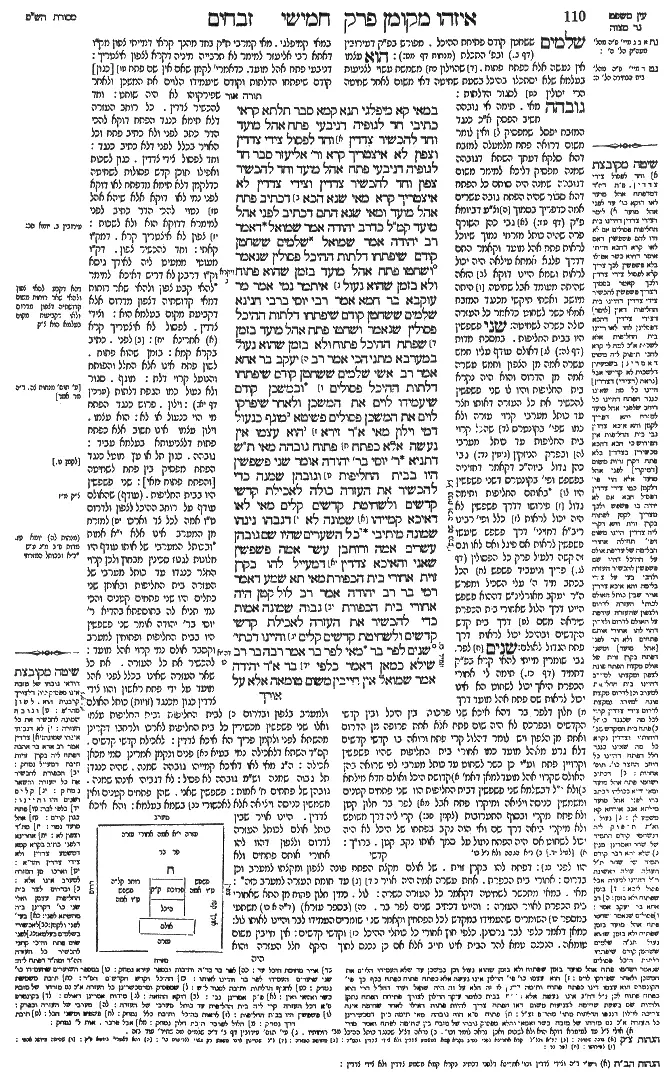
Zevahim 55b - Guemara
במאי קא מיפלגי תנא קמא סבר תלתא קראי כתיבי חד לגופיה דניבעי פתח אהל מועד וחד להכשיר צדדין וחד לפסול צידי צדדין וצפון לא איצטריך קרא ור' אליעזר סבר חד לגופיה דניבעי פתח אהל מועד וחד להכשיר צפון וחד להכשיר צדדין וצידי צדדין לא איצטריך קרא מאי שנא הכא דכתיב פתח אהל מועד ומאי שנא התם דכתיב לפני אהל מועד קמ"ל כדרב יהודה אמר שמואל דאמר רב יהודה אמר שמואל שלמים ששחטן קודם שיפתחו דלתות ההיכל פסולין שנאמר (ויקרא ג, ב) ושחטו פתח אהל מועד בזמן שהוא פתוח ולא בזמן שהוא נעול איתמר נמי אמר מר עוקבא בר חמא אמר רבי יוסי ברבי חנינא שלמים ששחטן קודם שיפתחו דלתות ההיכל פסולין שנאמר ושחטו פתח אהל מועד בזמן שפתח ההיכל פתוח ולא בזמן שהוא נעול במערבא מתני הכי אמר רב יעקב בר אחא אמר רב אשי שלמים ששחטן קודם שיפתחו דלתות ההיכל פסולים ובמשכן קודם שיעמידו לוים את המשכן ולאחר שיפרקו לוים את המשכן פסולים פשיטא מוגף כנעול דמי וילון מאי א"ר זירא הוא עצמו אין נעשה אלא כפתח פתוח גובהה מאי ת"ש דתניא ר' יוסי בר' יהודה אומר שני פשפשין היו בבית החליפות וגובהן שמנה כדי להכשיר את העזרה כולה לאכילת קדשי קדשים ולשחיטת קדשים קלים מאי לאו דאיכא קמייהו שמונה לא דגבהו נינהו שמונה מיתיבי כל השערים שהיו שם גובהן עשרים אמה ורוחבן עשר אמה פשפשין שאני והאיכא צדדין דמעייל להו בקרן זוית אחורי בית הכפורת מאי תא שמע דאמר רמי בר רב יהודה אמר רב לול קטן היה אחורי בית הכפורת גבוה שמונה אמות כדי להכשיר את העזרה לאכילת קדשי קדשים ולשחיטת קדשים קלים והיינו דכתי' (דברי הימים א כו, יח) שנים לפר בר מאי לפר בר אמר רבה בר רב שילא כמאן דאמר כלפי בר א"ר יהודה אמר שמואל אין חייבין משום טומאה אלא על
Comments from Rashi on Masechet Zevahim Page 55b
במאי קמיפלגי . מאי קמרבי ת"ק בחד מהנך קראי דמייתי צפון מק"ו דאתא רבי אליעזר למימר לא תרבייה מיניה דקרא לצפון איצטריך: דניבעי פתח אהל מועד . כדאמרי' לקמן שאם אין שם פתח [כגון] קודם שיפתחו הדלתות וקודם שיעמידו הלוים את המשכן ולאחר שפירקוהו לא היה שוחט: וחד להכשיר צדדין . כל רוחב העזרה דלא תימא כנגד הפתח דוקא להכי הדר כתב לפני ולא כתיב פתח וכל האויר בכלל לפני דלא כתיב כנגד: וחד לפסול צידי צדדין . כגון לשכות ואפילו תוכן קדש פסולות לשחיטה כדלקמן דלא תימא מדפתח לאו דוקא לפני נמי לאו דוקא אלא שיהא אהל נטוי להכי הדר כתיב לפני למימרא דדוקא הוא ולא לשכות: צפון לא איצטריך קרא . דמק"ו קאתי: וחד להכשיר צפון . דק"ו מעוטי ממעיט ליה לאידך גיסא וק"ו דרבנן לא דריש דאיכא למימר להאי קבע צפון ולהאי שאר רוחות דמאי קדושתיה דצפון מדרום אלא דקביעת מקום בעלמא הוא: וצידי צדדין . לפסול לא איצטריך קרא אחרינא: לפני . כתיב בקרא קמא: בזמן שהוא פתוח . לשון פתח אינו אלא החלל והפותח והנועל קרוי דלת: מוגף . סגור ולא נעול כמו הגפת דלתות (ערכין דף יא:): וילון . פרוש כנגד הפתח מי הוי כנעול או לא: הוא עצמו . וילון עצמו אינו חשוב אלא כפתח פתוח דלצניעותא בעלמא עביד: גובהה . כגון תל או עץ מוטל כנגד הפתח מפסיק בין פתח לשחיטה [והפתח פתוח מאי]: שני פשפשין היו בבית החליפות . (עודף) שהאולם עודף על רוחב ההיכל לצפון ולדרום ט"ו אמה לכל צד וארכו למזרח מן המערב אינו אלא י"א אמות ובכותל המערבי של אותו עודף היו חלונות לגנוז סכינין מבחוץ ולכן קרוי החצר כנגדו עד כותל מערבי של העזרה בית החליפות ובאותן שני כתלים היו שני פתחים קטנים והכי נמי תניא לה בתוספתא בהדיא ר' יוסי בר' יהודה אומר שני פשפשין היו בבית החליפות ופתוחין למערב וקסבר אולם נמי קרוי אהל מועד: להכשיר את כל העזרה . את כל שאר העזרה שאינו בכלל לפני אהל מועד על ידי פתח ראשון והוו צידי צדדין כגון מכנגד (זויות) כותל האולם ולמערב בצפון ובדרום לבית החליפות ובית החליפות עצמו ואלו שני פשפשין מכשירין כל בית החליפות לארכו ולרחבו דקרינן מהשתא לפני ולקמן פריך הא איכא צדדין: לאכילת קדשי קדשים . קס"ד השתא דלאכילה נמי בעיא פנים ולקמן אמרינן סמי מכאן אכילה: ה"ג מאי לאו דאיכא קמייהו גובהה שמנה . שהיה כנגדן תל גבוה שמנה וש"מ גובהה לא פסיל: לא דגביהי אינהו שמנה . גובהן של פתחים ח' אמות: פשפשין שאני . שהן פתחים קטנים ואין משמשין כניסה ויציאה אלא לאכשורי בשמא בעלמא: והא איכא צדדין . היינו אויר שבין כותל אולם לכותל העזרה לדרום ולצפון דהוו להו אחורי אותם פתחים ולא הוו לפני: דפתח להו בקרן זוית . של אולם מקצת הפתח פונה לצפון ומקצתו למערב וכן בדרום: אחורי בית הכפרת . אחת עשרה אמה היה אויר עד חומת העזרה למערב כזה:  מאי . במאי מתכשר לשחיטה דקאמר כל העזרה כשרה: לול . כמין חלון פתוח מן התא שאחורי בית הכפרת לאויר העזרה: והיינו דכתיב שנים לפר בר . (בספר עזרא) (ד"ה א כו) משתעי במספר השומרים שהעמידו במקדש לכל הפתחין וקאמר שני שומרים העמידו לבר והיינו לאותו לול: כמאן דאמר כלפי לבר גרסינן . כלפי חוץ אחורי כל כותלי ההיכל וקדשי קדשים: אין חייבין משום טומאה . הנכנס טמא להר הבית אינו חייב אלא אם כן נכנס לתוך היקף חלל העזרה והוא היה אורך קפ"ז על רוחב קל"ה כדתנן במסכת מדות (דף לה.): למעוטי הנכנס ללשכות הבנויות חוצה לו ופתוחות לתוכו שלא נתקדשו בקדושת עזרה בשירי מנחה ובשיר של פגעים ובאורים ותומים שמקדשים בהן את העזרה ובהליכה סביב כדאמרינן בשבועות (דף יד.):
Comments from Tosafot - Zevahim 55b
שלמים ששחטן קודם פתיחת ההיכל . מפורש בפ"ק דעירובין (דף ב.) ובפ' התכלת (מנחות דף מט:): הוא עצמו אין נעשה אלא כפתח פתוח . שהוילון משמשת עשוי לצניעות בעלמא שלא יסתכלו בהיכל בשעת שחיטה דאי משום לאחר שחיטה הרי יכולין לסגור הדלתות: גובהה מאי . תימה אי גובהה חשיב הפסק א"כ כנגד המזבח יפסל שמפסיק ואין לומר משום דרואה פתח מלמעלה למזבח דהא סלקא דעתך השתא דגובהה שמנה מפסיק דליכא למימר משום דגובהה שמנה היה סותם כל הפתח דהא סבור שהיה הפתח גובה עשרים אמה כדפריך בסמוך וצ"ע דביומא פ"ק (דף טז:) גבי כהן השורף פרה שהיה כותל מזרחי נמוך שיוכל לראות פתח אהל מועד וקאמר התם דדרך פלגא אמתא עילאה היה יכול לראות ושמא היינו דוקא הזאה שהיתה מעומד אבל שחיטה היתה מיושב ואכתי תיקשי מכנגד המזבח אמאי כשר לשחוט כדאמר כל העזרה כולה כשרה לשחיטה: שני פשפשין היו בבית החליפות . במסכת מדות (דף לה:) דאולם עודף עליו חמש עשרה אמה מן הצפון וחמש עשרה אמה מן הדרום והוא היה נקרא בית החליפות והיו לו שני פשפשין להכשיר את כל העזרה דאותו חצר עד כותל מערבי קרוי עזרה ולא כמו שפי' בקונטרס שהכל קרוי בית החליפות עד כותל מערבי ובפרק הניזקין (גיטין נד:) גבי כהן גדול ביוה"כ דקאמר דחזיניה בפשפש ופי' בקונטרס דשני פשפשין היו באותם החליפות ותימה גדול פירושו דדרך פשפשין לא היה יכול לראות כלל ופי' רבינו ריב"א דחזיני' דרך פשפש שיעשו פשפשין לראות אם פיגל ואם לאו וגם זה קשה דלעיל פרק כל הפסולין (זבחים דף לג.) פריך וניעביד פשפש הכל בכתב מיד ה' עלי השכיל ומפרש ה"ר יעקב מאורלינ"ש דההוא פשפש היינו דרך הלול שאחורי בית הכפרת שיראה משם דרך בית קדש הקדשים ובהיכל יכול לראות דרך פתח הגדול לאולם: שנים לפר . גבי שומרין מייתי להאי קרא בפ"ק דתמיד (דף כז.) תימה לי אחורי הכפרת היאך יכול לשחוט הא אינו יכול לראות שם פתח אהל מועד דרך חלון דלפר בר דהא איכא שני פרכות בין היכל ובין קדשי הקדשים ובפרכת לא היה שום פתח אלא אחת פרופה מן הדרום ואחת מן הצפון ויש לומר דהלול קרי פתח ורואה בו קדשי קדשים דלא גרע מאהל מועד כמו אחורי בית החליפות שהיו פשפשין וקרויין פתח וע"י כן כשר לשחוט עד כותל מערבי לפי שרואה בהן האולם שקרוי אהל מועד למאן דאמ' קדושת היכל ואולם חדא מילתא ולא נ"ל דבשלמא שני פשפשין דבית החליפות הוו שני פתחים קטנים ומשמשין כניסה ויציאה ומיקרו פתח אבל לפר בר חלון קטן ולא פתח מקרי ובסוף התערובות (לקמן זבחים פב:) קרי ליה דרך משופש ולא מיקרי ביאה דרך שם ואי הוה נקב בפתחו של היכל לא היה יכול לשחוט אם היה הפתח נעול על סמך אותו נקב קטן. ברו"ך:
Zevahim 55b - Mishnah translated into english
The Gemara clarifies: With regard to what do they disagree? The first tanna holds that three verses are written. One verse serves to teach the halakha itself, that we require that the slaughter take place at the entrance of the Tent of Meeting. And one verse serves to render fit slaughter at the sides, i.e., the entire length of the Temple courtyard eastward from the entrance, and not only that part which is directly in front of the entrance. And one verse serves to disqualify the sides of the sides, i.e., those parts of the courtyard that are not in front of the entrance at all. And it was not necessary to have a verse teach the fitness of slaughtering in the north, as it can be derived via an a fortiori inference.
And Rabbi Eliezer holds that one verse is necessary to teach the halakha itself, that we require slaughter at the entrance of the Tent of Meeting. And one verse serves to render fit slaughter in the north of the courtyard. And one verse serves to render fit slaughter at the sides of the courtyard. But according to him, it was not necessary to have a verse teach that the sides of the sides are not fit for the slaughter of the offering.
§ The Gemara asks: What is different here that it is written: “At the entrance to the Tent of Meeting” (Leviticus 3:2), and what is different there that it is written: “Before the Tent of Meeting” (Leviticus 3:8, 13)? The Gemara answers: This teaches us a matter in accordance with that which Rav Yehuda says that Shmuel says. As Rav Yehuda says that Shmuel says: Peace offerings that one slaughtered in the Temple before the doors of the Sanctuary were opened are disqualified, as it is stated with regard to peace offerings: “And he shall slaughter it at the entrance to the Tent of Meeting” (Leviticus 3:2), which teaches that it must be slaughtered when the entrance is open and serves as an actual entrance, and not when it is locked. As long as the entrance to the Tent of Meeting, or in the Temple the doors to the Sanctuary, remain closed, one may not sacrifice the peace offerings, and if they are sacrificed, they are disqualified.
It was also stated: Mar Ukva bar Ḥama says that Rabbi Yosei, son of Rabbi Ḥanina, says: Peace offerings that one slaughtered before the doors of the Sanctuary were opened are disqualified, as it is stated in the verse: “He shall slaughter it at the entrance to the Tent of Meeting” (Leviticus 3:2). This means when the entrance of the Sanctuary is open, and not when it is locked.
In the West, Eretz Yisrael, they teach this halakha like this: Rav Ya’akov bar Aḥa says that Rav Ashi says: Peace offerings that one slaughtered before the doors of the Sanctuary were opened are disqualified. And in the Tabernacle, which had no doors, peace offerings that were slaughtered before the Levites erected the Tabernacle or after the Levites dismantled the Tabernacle are disqualified.
The Gemara comments: It is obvious that if the door is closed but not locked it has the same status as if it were locked. The Gemara asks: If there is a curtain covering the entrance, what is the halakha? Rabbi Zeira says: A curtain itself is made only to be used like an open entrance, and therefore it is not considered as if the entrance is closed.
The Gemara asks: What is the halakha if a tall item is blocking the entrance? The Gemara suggests: Come and hear a proof that a tall item does not render an entrance as closed, as it is taught in a baraita: Rabbi Yosei, son of Rabbi Yehuda, says: There were two wickets, i.e., openings, in the Chamber of Knives, and their height was eight cubits. The function of these openings was in order to render fit the entire Temple courtyard for the eating of offerings of the most sacred order, and to render fit all of the Temple courtyard for the slaughter of offerings of lesser sanctity. Due to the openings, the western area of the courtyard was considered to be “before the Tent of Meeting.”
The Gemara explains the inference: What, is the reference to eight cubits not referring to the fact that in front of the wickets there was an obstruction eight cubits high? Nevertheless, the area outside of it is considered open to the Chamber of Knives. The Gemara answers: No, their height was eight cubits, i.e., the wickets themselves were eight cubits high.
The Gemara raises an objection to this explanation from a mishna (Middot 35a), which teaches: All the gates that were there, in the Temple, were twenty cubits high and ten cubits wide. If so, how could these wickets be only eight cubits high? The Gemara answers: The wickets are different, and they are not considered gates.
The Gemara questions the ruling of the baraita. How did the wickets render fit the entire Temple courtyard? But there are the sides, i.e., to the north and south of the Chamber of Knives, and the wickets faced only to the west. The Gemara answers that they inserted the wickets in the corner of the Chamber, so that one opened to the northwest, and one to the northeast.
The Gemara asks: What is the halakha with regard to the area behind the Hall of the Ark Cover, i.e., behind the Sanctuary, from where one could not see the entrance of the Temple courtyard or the two wickets? The Gemara answers: Come and hear, as Rami bar Rav Yehuda says that Rav says: There was a small niche behind the Hall of the Ark Cover, which was eight cubits high. The function of this niche was in order to render fit the entire Temple courtyard for the eating of offerings of the most sacred order, and to render fit all of the Temple courtyard for the slaughter of offerings of lesser sanctity. And this is as it is written: “For the precinct westward, four at the causeway, and two at the precinct” (I Chronicles 26:18). What is the meaning of the term: “For the precinct [laparbar]”? Rabba bar Rav Sheila said: It is like one who says: Facing outward [kelappei bar].
§ Rav Yehuda says that Shmuel says: One is liable for entering the Temple courtyard in a state of ritual impurity only with regard to
Traduction : The William Davidson digital edition of the Koren Noé Talmud, with commentary by Rabbi Adin Even-Israel Steinsaltz.