 Talmud Bavli
Eruvin 93b : Youtube
Rabi Yitzchok LobensteinYoutube
2 video classes :
Eruvin Page 93b
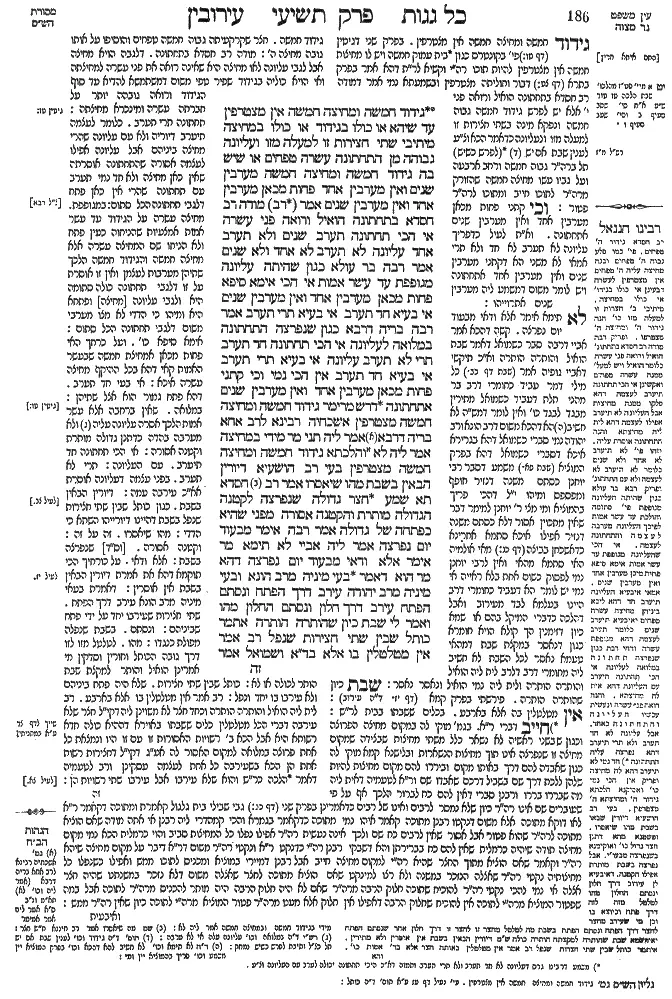
Eruvin 93b - Guemara
גידוד חמשה ומחיצה חמשה אין מצטרפין עד שיהא או כולו בגידוד או כולו במחיצה מיתיבי שתי חצירות זו למעלה מזו ועליונה גבוהה מן התחתונה עשרה טפחים או שיש בה גידוד חמשה ומחיצה חמשה מערבין שנים ואין מערבין אחד פחות מכאן מערבין אחד ואין מערבין שנים אמר (רב) מודה רב חסדא בתחתונה הואיל ורואה פני עשרה אי הכי תחתונה תערב שנים ולא תערב אחד עליונה לא תערב לא אחד ולא שנים אמר רבה בר עולא כגון שהיתה עליונה מגופפת עד עשר אמות אי הכי אימא סיפא פחות מכאן מערבין אחד ואין מערבין שנים אי בעיא חד תערב אי בעיא תרי תערב אמר רבה בריה דרבא כגון שנפרצה התחתונה במלואה לעליונה אי הכי תחתונה חד תערב תרי לא תערב עליונה אי בעיא תרי תערב אי בעיא חד תערב אין הכי נמי וכי קתני פחות מכאן מערבין אחד ואין מערבין שנים אתחתונה דרש מרימר גידוד חמשה ומחיצה חמשה מצטרפין אשכחיה רבינא לרב אחא בריה דרבא אמר ליה תני מר מידי במחיצה אמר ליה לא והלכתא גידוד חמשה ומחיצה חמשה מצטרפין בעי רב הושעיא דיורין הבאין בשבת מהו שיאסרו אמר רב חסדא תא שמע חצר גדולה שנפרצה לקטנה הגדולה מותרת והקטנה אסורה מפני שהיא כפתחה של גדולה אמר רבה אימר מבעוד יום נפרצה אמר ליה אביי לא תימא מר אימר אלא ודאי מבעוד יום נפרצה דהא מר הוא דאמר בעי מיניה מרב הונא ובעי מיניה מרב יהודה עירב דרך הפתח ונסתם הפתח עירב דרך חלון ונסתם החלון מהו ואמר לי שבת כיון שהותרה הותרה אתמר כותל שבין שתי חצירות שנפל רב אמר אין מטלטלין בו אלא בד"א ושמואל אמר
Comments from Rashi on Masechet Eruvin Page 93b
גידוד חמשה . חצר שקרקעיתה גבוה חמשה טפחים והוסיפו על אותו גובה מחיצה ה': מודה רב חסדא בתחתונה . דלגבה הויא מחיצה אבל לגבי עליונה לאו מחיצה היא שאינה רואה את פני עשרה למחיצתה ואי הויא כוליה בגידוד שפיר טפי משום דמשתמשא להדיא עד סוף הגידוד ורואה גובהה יותר על חברתה עשרה ומינכרא מחיצתה: תחתונה תרי תערב . כלומר לעצמה תיערב דיוריה ולא עם עליונה שהרי מחיצה ביניהם אבל עליונה אפילו לעצמה אסורה שהתחתונה אוסרתה שאין כאן מחיצה ולא חד נמי תערב עם תחתונה שהרי אין כאן פתח דלגבי תחתונה הכל סתום: במגופפת . מחיצה עשרה על הגידוד עד עשר אמות אמצעיות שהניחוה כעין פתח ולא הניחו שם המחיצה עשרה אלא מחיצה חמשה והגידוד חמשה הלכך שתיהן מערבות לעצמן ואין זו אוסרת על זו דלגבי תחתונה כולה סתומה היא ולגבי עליונה [מחיצה] ופתחא היא ומיהו כי הדדי לא מצו מערבי משום דלגבי תחתונה הכל סתום: אימא סיפא כו' . ועל כרחך האי פחות מכאן אמחיצת חמשה שבעשר האמות קאי דהא בכל ההיקף מחיצה עשרה איכא: אי בעי חד תערב . דה"א פתח גמור הוא אצל שתיהן: במלואה . שאין ברחבה אלא עשר אמות הלכך אסרה עליונה עליה ולא מערבה בהדה כדתנן גדולה מותרת וקטנה אסורה: אי הכי תחתונה חד תיערב . עם העליונה: תרי לא תערב . בפני עצמה דעליונה אוסרת אא"כ עירבה עמה: דיורין הבאין בשבת . כגון כותל שבין שתי חצירות שנפל בשבת דהיינו דיורייהו השתא כי הדדי: מהו שיאסרו . זה על זה: וקטנה אסורה . [וס"ד] שנפרצה בשבת: אלא ודאי . על כורחיך הכי תוקמא דהא את אמרת דיורין הבאין בשבת אין אוסרין: דאמרת בעאי מיניה מרב הונא עירב דרך הפתח . שתי חצירות שעירבו יחד על ידי פתח שביניהם: ונסתם . בשבת שנפלה מפולת כנגדו: מהו . לטלטל מזו לזו דרך גובה הכותל וחורין וסדקין מי אמרינן הואיל והותר למקצת שבת הותר לכולה או לא: כותל שבין שתי חצירות . שלא היה פתח ביניהם ולא עירבו בו יחד ונפל: רב אמר אין מטלטלין בו אלא בארבע . רב לית ליה הואיל והותרה הותרה וכחד חצר לא משוינן ליה דקי"ל חצר שלא עירבה דברי הכל מטלטלין כלים ששבתו באוירא דההיא כולה חדא רשותא היא אבל הכא ב' רשויות האסורות זו עם זו היו ונמצאת כל אחת פרוצה במלואה למקום האסור לה אע"ג דקי"ל דחצירות רשות אחת הן הכא בשעירבה כל אחת לעצמה עסקינן ורב לטעמיה דאמר הלכה כר"ש והוא שלא עירבו אבל עירבו שתי רשויות הן:
Comments from Tosafot - Eruvin 93b
גידוד חמשה ומחיצה חמשה אין מצטרפין . בפרק שני דגיטין (דף טו:) פי' בקונטרס כגון בית עמוק חמשה ויש לו מחיצות חמשה אין מצטרפין להיות תוכו רה"י וקשיא לר"ת דהא אמר בפרק בתרא (דף צט:) דבור וחוליתה מצטרפין ובשמעתא נמי אמר דמודה רב חסדא בתחתונה הואיל ורואה פני י' אלא יש לפרש גידוד חמשה גבוה חמשה ונפקא מינה בשתי חצירות זו למעלה מזו ולעליונה כדאמר הכא וצ"ע לענין שבת אם יש (לפרש כשיש) תל ברה"ר גבוה חמשה ורחב ארבעה ועל גביו עשו מחיצה חמשה שהזורק מרה"ר לתוכו חייב ומתוכו לרה"ר פטור: וכי קתני פחות מכאן מערבין אחד ואין מערבין שנים אתחתונה . וא"ת לעיל כדפריך עליונה לא תערב לא חד ולא תרי אמאי לא משני הא דקתני מערבין שנים ואין מערבין אחד אתחתונה ויש לומר משום דמשמע ליה מערבין שנים אתרוייהו: לא תימא אימר אלא ודאי מבעוד יום נפרצה . קשה דהכא אמר אביי דרבה סבר כשמואל דאמר שבת הואיל והותרה הותרה וא"כ תיקשי דאביי גופיה אמר (שבת דף כב.) כל מילי דמר עביד כחומרי דרב בר מהני תלת דעביד כשמואל מתירין מבגד לבגד כו' ואין לומר דמש"ה לא חשיב הא דהכא משום דרב הונא ורב יהודה נמי סברי כשמואל דהא בגרירא איכא דסברי כשמואל דהא בפרק המוציא (שבת פא.) משמע דסבר רבי יוחנן כסתם משנה דנזיר חופף ומפספס ומיהו י"ל דהכי פריך בהמוציא ומי מצי ר' יוחנן למימר דבר שאין מתכוין אסור דלא כסתם משנה דנזיר אפילו איכא סתמא אחרינא כדאשכחן בביצה (דף כג:) מאי אולמיה האי סתמא מהאי ואין לרבי יוחנן נמי לפסוק כשום אחת בלא ראייה אי נמי יש לומר הא דעביד כחומרי דרב היינו בעלמא לבד מעירוב ואבל דהלכה כדברי המיקל בהם או שמא כיון דזימנין הך קולא הויא חומרא כגון דנאסר במקצת שבת דמהאי טעמא נאסר לכל השבת לא חשיב ליה מחומרי דרב דלרב לית ליה הואיל והותרה הותרה ולית ליה נמי הואיל ונאסר נאסר: שבת כיון שהותרה הותרה . פירשתי בפרק קמא (דף יז. ד"ה עירוב): אין מטלטלין בה אלא בארבע . בכלים ששבתו בבית לר"ש:
Eruvin 93b - Mishnah translated into english
An embankment, a height disparity between two surfaces of five handbreadths, and an additional partition of five handbreadths do not join together to form a partition of ten handbreadths, the minimum height for a partition to enclose a private domain. It is regarded as a partition of ten handbreadths only if the barrier is composed entirely of the embankment or if it is composed entirely of a partition.
The Gemara raises an objection from a baraita: If there were two courtyards, one above the other, and the upper one was ten handbreadths higher than the lower one, or if it had an embankment of five handbreadths and a partition of five handbreadths, the two courtyards are considered separate domains and they establish two eiruvin, one for each courtyard, and they do not establish one eiruv. If the height disparity was less than ten handbreadths, the two areas are considered a single domain, and they establish one eiruv and they do not establish two eiruvin.
Rav said: Rav Ḥisda concedes that an embankment and a partition combine with regard to the lower courtyard, since it faces a wall of ten, i.e., there is a full partition of ten handbreadths before its residents. The Gemara raises a difficulty: If so, according to this reasoning, the residents of the lower courtyard, from whose perspective there is a valid partition, should establish two eiruvin, i.e., an independent eiruv, and do not establish one eiruv together with the upper courtyard, while the residents of the upper courtyard establish neither one eiruv nor two. The residents of the upper courtyard neither establish an eiruv on their own, as it is breached into the lower one, nor can they establish an eiruv together with the lower courtyard, because the latter is separated from it.
Rabba bar Ulla said: The baraita is referring to a case where the upper courtyard had full-fledged ten-handbreadth-high walls that protruded on both sides of the section of the partition that was merely five handbreadths high, a protrusion that extended up to ten cubits. In this case, the upper courtyard is properly enclosed by a partition ten handbreadths high, while the section that is only five handbreadths high is deemed an entrance. Consequently, even the residents of the upper courtyard can establish an eiruv on their own. But the two courtyards cannot be merged by a single eiruv, because the lower courtyard is enclosed by a partition from which there is no entrance to the upper courtyard.
The Gemara raises a difficulty: If so, say the latter clause of that same baraita: If the height disparity was less than ten handbreadths, they are considered a single domain, and the residents therefore establish one eiruv, but they do not establish two eiruvin. According to the explanation suggested above, that there is a partition ten handbreadths high between the courtyards with an entrance of sorts between them, if they wish, they establish one eiruv, and if they wish, they establish two eiruvin. That is the halakha in a case of two courtyards with an entrance between them.
Rabba, son of Rava, said: The baraita refers to a case where the lower courtyard was fully breached into the upper one, i.e., the gap in the wall spanned the entire width of the lower courtyard. In that case, the residents of the lower courtyard establish a joint eiruv with the upper courtyard; however, they may not establish an eiruv of their own, in accordance with the mishna in which we learned that if a large courtyard is breached into a smaller one, it is permitted for the residents of the large courtyard to carry, but it is prohibited for the residents of the small one to do so.
The Gemara raises a difficulty: If so, the halakha should be that the residents of the lower courtyard establish one eiruv together with the upper one, but they do not establish two eiruvin, i.e., the residents cannot establish an independent eiruv for their courtyard. However, with regard to the upper one, if its residents wish, they establish one eiruv together with the lower courtyard, and if they wish, they establish two eiruvin. The residents of the upper courtyard can establish an independent eiruv for their courtyard, as the larger courtyard renders it prohibited for the residents of the smaller courtyard to carry, but not vice versa.
The Gemara answers: Yes, it is indeed so; that is the halakha. And when the baraita teaches: If the height disparity was less than ten handbreadths, the residents establish one eiruv, but they do not establish two eiruvin, this statement is not referring to both courtyards, but only to the lower one.
Mareimar taught: An embankment of five handbreadths and an additional partition of five handbreadths above it combine to form a partition of ten handbreadths. Ravina met Rav Aḥa, son of Rava, and said to him: Has the Master taught anything with regard to this partition, whether it is effective or not? He said to him: No. The Gemara concludes: The halakha is that an embankment of five handbreadths and a partition of five handbreadths combine to form an effective partition of ten handbreadths.
Rav Hoshaya raised a dilemma: What is the ruling with regard to residents who arrive on Shabbat, i.e., who join the residents of a courtyard on Shabbat, e.g., if the wall between two courtyards collapsed on Shabbat so that new residents arrive in one courtyard from the other. Had these people arrived before Shabbat they would have rendered it prohibited for the residents to carry in the courtyard unless they participated with the original residents in their eiruv. Do these residents render it prohibited for the original residents to carry in the courtyard, even if they arrive on Shabbat itself?
Rav Ḥisda said: Come and hear a resolution to the dilemma from the mishna: With regard to a large courtyard that was breached into a small courtyard, it is permitted for the residents of the large courtyard to carry, but it is prohibited for the residents of the small one to do so. It is permitted to carry in the large courtyard because the breach is regarded like the entrance of the large courtyard. Apparently, even if the breach occurred on Shabbat, it is prohibited for the residents of the small courtyard to carry. Rabba said: Say that the mishna is dealing with a case where it was breached while it was still day, i.e., on Friday. However, there is no prohibition if the breach occurred on Shabbat itself.
Abaye said to him: The Master should not state: Say, indicating that it is possible to explain the mishna in this manner. Rather, the mishna is certainly referring to a case where the courtyard was breached while it was still day. As Master, you are the one who said: I raised a dilemma before Rav Huna, and I raised a dilemma before Rav Yehuda: If one established an eiruv to join one courtyard to another via a certain opening, and that opening was sealed on Shabbat, or if one established an eiruv via a certain window, and that window was sealed on Shabbat, what is the halakha? May one continue to rely on this eiruv and carry from one courtyard to the other via other entrances? And he said to me: Once it was permitted to carry from courtyard to courtyard at the onset of Shabbat, it was permitted and remains so until the conclusion of Shabbat. According to this principle, if a breach that adds residents occurs on Shabbat, the breach does not render prohibited activities that were permitted when Shabbat began.
It is stated that amora’im disagreed: With regard to a wall between two courtyards, whose residents did not establish a joint eiruv, that collapsed on Shabbat, Rav said: One may carry in the joint courtyard only within four cubits, as carrying in each courtyard is prohibited due to the other, because they did not establish an eiruv together. Rav does not accept the principle that an activity that was permitted at the start of Shabbat remains permitted until the conclusion of Shabbat.
And Shmuel said:
Traduction : The William Davidson digital edition of the Koren Noé Talmud, with commentary by Rabbi Adin Even-Israel Steinsaltz.