 Talmud Bavli
No video class on this page yet.
To add a video to this page please click here.Me'ilah Page 6b
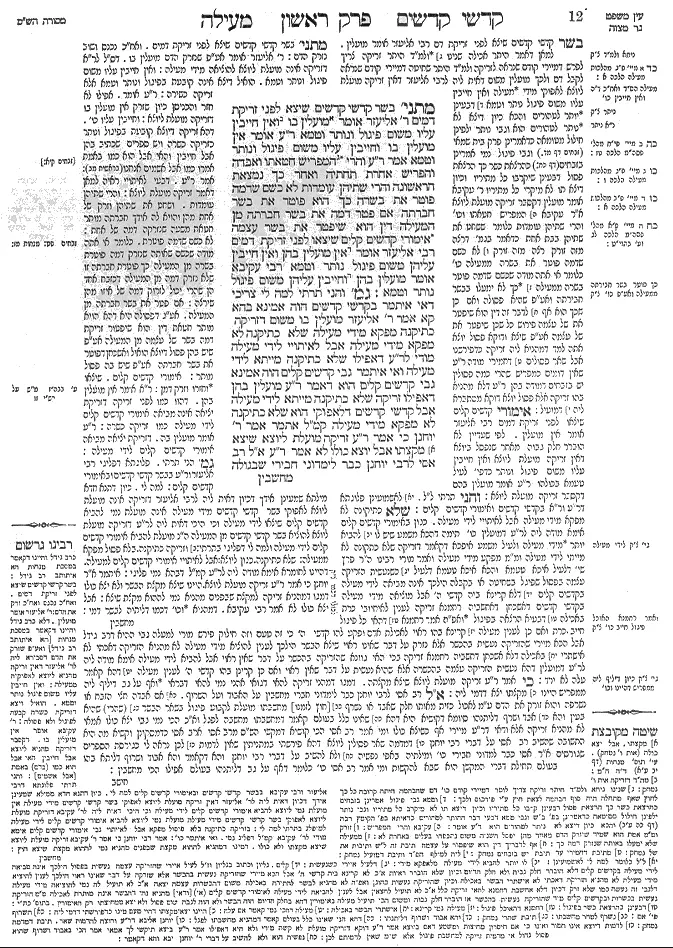
Me'ilah 6b - Guemara
מתני׳ בשר קדשי קדשים שיצא לפני זריקת דמים ר' אליעזר אומר מועלין בו ואין חייבין עליו משום פיגול ונותר וטמא ר"ע אומר אין מועלין בו וחייבין עליו משום פיגול ונותר וטמא אמר ר"ע והרי המפריש חטאתו ואבדה והפריש אחרת תחתיה ואחר כך נמצאת הראשונה והרי שתיהן עומדות לא כשם שדמה פוטר את בשרה כך הוא פוטר את בשר חברתה אם פטר דמה את בשר חברתה מן המעילה דין הוא שיפטר את בשר עצמה אימורי קדשים קלים שיצאו לפני זריקת דמים רבי אליעזר אומר אין מועלין בהן ואין חייבין עליהן משום פיגול נותר וטמא רבי עקיבא אומר מועלין בהן וחייבין עליהן משום פיגול נותר וטמא גמ׳ והני תרתי למה לי צריכי דאי איתמר בקדשי קדשים הוה אמינא בהא קא אמר ר' אליעזר מועלין בו משום דזריקה כתיקנה מפקא מידי מעילה שלא כתיקנה לא מפקא מידי מעילה אבל לאיתויי לידי מעילה מודי לר"ע דאפילו שלא כתיקנה מייתא לידי מעילה ואי איתמר גבי קדשים קלים הוה אמינא גבי קדשים קלים הוא דאמר ר"ע מועלין בהן דאפילו זריקה שלא כתיקנה מייתא לידי מעילה אבל קדשי קדשים דלאפוקי הוא שלא כתיקנה לא מפקא מידי מעילה קמ"ל אתמר אמר ר' יוחנן כי אמר ר"ע זריקה מועלת ליוצא שיצא מקצתו אבל יוצא כולו לא אמר ר"ע א"ל רב אסי לרבי יוחנן כבר לימדוני חבירי שבגולה
Comments from Rashi on Masechet Me'ilah Page 6b
מתני' בשר קדשי קדשים שיצא לפני זריקת דמים . ואח"כ נכנס ושוב נזרק הדם: ר' אליעזר אומר . אע"פ שנזרק הדם מועלין בו דס"ל לר"א דזריקה אינה מועלת ליוצא להוציאה מידי מעילה: ואין חייבין עליו משום פיגול ונותר וטמא . הואיל דיצא אינה קובעת בפיגול ונותר וטמא אלא זריקה כשירה: ר"ע אומר . אפילו לא חזר והכניסן כיון שזרק אין מועלין בו דזריקה מועלת ליוצא: וחייבין עליו כו' . דהא זריקה דיוצא קובעת בפיגול ונותר כזריקה כשרה. ויש ספרים שכתוב בהן אבל חייבין והאי אבל הוא כמו באמת אמרו כמו אבל אשמים אנחנו (בראשית מב): אמר ר"ע . דבעי לאיתויי ראיה למאן דאמר זריקה מועלת ליוצא: והרי שתיהן עומדות . ושחט את שתיהן וזרק של אחת מהן והויא לה אידך חברתה מותר חטאת משעה שנזרקה דמה של אחת: לא כשם שדמה פוטרת . כלומר אי אתה מודה שכשם שאותה שנזרק דמה פוטרת בשרה מן המעילה כך פוטרת חברתה זו שלא נזרק דמה מן המעילה דכזבח אחד הן שהרי יכול לזרוק דמה של איזו מהן שירצה: אם פטר את בשר חברתה מן המעילה . אע"ג דפסולה היא דהא הויא מותר חטאת דין הוא שיפטור זריקת דמה בשר של עצמה מן המעילה אע"פ שיש בהן פסול דיוצא הואיל ואשכחן דפוטר את בשר חברתה אע"פ שיש בה פסול מותר: אימורי קדשים קלים שיצאו . וחזרו וזרק דמן: ר"א אומר אין מועלין בהן . דהוו כמו לפני זריקה דזריקת יציאה אינה מביאה אימורי קדשים קלים לידי מעילה כמו זריקה כשרה: ר"ע אומר מועלין בה . דזריקת יציאה מביאה אימורי קדשים קלים לידי מעילה: גמ' הני תרתי . פלוגתא דפליגי רבי אליעזר ור"ע בבשר קדשי קדשים ובאימורי קדשים קלים: למה לי . כיון דתנא חדא מילתא שמעינן אידך דכיון דאית ליה לרבי אליעזר דזריקה אינה מועלת ליוצא לאפוקי בשר קדשי קדשים מידי מעילה אינה מועלת נמי להביא קדשים קלים שיצאו לידי מעילה וכי היכי דאית ליה לר"ע דזריקה מועלת ליוצא להוציא בשר קדשי קדשים מן המעילה ה"נ מועלת להביא אימורי קדשים קלים לידי מעילה ולמה לי דפליגי בתרתי: וזריקה כתיקנה . בלא פסול מפקא ממעילה: שלא כתיקנה . כגון ליוצא: אבל לאיתויי אימורי קדשים קלים למעילה . דהיינו לחומרא אימא מודה ליה לר"ע קמ"ל דבהא נמי פליגי: איתמר א"ר יוחנן כי אמר ר"ע זריקה מועלת ליוצא . היינו שיצא מקצת הבשר ולא יצא כולו דמגו דמהניא זריקה למקצת שבפנים מהניא נמי לההוא מקצת שיצא: אבל יצא כולו לא אמר רבי עקיבא . דמהניא וכו' דכמו דליתיה לבשר דמי:
Comments from Tosafot - Me'ilah 6b
בשר קדשי קדשים שיצא לפני זריקת דם רבי אליעזר אומר מועלין . למאן דאמר היתר אכילה שנינו ולמ"ד היתר זריקה צריך לפרש דמיירי קודם שנראה לזריקה ולמ"ד היתר שחיטה דמיירי קודם שנראה לקבל דם ולכך מועלין משום דאית ליה לרבי אליעזר דאין זריקה מועלת ליוצא לאפוקי מידי מעילה ואין חייבין עליו משום פיגול נותר וטמא דבעינן יותר לטהורים והכא כיון דיצא לא נותר לטהורים הוא וגבי נותר ילפינן חילול מטומאה כדאמרינן פרק בית שמאי (זבחים דף מד.) וגבי פיגול נמי אמרינן בזבחים (דף כח:) כהרצאת כשר כך הרצאת פסול דבעינן שיקרבו כל מתיריו וכיון דיצא תו לא מיקרי כל מתיריו ר' עקיבא אומר מועלין דקסבר זריקה מועלת ליוצא א"ר עקיבא המפריש חטאתו וכו' והרי שתיהן עומדות כלומר ששחט את שתיהן בבת אחת כדאמר בגמ' דרצה מזה זורק רצה מזה זורק לא כשם שדמה פוטר את בשרה ממעילה כו' כלומר אי אתה מודה שכשם שדמה פוטר בשרה ממעילה כך לא ימעלו בבשר חבירתה ואע"פ שהיא פסולה ואם כן שכך הוא אף לדבר זה דין הוא שיפטר את של עצמה פירוש כל שכן שיפטר את של עצמה אע"פ שיצא ודוקא פסול יוצא אתה למד דמהניא ליה זריקה כדפירשנו אבל שאר פסולים דחמירי מודה ר"ע שאין דומים כמפריש שהרי כמה פסולין יש בזבחים דמודה בהן ר"ע דלא מהניא בהו זריקה אלא פסול יוצא דוקא מסתברא ליה דמועיל: אימורי קדשים קלים שיצאו לפני זריקת דמים רבי אליעזר אומר אין מועלין . לפי שעדיין לא הוברר חלק גבוה מאחר שנפסל ביוצא דאין זריקה מועלת ליוצא ואין חייבין עליו משום פיגול ונותר כדפי' לעיל טעמא בכולהו ר"ע אומר מועלין בהם דקסבר זריקה מועלת ליוצא: והני תרתי ל"ל . לאשמועינן פלוגתא דר"ע ור"א בקדשי קדשים ואימורי קדשים קלים: שלא כתיקונה לא מפקא מידי מעילה אבל לאיתויי לידי מעילה . כגון באימורי קדשים קלים אימא מודה ליה לר"ע דמועלין כו' תימה דהכא משמע שיש לו להביא יותר מידי מעילה ולעיל משמע איפכא דקאמר דזריקה שלא כתקונה לא מייתי לידי מעילה ומ"מ מפקע מידי מעילה ואמר מורי רבינו ה"ר פרץ שי' דלעיל איכא טעמא והכא איכא טעמא דלעיל כשנעשית הזריקה עצמה בפסול שפיגל בשחיטה או בקבלה הילכך אינה מביאה לידי מעילה בקדשים קלים דלא קרינא ביה קדשי ה' אבל מוציאה מידי מעילה בקדשי קדשים דאשכחן דאחשביה רחמנא זריקה לענין לאיחיובי כרת באכילה דבעיא הרצאה בפיגול ואפ"ה אמר רחמנא דהאי כל פיגול חייב כרת ואם כן לענין מעילה קרינא בהו ראוי לאכילת אדם ופקע להו קדשי ה' כי זה טעם וזה חילוק פירש מורי למעלה גבי ההיא דרב גידל אבל הכא מיירי שהזריקה נעשית בהכשר אלא נזרק על דבר שאינו ראוי שיצא הבשר הילכך לענין להוציא מידי מעילה לא מהניא הזריקה דאכתי לא אישתרי באכילה דלא אשכחן דחשביה רחמנא זריקה בכי האי גוונא שהזריקה בהכשר על דבר שאין ראוי אבל להביא לידי מעילה אימא מודה ליה לר"ע דמועלין דהא נעשית הזריקה עצמה בהכשרה אלא שהיא נעשית על דבר שאין ראוי ואם כן קרינן בהו קדשי ה' לענין מעילה דהא קאמר עלה לא ירד: כי אמר ר"ע זריקה מועלת ליוצא שיצא מקצתה . דמגו דמהני זריקה להאי דגואי אהני נמי להאי דבראי ואף על גב דיליף ליה ממפריש היינו מקצתו יצא דדמי ליה: א"ל רב אסי לרבי יוחנן כבר לימדוני חברי מחשבין על האבוד ועל השרוף . אם אבדה חצי הזבח או נשרפה והוא זורק את הדם ע"מ לאכול כזית מאותו חלק שאבד או נשרף [חוץ לזמנו] מחשבתו מועלת לקבוע פיגול בשאר הבשר (שהרי) שהיא בעין והא אבד ושרף דליתנהו סיומא דקושיא היא דהא שאינו כלל בעולם קאמר דמחשבתו מחשבה לפגל וא"כ הכי נמי גבי יצא כולו אמאי לא מהניא זריקה אלא ודאי דר"ע מיירי אף כשיצא כולו ומי אמר רב אסי הכי קושיא דמקשי הש"ס מרב אסי ארב אסי כדמסקינן וקשיא מה היא התשובה שהשיב רב אסי על דברי רבי יוחנן דמדמה שאר פסולין ליוצא דהא פירשתי במתניתין שאין לדמות לכן נראה לי כגירסת הספרים שגורסים א"ר אסי כבר למדוני חבירי כו' ומילתיה באפי נפשיה ולא להשיב על דברי רבי יוחנן והא דקאמר והא אבוד ושרוף דליתא בהו בעולם תחילת דברי המקשן הוא שבא להקשות ומי אמר רב אסי כו' כלומר דאף על גב דליתנהו בעולם אפילו הכי מחשבין:
Me'ilah 6b - Mishnah translated into english
MISHNA: The mishna presents a dispute with regard to the status of offerings of the most sacred order, which normally are not subject to the halakhot of misuse once their blood has been sprinkled and they have been permitted to the priests. The case of the mishna is the meat of offerings of the most sacred order, whose consumption is permitted from the moment their blood was sprinkled, that left the Temple courtyard before the sprinkling of the blood, and then reentered the courtyard.
Rabbi Eliezer says: The sprinkling of this blood does not permit its consumption by the priests. Consequently, one is liable for misusing it. And he is not liable for eating it due to violation of the prohibitions of piggul, if he partook of it after it was slaughtered with the intent to partake of it or sprinkle its blood beyond its designated time, or of notar, if he partook of the meat after it remained overnight, or of partaking of the meat while ritually impure.
Rabbi Akiva says: The sprinkling is effective despite the fact that the meat left the Temple courtyard and was disqualified, and therefore one is not liable for misusing it. Likewise, other halakhot that apply to offerings whose blood was sprinkled apply to it, and consequently one is liable for eating it due to violation of the prohibitions of partaking of meat that is piggul, or notar, or remained overnight, or of partaking of the meat while ritually impure.
Rabbi Akiva said, in support of his opinion: But there is the case of one who designated an animal as his sin offering and it was lost, and he designated another animal in its stead, and thereafter the first sin offering was found and both of them are standing fit for sacrifice. If he slaughtered both animals at the same time and sprinkled the blood of one of them, which means that the second was disqualified as a leftover sin offering, the question arises as to the status of the meat of the second animal with regard to the halakhot of misuse.
Is it not the case that just as the blood of the animal whose blood was sprinkled exempts its meat from liability for its misuse, so too it exempts the meat of the other animal? Since he could have chosen to sprinkle the blood of either animal, they are considered as though they were one offering.
If so, one may learn from there by an a fortiori inference with regard to the case of sprinkling the blood of meat that left the courtyard and returned: If the sprinkling of its blood exempted the meat of the other animal from the halakhot of misuse, it is only right that it should exempt its own meat that left the courtyard.
The mishna adds that just as Rabbi Eliezer and Rabbi Akiva disagree as to whether the sprinkling of blood exempts meat that left the courtyard from liability for its misuse, so too, they disagree with regard to the sacrificial portions of offerings of lesser sanctity consumed on the altar that left the Temple courtyard before the sprinkling of the blood. The dispute is whether the subsequent sprinkling of the blood generates liability for misuse of those portions.
Rabbi Eliezer says: The sprinkling of the blood is completely ineffective in rendering those portions consecrated to the Lord. Consequently, one is not liable for misusing them. And similarly, one is not liable for their consumption due to violation of the prohibitions of piggul, notar, or of partaking of meat while ritually impure. Rabbi Akiva says: The sprinkling is effective, and therefore one is liable for misusing them. And likewise, one is liable for its consumption due to violation of the prohibitions of piggul, notar, or of partaking of the meat while ritually impure.
GEMARA: The Gemara asks: Why do I need the mishna to cite these two disagreements, i.e., both the case of offerings of the most sacred order and offerings of lesser sanctity? After all, both disagreements are based on the same principle.
The Gemara answers: Both cases are necessary, as, if the disagreement was stated only with regard to offerings of the most sacred order, I would say that it is specifically in that case that Rabbi Eliezer says that one is liable for misusing the meat of the offering, due to the fact that only sprinkling the blood properly removes the offering from being subject to the halakhot of misuse. By contrast, sprinkling the blood improperly, including for meat that left the courtyard, does not remove the offering from the halakhot of misuse.
But with regard to the issue of when the rite of sprinkling brings the offering into being subject to the halakhot of misuse, i.e., in the case of sacrificial portions of offerings of lesser sanctity, Rabbi Eliezer concedes to Rabbi Akiva that even sprinkling the blood improperly, as in this case, brings the offering into being subject to the halakhot of misuse.
And by contrast, if their disagreement was stated only with regard to offerings of lesser sanctity, I would say that it is specifically in the case of offerings of lesser sanctity that Rabbi Akiva said one is liable for misusing them. This is due to the fact that here the act of sprinkling serves to include them in the category of misuse, and therefore even sprinkling the blood improperly, as in this case, brings the offering into being subject to the halakhot of misuse.
But with regard to offerings of the most sacred order, where the sprinkling of the blood serves to remove the offering from being subject to the halakhot of misuse, one might say that Rabbi Akiva agrees that sprinkling the blood improperly does not remove the offering from being subject to the halakhot of misuse. Therefore, the mishna teaches us that the tanna’im disagree in both cases.
§ It was stated that amora’im disagree with regard to the opinion of Rabbi Akiva in the mishna. Rabbi Yoḥanan says: When Rabbi Akiva says that sprinkling is effective to remove the meat of offerings of the most sacred order that left the courtyard from the halakhot of misuse, that applies specifically in a case where only part of it left the courtyard and part remained inside. In such a situation, as the sprinkling is effective for the portion that remained inside the courtyard, it also is effective for the portion that left the courtyard. But if all of it left the courtyard, Rabbi Akiva did not say that the sprinkling is effective to remove the meat from the halakhot of misuse.
Rav Asi said to Rabbi Yoḥanan: My colleagues in the exile, i.e., the Sages of Babylonia, already taught me that
Traduction : The William Davidson digital edition of the Koren Noé Talmud, with commentary by Rabbi Adin Even-Israel Steinsaltz.