 Talmud Bavli
No video class on this page yet.
To add a video to this page please click here.Me'ilah Page 10b
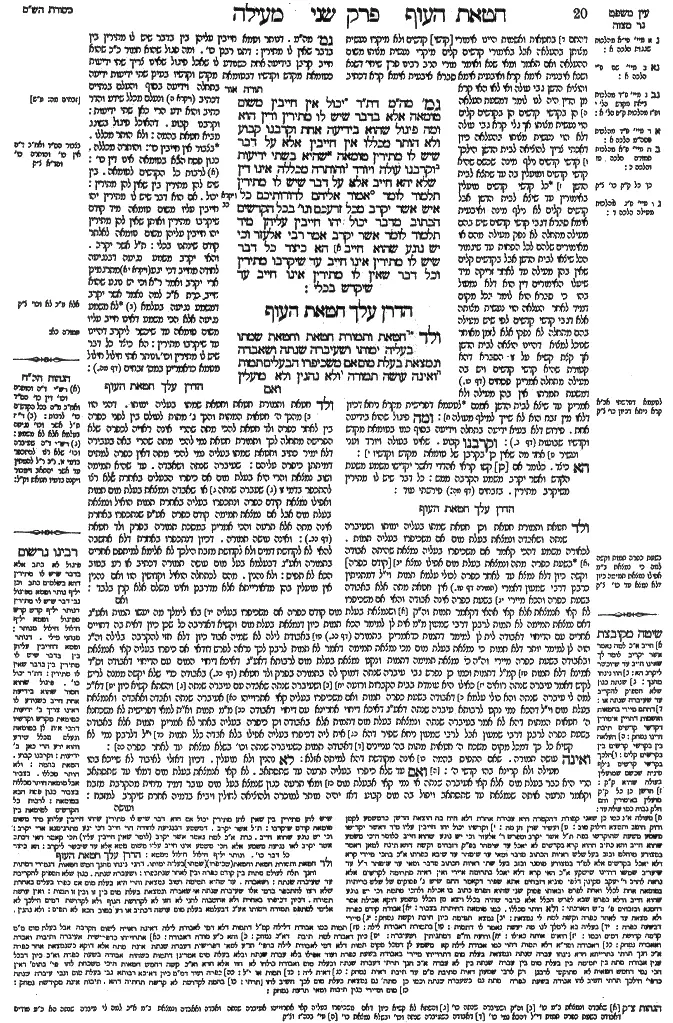
Me'ilah 10b - Guemara
גמ׳ מה"מ דת"ר יכול אין חייבין משום טומאה אלא בדבר שיש לו מתירין ודין הוא ומה פיגול שהוא בידיעה אחת וקרבנו קבוע ולא הותר מכללו אין חייבין אלא על דבר שיש לו מתירין טומאה שהיא בשתי ידיעות וקרבנו עולה ויורד והותרה מכללה אינו דין שלא יהא חייב אלא על דבר שיש לו מתירין תלמוד לומר (ויקרא כב, ג) אמור אליהם לדורותיכם כל איש אשר יקרב מכל זרעכם וגו' בכל הקדשים הכתוב מדבר יכול יהו חייבין עליהן מיד תלמוד לומר אשר יקרב אמר רבי אלעזר וכי יש נוגע שהוא חייב הא כיצד כל דבר שיש לו מתירין אינו חייב עד שיקרבו מתירין וכל דבר שאין לו מתירין אינו חייב עד שיקדש בכלי
הדרן עלך חטאת העוף
מתני׳ ולד חטאת ותמורת חטאת וחטאת שמתו בעליה ימותו ושעיברה שנתה ושאבדה ונמצאת בעלת מום אם משכיפרו הבעלים תמות ואינה עושה תמורה ולא נהנין ולא מועלין
Comments from Rashi on Masechet Me'ilah Page 10b
גמ' מה"מ . דנותר וטמא חייבין עליהן בין בדבר שיש לו מתירין בין בדבר שאין לו מתירין: דתנו רבנן כו' ומה פגול שהוא . חמור כ"כ שהוא חייב קרבן בידיעה אחת כשנודע לו שאכל פיגול שאינו צריך שתי ידיעות כטומאת מקדש וקדשיו דבטומאת מקדש וקדשיו בעינן שתי ידיעות ידיעה בתחלה וידיעה בסוף והעלם בנתיים דכתיב (ויקרא ה) ונעלם מכלל שידע והדר כתיב והוא ידע הרי כאן שתי ידיעות: וקרבנו קבוע . דהאוכל פיגול בשוגג מביא חטאת בהמה: ולא הותר מכללו . בצבור אין חייבין כו': והותרה מכללה . כגון פסח הבא בטומאה אינו דין כו': לרבות כל הקדשים לטומאה . בין שיש להן מתירין בין שאין להן מתירין: יכול . אם הוא דבר שיש לו מתירין יהו חייבין עליו משום טומאה מיד קודם שיקרבו מתירין ואותן שאין להן מתירין יהו חייבין עליהן משום טומאה לאלתר קודם שינתנו בכלי: ת"ל אשר יקרב . והאי יקרב משמע נגיעה דבנגיעה לחודה מחייב דכי יגע (ויקרא יא) מתרגמינן ארי יקרב ואמר ר"א וכי יש נוגע שהוא חייב כרת א"כ למה נאמר אשר יקרב דמשמע נגיעה בעלמא לא משמע נגיעה אלא הכי משמע דאינו חייב עליו משום טומאה עד שיכשר ליקרב דהיינו עד שיקרבו מתירין: הא כיצד כל דבר שיש לו מתירין וכו' . ונותר אתי חילול חילול מטמא כדאמרינן במס' זבחים (דף מה.): מתני' ולד חטאת ותמורת חטאת וחטאת שמתו בעליה ימותו . דהני הוו מהנך ה' חטאות המתות והנך ג' מתות לעולם בין לפני כפרה בין לאחר כפרה ולד חטאת להכי מתה שהרי אינה ראויה לכפרה שלא הפרישה מתחלה לכך ותמורת חטאת נמי להכי מתה שהרי באה בעבירה דלא ימיר כתיב וחטאת שמתו בעליה נמי להכי מתה דאין כפרה למתים דמיתתן כיפרה עליהם: שעיברה שנתה ושאבדה . עד שהיא תמימה ושוב נמצאת והרי היא בעלת מום אם כיפרו הבעלים באחרת שלא רצו להתכפר בדמי זו שעברה שנתה או שאבדה ונמצאת בעלת מום תמות ואפילו נמצאת קודם כפרה ונתכפרו בעליה באחרת תמות הואיל ונמצאת בעלת מום אבל אם נמצאת תמימה קודם כפרה אע"פ שנתכפרו באחרת אינה מתה אלא תרעה והכי אמרינן במסכת תמורה בפרק ולד חטאת (דף כב.): ואינה עושה תמורה . דכיון דנתכפרו באחרת דלא אחשבה להאי לא לקדושת דמים ולא לקדושת מזבח הילכך לא אלימא למיתפס אחרים בתמורה ואע"ג דבעלמא בעל מום עושה תמורה דכתיב או רע בטוב הכא לא תפיס: ולא נהנין . מהם לכתחלה הואיל וקדושין הוו ואם נהנין אין מועלין בהן מדאורייתא אלא מדרבנן ואינו משלם אלא קרן בלבד:
Comments from Tosafot - Me'ilah 10b
ומה פיגול שהוא בידיעה אחת . פירוש דלא בעיא ידיעה בתחלה וידיעה בסוף כמו בטומאת מקדש וקדשיו שבועות (דף ב.): וקרבנו קבוע . שאינו בעולה ויורד ועני ועשיר אחד מה שאין כן בקרבן של טומאת מקדש וקדשיו: הא כיצד . כלומר אם [כן] קשו קראי אהדדי דאשר יקדישו משמע משעת הקדש ואשר יקרב משמע הקרבה ממש: כל דבר שיש לו מתירין משיקרב מתירין . בזבחים (דף מה:) פירשתי עוד: מתני' ולד חטאת ותמורת חטאת וכן חטאת שמתו בעליה ימותו ושעיברה שנתה ושאבדה ונמצאת בעלת מום אם משכיפרו בעליה תמות . לכאורה משמע דהכי קאמר אם משכיפרו בעליה נמצאת שהיתה אבודה בשעת כפרה מתה ונמצאת בעלת מום אפילו נמצא [קודם כפרה] וקשה כיון דלא נמצא עד לאחר כפרה לכולי עלמא תמות וי"ל דמתניתין כרבנן דרבי שמעון דאמרי (תמורה דף טו.) אין חטאת מתה אלא באבודה בשעת כפרה והכא מיירי בשעת כפרה אינה אבודה והאי אם משכיפרו לא קאי אנמצאת אלא קאי אהאי דקאמר תמות וה"ק ושנמצאת בעלת מום קודם כפרה אם משכיפרו בעליה באו לימלך מה יעשו תמות ואע"ג דאם נמצאת תמימה לא תמות לרבנן דרבי שמעון מ"מ אית לן למימר הכא תמות כיון דנמצאת בעלת מום וקשיא דאדרבה כל שכן כיון דאית בה דחויים אחרים עם הדיחוי דאבודה לית לן למימר דתמות כדאמרינן בתמורה (דף כב.) באבודת לילה לא שמיה אבוד כיון דלא חזי להקרבה בלילה וה"נ הוה לן למימר יותר דלא תמות כי נמצאת בעלת מום מכי נמצאת תמימה דאמר לא תמות לרבנן לכך נראה לפרש דודאי אם כיפרו בעליה קאי אנמצאת ובאבודה בשעת כפרה מיירי וה"ה כי נמצאת תמימה דתמות ונקט נמצאת בעלת מום לרבותא דאע"ג דאיכא דיחוי המום עם הדיחוי דאבודה וס"ד אמינא דלא תמות קמ"ל דתמות וכמו כן נפרש גבי עיברה שנתה דמוקי לה בתמורה בפרק ולד חטאת (דף כב.) באבודה כדי שלא יקשה ממנה לריש לקיש דאמר עיברה שנתה רואים כאילו היא עומדת בבית הקברות ורועה ושעיברה שנתה שאבדה עם עיברה שנתה והשתא קשיא כיון דא"כ למה לי עיברה שנתה והא כולי עלמא דאבודה בשעת כפרה תמות ואם משכיפרו בעליה קאי אתרוייהו אעיברה שנתה ואבדה ואאבדה ואנמצאת בעלת מום וי"ל דהכא נמי נקט לרבותא עיברה שנתה דאע"ג דאיכא דיחוי אחרינא עם דיחוי דאבודה מ"מ תמות וא"ת למאי דפרישית לא משכחנא ה' חטאות המתות דהא לא אמר בעיברה שנתה ונמצאת בעלת מום דתמות אלא באבודה וכן כיפרה בעליה באחר לא אמרינן תמות אלא באבודה בשעת כפרה לרבנן דרבי שמעון אבל לרבי שמעון ניחא שפיר דהא אית ליה דכיפרו בעליה אפילו בלא אבדה כלל תמות י"ל דלרבנן נמי לא קשיא כל כך דמכל מקום משכח ה' חטאות מתות בה' עניינים דאבודה תמות כשעיברה שנתה וכו' בשלא נמצאת עד לאחר כפרה: ואינה עושה תמורה . שאם התפיס בהמה אינה מקודשת דהא למיתה אזלא: לא נהנין ולא מועלין . דכיון דאזלי לאיבוד לא שייכא בהו מעילה ולא קרינא בהו קדשי ה':
Me'ilah 10b - Mishnah translated into english
GEMARA: The mishna teaches that one is liable for the prohibition of notar and the prohibition of eating an item while ritually impure, both with regard to items that have permitting factors and items that do not have permitting factors. The Gemara asks: From where are these matters derived? The Gemara answers that this is as the Sages taught in a baraita: One might have thought that one is liable due to partaking of sacrificial food in a state of ritual impurity only with regard to an item that has permitting factors.
The baraita continues: And this is a logical inference: If with regard to piggul, which renders one who eats it unwittingly liable through one awareness, i.e., for one to be liable to bring a sin offering it is enough for him to become aware after the fact that he had sinned unwittingly, and its offering for one who eats it unwittingly is fixed, and there are no circumstances in which its general prohibition was permitted, i.e., it is never permitted to eat piggul, and yet one is liable due to the prohibition of partaking of piggul only for an item that has permitting factors, the same should certainly apply to ritual impurity.
The Gemara elaborates: Then with regard to ritual impurity, where one is liable only in a case of two awarenesses, i.e., one is liable only if he was aware of his impurity before eating the meat, and then forgot and ate, and afterward again became aware of his impurity; and its offering to atone for this transgression is a sliding-scale offering, which varies according to the offender’s financial status; and there are circumstances in which its general prohibition was permitted to the community, as communal offerings are sacrificed in the Temple in a state of impurity, under certain circumstances; is it not right that one should be liable for violating the prohibition of partaking of the meat while ritually impure only for an item that has permitting factors?
Therefore, the verse states: “Say to them: Anyone of all your seed throughout your generations, that approaches the sacred items, which the children of Israel consecrate to the Lord, while his impurity is on him, that soul shall be cut off from before Me: I am the Lord” (Leviticus 22:3). The verse, which deals with eating while ritually impure, is speaking of all the sacred items, whether or not they have a permitting factor. One might have thought that they should be liable for eating them immediately, as soon as they have been verbally consecrated, even before they have been placed into a service vessel. The verse states: “That approaches the sacred items.” This clause is puzzling, as it apparently leads to the unlikely conclusion that liability applies after one has touched the item.
The baraita explains that Rabbi Elazar said: But is there a case of one who touches an item who is liable? Rather, how is this possible? The answer is that the phrase “approaches [yikrav] the sacred items” can also be understood as: The sacred items that are fit to be sacrificed [yikarev], and therefore with regard to any item that has permitting factors, one is not liable until the permitting factors have been sacrificed. And in the case of any item that does not have permitting factors, one is not liable until it is sanctified in a service vessel.
MISHNA: This mishna, which also appears in tractate Temura, deals with the five sin offerings left to die. It is cited here because of its relevance to the halakhot of misuse. The mishna first mentions three of those offerings: The offspring of a sin offering, and an animal that is the substitute for a sin offering, whether or not the owners achieved atonement by means of another offering, and a sin offering whose owners have died before the offering was sacrificed, shall die.
And the other two sin offerings left to die are the sin offering whose year since birth passed and is therefore unfit for sacrifice, and a sin offering that was lost and when it was found it was blemished, with regard to which the halakhot are as follows: If the sin offering was found after the owner achieved atonement through the sacrifice of another animal as a sin offering, then the blemished animal shall die, and it does not render a non-sacred animal exchanged for it a substitute, as it is has neither inherent sanctity, which would make it fit for sacrifice on the altar, nor sanctity that inheres in its value. And one may not derive benefit from the found animal ab initio, but if he derived benefit from the animal he is not liable for its misuse.
Traduction : The William Davidson digital edition of the Koren Noé Talmud, with commentary by Rabbi Adin Even-Israel Steinsaltz.