 Talmud Bavli
Me'ilah 22a : Youtube
Rabbi Dr. Moshe WeisblumYoutube
1 video class :
Me'ilah Page 22a
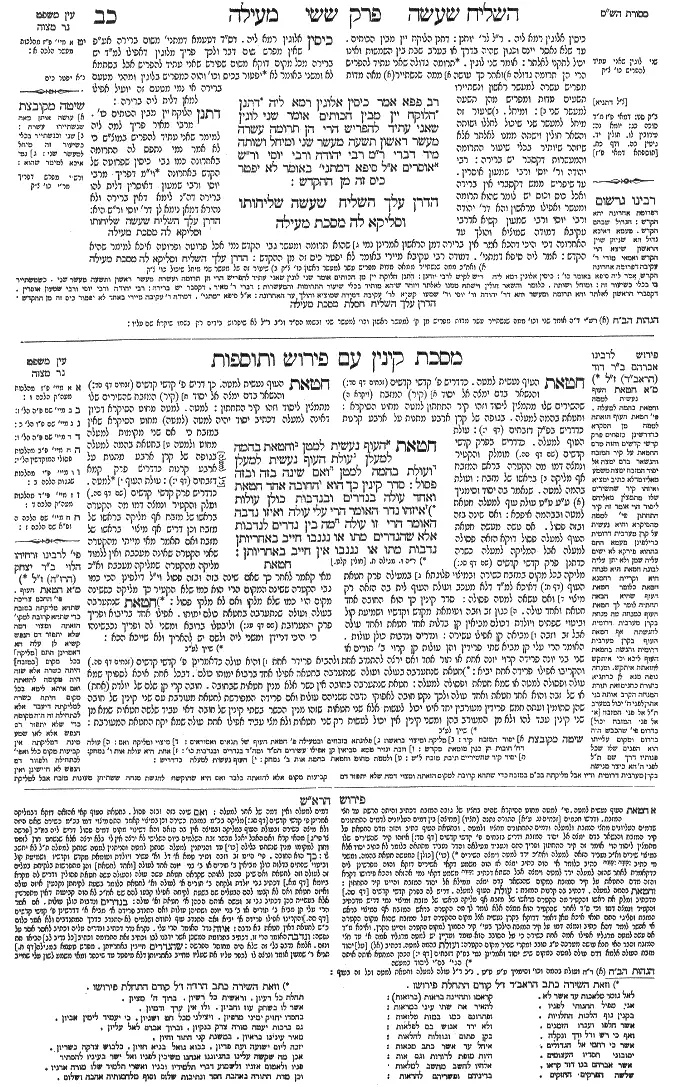
Me'ilah 22a - Guemara
רב פפא אמר כיסין אלוגין רמא ליה דתנן הלוקח יין מבין הכותים אומר שני לוגין שאני עתיד להפריש הרי הן תרומה עשרה מעשר ראשון תשעה מעשר שני ומיחל ושותה מיד דברי ר"מ רבי יהודה ורבי יוסי ור"ש אוסרים א"ל סיפא דמתני' באומר לא יפטר כיס זה מן ההקדש
הדרן עלך השליח שעשה שליחותו וסליקא לה מסכת מעילה
Comments from Rashi on Masechet Me'ilah Page 22a
כיסין אלוגין רמא ליה . ר"ל לר' יוחנן: דתנן הלוקח יין מבין הכותים . עד שלא נאסר יינם וכגון שהיה בדרך או בערב שבת בין השמשות ואינו יכול לתקנו לאלתר: אומר שני לוגין . תרומה גדולה שאני עתיד להפריש הרי הן תרומה גדולה ואחר כך עושה ממה שנשתייר מאה מדות מפריש עשרה למעשר ראשון ונשתיירו תשעים מדות ומפריש מהן תשעה למעשר שני: ומיחל . שיעור זה מיחל למעשר שני שיכול לחללו ושותה והשאר חולין וישתה ממנו לאלתר אלא שיזהר שיותיר בכלי שיעור התרומה והמעשרות דקסבר יש ברירה: רבי יהודה ור' יוסי ורבי שמעון אוסרין . עד שיפריש ממש דקסברי אין ברירה ואכל כוס וכוס יש לומר שהוא תרומה ומעשר ואפילו מראשון. והא דר' יהודה ורבי יוסי ורבי שמעון קשיא אדרבי עקיבא דמודה שמוציא והולך עד האחרונה דכי היכי דהכא אמר אין ברירה דמן הראשון אמרינן נמי שהוא תרומה ומעשר גבי הקדש נמי אכל פרוטה ופרוטה איכא למימר שהיא הקדש: אמר ליה סיפא דמתני' . דמודה רבי עקיבא מיירי באומר לא יפטר כיס זה מן ההקדש:
Comments from Tosafot - Me'ilah 22a
כיסין אלוגין רמא ליה . דס"ד דטעמא דמתני' משום ברירה אע"פ שאין מפרש שום דבר ולכך פריך מלוגין דאפילו למ"ד יש ברירה מכל מקום דוקא משום שפירש שאני עתיד להפריש אבל בסתמא לא ומשני באומר לא יפטור בכיס וכו' והוה כמפריש בלוגין ומהני מטעם ברירה אי נמי מטעם זה יועיל אפילו למאן דלית ליה ברירה: דתנן הלוקח יין מבין הכותים כו' . מרבי מאיר פריך למה ליה למימר שאני עתיד להפריש במוצ"ש כי לא אמר נמי נתפס לה התרומה באחרונה כמו גבי כיסין שפרוטה של הקדש באחרונה וי"מ דפריך מרבי יוסי ורבי שמעון דאוסרין דלית להו ברירה דה"נ לימא דאין ברירה ולא נהירא דמאן נימא לן דר' יוסי ור"ש היא:
Me'ilah 22a - Mishnah translated into english
Rav Pappa said yet another version of Reish Lakish’s question. He raised a contradiction between the mishna here involving purses and another mishna referring to a log measure. As we learned in a mishna (Demai 7:4): In the case of one who purchases wine from among the Samaritans [Kutim] and there is reason to suspect that teruma and tithes were not separated, and he cannot separate them before the start of Shabbat, what should he do?
The mishna explains that he proceeds as follows. If, for example, there are one hundred log of wine in the barrels, he says: Two log that I will separate in the future are teruma, as the established average measure of teruma is one-fiftieth; ten log are first tithe; and one-tenth of the remainder, which is nine log, are second tithe. And he desacralizes the second tithe that he will separate in the future, transferring its sanctity to money, and he may drink the wine in the barrel immediately, relying on the separation that he will perform later. This is the statement of Rabbi Meir.
Rabbi Yehuda and Rabbi Yosei and Rabbi Shimon prohibit one from doing so. These three Sages reject the principle of retroactive designation, upon which this method relies, as at the time of the declaration the identity of the particular portions of wine that will be teruma and tithes is unknown. Even according to Rabbi Meir, one can rely on retroactive designation only in a case where he says: That I will separate in the future. In the case of the mishna here, each peruta might be the consecrated one, and one cannot rely on the last one. Rabbi Yoḥanan said to him: The latter clause of the mishna is referring to a situation where one said: This purse will not be exempt from consecration, in which case he is understood as referring to the last peruta left in the purse.
Traduction : The William Davidson digital edition of the Koren Noé Talmud, with commentary by Rabbi Adin Even-Israel Steinsaltz.