 Talmud Bavli
The learning on the whole site is dedicated : L'ilui Nishmat Ledicia bat David Banoun
The learning on the whole site is dedicated : L'ilui Nishmat Reuven ben Rivka SEBBAG
The learning on the whole site is dedicated : L'ilui Nishmat Jamila bat Chlomo Abensour
Shevu'ot 41b : Youtube
Daf TubeYoutube
2 video classes :
Shevu'ot Page 41b
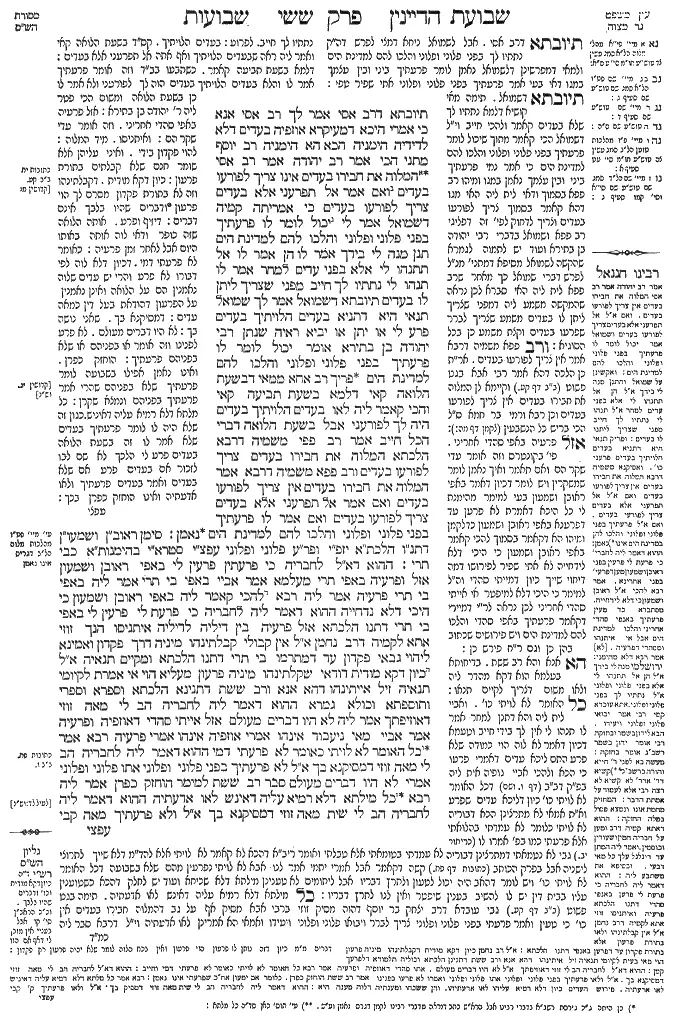
Shevu'ot 41b - Guemara
תיובתא דרב אסי אמר לך רב אסי אנא כי אמרי היכא דמעיקרא אוזפיה בעדים דלא לדידיה הימניה הכא הא הימניה רב יוסף מתני הכי אמר רב יהודה אמר רב אסי המלוה את חבירו בעדים אינו צריך לפורעו בעדים ואם אמר אל תפרעני אלא בעדים צריך לפורעו בעדים כי אמריתה קמיה דשמואל אמר לי יכול לומר לו פרעתיך בפני פלוני ופלוני והלכו להם למדינת הים תנן מנה לי בידך אמר לו הן אמר לו אל תתנהו לי אלא בפני עדים למחר אמר לו תנהו לי נתתיו לך חייב מפני שצריך ליתן לו בעדים תיובתא דשמואל אמר לך שמואל תנאי היא דתניא בעדים הלויתיך בעדים פרע לי או יתן או יביא ראיה שנתן רבי יהודה בן בתירא אומר יכול לומר לו פרעתיך בפני פלוני ופלוני והלכו להם למדינת הים פריך רב אחא ממאי דבשעת הלואה קאי דלמא בשעת תביעה קאי והכי קאמר ליה לאו בעדים הלויתיך בעדים היה לך לפורעני אבל בשעת הלואה דברי הכל חייב אמר רב פפי משמיה דרבא הלכתא המלוה את חבירו בעדים צריך לפורעו בעדים ורב פפא משמיה דרבא אמר המלוה את חבירו בעדים אין צריך לפורעו בעדים ואם אמר אל תפרעני אלא בעדים צריך לפורעו בעדים ואם אמר לו פרעתיך בפני פלוני ופלוני והלכו להם למדינת הים נאמן:
סימן ראוב"ן ושמעו"ן דתנ"ו הלכת"א יזפ"י ופר"ע פלוני ופלוני עפצ"י סטרא"י בהימנות"א כבי תרי:
ההוא דא"ל לחבריה כי פרעתין פרעין לי באפי ראובן ושמעון אזל ופרעיה באפי תרי מעלמא אמר אביי באפי בי תרי אמר ליה באפי בי תרי פרעיה אמר ליה רבא להכי קאמר ליה באפי ראובן ושמעון כי היכי דלא נדחייה ההוא דאמר ליה לחבריה כי פרעת לי פרעין לי באפי בי תרי דתנו הלכתא אזל פרעיה בין דיליה לדיליה איתניסו הנך זוזי אתא לקמיה דרב נחמן א"ל אין קבולי קבלתינהו מיניה דרך פקדון ואמינא ליהוי גבאי פקדון עד דמתרמו בי תרי דתנו הלכתא ומקיים תנאיה א"ל כיון דקא מודית דודאי שקלתינהו מיניה פרעון מעליא הוי אי אמרת לקיומי תנאיה זיל אייתינהו דהא אנא ורב ששת דתנינא הלכתא וספרא וספרי ותוספתא וכולא גמרא ההוא דאמר ליה לחבריה הב לי מאה זוזי דאוזיפתך אמר ליה לא היו דברים מעולם אזל אייתי סהדי דאוזפיה ופרעיה אמר אביי מאי ניעבוד אינהו אמרי אוזפיה אינהו אמרי פרעיה רבא אמר כל האומר לא לויתי כאומר לא פרעתי דמי ההוא דאמר ליה לחבריה הב לי מאה זוזי דמסיקנא בך א"ל לא פרעתיך בפני פלוני ופלוני אתו פלוני ופלוני אמרי לא היו דברים מעולם סבר רב ששת למימר הוחזק כפרן אמר ליה רבא כל מילתא דלא רמיא עליה דאינש לאו אדעתיה ההוא דאמר ליה לחבריה הב לי שית מאה זוזי דמסיקנא בך א"ל ולא פרעתיך מאה קבי
Comments from Rashi on Masechet Shevu'ot Page 41b
נתתיו לך חייב . לפרוע: בעדים הלויתיך . קס"ד בשעת הלואה קאי ואמר ליה ראה שבעדים הלויתיך ואף אתה אל תפרעני אלא בעדים: דלמא בשעת תביעה קאמר . כשתבעו בב"ד וזה אומר פרעתיך אמר לו והלא בעדים הלויתיך בעדים הוה לך לפורעני ולא אמר לו כן בשעת הלואה ומשום הכי פטר ליה ר' יהודה בן בתירא: אזל פרעיה באפי סהדי אחריני . וזה אומר עדי שקר הם: ואיתניסו . מיד המלוה: להוי פקדון בידי . ואיני עליהן אלא שומר חנם שלא קבלתים בתורת פרעון: כיון דקא מודית . דקבלתינהו וזה לא בתורת פקדון מסרם לך הוי פרעון ודברים שהיו בלבך אינם דברים: דיזיף ופרע . אותה הלואה שזה כופר ודאי לוה אותה באותו היום אבל לאחר זמן פרעיה: כאומר לא פרעתי דמי . דכיון דלא לוה לפי דבורו לא פרע והרי יש עדים שלוה נאמנין הם על הלואה ואינן נאמנין על הפרעון דהודאת בעל דין כמאה עדים: דמסיקנא בך . שאני נושה בך: לא היו דברים מעולם . לא פרע לפנינו וזה אומר או בפניהם או שלא בפניהם פרעתיך: הוחזק כפרן . ואינו נאמן אפילו בשבועה לומר פרעתיך שלא בפניהם שהרי אמר פרעתיך בפניהם ונמצא שקרן: כל מלתא דלא רמיא עליה דאיניש . כגון זה שלא היה לו לומר פרעתיך בעדים שלא אמר לו זה בשעת הלואה בעדים פרע לי הלכך לא שם לבו לזכור אם בעדים פרע אם שלא בעדים ואמר בעדים פרעתיך ולאו אדעתיה ואינו הוחזק כפרן בכך:
Comments from Tosafot - Shevu'ot 41b
תיובתא דרב אסי. אבל לשמואל ניחא דמצי לפרש דה"ק נתתיו לך בפני פלוני ופלוני והלכו להם למדינת הים ולמאי דמפרשינן דלשמואל נאמן לומר פרעתיך ביני ובין עצמך במגו דאי בעי אמר פרעתיך בפני פלוני ופלוני אתי שפיר טפי: תיובתא דשמואל. תימה מאי קושיא דלמא נתתיו לך שלא בעדים קאמר ולהכי חייב וי"ל דשמואל הכי קאמר מתוך שיכול לומר פרעתיך בפני פלוני ופלוני והלכו להם למדינת הים כי אמר נמי פרעתיך ביני ובין עצמך נאמן במגו ומיהו רב פפא בסמוך ודאי לית ליה האי מגו דהא קאמר בסמוך צריך לפורעו בעדים וצריך לדחוק לפי' זה דפליגי רב פפא ושמואל בדברי רבי יהודה בן בתירא ועוד יש לתמוה לגמרא שהקשה לשמואל מסיפא דמתני' מנ"ל לפרש דברי שמואל כך מאחר שרב פפא לית ליה האי סברא לכן נראה שהמקשה משמע ליה דמפני שצריך ליתן לו בעדים משמע שצריך לברר שפרעו בעדים וקצת משמע כן בכל הסוגיא: ורב פפא משמיה דרבא אמר אין צריך לפורעו בעדים. אר"ת כן הלכה דהא אמר רבי אבא בגט פשוט (ב"ב דף קע.) וקיימא לן המלוה את חבירו בעדים אין צריך לפורעו בעדים וכן רבא ורמי בר חמא ס"ל הכי בריש כל הנשבעין (לקמן שבועות דף מה:): אזל פרעיה באפי סהדי אחריני. פי' בקונטרס וזה אומר עדי שקר הם ואם תאמר ואיך נאמן לומר שמשקרין ויש לומר דכיון דאמר באפי ראובן ושמעון בעי למימר מהימנת לי כל היכא דאמרת לא פרען עד דפרענא באפי ראובן ושמעון כדלקמן ומיהו הא דקאמר בסמוך להכי קאמר באפי ראובן ושמעון כי היכי דלא לידחייה לא אתי שפיר לפירושו דמה דיחוי שייך כיון דמייתי סהדי וה"ל למימר כי היכי דלא למיפטר אי אייתי סהדי אחריני לכן נראה לר"י דמיירי דקאמר פרעתיך באפי סהדי והלכו להם למדינת הים ויש פירושים שכתוב בהן כן וגם ר"ח פירש כן: הא אנא והא רב ששת. בדיחותא בעלמא הוא דקא מהדר ליה ולאו משום דצריך לקיים תנאו: כל האומר לא לויתי כו'. ואביי לית ליה והא דתנן למחר אמר לו תנהו לי אין לך בידי חייב וטעמא דכיון דאמר לא לוה הוי כמודה שלא פרע התם ליכא עדים דאמרי פרעו כי הכא ולהכי אביי גופיה אית ליה בפ"ק דב"ב (דף ו. ושם) דכל האומר לא לויתי כו' כיון דליכא עדים שפרע וא"ת אמאי לא מתרצינן הכא דבוריה לא לויתי כלומר לא עמדתי בהלואתי אלא פרעתי כמו בפ' אמרו לו (כריתות יב.) גבי לא נטמאתי דמתרצינן דבוריה לא עמדתי בטומאתי אלא טבלתי ואומר ריב"א דהכא לא קאמר לא לויתי אלא להד"מ דלא שייך לתרוצי לישניה אבל בפרק הכותב (כתובות דף פח.) קשה דקאמר אבל אמרי יתמי אמר לנו אבא לא לויתי נפרעין מהם שלא בשבועה דכל האומר לא לויתי כו' ויש לומר דהאב היה יכול לטעון ולתרץ דבריו אבל ליתומים לא טענינן מילתא דלא שכיחא ועוד יש לחלק דהכא כשטוענין עליו בבית דין יש לו להשיב בענין שיפטר ואין לנו לתרץ דבריו: כל מילתא דלא רמיא עליה דאינש לאו אדעתיה. תימה בגט פשוט (ב"ב דף קע.) גבי עובדא דרב יצחק בר יוסף דהוה מסיק זוזי ברבי אבא מסיק אף על גב דהמלוה חבירו בעדים אין כו' כי טעין ואמר פרעתי בפני פלוני ופלוני צריך לברר ויבואו פלוני ופלוני ויעידו ואמאי הא אמרינן לאו אדעתיה וי"ל דרבא סבר ליה כמ"ד אין צריך לברר אי נמי כמו שפירש רבינו תם צריך לברר אמיתות הדברים כמו שיכול ומכל מקום אי לא משכח להו או אתו ואמרו להד"ם לא מפסיד וכן מוכח בירושלמי שהביא ר"ח דגרסי' התם הבא לידון בשטר וחזקה רבי אומר נידון בשטר פירוש שצריך לברר רבן שמעון בן גמליאל אומר נידון בחזקה בא מעשה לפני רבי והורה כרשב"ג קשיא דרבי אדרבי לא קשיא רבי לא רצה אלא לעמוד על אמיתת הדבר ואית דגרס התם בא מעשה לפני רבי חייא ופריך מינה אדרבי לפי שתלמידו היה כדפריך בפרק מפנין (שבת דף קכח.) מדרב הונא אדרב משום דרב הונא תלמידו דרב הוה ובקונטרס פירש בריש פרק זה בורר (סנהדרין דף כג:) למ"ד צריך לברר שאם בקש ולא מצא הפסיד:
Shevu'ot 41b - Mishnah translated into english
Evidently, he is not required to repay him in the presence of witnesses. The Gemara suggests: This is a conclusive refutation of the opinion of Rav Asi.
The Gemara rejects this suggestion: Rav Asi could have said to you: When I said that the debtor is liable to repay him in the presence of witnesses, it was with regard to a case where the creditor lent the money to him in the presence of witnesses at the outset, as he did not trust him. But here, he trusted him at the outset, as he lent it to him in the absence of witnesses. Therefore, the debtor is not required to repay the debt in the presence of witnesses.
Rav Yosef teaches another version of this discussion, like this: Rav Yehuda says that Rav Asi says: In the case of one who lends money to another in the presence of witnesses, the latter need not repay him in the presence of witnesses. But if the creditor said: Repay me only in the presence of witnesses, the debtor is required to repay him in the presence of witnesses. Rav Yehuda continued: When I said this in the presence of Shmuel, he said to me that the debtor can say to the claimant: I repaid you in the presence of so-and-so and so-and-so, and they went overseas.
The Gemara raises an objection against Shmuel’s opinion: We learned in the mishna that in a case where the claimant said: I have one hundred dinars in your possession, and the defendant said to him: Yes, and the claimant then said to him: Give the money to me only in the presence of witnesses, then if the next day the claimant said to him: Give the money to me, and the defendant responded: I already gave it to you, he is liable to pay, as he is required to give it to him in the presence of witnesses. The Gemara suggests: This is a conclusive refutation of the opinion of Shmuel.
The Gemara answers: Shmuel could have said to you that it is a dispute between tanna’im, as it is taught in a baraita: If the creditor said to the debtor: I lent the money to you in the presence of witnesses and therefore you must repay me in the presence of witnesses, the debtor must either give him the money or bring proof that he already gave it to him. Rabbi Yehuda ben Beteira says that he can say to him: I repaid you in the presence of so-and-so and so-and-so, and they subsequently went overseas.
Rav Aḥa refutes this answer: From where is it derived that the baraita is referring to a case where the creditor said this at the time of the loan? Perhaps it is referring to a case where he made no stipulation at the time of the loan, but rather said this at the time of the claim, when the debtor claimed that he had repaid the debt; and this is what he says to him: Didn’t I lend the money you in the presence of witnesses? You should have repaid me in the presence of witnesses. But if he made this stipulation at the time of the loan, all agree that the debtor is liable. Therefore, there is no evidence that Rabbi Yehuda ben Beteira agrees with the opinion of Shmuel.
In conclusion, Rav Pappi says in the name of Rava: The halakha is that if one lends money to another in the presence of witnesses, the latter is required to repay him in the presence of witnesses. And Rav Pappa says in the name of Rava: In the case of one who lends money to another in the presence of witnesses, the latter is not required to repay him in the presence of witnesses. But if the creditor says: Repay me only in the presence of witnesses, the debtor is required to repay him in the presence of witnesses. And if he said to him: I repaid you in the presence of so-and-so and so-and-so, and they went overseas, his claim is deemed credible.
§ The Gemara cites several incidents involving loans and witnesses, and provides a mnemonic device for them: Reuven and Shimon, who learned halakha, borrowed, and repaid so-and-so and so-and-so gallnuts for a different debt, deeming them credible like two witnesses.
The Gemara relates: There was a certain creditor who said to the debtor: When you repay me, repay me in the presence of Reuven and Shimon. The debtor went and repaid him in the presence of two other witnesses from the general public. When the case was brought before the Sages, Abaye said: The creditor said to the debtor to repay him in the presence of two people who would serve as witnesses, and he repaid him in the presence of two people. Therefore, the creditor has no further claim. Rava said to him: It is for this reason that the creditor said to him to repay him in the presence of Reuven and Shimon: So that he will not be able to dismiss him by saying that he repaid him in the presence of other witnesses.
The Gemara relates: There was a certain creditor who said to the debtor: When you repay me, repay me in the presence of two people who have learned halakha. The debtor went and repaid him between the two of them, i.e., in the absence of witnesses. Those dinars were subsequently taken from the creditor due to circumstances beyond his control.
The creditor came before Rav Naḥman for judgment, and said to him: Yes, I received the money from him; but since he did not repay me as stipulated, I accepted it only as a deposit. I accepted it as an unpaid bailee, not as payment, and said to myself: Let it be with me as a deposit until two people who have learned halakha happen to arrive, and the debtor will fulfill his condition. Since the money was taken from me due to circumstances beyond my control, and I had it in my possession only as an unpaid bailee, I am not responsible for it, and the debtor is still liable to repay me.
Rav Naḥman said to him: Since you admit that you certainly took the money from him, it is a proper repayment. If you say that the debtor is still required to fulfill his condition, go bring the money now, as Rav Sheshet and I have learned halakha, and Sifra, and Sifrei, and Tosefta, and the entire Talmud. Let him give you the money in our presence, and the condition will thereby be fulfilled. Since he gave you the money intending to repay the debt, and did not agree to entrust it to you as an unpaid bailee, your claim is not valid.
The Gemara relates: There was a certain person who said to another: Give me the hundred dinars that I lent you. The latter said to him: This matter never happened; you did not lend me money. The creditor went and brought witnesses who testified that he lent the money to him and that the debtor had repaid him. Abaye said: What is there for the court to do in this case? The same witnesses said both statements; they said that the creditor lent him the money, and they also said that the debtor repaid him. Rava said: Anyone who says: I did not borrow, is considered like one who says: I did not repay. Since there is testimony that he borrowed the money, and he admits that he did not repay it, he is liable to repay the debt.
The Gemara relates: There was a certain person who said to another: Give me the hundred dinars that I claim from you. The latter said to him: Didn’t I repay you in the presence of so-and-so and so-and-so? The two people he mentioned, so-and-so and so-and-so, came and said: This matter never happened. Rav Sheshet thought to say that based on the testimony of the witnesses, the debtor assumes the presumptive status of one who falsely denies his debts; his claim that he repaid the debt is no longer accepted, and he is liable to pay. Rava said to him: Anything that is not incumbent upon a person is not on his mind, i.e., he is apt to forget it.
The Gemara relates: There was a certain person who said to another: Give me the six hundred dinars that I claim from you. The latter said to him: But didn’t I repay you with one hundred kav
Traduction : The William Davidson digital edition of the Koren Noé Talmud, with commentary by Rabbi Adin Even-Israel Steinsaltz.