 Talmud Bavli
The learning on the whole site is dedicated : L'ilui Nishmat אליעזר בן רחל
The learning on the whole site is dedicated : For the success of Elyahou ben H'anna & family
The learning on the whole site is dedicated : L'ilui Nishmat Avraham Ben Simha
Shevu'ot 17a : Youtube
Daf TubeYoutube
2 video classes :
Shevu'ot Page 17a
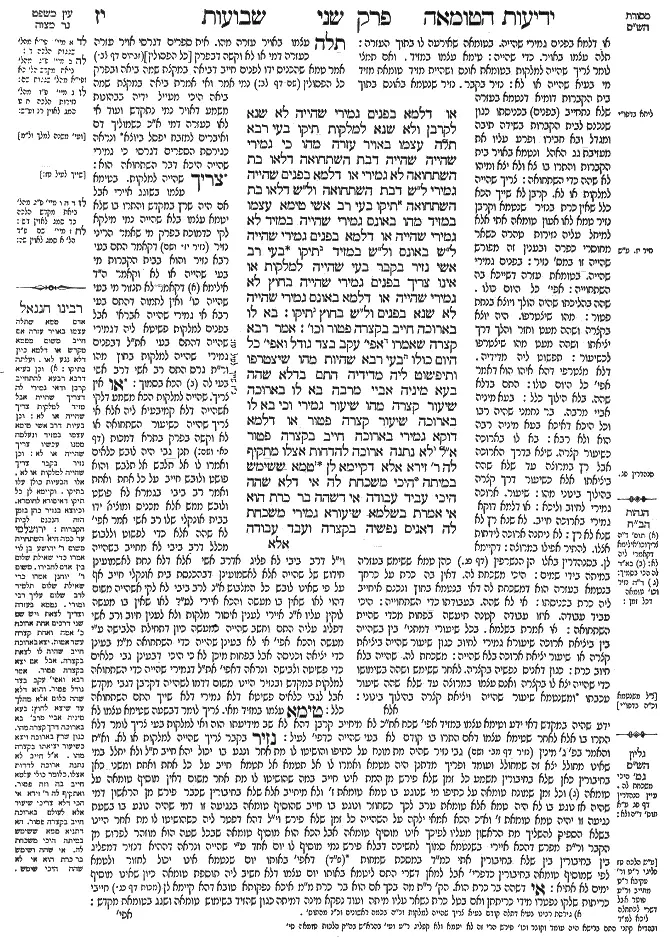
Shevu'ot 17a - Guemara
או דלמא בפנים גמירי שהייה לא שנא לקרבן ולא שנא למלקות תיקו בעי רבא תלה עצמו באויר עזרה מהו כי גמירי שהייה שהייה דבת השתחואה דלאו בת השתחואה לא גמירי או דלמא בפנים שהייה גמירי ל"ש דבת השתחואה ול"ש דלאו בת השתחואה תיקו בעי רב אשי טימא עצמו במזיד מהו באונס גמירי שהייה במזיד לא גמירי שהייה או דלמא בפנים גמירי שהייה ל"ש באונס ול"ש במזיד תיקו בעי רב אשי נזיר בקבר בעי שהייה למלקות או אינו צריך בפנים גמירי שהייה בחוץ לא גמירי שהייה או דלמא באונס גמירי שהייה לא שנא בפנים ול"ש בחוץ תיקו:
בא לו בארוכה חייב בקצרה פטור וכו':
אמר רבא קצרה שאמרו אפי' עקב בצד גודל ואפי' כל היום כולו בעי רבא שהיות מהו שיצטרפו ותיפשוט ליה מדידיה התם בדלא שהה בעא מיניה אביי מרבה בא לו בארוכה שיעור קצרה מהו שיעור גמירי וכי בא לו בארוכה שיעור קצרה פטור או דלמא דוקא גמירי בארוכה חייב בקצרה פטור א"ל לא נתנה ארוכה להדחות אצלו מתקיף לה ר' זירא אלא דקיימא לן טמא ששימש במיתה היכי משכחת לה אי דלא שהה היכי עביד עבודה אי דשהה בר כרת הוא אי אמרת בשלמא שיעורא גמירי משכחת לה דאניס נפשיה בקצרה ועבד עבודה
Comments from Rashi on Masechet Shevu'ot Page 17a
או דלמא בפנים גמירי שהייה . בטומאה שאירעה לו בתוך העזרה: תלה עצמו באויר . כדי שהייה: טימא עצמו במזיד . ואם תמצי לומר צריך שהייה למלקות בטומאת אונס ושהיית מזיד טומאת מזיד מי בעיא שהייה או לא: נזיר בקבר . נזיר שנטמא באונס בתוך בית הקברות דומיא דנטמא בעזרה שלא נתחייב (בפנים) בכניסתו כגון שנכנס לבית הקברות בשידה תיבה ומגדל ובא חבירו ופרע עליו את מעזיבת גג האהל ונטמא באויר בית הקברות והתרו בו צא ולא יצא ומיהו לא שהה כדי השתחואה: צריך שהייה למלקות או לא . קרבן לא שייך הכא כלל שאין כרת בנזיר שנטמא וקרבן נזיר טמא לאו אעון טומאה אתי אלא למיחל עליה נזירות טהרה כשאר מחוסרי כפרה ובענין זה מפורש שהייה זו במס' נזיר: בפנים גמירי שהייה . בטומאת עזרה דשייכא בה השתחוייה: אפי' כל היום כולו . שהה בהליכתו שהיה הולך ויוצא בנחת פטור: מהו שיצטרפו . היה יוצא בקצרה ושהה מעט וחזר והלך דרך יציאתו ושהה מעט מהו שיצטרפו לכשיעור: תפשוט ליה מדידיה . דלא מצטרפי דהא איהו הוא דאמר אפי' כל היום כולו: התם בדלא שהה . בלא הילוך כלל: בעא מיניה אביי מרבה . בר נחמני שהיה רבו וכל היכא דאיכא בעא מיניה רבה הוא ולא רבא: בא לו בארוכה כשיעור קצרה . שיצא בדרך הארוכה אבל רץ במרוצה עד שלא שהה ביציאתו אלא כשיעור דרך קצרה בהילוך בינוני מהו: שיעור . ארוכה גמירי לחיוב וליכא: או דלמא דוקא גמירי בארוכה חייב . לא שנא רץ לא שנא לא רץ: לא ניתנה ארוכה לידחות אצלו . להתיר אפילו במרוצה: דקיימא לן . בסנהדרין באלו הן הנשרפין (דף פג.) כהן טמא ששימש בעזרה במיתה בידי שמים: היכי משכחת לה . דאין בה כרת על כרחך בנטמא בעזרה הוא דמשכחת לה דאי בנטמא בחוץ ונכנס איחייב ליה כרת בכניסתו: אי לא שהה . בעבודתו כדי השתחוייה: היכי עביד עבודה . איזו עבודה קטנה תיעשה בפחות מכדי שהיית השתחואה: אי אמרת בשלמא . בכל שיעורי דמתני' בין בשהייה בין ביציאת ארוכה שיעורא גמירי לחיוב כגון שיעור שהייה ביציאת קצרה או שיעור יציאת ארוכה בלא שהייה: משכחת לה . שהייה בלא חיוב כרת: כגון דאניס נפשיה בקצרה . לאחר ששימש ושהה בשימושו כדי שהייה יצא לו בקצרה ואנס עצמו במרוצה עד שלא שהה שיעור עכבתו ומשנטמא שיעור שהייה ויציאת קצרה בהילוך בינוני:
Comments from Tosafot - Shevu'ot 17a
תלה עצמו באויר עזרה מהו. אית ספרים דגרסי אויר עזרה כעזרה דמי או לא וקשה דבפרק [כל הפסולין] (זבחים דף לב.) אמר טמא שהכניס ידו לפנים חייב דביאה במקצת שמה ביאה ובפרק כל הפסולין (שם דף לב:) נמי אמר ואי אמרת ביאה במקצת שמה ביאה היכי מעייל ידיה בבהונות משמע דאויר נמי נתקדש ועוד אי לאו כעזרה דמי א"כ כשמוליך דם ואיברים למזבח יפסל ביוצא ונראה כגירסת הספרים דגרסי כי גמירי שהייה היכא דבר השתחואה הוא: טימא עצמו במזיד מאי. צריך לומר דבשעה שטימא עצמו לא ידע שהיה במקדש דאי ידע וטימא עצמו במזיד אפי' שכח אח"כ לא מיחייב קרבן דהא לא שב מידיעתו הוה ואי למלקות בעי צריך לומר דלא התרו בו אלא לאחר שטימא עצמו דאם התרו בו קודם לא בעי שהייה כדפי' לעיל: צריך שהייה למלקות. בטימא עצמו בשוגג איירי אבל אם היה שרץ במקדש והתרו בו שלא יטמא עצמו בלא שהייה נמי מילקא לקי כדמוכח בפרק מי שאמר הריני נזיר (נזיר יז. ושם) דקאמר התם בעי רבא נזיר והוא בבית הקברות מי בעי שהייה או לא וקאמר ה"ד אילימא דקאמר לא תנזור מי בעי שהייה כו' ואין לתמוה דהתם בעי רבא אי גמירי שהייה אבראי אבל בפנים למלקות פשיטא ליה דגמירי שהייה דהתם בעי את"ל דבפנים גמירי שהייה למלקות בחוץ מהו ור"ת גרס התם רב אשי דרב אשי בעי לה הכא בסמוך: או אין צריך. שהייה למלקות הכא משמע דלקי אשהייה דלא קמיבעיא ליה אלא אי צריך שהייה כשיעור השתחואה או לא וקשה בפרק בתרא דמכות (דף כא. ושם:) תנן גבי היה לובש כלאים ואמרו לו אל תלבש אל תלבש והוא פושט ולובש חייב על כל אחת ואחת ואמר רב ביבי בגמרא לא פושט ולובש ממש אלא מכניס ומוציא ידו בבית אונקלי שלו רב אשי אמר אפי' לא שהה אלא כדי לפשוט וללבוש מכלל דרב ביבי לא מחייב בשהייה וי"ל דרב ביבי לא פליג אדרב אשי אלא דלא נחת לאשמועינן חידוש של שהייה אלא לאשמועינן דבהכנסת בית אונקלי חייב אף על פי שאינו לובש כל המלבוש א"נ לרב ביבי לא לקי אשהייה משום דהוי לאו שאין בו מעשה והכא איירי למ"ד לאו שאין בו מעשה לוקין עליו א"נ איירי לענין איסור מלקות ולא לענין חיוב ורב אשי דפליג עליה התם וחשב שהייה כמעשה כיון דתחילת הלבישה ע"י מעשה והכא אפי' אי לא בעינן שהייה כדי השתחואה מ"מ בעינן כדי יציאה וכניסה אבל בפחות מיכן לא כי היכי דבעינן גבי כלאים כדי פשיטה ולבישה ונראה דאפי' את"ל דגמירי שהייה כדי השתחואה למלקות במקדש ובנזיר היינו משום דדמו לשהייה דקרבן דגבי מקדש אבל לגבי כלאים פשיטא דלא גמירי דלא שייך התם השתחואה כלל: נזיר בקבר צריך שהייה למלקות או לא. וא"ת והאמר בפ' ג' מינין (נזיר דף מב. ושם) גבי נזיר שהיה מת מונח על כתיפו והושיטו לו מת אחר ונגע בו יכול יהא חייב ת"ל ולא יחלל במי שאינו מחולל יצא זה שמחולל ועומד ופריך מדתנן היה מטמא ואמרו לו אל תטמא אל תטמא חייב על כל אחת ואחת ומשני כאן בחיבורין כאן שלא בחיבורין משמע כל זמן שלא פירש מן המת אינו חייב במה שהושיטו לו מת אחר משום דאין מוסיף טומאה על טומאה וכל זמן שמונח טומאה על כתיפו מי שנוגע בו טמא טומאת ז' ולא מיחייב אלא שלא בחיבורין שכבר פירש מן הראשון דמי שהיה אז נוגע בו לא היה טמא אלא טומאת ערב לכך כשחוזר ונוגע בו חייב שהוסיף טומאה בנגיעה זו דמי שהיה נוגע בו בשעת נגיעה זו יהיה טמא טומאת ז' וא"כ הכא אמאי ילקה על השהייה כל זמן שלא פירש וי"ל דהא דפטר ליה כשהושיטו לו מת אחר היינו בשלא הספיק להשליך מת הראשון מעליו לפיכך אינו מוסיף טומאה אבל הכא הוא מוסיף טומאה שבכל שעה הוא מוזהר לפרוש מן הקבר ור"ת מפרש דהכא איירי בשנטמא סמוך לחשיכה דבלא פירש נמי מוסיף לו יום אחד ע"י שהייה ונראה דההיא דנזיר דמפליג בין בחיבורין בין שלא בחיבורין אתי כמ"ד במסכת שמחות (פ"ד) דאפי' באותו יום שנטמא אינו יכול לחזור ולטמא לפי שמוסיף טומאה בחיבורין כדפרי' אבל למאן דשרי התם ליטמא באותו יום עצמו דלא חשיב ליה תוספת טומאה כיון שאינו מוסיף ימים לא אתיא: אי דשהה בר כרת הוא. הק' ר"ת מה בכך אם הוא בר כרת מ"מ איכא נפקותא טובא דהא קיימא לן (מכות דף כג.) חייבי כריתות שלקו נפטרו מידי כריתתן ואם בטל כרת נשאר עליו מיתה ועוד נפקא מינה דמיתה כגון שהזיד בשימוש טומאה ושגג בטומאת מקדש:
Shevu'ot 17a - Mishnah translated into english
Or perhaps it is learned as a tradition that tarrying is necessary to incur any liability for impurity within the Temple, and it is no different whether the liability is to bring an offering, and it is no different whether it is to receive lashes? The Gemara concludes: The dilemma shall stand unresolved.
Rava raises another dilemma: If an impure person suspended himself in the airspace of the Temple courtyard long enough to bow down, what is the halakha? When it is learned as a tradition that an impure person is liable for tarrying in the Temple, is this only with regard to tarrying that is suited for bowing; but with regard to tarrying that is not suited for bowing, as in this case, where the person cannot bow down as long as he is suspended in the air, it is not learned as a tradition that one is liable? Or perhaps it is learned as a tradition that there is liability for tarrying within the Temple, and it is no different whether the tarrying is suited for bowing, and it is no different whether the tarrying is not suited for bowing. The Gemara concludes: The dilemma shall stand unresolved.
Rav Ashi also raises a dilemma relating to this matter: If one intentionally rendered himself ritually impure while he was in the Temple courtyard, what is the halakha with regard to tarrying? Is it learned as a tradition that tarrying is necessary when one contracts impurity while in the Temple in circumstances beyond his control, but not learned as a tradition that tarrying is necessary when he renders himself impure intentionally? Or perhaps it is learned as a tradition that tarrying is necessary for any liability for impurity within the Temple, and it is no different whether the impurity was contracted in circumstances beyond his control, and it is no different whether it was contracted intentionally. The Gemara concludes: The dilemma shall stand unresolved.
Rav Ashi raises another dilemma: If a nazirite, who is prohibited from contracting impurity imparted by a corpse, found himself alongside a grave, is tarrying there a necessary condition for him to incur lashes, or is tarrying not necessary, and he is liable immediately? Is it learned as a tradition that tarrying is necessary within the Temple, but not learned as a tradition that tarrying is necessary outside the Temple, and the nazirite is liable immediately? Or perhaps it is learned as a tradition that tarrying is necessary for liability for impurity contracted in circumstances beyond one’s control, and it is no different whether the impurity was contracted within the Temple, and it is no different whether it was contracted outside the Temple. The Gemara concludes: The dilemma shall stand unresolved.
§ The mishna teaches: If, at the time that one was unaware either that he was impure, or that he was in the Temple, he went out by way of a longer route when he could have taken a shorter route, he is liable to bring a sliding-scale offering. But if he left the Temple via the shortest way, he is exempt. Rava says: With regard to the short route, which the Sages said here that he is exempt for, this does not necessarily mean that he left the Temple as quickly as possible, as if he took the most direct route he is exempt even if he walked with exceedingly small steps, heel to toe, and even if it took him all day long.
Rava raised a dilemma: What is the halakha with regard to combining periods of tarrying, each of which is less than the amount of time necessary to recite the second portion of the verse mentioned above (II Chronicles 7:3)? If an impure person tarried in the Temple for less than the amount of time needed to bow down, and then started to leave, and then tarried again for less than the amount of time needed to bow down, do those two periods of tarrying combine together, so that if he tarried in total long enough to bow down, he is liable? The Gemara challenges: Let Rava resolve his dilemma from his own statement with regard to one who left the Temple with small steps, heel to toe, as such a person tarries intermittently between steps. The Gemara answers: There Rava is referring to one who did not tarry at all, walking continuously without interruption, albeit slowly. When Rava raised his dilemma here, it was with regard to one who stopped walking altogether and tarried.
Abaye raised a dilemma to Rabba that is the very opposite of the dilemma raised by Rava: If the impure person quickly went out the longer way in the measure of time ordinarily needed to go out the shortest way, what is the halakha? Is it learned as a tradition that he is liable for tarrying for a certain measure of time, and if he went out the longer way in the measure of time ordinarily needed to go out the shortest way, he is exempt? Or perhaps it is learned as a tradition specifically that if he left the longer way, he is liable, whereas if he left the shortest way, he is exempt. Rabba said to Abaye: The liability for leaving using the longer way was not given so that it would be overridden for him; i.e., he is liable if he exits via the longer way, even if he runs.
Rabbi Zeira objects to this: But as for this halakha that we maintain, that an impure priest who intentionally served in the Temple is liable to receive the punishment of death at the hand of Heaven, how can you find these circumstances? If he did not tarry in the Temple long enough to bow down, how could he have performed any service in such a short period of time? And if he tarried long enough to bow down, he is liable to be punished with karet, which is a more severe punishment than death at the hand of Heaven.
Rabbi Zeira explains his objection: Granted, if you say that it is learned as a tradition that one is liable for tarrying for a certain measure of time, and if he did not tarry for the time it takes to bow down and leave the Temple via the shortest way, he is exempt, then you can find a case where the priest could have served in a state of impurity without becoming liable to be punished with karet. The case is where he exerted himself and ran out very quickly via the shortest way after having performed a service in a state of impurity, so that the total time that he was in the Temple was less time than it would ordinarily take him to bow and leave the shortest way. In such a case he is exempt from being punished with karet, and liable only to be punished with death at the hand of Heaven for having performed the Temple service while impure.
Traduction : The William Davidson digital edition of the Koren Noé Talmud, with commentary by Rabbi Adin Even-Israel Steinsaltz.