 Talmud Bavli
The learning on the whole site is dedicated : L'ilui Nishmat Jacques Isaac Ben Amram Loubaton
The learning on the whole site is dedicated : L'ilui Nishmat אליעזר בן רחל
The learning on the whole site is dedicated : L'ilui Nishmat Jamila bat Chlomo Abensour
Makkot 2b : Youtube
Daf TubeYoutube
2 video classes :
Makkot Page 2b
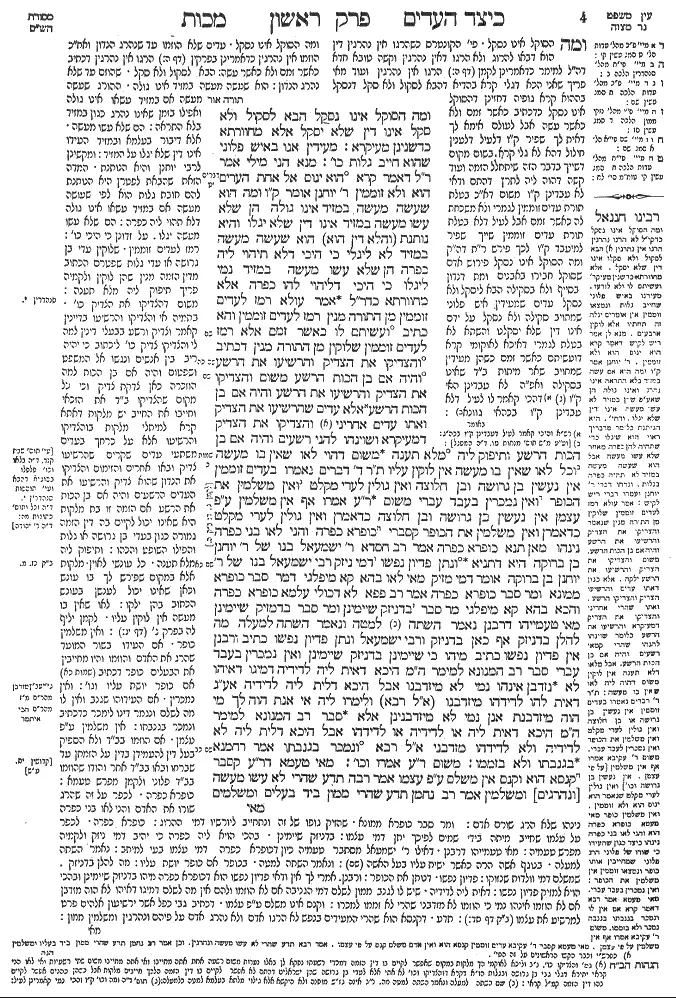
Makkot 2b - Guemara
ומה הסוקל אינו נסקל הבא לסקול ולא סקל אינו דין שלא יסקל אלא מחוורתא כדשנינן מעיקרא:
מעידין אנו באיש פלוני שהוא חייב גלות כו':
מנא הני מילי אמר ר"ל דאמר קרא (דברים יט, ה) הוא ינוס אל אחת הערים הוא ולא זוממין ר' יוחנן אומר ק"ו ומה הוא שעשה מעשה במזיד אינו גולה הן שלא עשו מעשה במזיד אינו דין שלא יגלו והיא נותנת (והלא דין הוא) הוא שעשה מעשה במזיד לא ליגלי כי היכי דלא תיהוי ליה כפרה הן שלא עשו מעשה במזיד נמי ליגלו כי היכי דליהוי להו כפרה אלא מחוורתא כדר"ל אמר עולא רמז לעדים זוממין מן התורה מנין רמז לעדים זוממין והא כתיב (דברים יט, יט) ועשיתם לו כאשר זמם אלא רמז לעדים זוממין שלוקין מן התורה מנין דכתיב (דברים כה, א) והצדיקו את הצדיק והרשיעו את הרשע (דברים כה, ב) והיה אם בן הכות הרשע משום והצדיקו את הצדיק והרשיעו את הרשע והיה אם בן הכות הרשע אלא עדים שהרשיעו את הצדיק ואתו עדים אחריני והצדיקו את הצדיק דמעיקרא ושוינהו להני רשעים והיה אם בן הכות הרשע ותיפוק ליה (שמות כ, יב) מלא תענה משום דהוי לאו שאין בו מעשה וכל לאו שאין בו מעשה אין לוקין עליו ת"ר ד' דברים נאמרו בעדים זוממין אין נעשין בן גרושה ובן חלוצה ואין גולין לערי מקלט ואין משלמין את הכופר ואין נמכרין בעבד עברי משום ר"ע אמרו אף אין משלמין ע"פ עצמן אין נעשין בן גרושה ובן חלוצה כדאמרן ואין גולין לערי מקלט כדאמרן ואין משלמין את הכופר קסברי כופרא כפרה והני לאו בני כפרה נינהו מאן תנא כופרא כפרה אמר רב חסדא ר' ישמעאל בנו של ר' יוחנן בן ברוקה היא דתניא (שמות כא, ל) ונתן פדיון נפשו דמי ניזק רבי ישמעאל בנו של ר' יוחנן בן ברוקה אומר דמי מזיק מאי לאו בהא קא מיפלגי דמר סבר כופרא ממונא ומר סבר כופרא כפרה אמר רב פפא לא דכולי עלמא כופרא כפרה והכא בהא קא מיפלגי מר סבר בדניזק שיימינן ומר סבר בדמזיק שיימינן מאי טעמייהו דרבנן נאמר השתה למטה ונאמר השתה למעלה מה להלן בדניזק אף כאן בדניזק ורבי ישמעאל ונתן פדיון נפשו כתיב ורבנן אין פדיון נפשו כתיב מיהו כי שיימינן בדניזק שיימינן ואין נמכרין בעבד עברי סבר רב המנונא למימר ה"מ היכא דאית ליה לדידיה דמיגו דאיהו לא נזדבן אינהו נמי לא מיזדבנו אבל היכא דלית ליה לדידיה אע"ג דאית להו לדידהו מיזדבנו (א"ל רבא) ולימרו ליה אי אנת הוה לך מי הוה מיזדבנת אנן נמי לא מיזדבנינן אלא סבר רב המנונא למימר ה"מ היכא דאית ליה או לדידיה או לדידהו אבל היכא דלית ליה לא לדידיה ולא לדידהו מזדבני א"ל רבא (שמות כב, ב) ונמכר בגנבתו אמר רחמנא בגנבתו ולא בזממו:
משום ר"ע אמרו וכו':
מאי טעמא דר"ע קסבר קנסא הוא וקנס אין משלם ע"פ עצמו אמר רבה תדע שהרי לא עשו מעשה [ונהרגים] ומשלמין אמר רב נחמן תדע שהרי ממון ביד בעלים ומשלמים
Comments from Rashi on Masechet Makkot Page 2b
ומה הסוקל אינו נסקל . עדים שלא הוזמו עד שנהרג הנדון ואח"כ הוזמו אין נהרגין כדאמרינן בפרקין (דף ה:) הרגו אין נהרגין דכתיב כאשר זמם ולא כאשר עשה: הבא לסקול ולא סקל . שהוזם עד שלא נהרג הנדון: הוא שעשה מעשה במזיד אינו גולה . ההורג שעשה מעשה אם במזיד עשאו אינו גולה ואפילו בזמן שאינו נהרג כגון במזיד בלא התראה: הם שלא עשו מעשה . אלא דיבור בעלמא ובמזיד העידו אינו דין שלא יגלו על המזיד: ומקשינן לרבי יוחנן והיא הנותנת . המדה הזאת שהבאת לפטרן היא הנותנת להם חובת גלות הוא לפי שעושה מעשה אם במזיד עשאו אינו גולה דלא תהוי ליה כפרה: הם שלא עשו מעשה יגלו . על זדונן כי היכי כו': רמז לעדים זוממין . שלוקין עדי בן גרושה או עדי גלות שפטרם הכתוב מדין הזמה מנין שהן לוקין ולקמיה פריך תיפוק ליה מלא תענה: משום דהצדיקו את הצדיק כו' . בתמיה אי והצדיקו והרשיעו בדיינין קאמר וצדיק ורשע בבעלי דינין למה לי והצדיקו צדיק כו' ליכתוב כי יהיה ריב בין אנשים ונגשו אל המשפט ושפטום והיה אם בן הכות למה הוזכרה כאן צדקת צדיק וכי כל מקום שהצדיקו ב"ד את הזכאי וחייבו את החייב יש מלקות דאתא קרא למיתלי מלקות בוהצדיקו והרשיעו אלא על כרחך בעדים משתעי עדים שקרים שהרשיעו צדיק ובאו אחרים והזימום והצדיקו את הנדון שהוא צדיק והרשיעו את העדים הרשעים והיה אם בן הכות את הרשע אם הזמה זו בת מלקות היא שאינו יכול לקיים בה דין הזמה גמורה כגון בעדי בן גרושה או גלות והפילו השופט והכהו: ותיפוק ליה מלא תענה . כל עונשי לאוין. מלקות אלא במקום שפירש לך בו עונש וכאן שאינו יכול לענשן בעונש הכתוב בהן ילקו: לאו שאין בו מעשה אין לוקין עליו . לקמן יליף לה בפרק ג' (דף יג.). ואין משלמין כופר. אם העידו בשור המועד שהרג את האדם והוזמו והיו מחייבין את הבעלים כופר דכתיב (שמות כא) אם כופר יושת עליו וגו': ואין נמכרין . אם העידוהו שגנב ואין לו מה לשלם ונגמר דינו לימכר כדכתיב ונמכר בגנבתו: אין משלמין ע"פ עצמן . אם הוזמו בב"ד ולא הספיק בעל דין להעמידן בדין על הזמתן עד שברחו ובאו בב"ד אחר והודו שהוזמו בב"ד פלוני ולקמן מפרש טעמא: כופרא כפרה . לכפר על זה שהרג שורו את האדם והני לאו בני כפרה נינהו שלא הרג שורם אדם: ומר סבר כופרא ממונא . שהזיק גופו של זה ונתחייב ליורשיו דמי ההרוג: בדניזק שיימינן . בהכי הויא ליה כפרה כי יהיב דמי ניזק ולקמיה מפרש טעמיה: מאי טעמייהו דרבנן . דאילו ר' ישמעאל מסתבר טעמיה כיון דכופרא כפרה דמי עצמו בעי למיתב: נאמר השתה למעלה . בנוגף אשה הרה כאשר ישית עליו בעל האשה (שם): ונאמר השתה למטה . בכופר אם כופר יושת עליו: מה להלן בדניזק . שמשלם דמי וולדות שנזוקו: פדיון נפשו . דנותן את הכופר: ורבנן . אמרי לך אין ודאי פדיון נפשו הוא דכופרא כפרה מיהו בדניזק שיימינן ובהכי הויא למזיק פדיון נפשו: דאית ליה לדידיה . שיש לו לגנב ממון לשלם דמי הגניבה אם לא הוזמו ולהם אין מה לשלם דמיגו דאיהו לא הוה מזדבן אם לא הוזמו אינהו נמי כי הוזמו לא מזדבני שהרי לא זממו למכרו: וקנס אינו משלם ע"פ עצמו . דכתיב גבי כפל אשר ירשיעון אלהים פרט למרשיע את עצמו (ב"ק דף סד:): תדע . דקנסא הוא שהרי המעידים בנפש לא הרגו אדם ולא נהרג אדם על פיהם ונהרגין ומשלמין ממון:
Makkot 2b - Mishnah translated into english
If one who stones another, i.e., who testified that another is liable to be executed via the death penalty of stoning and was rendered a conspiring witness after that person was executed, is not stoned, as the halakha is that conspiring witnesses receive the punishment that they conspired to have inflicted and not the punishment that they actually had inflicted, then with regard to a conspiring witness who came to stone another and was unsuccessful and did not stone him, as he was rendered a conspiring witness before that person was executed, isn’t it logical that he should not be stoned? The Gemara concludes: Rather, it is clear as we answered initially: “And you shall do to him as he conspired”; this should be done to him, but not to his offspring.
§ The mishna teaches that in a case where two witnesses came before the court and said: We testify with regard to so-and-so that he is liable to be punished with exile, one does not say that these witnesses shall be exiled in his stead; rather, they receive forty lashes. The Gemara asks: From where is this matter derived? Reish Lakish says: It is derived from a verse, as the verse states with regard to an unwitting killer: “And he shall flee to one of the cities” (Deuteronomy 19:5), and the Gemara infers: He shall flee, but conspiring witnesses shall not.
Rabbi Yoḥanan says: It is derived through an a fortiori inference: If the killer, who performed an action that, had he done so intentionally, he would not be exiled for it even if he were not sentenced to death, e.g., because there was no forewarning, then in the case of the conspiring witnesses, who did not perform an action, as their conspiracy was exposed and their testimony rejected, even if they testified intentionally, isn’t it logical that they should not be exiled?
The Gemara challenges: But that distinction provides support to the contrary. Could this not be derived through logical inference? With regard to one who performed an action, i.e., killed a person, if he did so intentionally, let him not be exiled so that he will not have atonement for his action, and he will instead receive harsh punishment at the hand of Heaven. With regard to the conspiring witnesses, who did not perform an action, even if they testified intentionally, let them also be exiled so that they will have atonement for their misdeed. The Gemara concludes: Rather, it is clear in accordance with the explanation of Reish Lakish: “And he shall flee to one of the cities”; he, but not conspiring witnesses.
§ Ulla says: From where is an allusion in the Torah to conspiring witnesses derived? The Gemara asks: Is an allusion to conspiring witnesses required? But isn’t it written explicitly: “And you shall do to him as he conspired” (Deuteronomy 19:19)? Rather, Ulla’s question is: From where is an allusion in the Torah to the halakha that conspiring witnesses are flogged in certain cases derived? It is derived from that which is written: “If there is a quarrel between people and they come to judgment, and the judges judge them, and they vindicated the righteous and condemned the wicked, and it shall be if the wicked is deserving of lashes” (Deuteronomy 25:1–2). Ostensibly, this verse is difficult: Is it due to the fact that “they vindicated the righteous” that they “condemned the wicked, and it shall be if the wicked is deserving of lashes”? In most disputes, the fact that one party is vindicated does not necessarily lead to lashes for the other party.
Rather, the verse is addressing the case of witnesses who, through their testimony, condemned the righteous, and other witnesses came and vindicated the original righteous person and rendered these first set of witnesses wicked conspiring witnesses. In that case, the verse states: “And it shall be if the wicked is deserving of lashes,” indicating that lashes are an appropriate punishment for conspiring witnesses.
The Gemara asks: And why not derive the halakha that conspiring witnesses are liable to receive lashes from the prohibition: “You shall not bear false witness against your neighbor” (Exodus 20:13)? The Gemara answers: One is not flogged for violating that prohibition, due to the fact that it is a prohibition that does not involve an action, as one violates it through speech, not action, and the principle is: For every prohibition that does not involve an action, one is not flogged for its violation. Therefore, it was necessary to derive the halakha from the verse: “And they vindicated the righteous.”
§ The Sages taught in a baraita: Four matters were stated with regard to conspiring witnesses, i.e., there are four cases in which their punishment deviates from the norm. They are not rendered the son of a divorced woman or the son of a ḥalutza; they are not exiled to a city of refuge; they do not pay the ransom if they testified that the forewarned ox of someone killed another; and they are not sold as a Hebrew slave in a case where they testified that one stole property and he would be sold into slavery if he lacked the means to repay the owner. The Sages said in the name of Rabbi Akiva: They also do not pay based on their own admission. If they were rendered conspiring witnesses in one court, and before that court managed to collect the payment that they owed, they appeared in a different court and admitted that they had been rendered conspiring witnesses, they are exempt from payment.
The Gemara elaborates: They are not rendered the son of a divorced woman or the son of a ḥalutza, as we stated and explained earlier. And they are not exiled to a city of refuge, as we stated and explained earlier. And they do not pay the ransom, as these Sages hold that the ransom paid by one whose ox killed another is atonement for him, as he is liable for the actions of his animal, and it is not payment of damages. And these conspiring witnesses are not subject to a need for atonement, as their ox did not kill anyone.
The Gemara asks: Who is the tanna who taught that the ransom is atonement? Rav Ḥisda says: It is Rabbi Yishmael, son of Rabbi Yoḥanan ben Beroka, as it is taught in a baraita with regard to the verse concerning a case where the ox of one person gored another: “If ransom is imposed upon him, and he shall give the redemption of his soul” (Exodus 21:30); the term “his soul” means the value of the victim, i.e., the owner of the ox must pay the heirs of the deceased his value as it would be assessed were he sold as a slave in the market. Rabbi Yishmael, son of Rabbi Yoḥanan ben Beroka, says: The term “his soul” means the value of the one liable for the damage. What, is it not that they disagree with regard to this principle: That one Sage, the Rabbis, holds that the ransom is monetary restitution for the damage that his ox caused the victim; and one Sage, Rabbi Yishmael, holds that the ransom is atonement, as he thereby redeems his own soul from death at the hand of Heaven?
Rav Pappa says: No, perhaps everyone agrees that the ransom is atonement, and here, it is with regard to this matter that they disagree: One Sage, the Rabbis, holds that we assess the payment in terms of the value of the victim; and one Sage, Rabbi Yishmael, holds that we assess the payment in terms of the value of the one liable for the damage.
The Gemara asks: What is the reason for the opinion of the Rabbis, who abandon the straightforward meaning of the verse? The Rabbis derive it in the following manner: Imposition is stated below with regard to one whose ox killed another: “If ransom is imposed upon him” (Exodus 21:30), and imposition is stated above, in the case of one who struck a pregnant woman, causing her to miscarry: “He shall be punished, as the husband of the woman imposes upon him” (Exodus 21:22). Just as there, with regard to the miscarriage, it is in terms of the value of the victim, the fetus, that we assess the payment, here too, in the case of the ransom, it is in terms of the value of the victim that we assess the payment.
And Rabbi Yishmael, son of Rabbi Yoḥanan ben Beroka, says: “And he shall give the redemption of his soul” is written, indicating that the sum is based on the value of the one seeking atonement. And the Rabbis explain: Yes, the phrase “redemption of his soul” is written, and the payment functions to redeem his soul. Nevertheless, when we assess the sum of the redemption payment, it is in terms of the value of the victim that we assess the payment.
§ The baraita teaches: Conspiring witnesses are not sold as a Hebrew slave in a case where they testified that one stole property. Rav Hamnuna thought to say: This statement applies only in a case where the falsely accused has means of his own to repay the sum of the alleged theft, as since, had the testimony been true, he would not have been sold for his transgression, the witnesses too are not sold when they are rendered conspiring witnesses. But in a case where the falsely accused does not have means of his own, and would have been sold into slavery had their testimony been accepted, even if the witnesses have means of their own, they are sold, as they sought to have slavery inflicted upon him.
Rava said to him: And let the witnesses say to the person against whom they testified: If you had money, would you have been sold? We too will not be sold. Since they have the means, they can pay the sum that they owe and not be sold as slaves. Rather, the Gemara proposes an alternative formulation of the statement of Rav Hamnuna. Rav Hamnuna thought to say: This statement applies only in a case where either he, the falsely accused, or they, the witnesses, have the means to pay the sum; but in a case where neither he nor they have the means, the witnesses are sold. In that case, had their testimony stood, the alleged thief would have been sold into slavery, and they too lack the means to pay the sum that they are liable to pay as conspiring witnesses. Therefore, they are sold. Rava said to him: That is not so, as the Merciful One states: “And he shall be sold for his theft” (Exodus 21:30), from which it is inferred: For his theft, but not for his conspiring testimony.
§ It is taught in the baraita: The Sages said in the name of Rabbi Akiva: They also do not pay based on their own admission. The Gemara explains: What is the reason for the opinion of Rabbi Akiva? He holds that money paid by a convicted conspiring witnesses is a fine [kenasa], and the principle is: One does not pay a fine based on his own admission; one pays a fine only on the basis of testimony. Rabba says: Know that it is a fine, as these witnesses did not perform an action and caused no actual damage, and yet they are executed or pay depending on the nature of their testimony, indicating that it is a fine rather than a monetary restitution. Rav Naḥman says: Know that it is a fine rather than a monetary restitution for damages, as the money they sought to compel him to pay ultimately remains in the possession of the owner against whom they testified, and yet they pay him.
Traduction : The William Davidson digital edition of the Koren Noé Talmud, with commentary by Rabbi Adin Even-Israel Steinsaltz.