 Talmud Bavli
Nedarim 60b : Youtube
Daf TubeYoutube
2 video classes :
Nedarim Page 60b
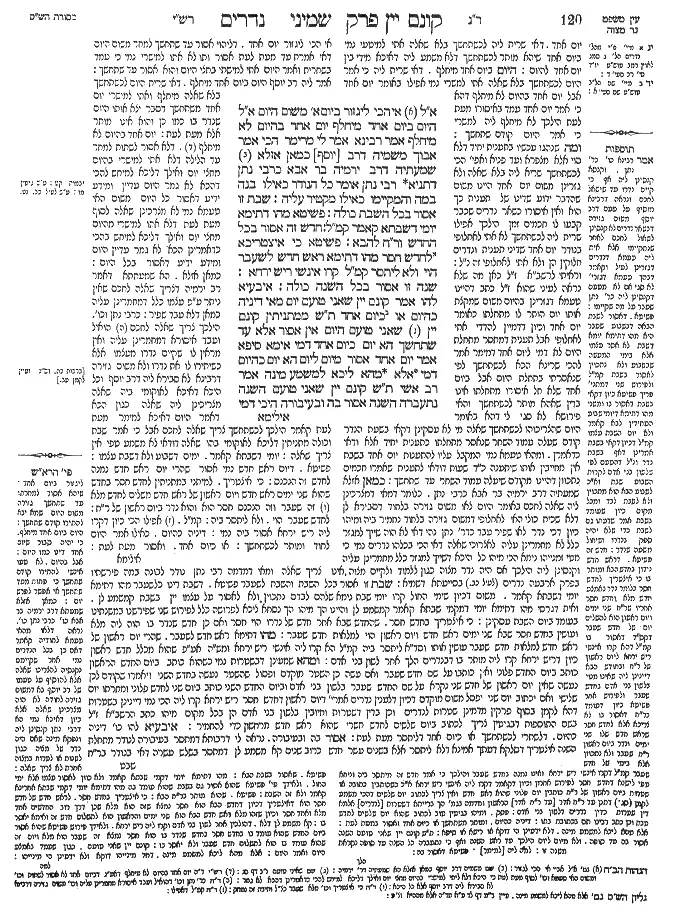
Nedarim 60b - Guemara
א"ל אי הכי ליגזור ביום א' משום היום א"ל היום ביום אחד מיחלף יום אחד בהיום לא מיחלף אמר רבינא אמר לי מרימר הכי אמר אבוך משמיה דרב [יוסף] כמאן אזלא שמעתיה דרב ירמיה בר אבא כרבי נתן דתניא רבי נתן אומר כל הנודר כאילו בנה במה והמקיימו כאילו מקטיר עליה:
שבת זו אסור בכל השבת כולה:
פשיטא מהו דתימא יומי דשבתא קאמר קמ"ל:
חדש זה אסור בכל החדש ור"ח להבא:
פשיטא כי איצטריכא לחדש חסר מהו דתימא ראש חדש לשעבר הוי ולא ליתסר קמ"ל קרו אינשי ריש ירחא:
שנה זו אסור בכל השנה כולה:
איבעיא להו אמר קונם יין שאני טועם יום מאי דיניה כהיום או כיום אחד ת"ש ממתניתין קונם יין שאני טועם היום אין אסור אלא עד שתחשך הא יום כיום אחד דמי אימא סיפא אמר יום אחד אסור מיום ליום הא יום כהיום דמי אלא מהא ליכא למשמע מינה אמר רב אשי ת"ש קונם יין שאני טועם השנה נתעברה השנה אסור בה ובעיבורה היכי דמי
Comments from Rashi on Masechet Nedarim Page 60b
אי הכי ליגזור יום אחד . דליהוי אסור עד שתחשך למחר משום היום דאי אמרת עד מעת לעת אסור ותו לא אתו למישרי נמי כי עמד בשחרית ואמר היום אתי למישתי בחצי היום והוא אסור עד שתחשך: אמר ליה רב יוסף היום ביום אחד מיחלף . דאי שרית היום לכשתחשך בלא שאלה מיחלף ואתי למישרי יום אחד משתחשך דסבר יצא אותו היום שנדר בו כמו כן והוא אינו מותר אלא מעת לעת: יום אחד בהיום לא מיחלף . דלא אשור לשתות למחר עד הלילה דלא אתי למישרי בהיום מחצי יום ואילך דליכא למיחש להכי דהכא לא גמר היום עדיין ומידע ידיע דאסור כל היום משום האי טעמא נמי לא מצרכינן שאלה לסוף מעת לעת דלא אתו למישרי מהיום מחצי יום ואילך דליכא למיחש בהכי כדאמרינן הכא לא גמר עדיין היום ומידע ידיע דאסור בכל היום: כמאן אזלא . הא שמעתתא דאמר רב ירמיה דצריך שאלה לחכם שאין ניתר ע"פ עצמו כלל דמחמרינן עליה כמאן דלא עבד שפיר: כרבי נתן וכו' . הילכך צריך שאלה לחכם הואיל ועבד איסורא דמחמרינן עליה ואין מראין לו שקיים נדרו מעצמו אלא כשיתירו לו את נדרו ולא משום גזירה דרבינא לא סבירא ליה דרב יוסף וכל היכא דאיכא לאוקומי ביה שאלה מצריכינן ליה שאלה כגון הכא דאמר היום דאיכא למימר מעת לעת קאמר הילכך לכשתחשך צריך שאלה לחכם אבל כי אמר כבת וכולה מתניתין דליכא לאוקומי בהו שאלה דודאי לא משמע טפי אין צריך שאלה: יומי דשבתא קאמר . ימים דשבוע ולא דשבת עצמו: פשיטא . דיום ראש חדש נמי אסור שהרי יום ראש חדש נמנה לחדש זה הנכנס: כי איצטריך . למיתני במתניתין לחדש חסר בחדש שהוא שני ימים ראש חדש ויום ראשון של ראש חדש משלים לחדש מלא זה שעבר וזה הנכנס חסר הוא והוא נדר ביום ראשון של ר"ח: לחדש שעבר הוי . ולא ליתסר ביה: קמ"ל . אפילו הכי כיון דקרו ליה ריש ירחא אסור ביה נמי: דיניה כהיום . כאילו אמר היום לחוד ומותר לכשתחשך: או כיום אחד . ואסור מעת לעת:
Comments from Tosafot - Nedarim 60b
אמר רבינא כו' כר' נתן . וקנסא קנסינן ליה אף כי קיים נדרו עד שישאל לחכם ונראה דרבינא מוסיף על טעם דרב יוסף משום גזירה דבשאר נדרים לא קנסינן לשאול לחכם לאחר שנתקיימו אלא אית ליה טעמא דנדרים דגזרינן לעיל וקאמר דבהך טעמא דגזרי' לא סגי אם לא מטעם דקנסינן ליה כר' נתן שעבר על מה שקיימו: פשיטא . דאסור לשבת הבאה דבשבוע שעבר היא מהו דתימא יומא דשבת לא אסר עצמו אלא בימי המעשה שבשבוע ולא נתכוין לאסור בשבת קמ''ל ולפירוש שני דמתני' פריך פשיטא כיון דקאי בשבת דאסור בו ומשני מהו דתימא דיומי שבוע העתידין לבא קאמר ולא יום השבת עצמו קמ''ל דכיון דקאי בשבת אמרינן דאף בשבת . נדר ונ''ל דהטעם לפי שלשון בני אדם לקרות השבוע שבת וא''כ לשבוע הבא הוא מתכוין ולא לשבת לבד ומכל מקום כיון שעומד בשבת אמר שדעתו גם לשבת כדי שלא יהיה ספק בנדרו ושיחול משעה שנדר: חדש זה פשיטא . דראש חדש נידון בחדש הבא ומותר בו כי איצטריך לחדש חסר כלומר נדר באמצע חדש מלא וחדש חסר אחריו שר''ח שני ימים ויום ראשון הוא להשלים יום של חדש שעבר דקס''ד דאסור בו קמ''ל דהא קרו אינשי ריש ירחא ליום ראשון של ר''ח ובחודש הבא דיינינן ליה שאינו מנוי בלשון בני אדם בחדש שעבר ולפירוש אחר פשיטא כיון דעומד בר''ח דאסור בו לא צריכא אלא לחדש חסר שראש חדש שלו שני ימים ונדר ביום ראשון ר''ח שעבר ולא נתכוון אלא בימי של חדש שעבר קמ''ל דקרו אינשי ריש ירחא ואינו נמנה בחדש שעבר והילכך כי אמר חדש זה מיתסר ביה וניחא טפי לישנא דחדש חסר לפירוש אחרון וכיון דקאמר דקרו ליה אינשי ריש ירחא א''כ כשכותבין כתובה או שטרות ביום ראשון של ר''ח כותבין יום פלוני שהוא ראש חדש ואין צריך לכתוב יום שלשים דהכי משמע לקמן (נדרים סג .) דתנן עד ר''ח אדר [עד ר''ח אדר] הראשון ומדמה בגמ' הך ברייתא דשטרות [לנדרים] אלמא דין שטרות כדין נדרים דלשון בני אדם: פסק . ומיהו בגיטין טוב לכתוב שהוא יום שלשים לחדש טבת וכן כתב רבינו תם בכתובת בתו: דיניה כהיום . ומותר משתחשך או כיום אחד ואסור במעת לעת: אלא מהא ליכא למשמע מינה . דלא ידעינן הי דוקא או רישא או סיפא: ת''ש קונם יין שאני טועם השנה אסור בה עד סופה . ולא מיום ליום הילכך עד ראש השנה ואף כי נתעברה כל השנה עד סופה נקראת משנה זו: למה ליה [למימר] . פשיטא דאסור בה:
Nedarim 60b - Mishnah translated into english
Abaye said to him: If so, the Sages should likewise decree in the case of one who takes a vow for one day that he must keep the vow until nightfall of the following day, due to the confusion that might be caused in a case where one said that his vow applies today. If the vow expires in the middle of the day, twenty-four hours after he took the vow, people might think that if one takes a vow in the morning and applies it to this day, it also expires in the middle of the day.
Rav Yosef said to him: A vow taken for this day might be interchanged with a vow taken for one day, and one might erroneously conclude that a vow taken for one day expires at nightfall. However, a vow taken for one day is not interchanged with a vow taken for today, and there is no concern that one who takes a vow for today will erroneously conclude that it expires in the middle of the day.
Ravina said: Mareimar said to me: Your father said as follows, in the name of Rav Yosef: In accordance with whose opinion is this halakha taught by Rav Yirmeya bar Abba? It is in accordance with the opinion of Rabbi Natan, as it is taught in a baraita: Rabbi Natan says: Anyone who vows, it is as if he has built a personal altar, which is forbidden because one must bring all offerings to the Temple. And one who fulfills the vow, is as though he burns portions meant for the altar in the Temple upon it, i.e., the personal altar, thereby increasing his sin. Consequently, even after he has fulfilled the vow, it is preferable for him to ask a halakhic authority to annul it entirely, so that it will be as if he never took a vow.
§ The mishna stated that one who says: Wine is konam for me, and for that reason I will not taste it this week, is prohibited from drinking wine for the entire remainder of the week, including Shabbat. The Gemara poses a question: Isn’t it obvious that this is the case? The Gemara answers: It is necessary, lest you say that he said the days of the week, i.e., he meant for his vow to apply only on the weekdays. The tanna therefore teaches us that the phrase this week includes Shabbat.
The mishna stated: If one says: This month, it is forbidden to him for the entire remainder of the month, and the New Moon is considered part of the next month. The Gemara asks: Isn’t this obvious? The Gemara answers: When it was necessary to teach this halakha it was for a New Moon preceding a deficient, twenty-nine-day month. In such a case the New Moon is celebrated for two days, the first of which is the thirtieth day of the previous month and the second of which is the first day of the new month. The case here is one where he took the vow on the first day of the New Moon.
This is lest you say that the first day of the New Moon is part of the previous month, and therefore the vow should expire at the end of that day, and wine should not be forbidden to him during the upcoming month. The tanna therefore teaches us that since people call it the New Moon of the upcoming month, it is viewed as part of the upcoming month, and the vow applies to the new month.
§ The mishna states that if one says: This year, it is forbidden to him for the entire remainder of the year, and that Rosh HaShana is considered part of the upcoming year.
A dilemma was raised before the scholars: If one said: Wine is konam for me, and for that reason I will not taste it for a day, what is the halakha in his case? Is it considered as though he said today, and he is prohibited from consuming wine until nightfall, or is it considered as though he said one day, in which case the vow takes effect for a period of twenty-four hours?
The Gemara suggests: Come and hear a proof from the mishna: If one says: Wine is konam for me, and for that reason I will not taste it today, he is prohibited from drinking wine only until the conclusion of that day, at nightfall. The Gemara infers that this halakha only applies if he said the word today; therefore, if he said the vow applies for a day, it is considered comparable to a case where he said one day, and the vow is in effect for twenty-four hours.
The Gemara rejects this proof: But say the latter clause of the mishna: If he said that wine is forbidden to him for one day, he is prohibited from drinking wine from the day he took the vow to the same time on the following day. This indicates that it is only if he said: One day, that the vow takes effect for twenty-four hours; but if he said it takes effect for a day, it is comparable to a case where he said today, and the vow takes effect only until nightfall. Rather, no inference is to be learned from this mishna.
Rav Ashi said: Come and hear a resolution to this question from the following mishna (63a): If one vowed: Wine is konam for me, and for that reason I will not taste it this year, then if the year was extended, i.e., declared to be a leap year, he is prohibited from drinking wine in it and its intercalated month. The Gemara inquires: What are the circumstances?
Traduction : The William Davidson digital edition of the Koren Noé Talmud, with commentary by Rabbi Adin Even-Israel Steinsaltz.